






























Rukwa steps up efforts to unlock mineral wealth
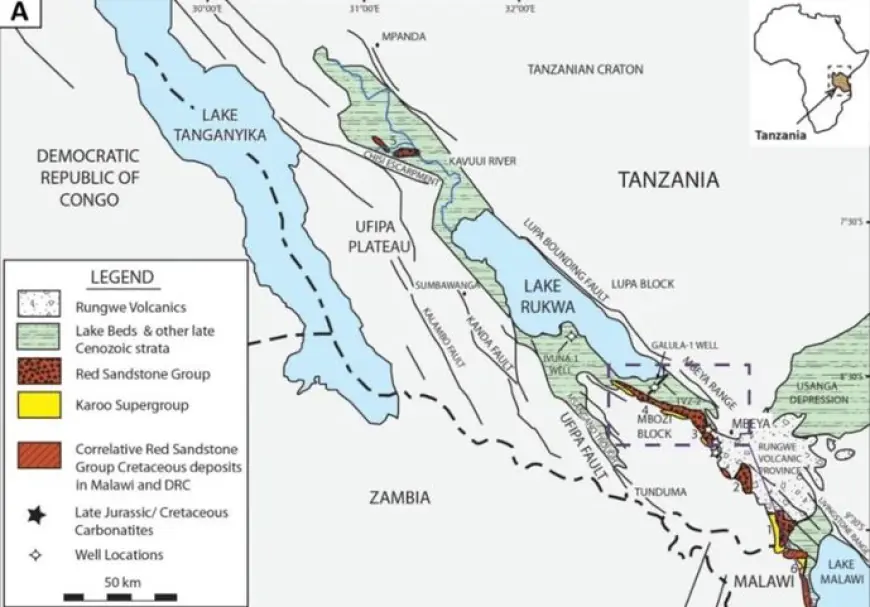
Beyond traditional deposits of gold, emeralds, and coal, Rukwa sits within the Ubendian geological belt, a formation host to major industrial minerals and critical transition elements, including rare earth elements and significant helium reserves in the Rukwa Basin

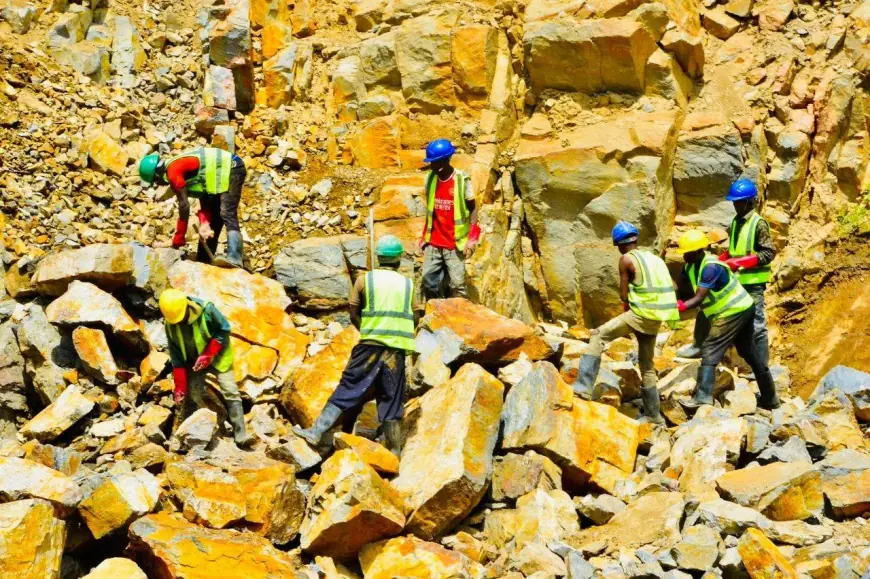
Rukwa. Long regarded as a sleepy agricultural outpost in southwestern Tanzania, Rukwa Region is undergoing a structural economic transformation.
Through a systematic push to formalize artisanal mining, streamline digital licensing, and leverage its strategic border corridors, regional authorities are carving out a major new mining and mineral trading hub along the Great Rift Valley.
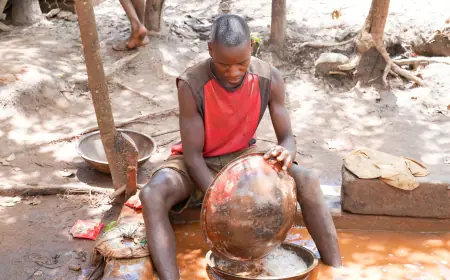
At the core of this strategy is a sweeping initiative to bring small-scale miners into the formal economy.
Official technical evaluations conducted between July and October 2024 across the Nkasi, Kalambo, and Sumbawanga districts identified 13 inactive mineral prospecting licences.
Rich deposits of copper
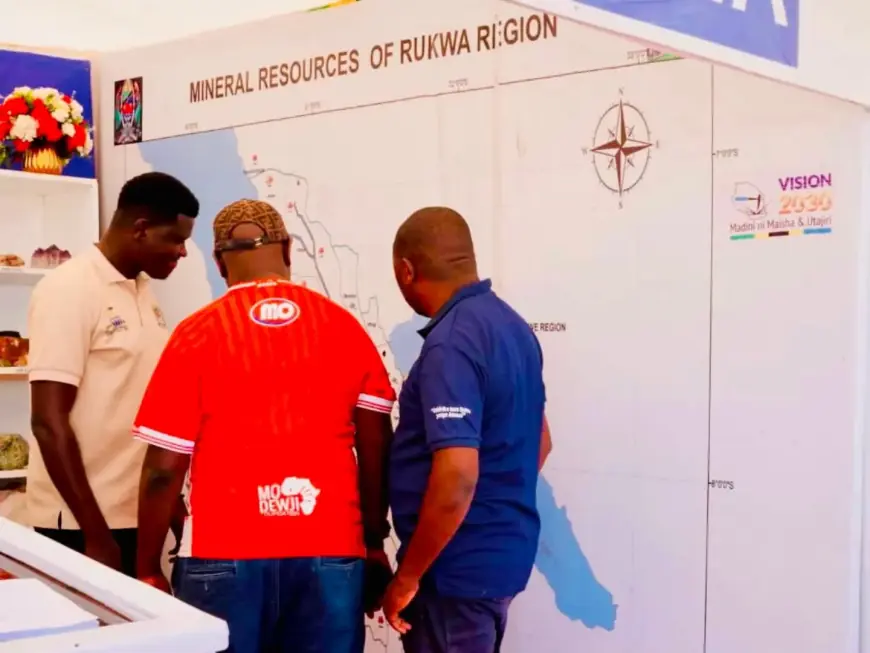
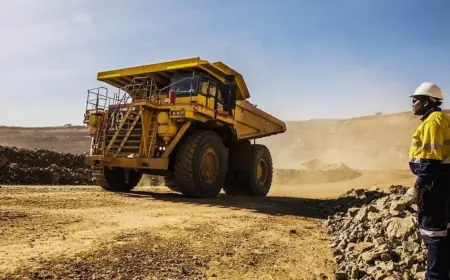
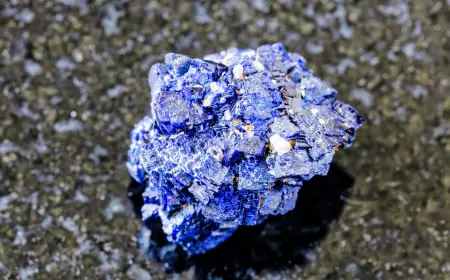
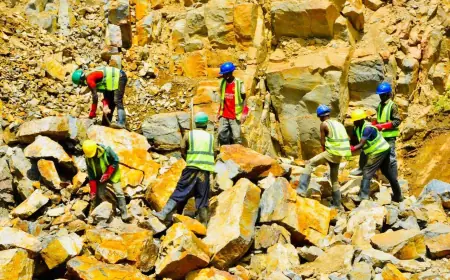
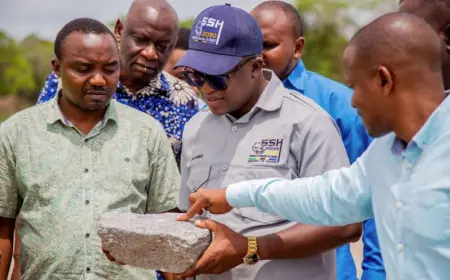
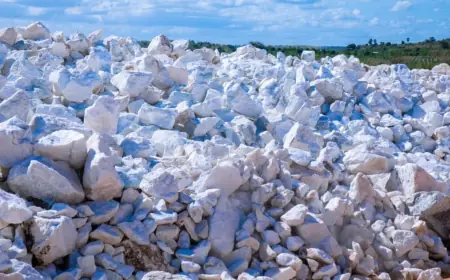
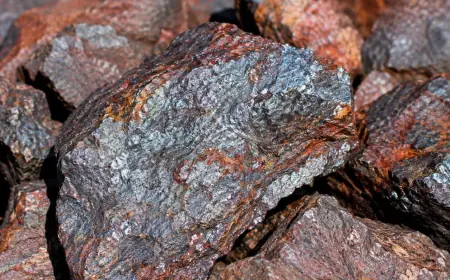
Ground assessments revealed significant mineralization across these concessions, including rich deposits of copper, iron, quartz, amethyst, mica, and industrial-grade minerals.
In response, regional authorities designated a 7,180-hectare tract specifically for small-scale operations.
The block is structured to yield up to 718 individual mining licences, a measure expected to inject more than Sh71.8 million directly into public coffers through administrative fees while creating thousands of formal local jobs.
This initiative sits alongside a broader land demarcation programme expanding across Rukwa.
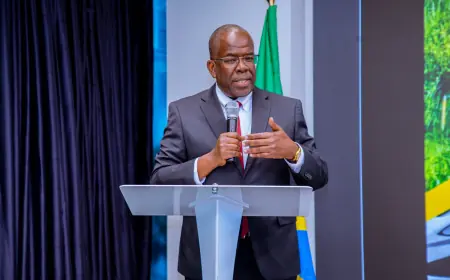
According to Rukwa Resident Mines Officer, Joseph Kumburu, authorities are demarcating over 13,000 additional hectares for artisanal operations across the region.
This wider effort is slated to generate upwards of 700 new small-scale licences, offering youth and local enterprise groups direct entry into the extractive value chain.
The drive toward formalisation is already yielding concrete results in the gold-rich district of Nkasi.
Authorities designated a 420-square-kilometre sector covering the villages of Nchenje, Chonga, Isale, and Nkandasi for gold exploration and extraction.
To date, 74 small-scale gold licences have been issued and active mining has commenced, whilst a further 366 applications are progressing through regulatory review.
Notably, gender equity and youth inclusion have been integrated into the allocation model: 24 active licences have been awarded to women miners, 86 additional female applicants are under review, and 15 applications have been submitted by youth-focused associations and cooperatives.
These localized efforts reflect a sweeping modernization programme orchestrated by the Mining Commission.
The implementation of online licensing systems has dramatically reduced bureaucratic friction and enhanced administrative transparency.
Across Rukwa, more than 480 mineral licences have been issued, with an additional 600 applications undergoing digital review.
The fiscal impact of these regulatory refinements is becoming increasingly visible.
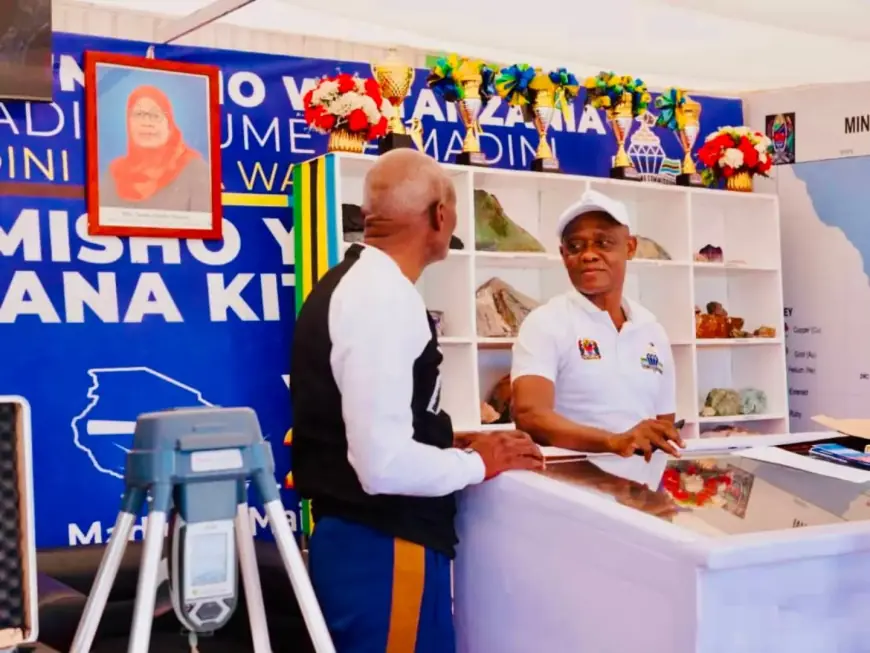
In the 2024/2025 financial year, formal markets and buying centres in Rukwa traded 337.6 tonnes of assorted minerals valued at over Sh264 million.
This generated more than Sh18 million in state royalties, inspection fees, and transit permits.
Revenue collection performance across the regional mining office reached Sh656.2 million, representing 87.5 percent of its annual revenue collection target for the period.
Strategic position
However, Rukwa’s ambitions extend well beyond artisanal output.
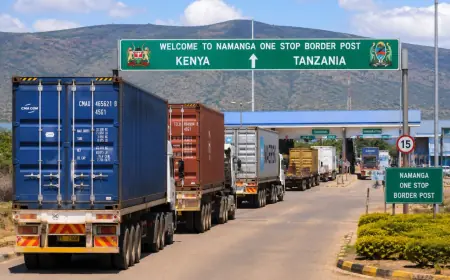
Geographically positioned on the eastern shore of Lake Tanganyika, the region sits along key transit corridors connecting Tanzania to Zambia and the Democratic Republic of Congo (DRC).
Access to Lake Tanganyika’s shipping lanes provides a natural maritime route for heavy equipment imports and bulk mineral exports across Central Africa.
Beyond traditional deposits of gold, emeralds, and coal, Rukwa sits within the Ubendian geological belt, a formation host to major industrial minerals and critical transition elements, including rare earth elements and significant helium reserves in the Rukwa Basin.
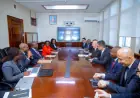
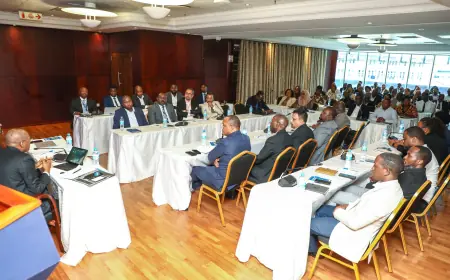
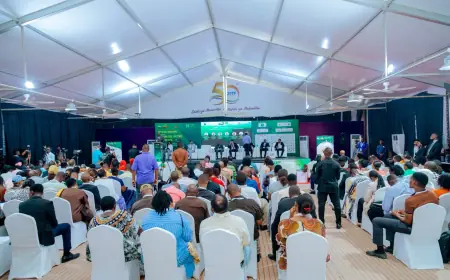
Commercial interest has accelerated following a regional stakeholders' forum hosted by the Regional Commissioner’s Office in August 2024.
International investors
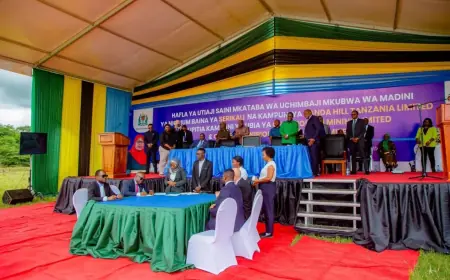
Ten major international and domestic investors formally expressed investment intent, with five already breaking ground on commercial operations targeting copper, titanium, emeralds, and thermal coal.
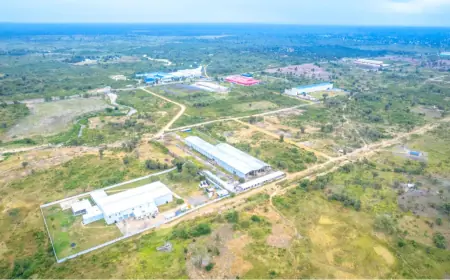
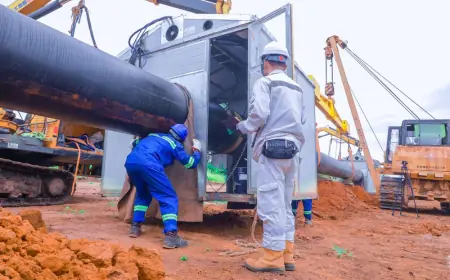
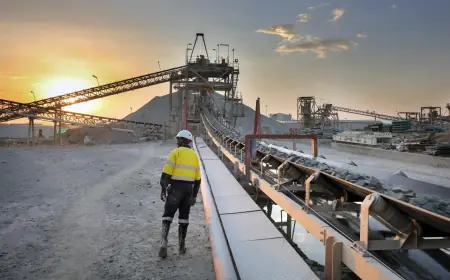
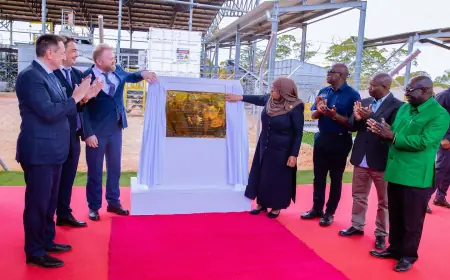
To further anchor downstream processing, regional planners are developing a major Copper Industrial Park in Nkasi District.
High-level negotiations are underway with Chinese industrial consortia following field visits that verified commercial-grade copper deposits spanning Rukwa and adjacent districts.
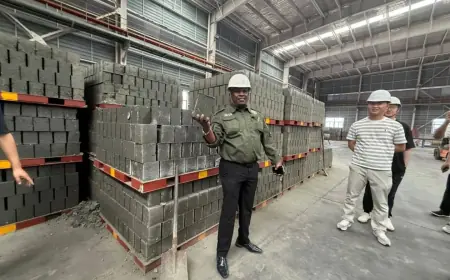
Rising domestic demand for construction materials, driven by Tanzania’s national infrastructure projects, is simultaneously creating opportunities for aggregate, gravel, and industrial stone processing facilities.
Government strategy remains focused on closing avenues for illicit mineral diversion through enhanced digital surveillance, strengthened border security, and direct integration between local mining groups and commercial banking institutions.
As regulatory frameworks stabilize and logistics links mature, Rukwa’s transition from an unmapped frontier to a regulated extractive hub offers a compelling model for resource-led development in East Africa.
What's Your Reaction?
 Like
0
Like
0
 Dislike
0
Dislike
0
 Love
0
Love
0
 Funny
0
Funny
0
 Angry
0
Angry
0
 Sad
0
Sad
0
 Wow
0
Wow
0