


































Dodoma emerges as new industrial hub as major investments pour in
The shift reflects a growing preference for proximity to national regulatory institutions, coupled with the strategic advantage of centrality, which significantly reduces nationwide distribution costs

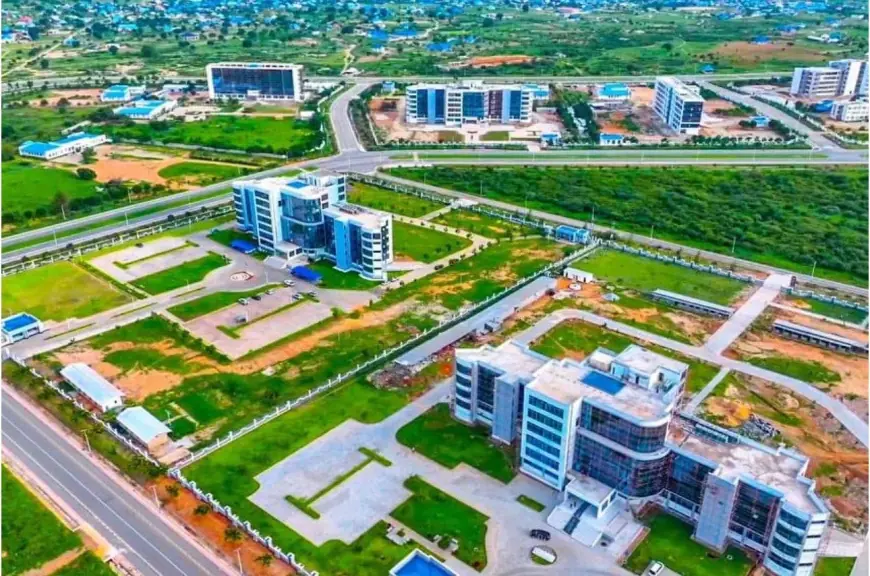
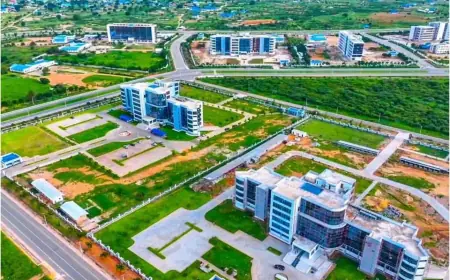
Dar es Salaam. Dodoma, Tanzania’s administrative capital, is undergoing a rapid transformation into a major industrial centre, as private sector manufacturers increasingly establishing operations to the city.
The shift reflects a growing preference for proximity to national regulatory institutions, coupled with the strategic advantage of centrality, which significantly reduces nationwide distribution costs.
Although coastal cities have traditionally dominated industrial development due to access to ports, emerging trends indicate a gradual rebalancing towards inland hubs.
Dodoma’s position at the heart of the country offers logistical efficiencies that are increasingly attractive to investors seeking to optimise supply chains across Tanzania and the wider East African region.
The development mirrors regional precedents such as Nairobi, which has leveraged its central position along key transport corridors to evolve into a dominant economic hub.
Connectivity
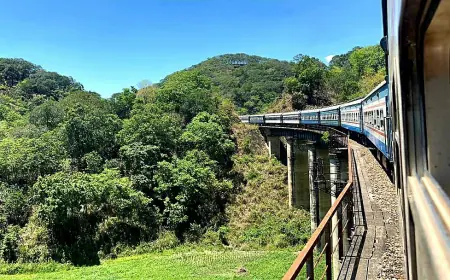
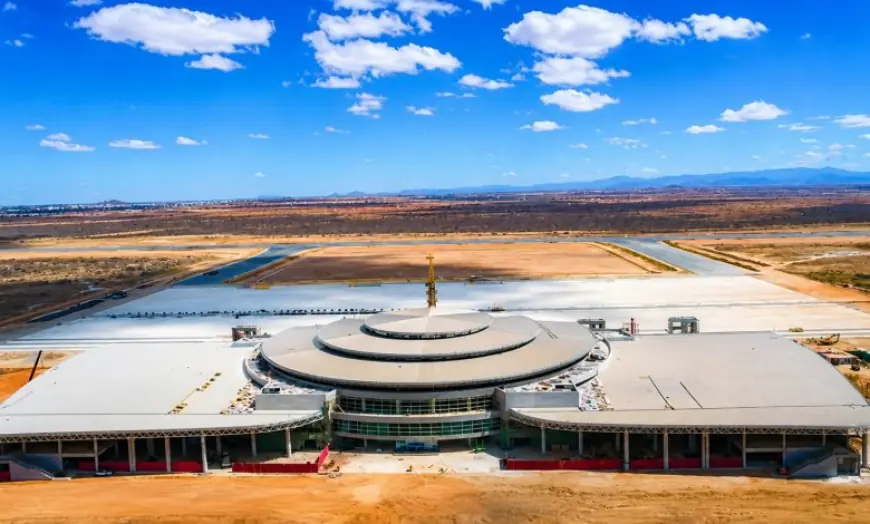
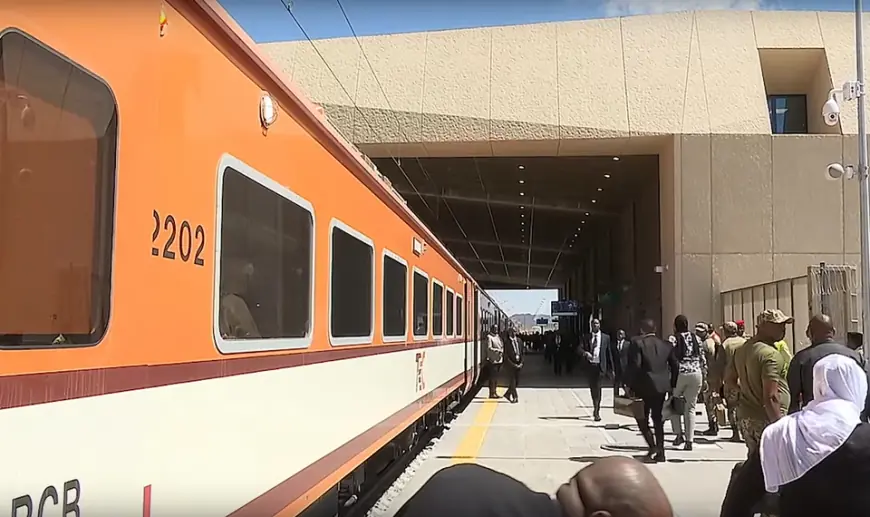
Dodoma is now following a similar trajectory, supported by major infrastructure investments including the Standard Gauge Railway and the ongoing expansion of Msalato International Airport.
These projects are expected to strengthen connectivity and enhance the city’s capacity to handle large-scale industrial activity.
To accommodate rising investor interest, the Tanzania Investment and Special Economic Zones Authority has allocated significant land for industrial development.
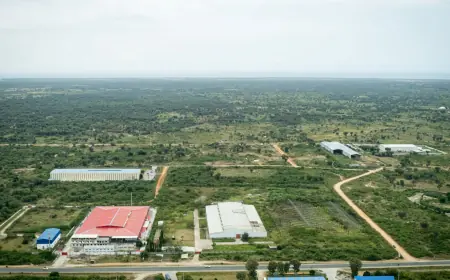
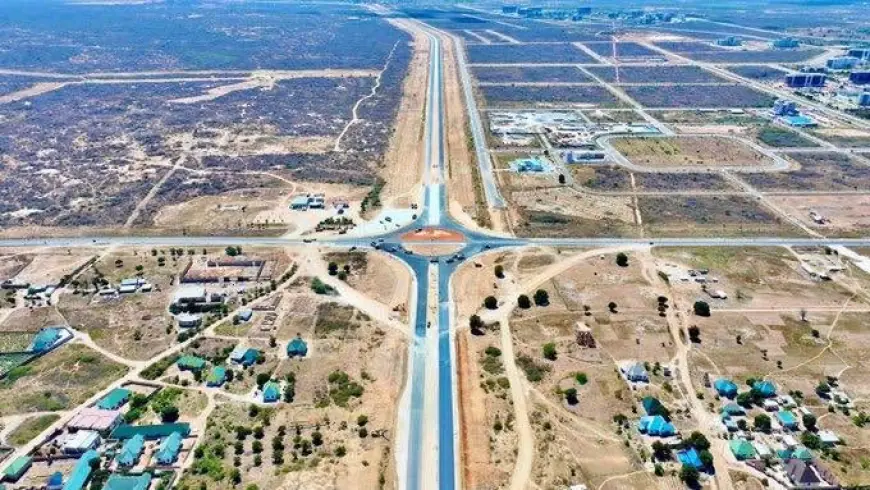
The 607-hectare Nala Special Economic Zone, located on the outskirts of Dodoma, has been designated as a key industrial hub.
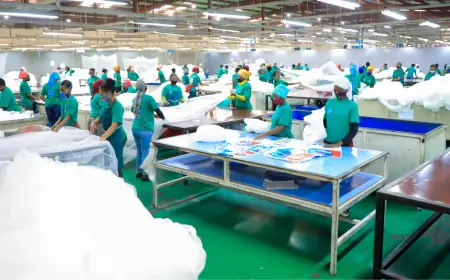
It is expected to host a wide range of industries, including pharmaceuticals, automotive assembly, textiles, leather processing, and agro-processing.
The zone forms part of a broader industrial strategy that includes the Sino-Tanzania Industrial Park network, which has identified Nala as a central node for more than 200 factories.
In parallel, the government has implemented regulatory reforms aimed at improving the business environment, including the removal of over 270 fees and charges to reduce operational costs and stimulate investment.
Industrial hub
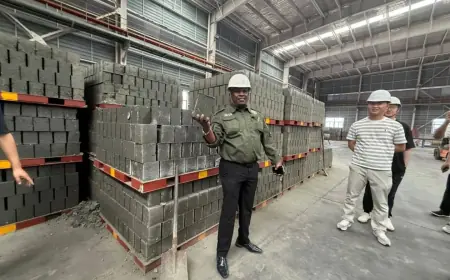
Several major industrial plants have already operationalised their facilities in the capital, shifting the region from a purely administrative zone to a manufacturing heavyweight.
ITRACOM Fertilizers Limited
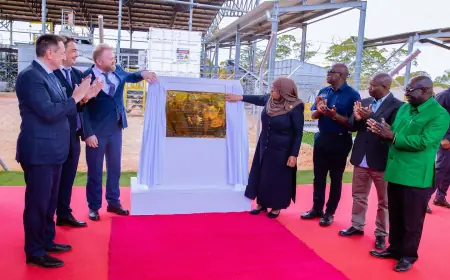
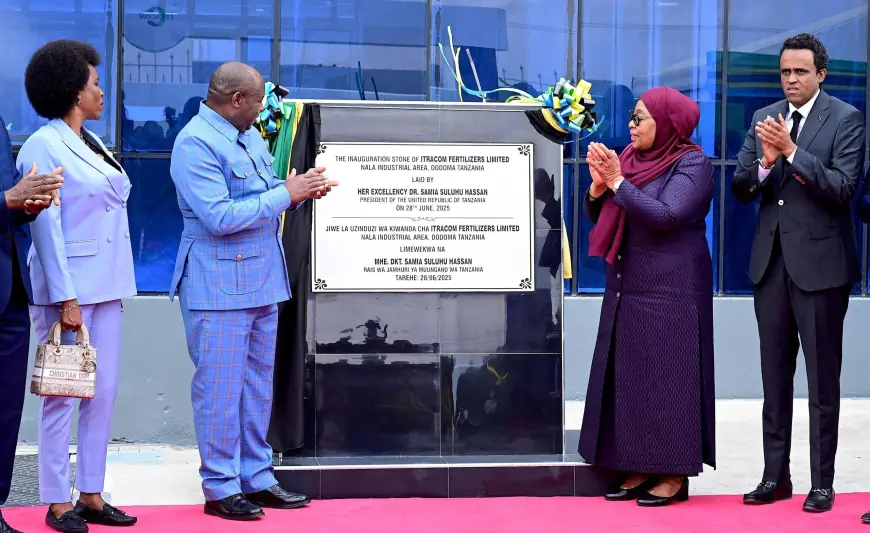
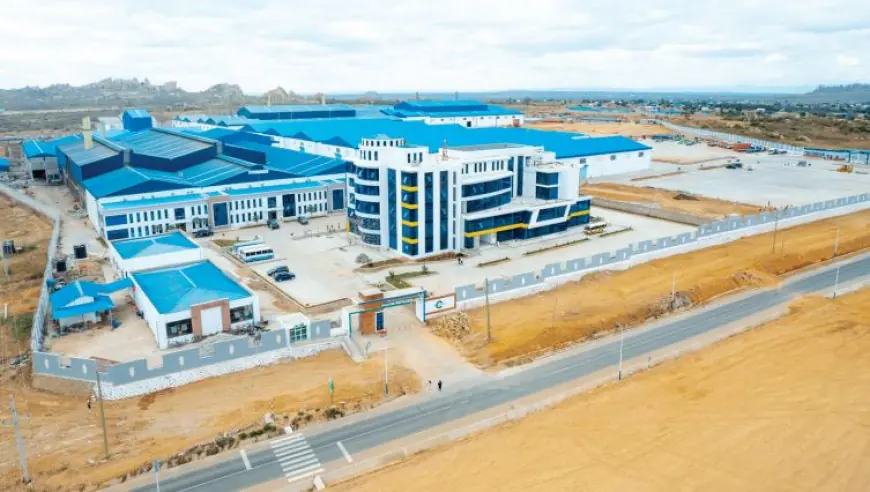
Dodoma is home to the major, state-of-the-art ITRACOM Fertilizers Limited (IFL) plant, officially launched by President Samia Suluhu Hassan in June 2025.
Located in the Nala Industrial Area, the facility stands as the largest of its kind in East and Central Africa. It produces over 1 million tonnes of FOMI organo-mineral fertilizers annually.
This massive output directly serves to boost local and regional crop yields while drastically reducing the nation's reliance on agricultural imports.
Cemex Ventures Limited
Operating in the Western Kizota Industrial Area, Cemex Ventures Limited has established a major presence in the fast-moving consumer goods sector.
The facility leverages Dodoma’s proximity to central agricultural zones to process premium edible sunflower oils.
Operating with a processing capacity of 50 metric tons of sunflower seeds per day, the factory refines 18,000 metric tons of oil annually.
The facility sources exclusively from local smallholder farmers, feeding directly into domestic and international export markets under its flagship consumer brand, Zeti.
Agro-processing
As the traditional heartland of Tanzanian viticulture, Dodoma hosts active commercial wineries such as 6 Vintners Winery and various local agro-processing mills.
These entities utilize the central rail and road networks to distribute processed agricultural goods to Dar es Salaam, Mwanza, and neighboring landlocked countries.
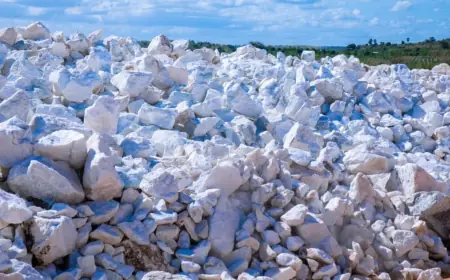
Nickel, copper processing plant
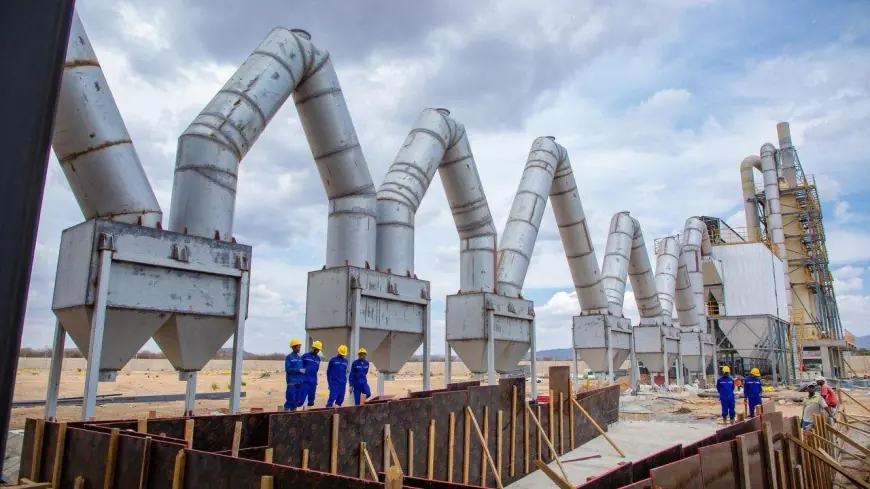
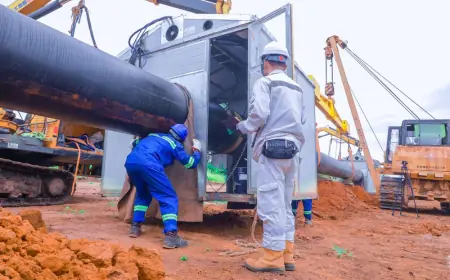
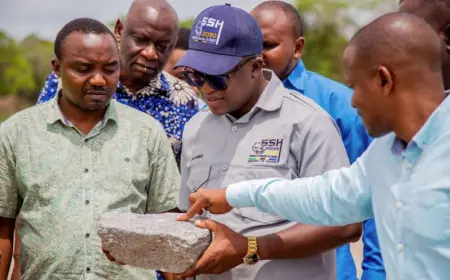
A nickel and copper processing plant is under construction in Bahi District, Dodoma.
Valued at S37 billion, the facility will have the capacity to process 300 tonnes of ore per day, creating a dependable market for small-scale miners while strengthening Tanzania’s push for domestic mineral value addition.
The project forms part of Tanzania’s broader industrialisation and minerals beneficiation strategy that is taking Dodoma’s position as the central of the country surrounded various mineral-rich regions.
Major steel investment set to anchor industrial growth
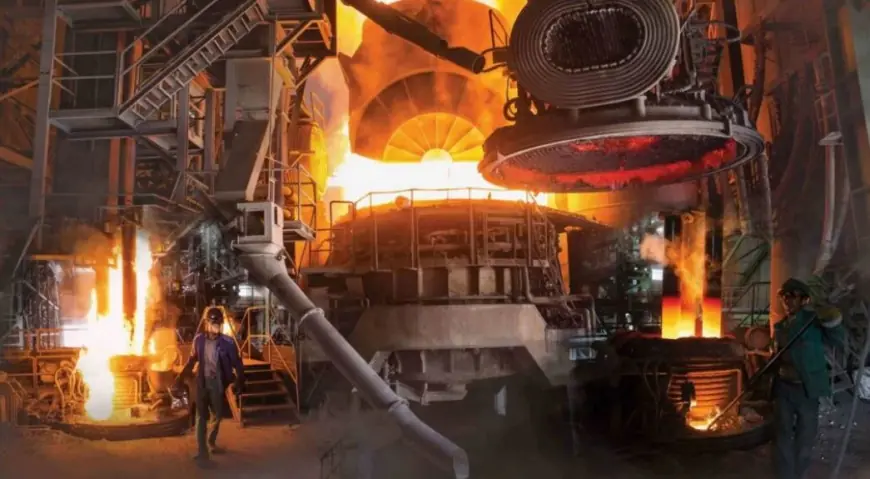
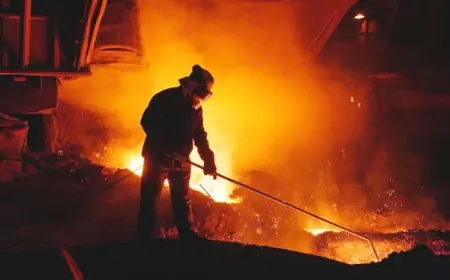
A significant milestone that will totally change Dodoma’s status in Tanzania’s industrial map is the construction of a large-scale iron and steel manufacturing plant in the Nala area.
The project, valued at more than Sh600 billion, is expected to become one of the region’s most important metallurgical developments.
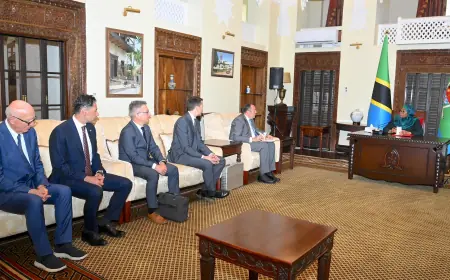
The investment was confirmed following discussions between the Minister for Minerals, Anthony Mavunde, and senior executives of A1 Iron & Steel Tanzania Ltd.
The project aligns with government policy aimed at increasing domestic value addition and reducing reliance on raw mineral exports.
Authorities have emphasised that the initiative supports broader national industrialisation goals under the Sixth Phase Government, which has been credited with improving investor confidence through policy stability and regulatory reforms.
Construction of the facility is expected to begin in July 2026, with completion projected within 15 months.
Once operational, the plant is expected to generate at least 1,500 direct jobs, in addition to creating indirect employment opportunities across transport, logistics, and service sectors.
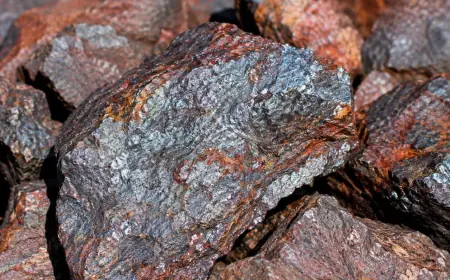
The plant will process locally sourced iron ore into finished construction materials, including corrugated iron sheets, binding wire, reinforcement mesh, and nails.
This is expected to reduce Tanzania’s dependence on imported steel products, which have traditionally contributed to higher construction costs.
According to A1 Iron & Steel Tanzania Ltd Managing Director Himanshu Tiwari, the facility will incorporate advanced blast furnace technology designed to integrate all stages of production, from raw ore processing to final product manufacturing.
This integrated system is expected to improve efficiency and enhance output quality.
What's Your Reaction?
 Like
0
Like
0
 Dislike
0
Dislike
0
 Love
0
Love
0
 Funny
0
Funny
0
 Angry
0
Angry
0
 Sad
0
Sad
0
 Wow
0
Wow
0