




























































Tanzania eyes regional energy hub status after launch of mega hydropower plant
Tanzania has commissioned the Julius Nyerere Hydropower Plant, raising generation capacity to 4,646 megawatts. With national peak demand at 2,271 megawatts, the resulting 2,375-megawatt surplus will be exported across East and Central Africa to generate commercial revenue.

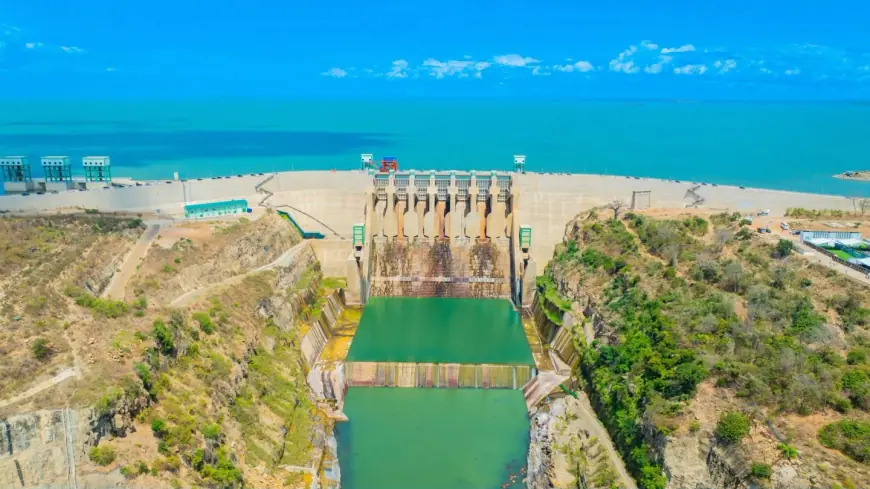
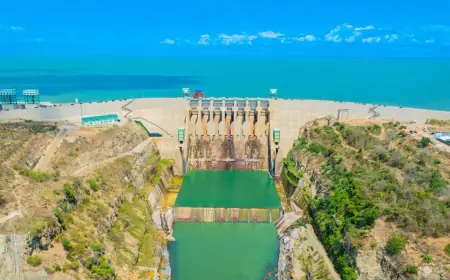
Dar es Salaam. Tanzania has taken a decisive step towards becoming a primary electricity exporter in East and Central Africa, following the formal commissioning of the Julius Nyerere Hydropower Plant (JNHPP).
The landmark infrastructure project has pushed the nation's total installed generation capacity to 4,646 megawatts, creating a substantial reserve above current national demand.
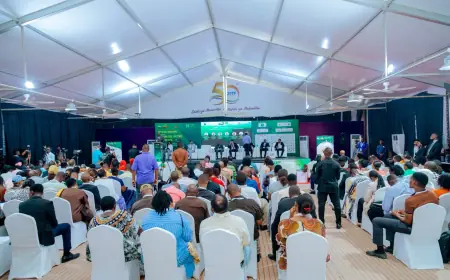
Speaking at the inauguration ceremony in Rufiji District, the Minister for Energy, Deogratius Ndejembi, confirmed that national peak power demand currently stands at 2,271 megawatts.
With total generation capacity almost doubling that figure, the country now operates with an estimated surplus of 2,375 megawatts.
The government strategy is rapidly pivoting to convert this excess capacity into commercial revenue through expanded cross-border electricity sales and deeper integration into regional power pools.
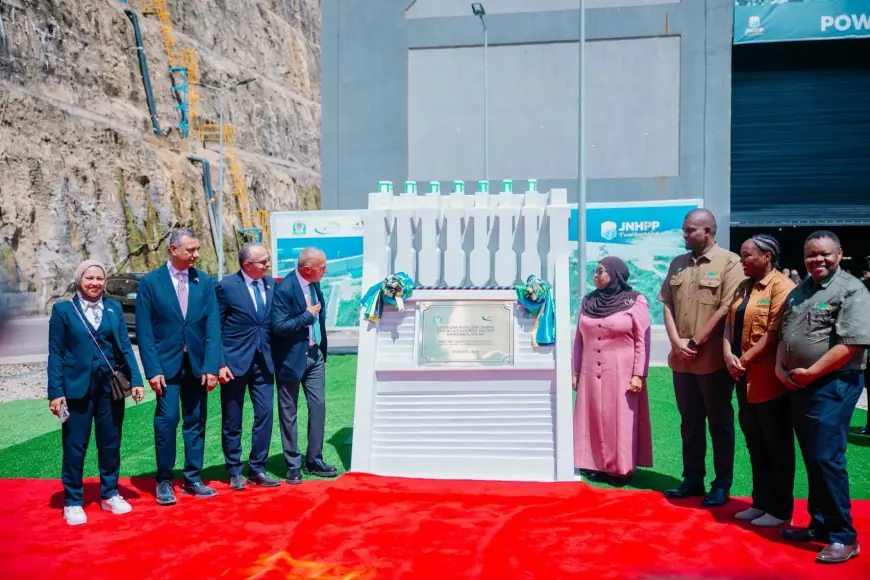
Initial power-sharing dynamics are already taking shape.
Tanzania has secured a commercial agreement to export power to Zambia, alongside a reciprocal trade arrangement with Kenya allowing both nations to exchange electricity based on immediate grid requirements.
Active bilateral negotiations are ongoing with several other neighbouring states to establish similar trade corridors.
The transformation highlights a fundamental strategic pivot for the East African nation.
For decades, state energy policy focused almost exclusively on resolving persistent domestic deficits and keeping pace with rising demand from industrial, commercial, and residential sectors.
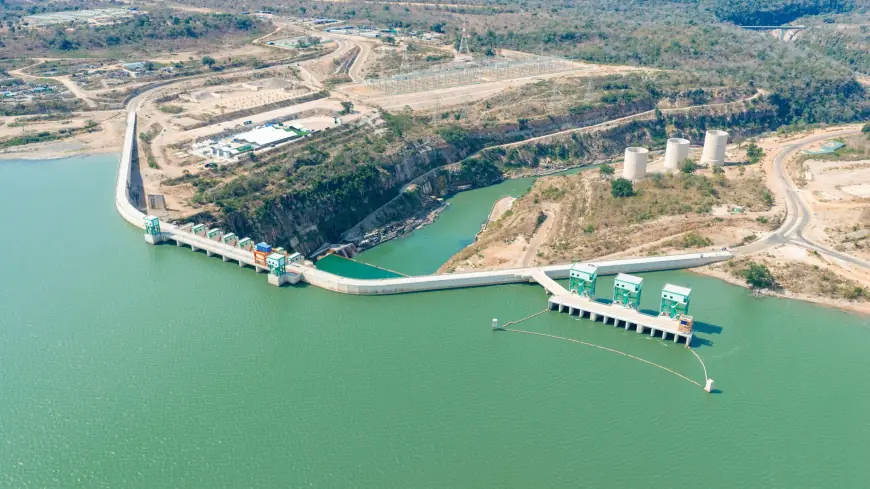
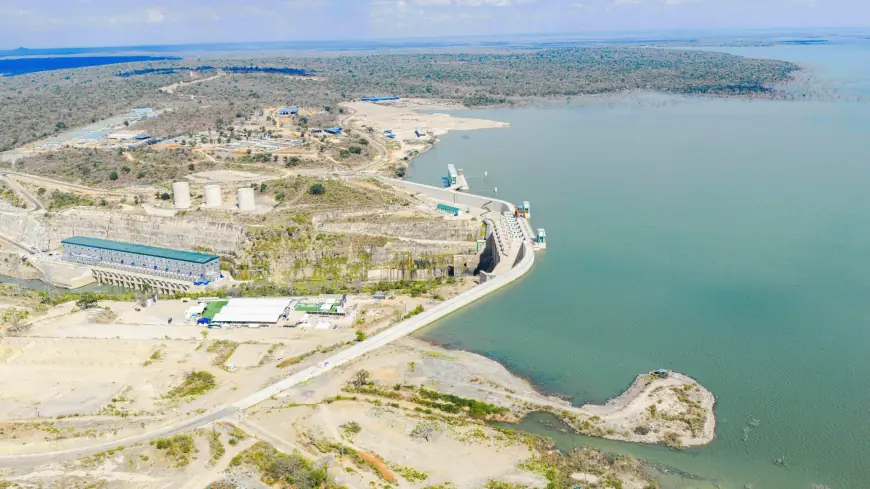
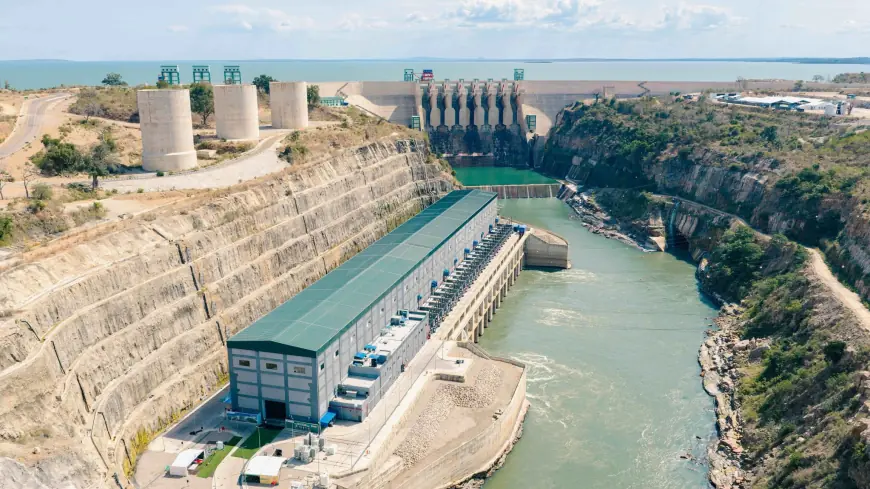
The newly commissioned 2,115-megawatt JNHPP, built along the Rufiji River, single-handedly accounts for nearly half of the power currently dispatched to the national grid through its nine 236-megawatt turbine units.
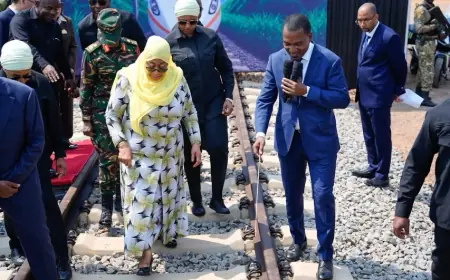
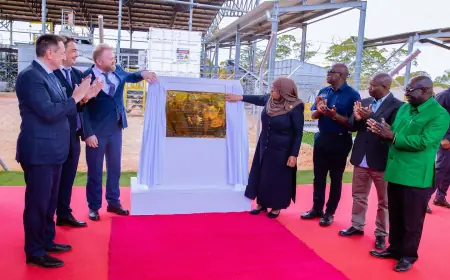
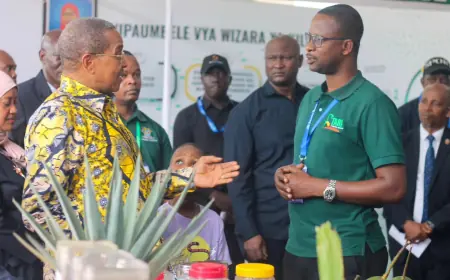
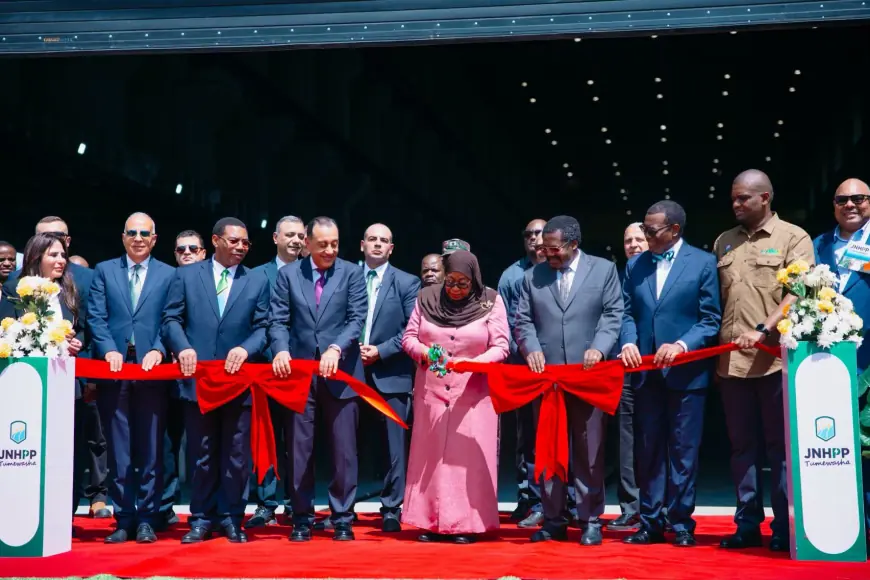
Officially opening the plant, President Samia Suluhu Hassan emphasised that the expanded energy reserve must deliver tangible structural advantages across key sectors, including manufacturing, mining, commercial agriculture, and public infrastructure.
She framed the project as proof of the country's execution capabilities, urging citizens to safeguard national stability to protect strategic assets and maintain long-term developmental momentum.
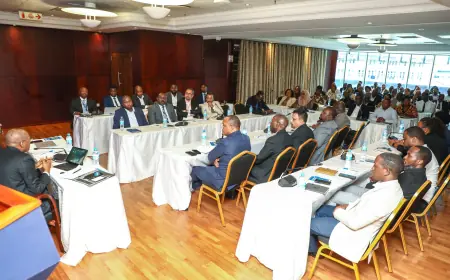
Addressing delegates, Mr Ndejembi noted that generation capacity alone cannot secure economic returns without a corresponding expansion in transmission infrastructure.
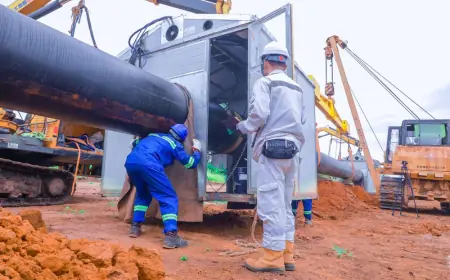
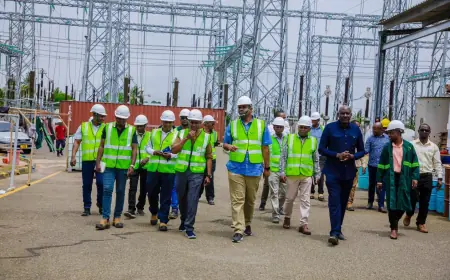
To avoid bottlenecks between power generation sites and major industrial consumption zones, the government is executing extensive high-voltage grid upgrades across the country.
The recent energisation of the 400-kilovolt Chalinze-Dodoma transmission line has already produced measurable results.
Within three days of its activation, peak national electricity consumption surged from 2,130 megawatts to 2,280 megawatts, demonstrating how modernised grid links immediately unlock latent demand and allow the system to absorb greater volume.
Further transmission links are under active development.
Work is advancing on the Chalinze-Mkuranga-Kinyerezi line to supply industrial zones along the Coast Region.
Meanwhile, the 617-kilometre Iringa-Mbeya-Tunduma/Sumbawanga corridor (TAZA), currently standing at approximately 98 percent completion, will soon link the Rukwa region to the primary grid and reinforce power stability across the Southern Highlands.
Progress also continues on the Songea-Tunduru-Masasi-Mahumbika link to bolster supply across Lindi and Mtwara.
The project has drawn significant international attention.
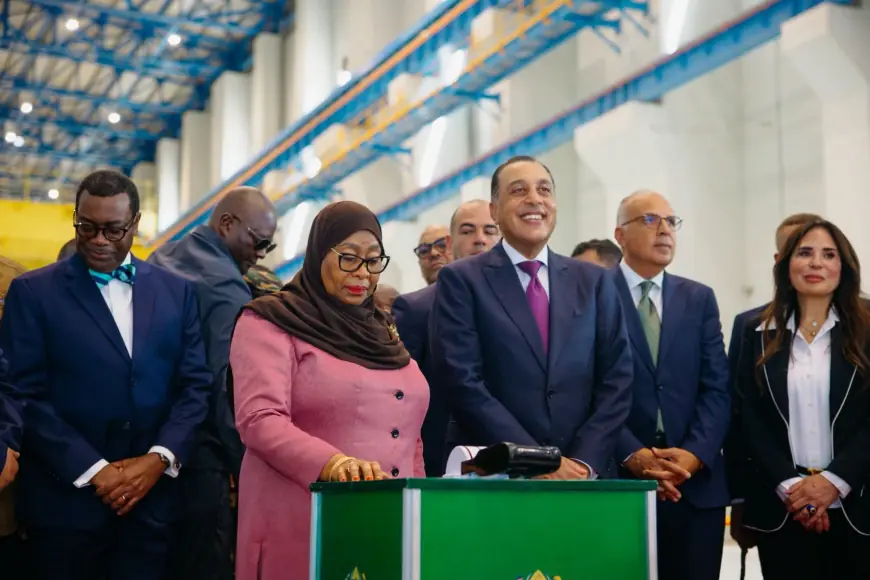
Former African Development Bank Group President Dr Akinwumi Adesina observed that the project positions Tanzania as a central energy hub for East and Central Africa, stressing that consistent power will be indispensable for local mineral processing, industrial manufacturing, and job creation.
Egyptian Prime Minister, Mostafa Madbouly, whose country's engineering firms played a key role in construction, highlighted the dam as a model for intra-African engineering collaboration and bilateral trade expansion.
First conceptualised under founding President Mwalimu Julius Nyerere and formally moved into construction in 2019 under the late President John Pombe Magufuli, the total investment for the JNHPP reached 7.452 trillion Tanzanian shillings.
The facility features nine generating units, 27 step-up transformers, and a 400-kilovolt switchyard.
While the completion of the dam marks a historic achievement, Tanzania's long-term success as an energy exporter will ultimately depend on completing regional transmission corridors, cultivating robust domestic industrial demand, and maintaining reliable long-term off-take agreements across international borders.
What's Your Reaction?
 Like
0
Like
0
 Dislike
0
Dislike
0
 Love
0
Love
0
 Funny
0
Funny
0
 Angry
0
Angry
0
 Sad
0
Sad
0
 Wow
0
Wow
0