
















Tanzania deploys football diplomacy to boost tourism, validate AFCON 2027 preparations
Tanzania’s use of high-profile football figures reflects an evolving model of state engagement with global audiences

Dar es Salaam. The government has intensified its sports-driven economic diplomacy, deploying internationally renowned football figures as part of a broader strategy to promote tourism, strengthen investor confidence and underline national preparedness for the Africa Cup of Nations (AFCON 2027), which the country will co-host alongside Kenya and Uganda under the Pamoja (Together) framework.
The approach reflects a growing global practice in which sport, celebrity influence and state branding converge to advance economic and geopolitical objectives.
In Tanzania’s case, football has become a central instrument of what policymakers describe as “soft power mobilisation”, linking infrastructure development, tourism marketing and international visibility.
High-profile visits signal coordinated strategy
Former Manchester United and England defender Rio Ferdinand arrived in Dar es Salaam on May 19, 2026 for a four-day visit that included tourism showcases, infrastructure inspections and investment briefings.
His visit followed closely on the heels of Côte d’Ivoire and Chelsea legend Didier Drogba, who toured the country less than two weeks earlier.
The sequencing of the two visits has been widely interpreted as part of a deliberate government-orchestrated campaign led by the ministry responsible for Information, Culture, Arts and Sports, designed to align entertainment influence with national development messaging.
Officials argue that such engagements go beyond ceremonial appearances.
They are structured to generate global media attention, stimulate tourism interest and position Tanzania as a credible host of large-scale international sporting events.
Football as an engine of global visibility
Tanzania’s strategy is anchored in the expanding power of digital influence.
Figures such as Ferdinand command multi-million global followings across social media platforms, enabling the country to project its tourism assets to audiences far beyond traditional marketing channels.
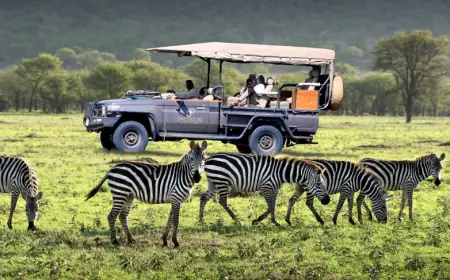
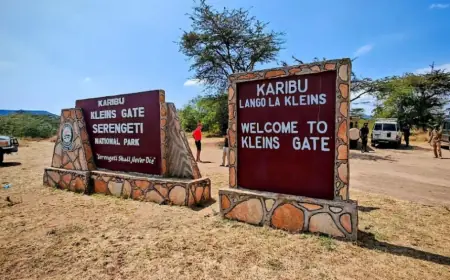
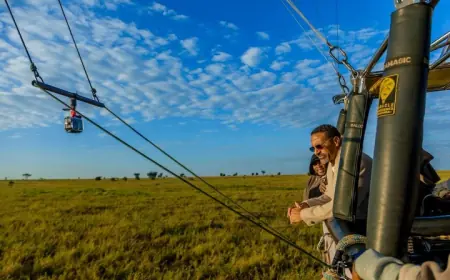
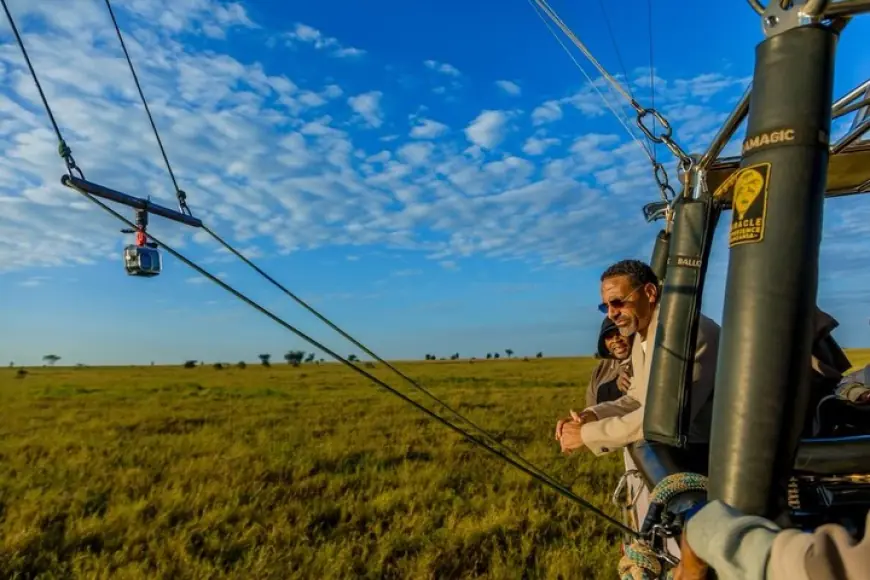
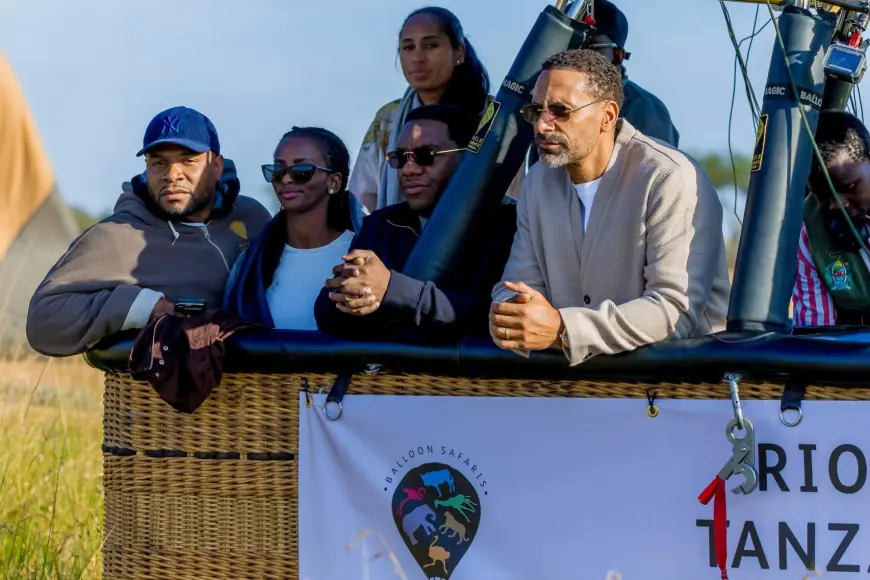
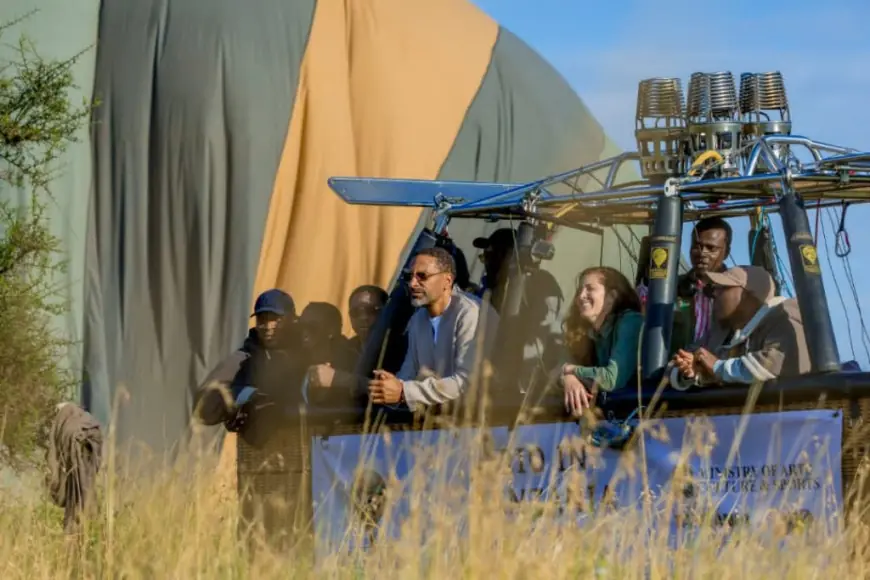
During his stay, Ferdinand embarked on a hot-air balloon safari over the Serengeti National Park, witnessing the annual Great Wildebeest Migration, one of the most widely documented wildlife spectacles in the world.
He also visited predator-rich zones within the ecosystem, where Tanzania’s conservation authorities estimate the presence of a substantial lion population, often cited among the largest in Africa.
The country’s wildlife estate remains central to its tourism economy, which continues to rely heavily on national parks, coastal attractions and cultural heritage sites.
Policymakers have increasingly sought to integrate sports celebrity endorsements into tourism branding, arguing that experiential storytelling by global figures can convert online engagement into visitor arrivals.
This approach is consistent with broader international tourism trends, where destinations leverage influencer-led marketing to reach younger, digitally connected travellers.
Infrastructure showcase and AFCON readiness narrative
Beyond tourism, Ferdinand’s itinerary was designed to highlight Tanzania’s infrastructure transformation and its readiness to co-host the continental tournament.
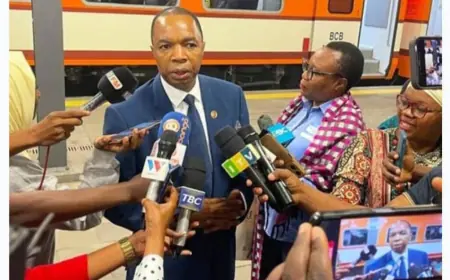
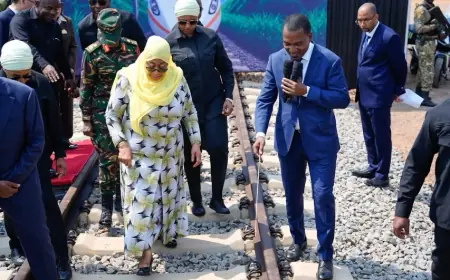
His journey included travel from Dar es Salaam to Dodoma via the Standard Gauge Railway, a flagship transport project intended to modernise freight and passenger movement across the country.
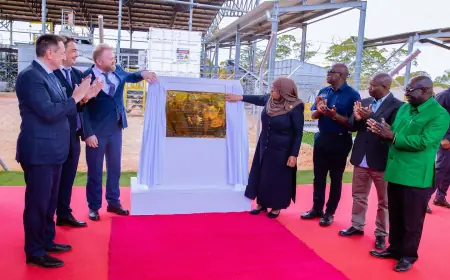
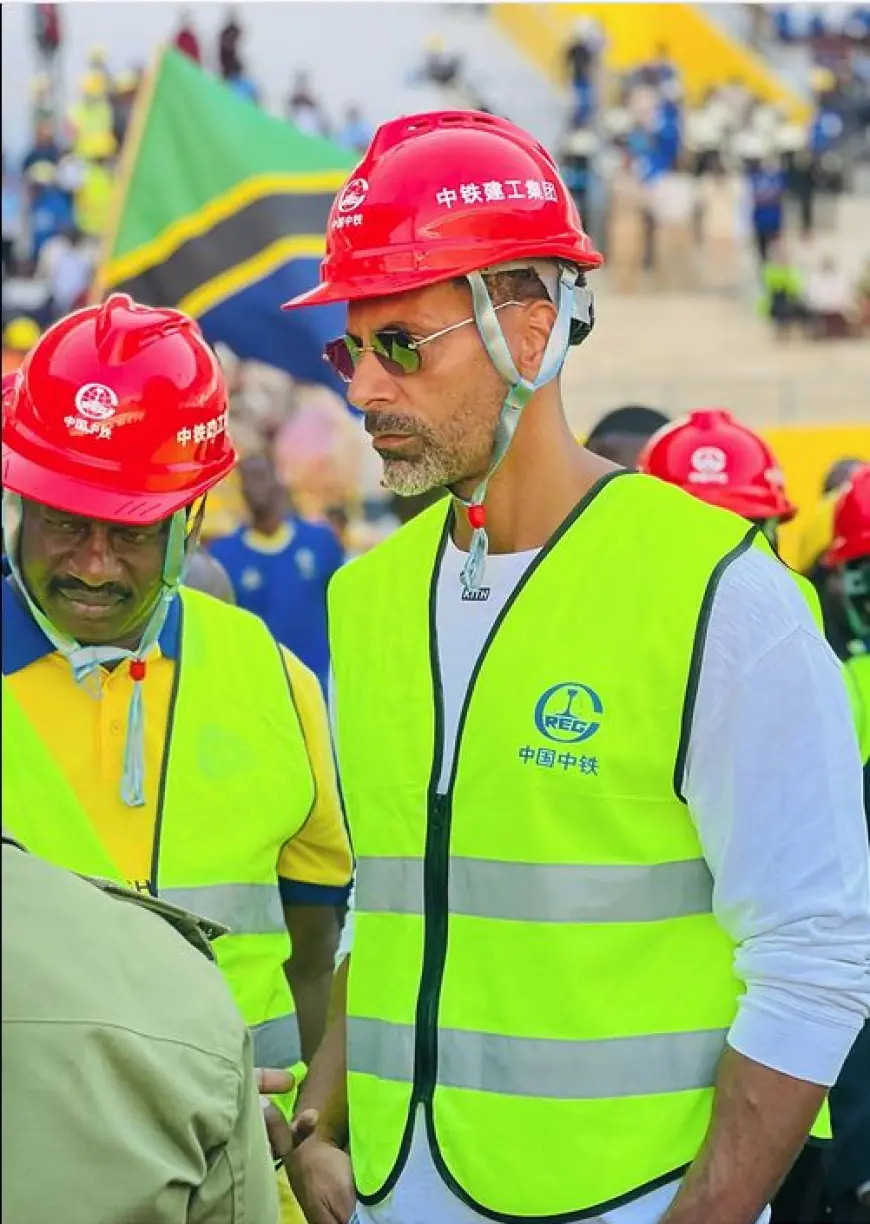
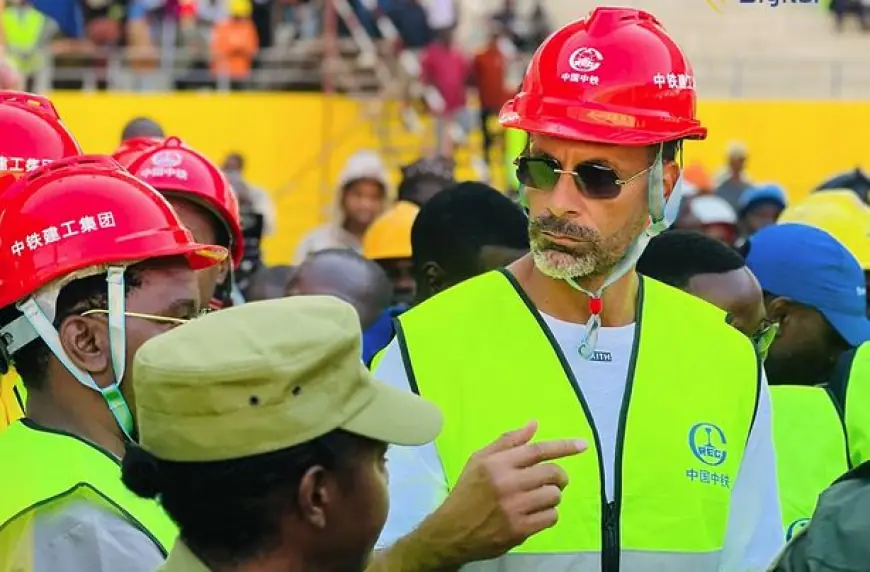
He also paid a courtesy visit to government institutions in Dodoma, the national capital, before scheduled inspections of sports infrastructure projects, including the Arusha Afcon2026 stadium that is currently under construction in Arusha that he visited on May 21, 2026.
The government has positioned such developments as critical pillars of AFCON preparedness.
Stadium construction, road connectivity, hospitality expansion and security coordination are being advanced as interconnected components of a continental event expected to attract significant international attention.
Within this framework, Tanzania aims not only to host matches but also to demonstrate logistical competence on par with global tournament standards.
Domestic football culture enters global spotlight
During his visit, Ferdinand also engaged with Tanzania’s domestic football culture, reflecting growing international curiosity about East African leagues.
He reportedly praised a goal scored during the fiercely contested Kariakoo Derby, featuring Simba SC and their traditional rivals.
The goal, scored by Clatous Chama, was informally referenced in discussions as a candidate-worthy strike for global recognition, underscoring the increasing visibility of Tanzanian football beyond its domestic audience.
The Kariakoo Derby itself remains one of the most followed sporting fixtures in East Africa, drawing large stadium crowds and significant broadcast attention.
Its inclusion in the narrative of international sports diplomacy reflects an effort to elevate domestic competitions into globally marketable assets.
Investment diplomacy and economic positioning
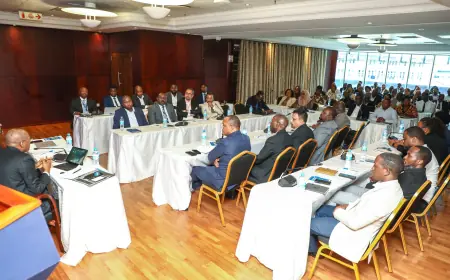
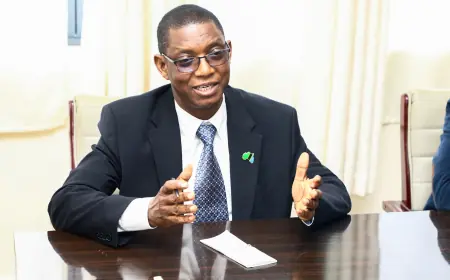
Alongside sporting engagements, Ferdinand participated in structured briefings involving the Tanzania Investment Centre and related economic development agencies, including special economic zone authorities.
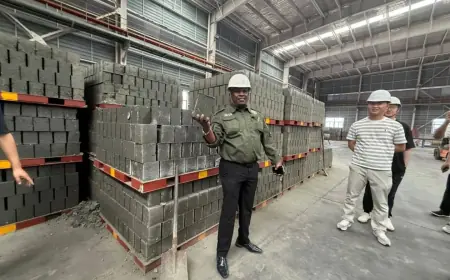
These sessions highlighted opportunities across tourism, infrastructure, manufacturing and extractive industries.
Officials emphasised Tanzania’s ambition to use AFCON 2027 as a platform to attract long-term investment rather than short-term event-driven spending.
A central message conveyed during the engagements was the integration of sport with broader national development planning.
The government’s approach seeks to convert international attention into measurable economic outcomes, including increased foreign direct investment, expansion of hospitality infrastructure and growth in transport and logistics sectors.
Multi-sectoral development strategy
The strategy underpinning these diplomatic engagements can be summarised as a convergence of four principal pillars:
Tourism promotion remains a core objective, with AFCON 2027 expected to significantly boost visitor arrivals and international media exposure. Infrastructure development is being advanced through flagship projects such as modern rail networks, urban road upgrades and stadium construction, aimed at enhancing both tournament readiness and long-term economic efficiency.
Youth and sports development form another pillar, with government-led programmes seeking to strengthen grassroots football academies and identify emerging talent. These initiatives are intended to ensure that the visibility generated by international events translates into sustained domestic sporting growth.
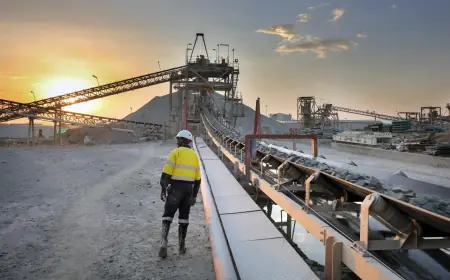
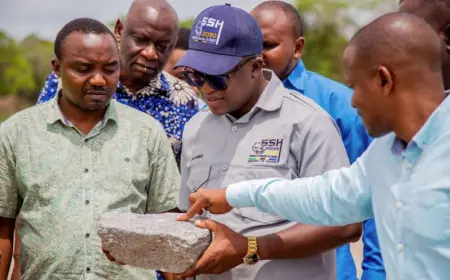
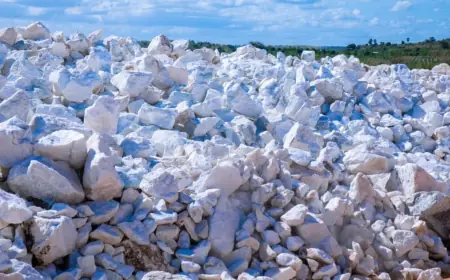
Finally, investment and industrial promotion are being integrated into sporting diplomacy platforms, where visiting sports personalities are introduced to Tanzania’s Special Economic Zones and mineral resource base as part of broader investment outreach.
Football diplomacy as statecraft
Tanzania’s use of high-profile football figures reflects an evolving model of state engagement with global audiences.
By embedding celebrities such as Rio Ferdinand and Didier Drogba into national promotional campaigns, the government is attempting to merge cultural influence with economic messaging.
This approach aligns with broader African and global trends in which sport is increasingly deployed as an instrument of diplomacy, nation branding and investment attraction.
With preparations for AFCON 2027 accelerating, Tanzania is positioning itself not merely as a host nation, but as an emerging hub where sport, tourism and infrastructure development intersect.
The overarching objective, according to officials, is to ensure that the tournament leaves a legacy extending beyond stadiums and fixtures, shaping long-term perceptions of Tanzania as a competitive destination for tourism, investment and international sporting events.
What's Your Reaction?
 Like
0
Like
0
 Dislike
0
Dislike
0
 Love
0
Love
0
 Funny
0
Funny
0
 Angry
0
Angry
0
 Sad
0
Sad
0
 Wow
0
Wow
0