



































































TanTrade pushes market-led approach to agriculture
Tanzania’s exports currently stand at about $10 billion a year, but the country has the potential to more than double that figure to above $20 billion if agriculture, livestock and agro-processing are placed at the centre of export expansion, Tanzania Trade Development Authority (TanTrade) Director General Ephraim Balozi Mafuru says


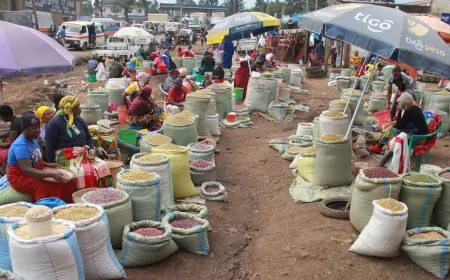
Dar es Salaam. Tanzania must move beyond its abundant agricultural potential and organise production around markets, financing, standards and buyers if the sector is to make a greater contribution to exports and economic growth, Tanzania Trade Development Authority (TanTrade) Director General Ephraim Balozi Mafuru has said.
Mr Mafuru said the country had the land, livestock, fisheries and favourable climatic conditions required to become a major agricultural producer, but potential alone could not translate into food security, commercial production or export earnings.
“Potential on its own has never fed a nation or filled a container for export. Potential must be organised, financed, standardised and connected to a buyer,” he said.
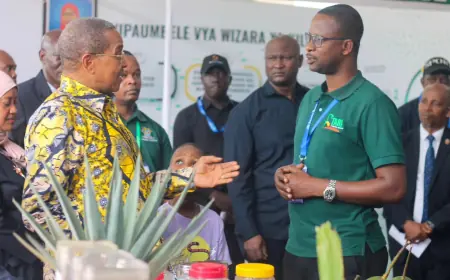
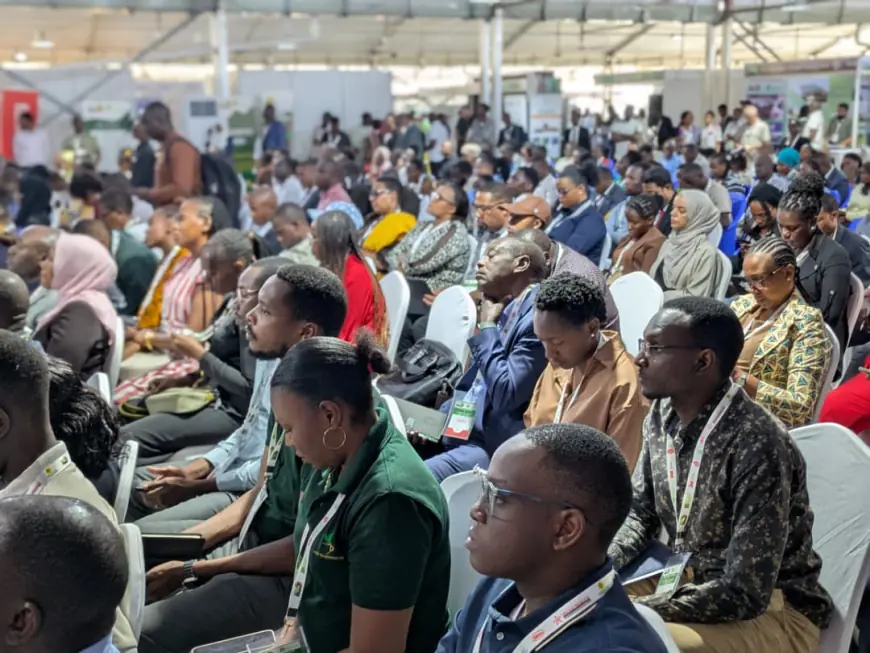
He was speaking in Dar es Salaam during the 10th Africa Agri Expo, held concurrently with the 3rd Future Food, Livestock & Poultry Expo from September 2 to 3.
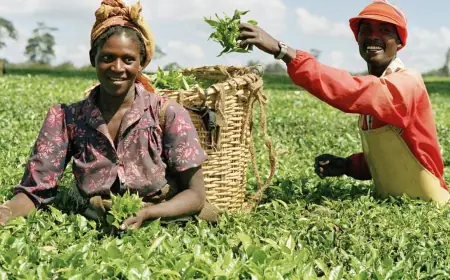
Mr Mafuru said Tanzania was strategically positioned to benefit from the expanding African food and agriculture market, noting that the country had more than 44 million hectares of arable land, of which only a fraction was currently under cultivation.
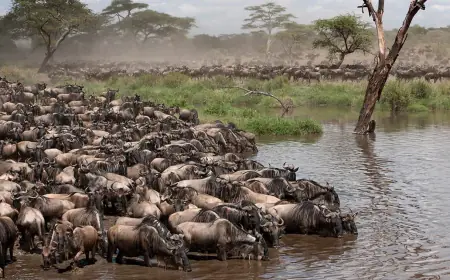
He also cited Tanzania’s substantial livestock herds, extensive coastline and inland waters, as well as climatic conditions suitable for producing cereals, pulses, horticultural crops, spices, dairy and poultry products.

According to Mr Mafuru, Tanzania’s exports currently stand at about $10 billion a year, but the country has the potential to more than double that figure to above $20 billion if agriculture, livestock and agro-processing are placed at the centre of export expansion.
He said achieving that ambition would require stronger partnerships between producers, investors, government institutions and markets.
Mr Mafuru said TanTrade’s role was to serve as a bridge between Tanzanian producers and domestic, regional and international markets.
The authority, he said, was focusing on five areas: providing market intelligence, preparing businesses for exports, promoting trade fairs and exhibitions, developing digital trade infrastructure and strengthening the “Made in Tanzania” brand.
Market intelligence was particularly important because producers needed to understand where demand existed, the quality standards required, realistic prices and the volumes that buyers were seeking.
“Producers stop producing blind and start producing for a named buyer,” Mr Mafuru said in outlining the importance of market information.
He said export readiness was equally important as businesses seeking international markets had to meet requirements relating to certification, packaging, traceability and food safety.
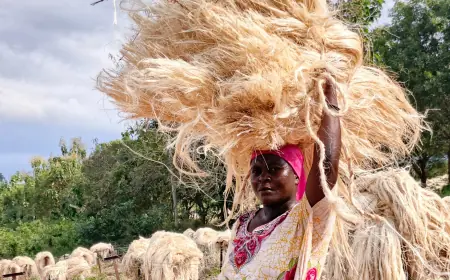
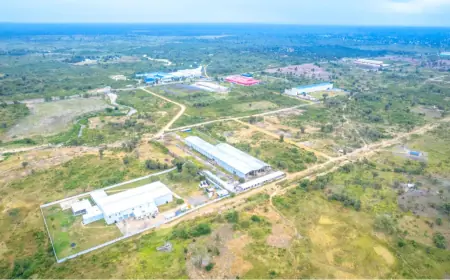
Mr Mafuru also identified value addition and agro-processing as among the areas with the greatest potential to increase the value generated from agriculture.
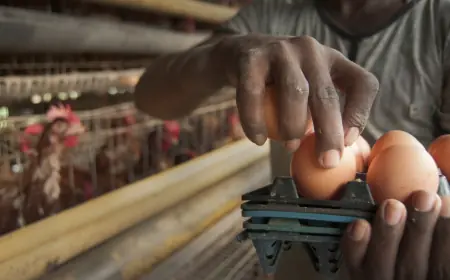
He cited dairy, meat and poultry processing, edible oils, animal feed and horticultural packaging, saying such activities could generate significantly greater value per hectare of land or per animal than exporting raw commodities.
Livestock and livestock products also presented a major opportunity, given Tanzania’s herd size and grazing capacity, he said.

“There is room to grow substantially” in markets for meat, hides, skins and dairy products, according to the TanTrade chief.
Technology, he added, would be essential to unlocking these opportunities. Sensors, traceability systems, breeding technologies and cold-storage facilities could help reduce post-harvest losses while enabling producers to meet the consistent quality demanded by premium export markets.
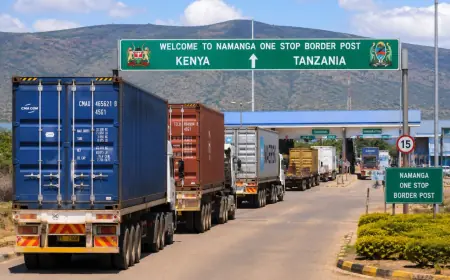
Mr Mafuru also pointed to the opportunities created by the African Continental Free Trade Area and the East African Community, which give African producers access to a combined market of more than a billion consumers, provided they comply with rules of origin and quality requirements.
However, he cautioned that several obstacles continued to limit the ability of African producers to take advantage of these markets.
Among the challenges he identified were inadequate market information, non-tariff barriers, inconsistent standards, limited access to affordable trade finance and post-harvest losses, particularly in horticultural and livestock products.
“These quietly erode margins that should belong to our farmers,” he said.
Mr Mafuru said TanTrade was responding to these challenges through evidence-based advocacy for regulatory reforms, expanded market research services and closer collaboration with regional trade bodies and development partners.
He said the government had also reaffirmed TanTrade’s mandate to strengthen national trade promotion and modernise commercial exhibitions so that they generated actual business opportunities rather than merely attracting large numbers of visitors.
The authority, he added, was ready to work with investors and technology providers interested in agro-processing, cold-chain logistics, breeding technology and digital agriculture.
Mr Mafuru also called for greater regional cooperation to harmonise standards and simplify border procedures, arguing that agricultural products should be able to move more easily between African countries.
He said such reforms would be critical if African countries were to build stronger regional value chains and take advantage of growing demand for food and agricultural products.
The TanTrade chief further urged exhibitors and producers participating in the expo to engage with the authority to understand the markets suited to their products, the standards they needed to meet and the buyers they should target.
He also called on policymakers to maintain efforts to facilitate cross-border trade, while encouraging youth and women entrepreneurs to participate more actively in the emerging agri-food economy.
Mr Mafuru said Tanzania’s agricultural transformation should ultimately be judged by its ability to connect producers to markets and turn agricultural output into commercially viable products and exports.
“The land is here. The livestock is here. The innovation is on display in this very hall,” he said, adding that what remained was the work of connecting those resources to markets.
“That is the work TanTrade commits to doing, together with every partner in this room.”
What's Your Reaction?
 Like
0
Like
0
 Dislike
0
Dislike
0
 Love
0
Love
0
 Funny
0
Funny
0
 Angry
0
Angry
0
 Sad
0
Sad
0
 Wow
0
Wow
0