


























Tanzania looks abroad to unlock value in electronic waste
The approach could give Tanzania a practical way to deal with increasing volumes of discarded phones, batteries, computers, industrial equipment and other electronic products while recovering gold, silver, palladium, platinum and other critical materials contained in the waste

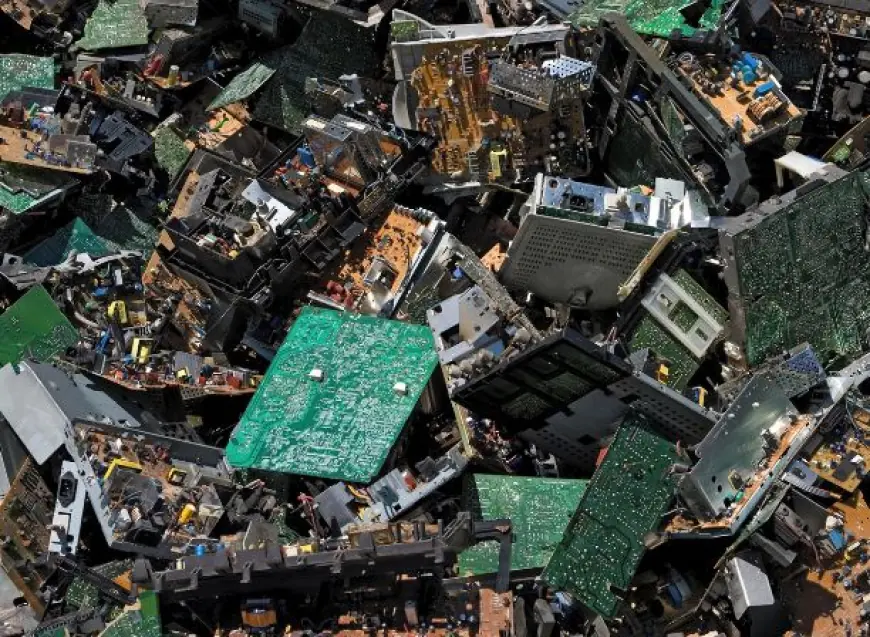
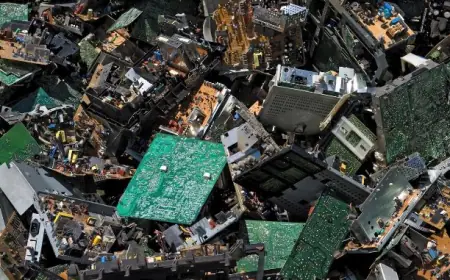
Antwerp, Belgium. Tanzania has identified a potential solution to one of the biggest obstacles in its efforts to tackle the growing electronic waste crisis: sending collected and properly prepared e-waste to specialised international facilities capable of recovering valuable metals that cannot yet be processed at scale in the country.
The approach could give Tanzania a practical way to deal with increasing volumes of discarded phones, batteries, computers, industrial equipment and other electronic products while recovering gold, silver, palladium, platinum and other critical materials contained in the waste.
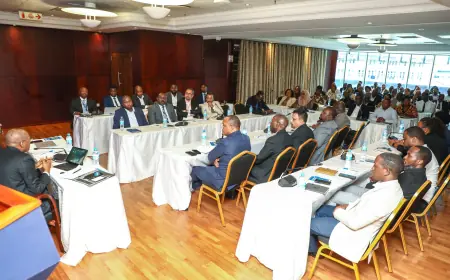
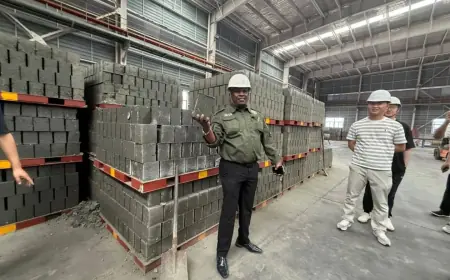
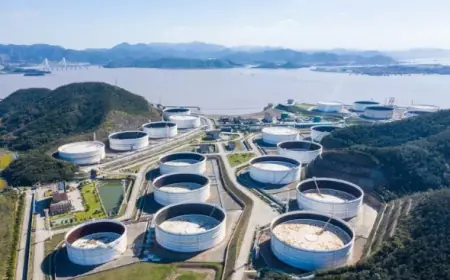
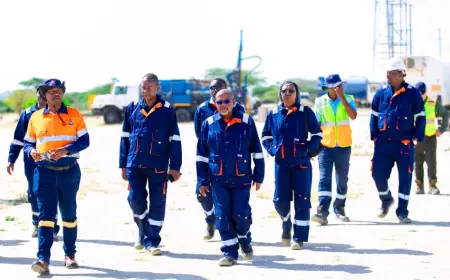
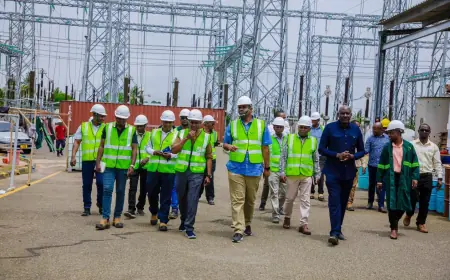
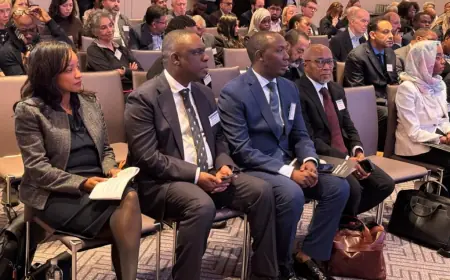
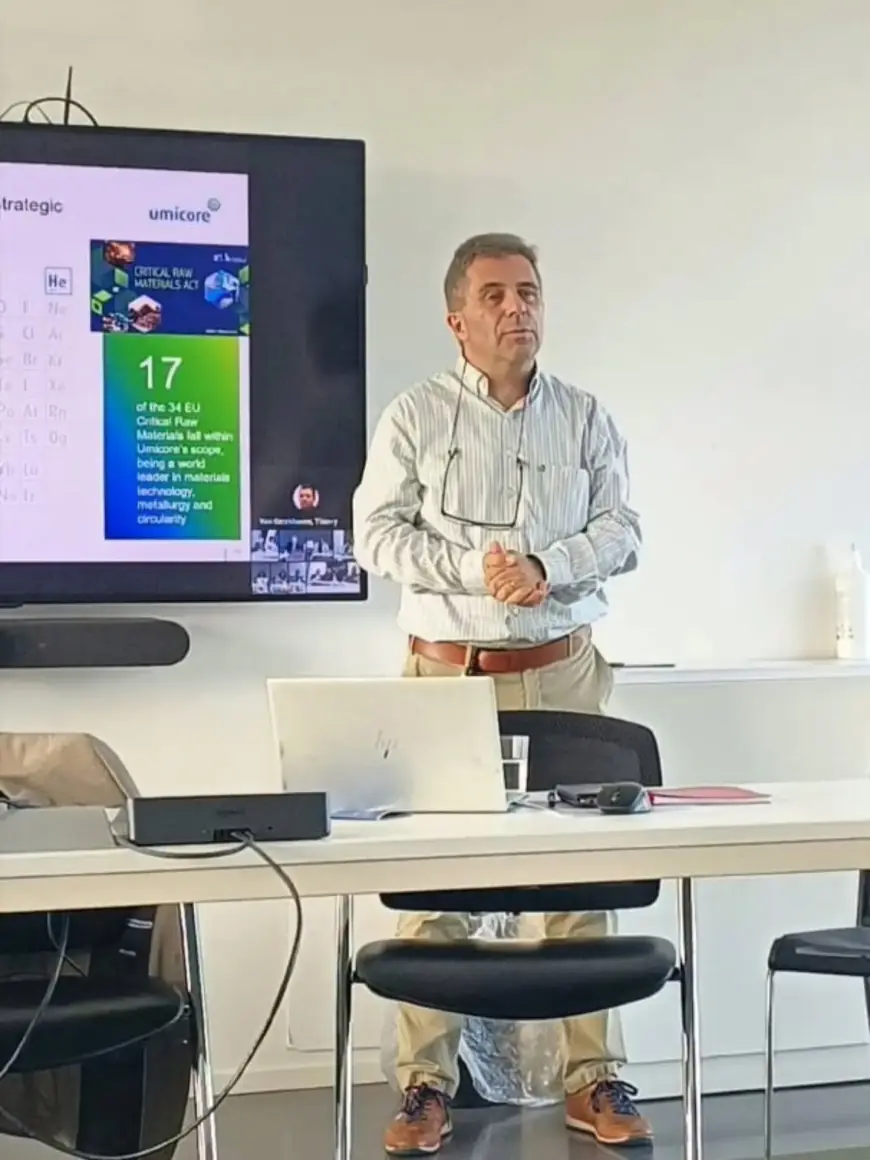
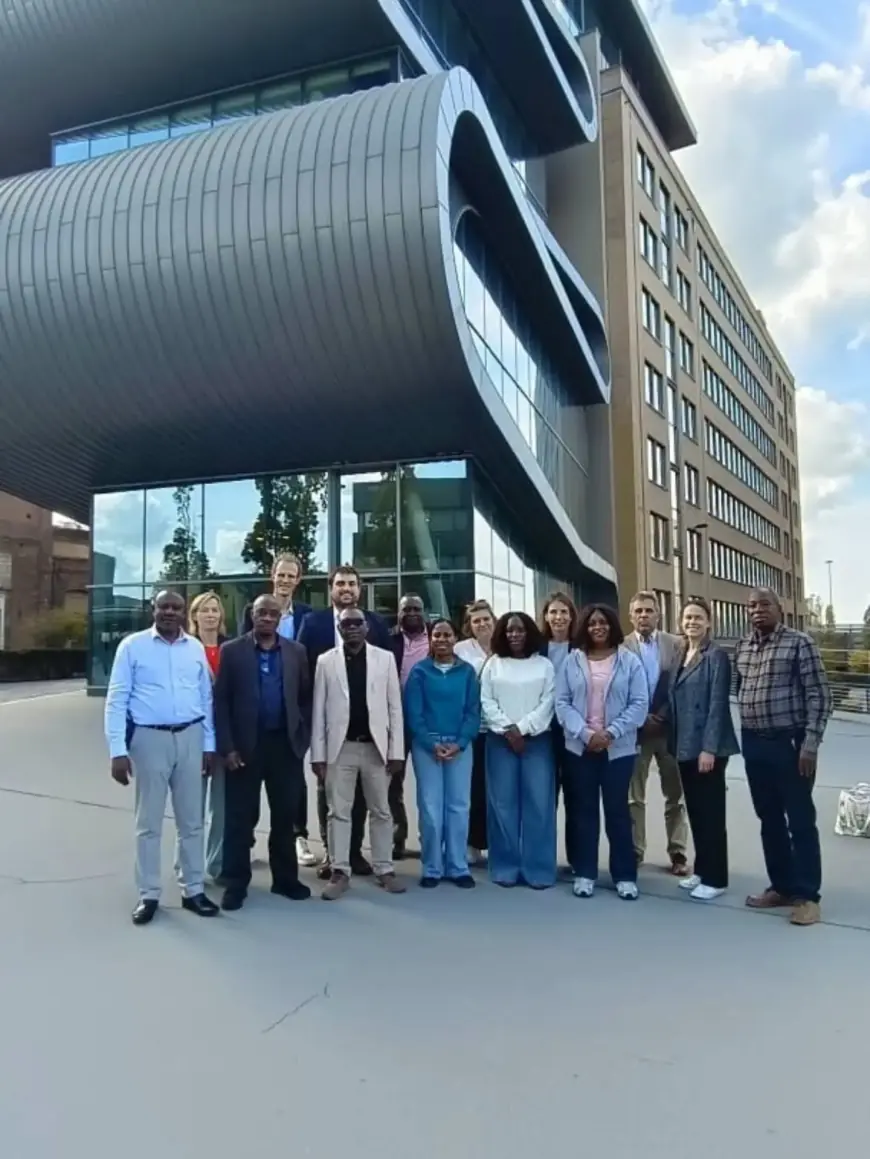
The opportunity emerged during a visit by a Tanzanian delegation to Umicore’s specialised recycling and refining facility in Hoboken, Antwerp, where advanced metallurgical technologies are used to recover metals from complex industrial residues and electronic waste.
The development comes as Tanzania faces a growing technology waste challenge driven by rapid digitalisation, increased use of electronic devices and shorter replacement cycles.
Discarded electronic equipment can contain both valuable and hazardous materials.
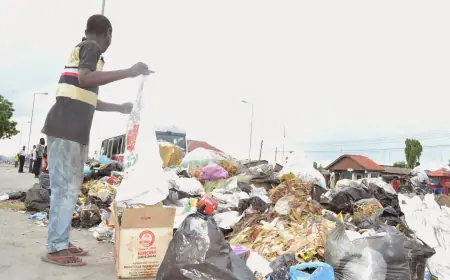
When improperly disposed of, components containing toxic substances can contaminate soil and water, while informal dismantling and burning can expose workers and surrounding communities to harmful substances.
At the same time, e-waste contains valuable secondary raw materials that can be recovered and returned to industrial production, reducing the loss of resources and creating new economic opportunities.
E-waste legal framework
Tanzania has established a regulatory framework to address the problem, including the Environmental Management (Control and Management of Electrical and Electronic Equipment Waste) Regulations, with the National Environment Management Council (NEMC) responsible for overseeing compliance and environmental management.
NEMC has been working to strengthen the collection, handling and disposal of electronic waste, including requirements relating to hazardous waste management and producer responsibility.
However, regulation has not been matched by sufficient processing capacity.
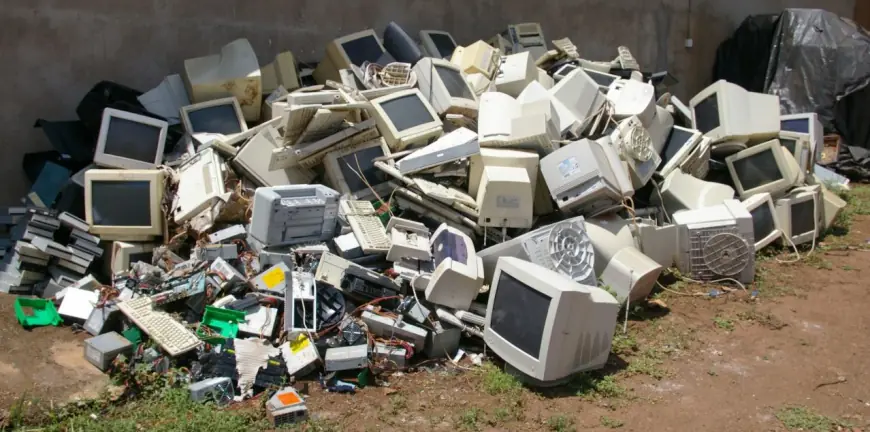
The country has limited specialised infrastructure for the industrial-scale treatment and recycling of complex electronic waste.
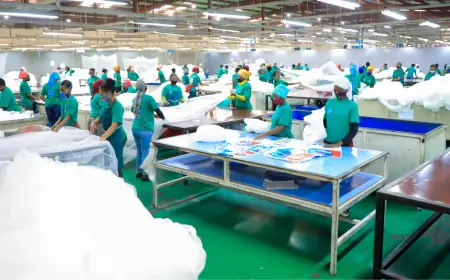
Much of the existing activity remains concentrated on collection, aggregation, sorting and dismantling, with limited capacity to recover the valuable metals contained in sophisticated electronic components.
This gap means that even when e-waste is collected, Tanzania has struggled to extract its full economic value safely and efficiently.
The visit to Umicore therefore offered a potential bridge between Tanzania's environmental obligations and its ambitions to increase mineral value addition.
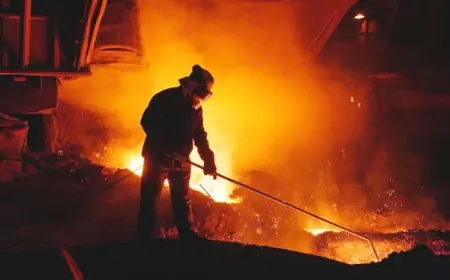
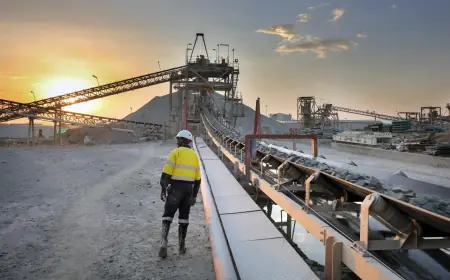
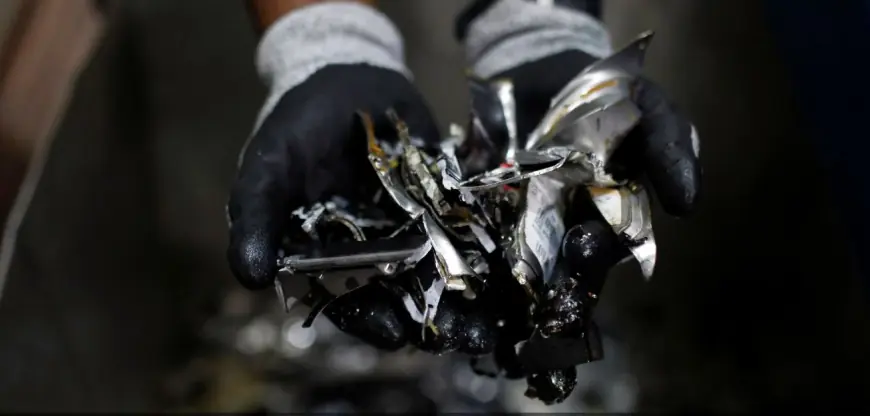
The Hoboken facility processes about 500,000 tonnes of industrial residues and e-waste annually and uses advanced technologies to recover and refine up to 17 precious and critical metals from more than 200 raw material streams.
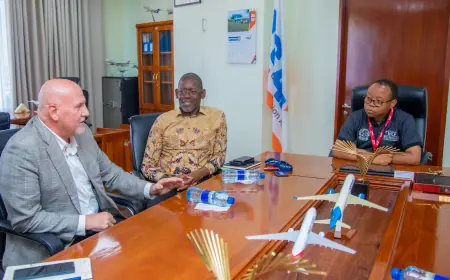
During the visit on October 2, Umicore's Head of Raw Material Supply for Recycling, Thierry Van Kerckhoven, said Tanzanian businesses could participate in the value chain by collecting and preparing discarded electronic equipment, including smartphones and batteries, for shipment to specialised facilities for processing.
The model would allow Tanzania to deal with waste that currently exceeds domestic processing capabilities while creating a commercial market for collection and preparation.
Local recycling capacity
For Tanzania, however, the approach does not remove the need to build local recycling capacity.
Rather, it could provide an interim solution while the country develops the technology, investment, skills and infrastructure required for more advanced domestic processing.
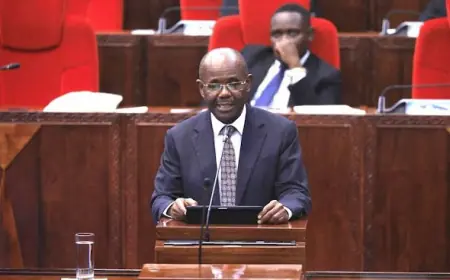
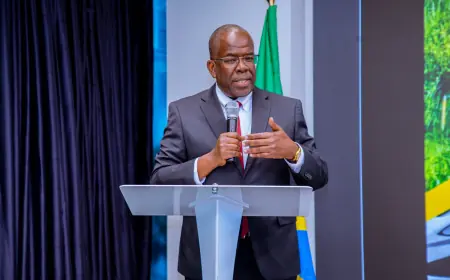
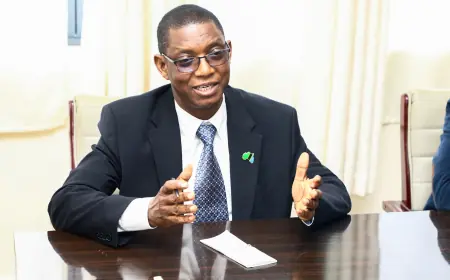
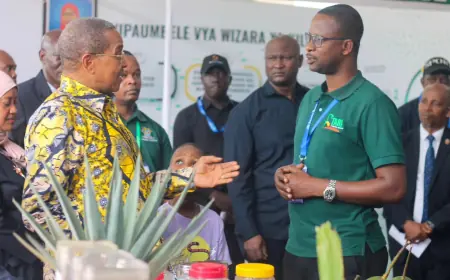
Deputy Permanent Secretary in the ministry of Minerals Msafiri Mbibo said the visit had provided important lessons on advanced technologies for mineral recovery and value addition.
He said the government would continue exposing Tanzanian experts to international technologies and standards while seeking to apply relevant lessons to the country's mineral value-addition agenda.
The move also fits within the broader objectives of Tanzania's Mineral Value Addition Policy, which seeks to increase the amount of processing undertaken before minerals and other resource-based materials leave the country.
For the e-waste sector, the challenge now is to build an efficient chain linking collection, safe handling, sorting, transportation and specialised processing.
Such a system would turn electronic waste from an environmental liability into a source of recoverable resources and business opportunities, while Tanzania works towards developing the domestic capacity needed to process more of its growing technology waste at home.
What's Your Reaction?
 Like
0
Like
0
 Dislike
0
Dislike
0
 Love
0
Love
0
 Funny
0
Funny
0
 Angry
0
Angry
0
 Sad
0
Sad
0
 Wow
0
Wow
0