
































































Stakeholders back Africa’s drive to unlock agricultural potential
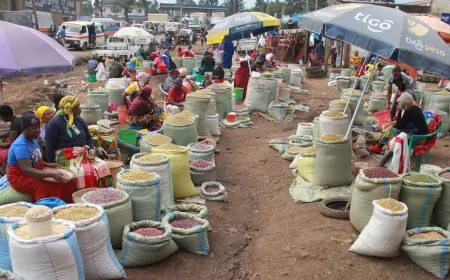
Participants said Africa’s agricultural opportunity extends well beyond increasing production. They pointed to the need to develop modern value chains capable of connecting farmers to markets, reducing post-harvest losses, improving storage and transport, and expanding processing so that more value is retained within African economies

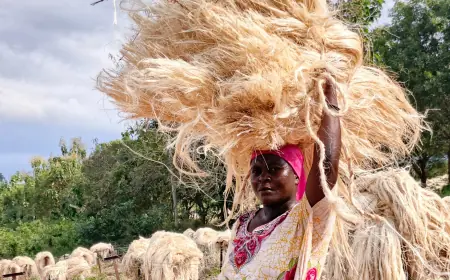
Dar es Salaam. Africa has the potential to become a major global food producer and feed its rapidly growing population and wider world, but unlocking that potential will require greater investment in technology, mechanisation, irrigation, food processing and efficient supply chains, stakeholders have said.
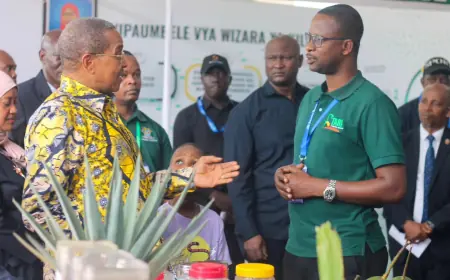
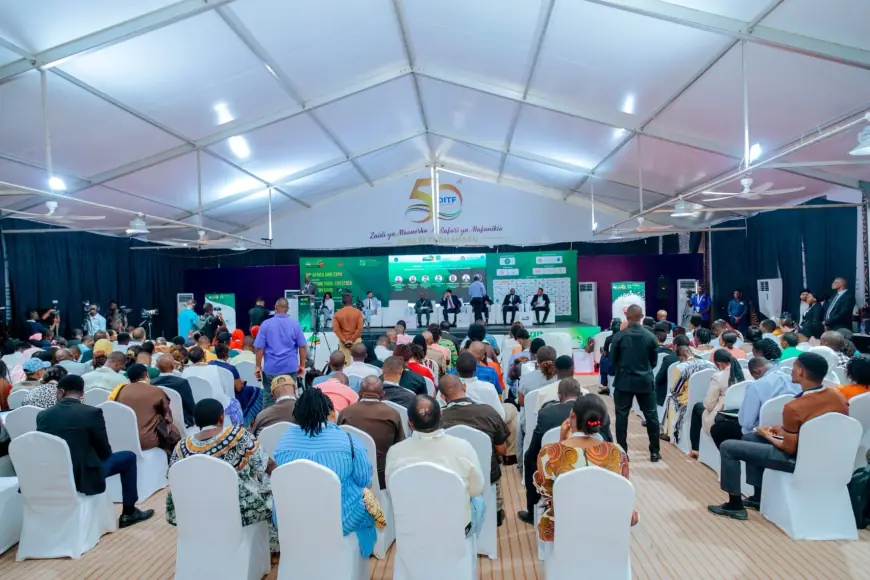
The call was made during the 10th Africa Agri Expo, held concurrently with the 3rd Future Food, Livestock & Poultry Expo in Dar es Salaam, where agricultural experts, investors, manufacturers, policymakers and business representatives from Africa and beyond explored opportunities to transform the continent’s agricultural sector.
The September 2-3 meeting brought together participants from different parts of the world, with Indian delegates sharing their experience in agricultural mechanisation, technology and other approaches aimed at improving productivity and supporting farmers.
Participants said Africa’s agricultural opportunity extends well beyond increasing production. They pointed to the need to develop modern value chains capable of connecting farmers to markets, reducing post-harvest losses, improving storage and transport, and expanding processing so that more value is retained within African economies.
The discussions came against the backdrop of strong projected growth in Africa’s food and agriculture markets.

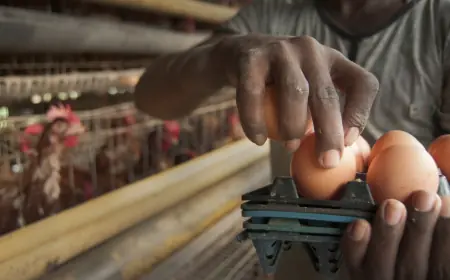
The African Development Bank (AfDB) has projected that the continent’s agriculture and food market could grow from about $280 billion to $1 trillion annually by 2030. The poultry feed market is also projected to expand, with estimates putting its value at $14.48 billion in 2025 and $17.45 billion by 2030.
Stakeholders attributed the anticipated growth to several factors, including rapid urbanisation, population growth, rising incomes and changing consumption patterns. The implementation of the African Continental Free Trade Area (AfCFTA) is also expected to provide businesses with greater opportunities to access markets across national borders.
For Africa to capitalise on these trends, however, participants stressed the importance of moving from predominantly traditional production systems towards more productive and commercially oriented agriculture.
Indian High Commissioner to Tanzania Shri Bishwadip Dey said India was ready to share affordable and adaptable, farmer-oriented solutions with Tanzania and the wider African continent.
He said there was considerable scope for Tanzanian and Indian companies to cooperate, particularly in digital agriculture, where technology can help farmers improve access to information, markets and modern production techniques.

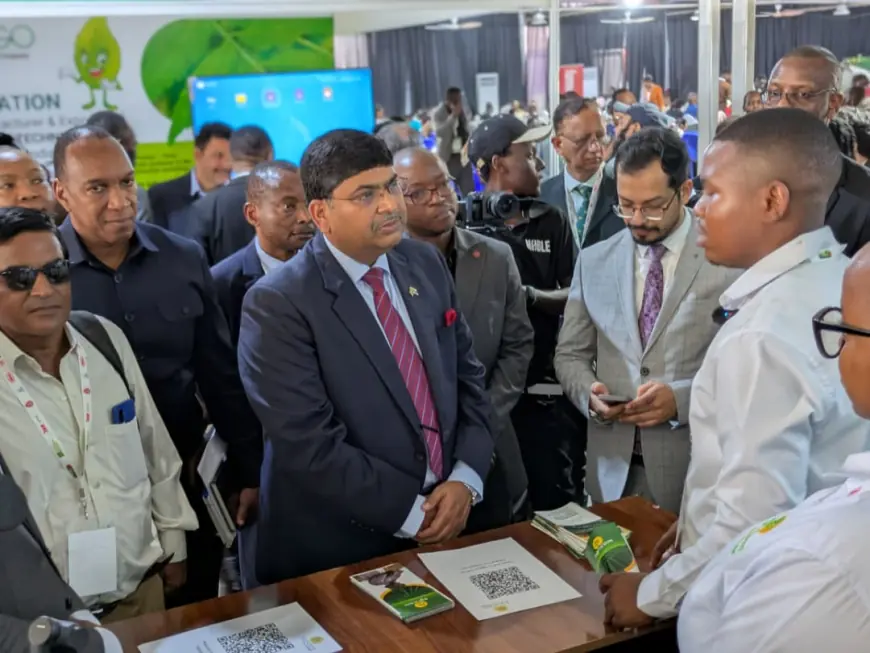
“India has been supporting Tanzania’s agricultural mechanisation for decades,” Mr Dey said.
His remarks highlighted the potential for South-South cooperation at a time when many African countries are seeking practical and affordable technologies that can be adopted by smallholder farmers without imposing unsustainable costs.
Tanzania’s strategic position
Held under the theme Shaping the Future of Agriculture, Food, Livestock and Poultry in Africa, the expo organisers said Tanzania was deliberately selected as the venue because of its strategic position and agricultural potential.
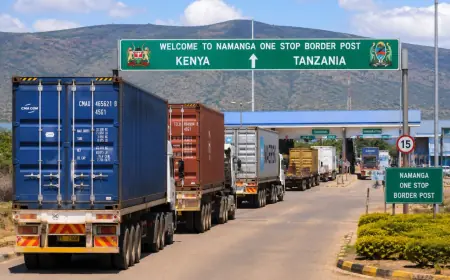
Tanzania has extensive agricultural land, varied climatic conditions and access to major regional markets. Its ports and transport corridors also give it an important role in connecting producers and businesses in East and Central Africa with international markets.
TAB Group Managing Director and Chief Executive Officer Tahir Abdul Bari, whose company convened the summit, said Tanzania was increasingly positioning itself as an important agribusiness centre.
“Tanzania is fast becoming a key agribusiness hub in Africa, offering strong growth potential for global companies. Its strategic location provides access to a regional market of over 300 million consumers across East Africa, making it an ideal entry point for expansion,” he said.
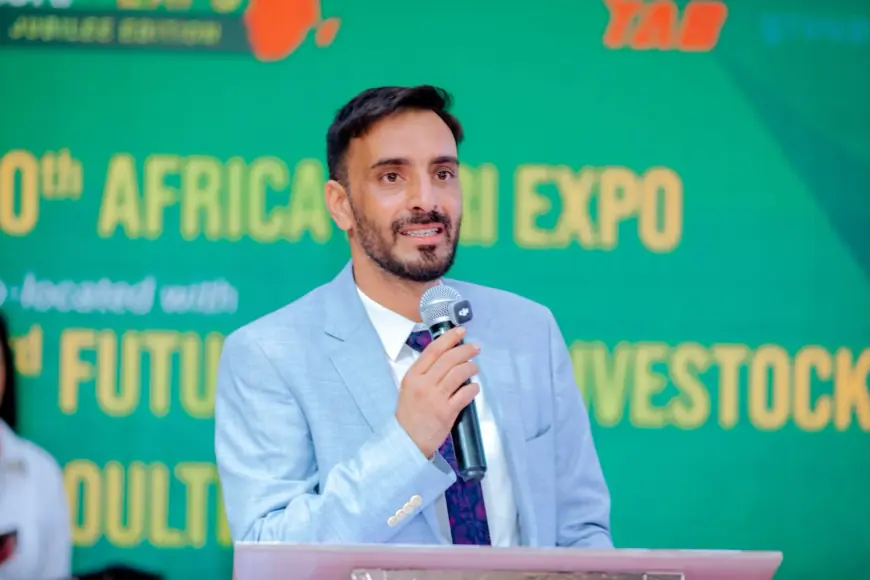
Beyond its geographical advantages, Tanzania has opportunities across a broad range of agricultural activities, including crop production, livestock, irrigation, agricultural technology and food processing.
However, stakeholders noted that the country's potential can only be fully realised if investment is directed towards the infrastructure and technologies required to increase productivity and move agricultural products efficiently from farms to consumers.
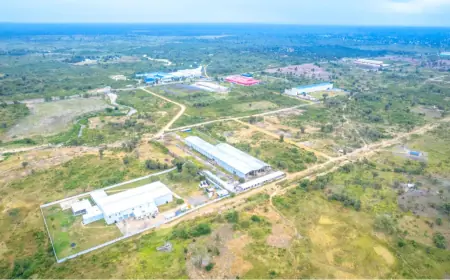
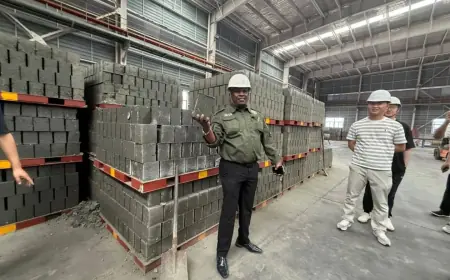
This includes irrigation systems to reduce dependence on rainfall, mechanisation to address labour constraints, improved seeds and other inputs, digital tools for farmers, storage facilities and processing plants.
Food processing, in particular, offers an opportunity to increase the value of agricultural commodities before they are exported. Rather than relying heavily on the export of raw produce, greater domestic processing could create jobs, strengthen industrialisation and increase export earnings.
The growth of urban populations is also creating a larger market for processed food, meat, dairy and poultry products, making investment in modern agricultural value chains increasingly important.
Agriculture central to Vision 2050
The government has identified agriculture as one of the sectors that must play a central role in Tanzania's long-term economic transformation under Vision 2050.
The Acting Director of Food Security in the Ministry of Agriculture, Dr Mutembeji, urged investors and international partners to view Tanzania not merely as a market for agricultural products, machinery and technologies, but also as a destination for investment.
He was speaking on behalf of the Permanent Secretary in the ministry, Mr Gerald Mweri.
“As Tanzania implements Vision 2050, agriculture is at the driving seat of the country’s economic growth,” Dr Abel Mutembeji said.
“To our international partners, do not see Tanzania as a market for agricultural goods, solutions and machinery only. Regard it highly as an investment destination,” he added.
The message reflects the broader challenge facing Tanzania and the continent: increasing agricultural output while ensuring that farmers, processors, manufacturers, traders and consumers benefit from the transformation.
With Africa's population continuing to expand, demand for food is expected to rise sharply in the coming decades. The continent therefore faces both a significant challenge and a major economic opportunity.

For Tanzania, the task is to translate its natural advantages into higher farm productivity, stronger agro-processing industries and competitive agricultural exports.
The Dar es Salaam summit underscored the growing recognition among policymakers and businesses that achieving this will require collaboration across borders, greater private-sector participation and the adoption of technologies suited to African conditions.
If those investments are sustained, stakeholders said, Africa could move closer to turning its vast agricultural potential into a powerful engine of economic growth and a significant contributor to global food security.
What's Your Reaction?
 Like
0
Like
0
 Dislike
0
Dislike
0
 Love
0
Love
0
 Funny
0
Funny
0
 Angry
0
Angry
0
 Sad
0
Sad
0
 Wow
0
Wow
0