

























































Govt acquires 887 hectares for Bagamoyo port project
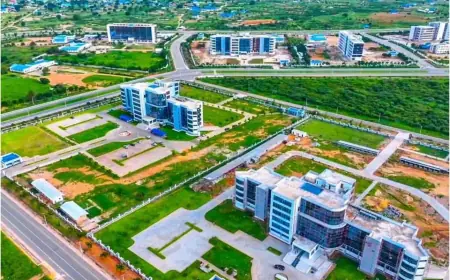
The broader Bagamoyo SEZ master plan envisaged industrial, residential, commercial and supporting infrastructure around the port, effectively creating a new economic centre rather than merely adding another harbour to Tanzania’s coastline

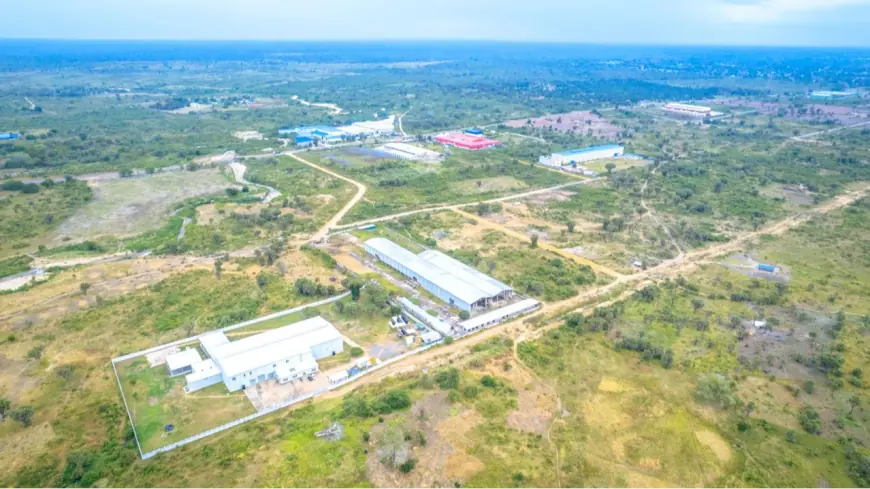
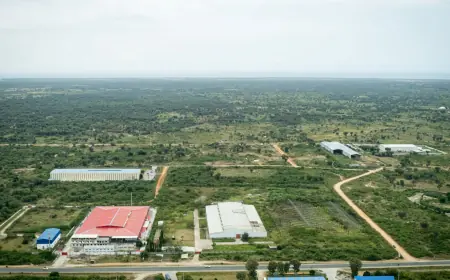
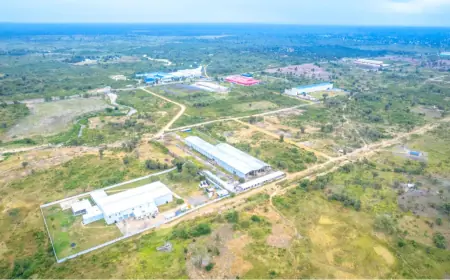
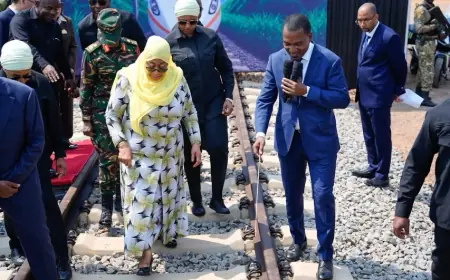
Bagamoyo. The government has acquired 887 hectares of land for the proposed Bagamoyo Port after paying Sh49 billion in compensation, as preparations for the strategic project continue despite years of negotiations over its development.
Tanzania Ports Authority (TPA) official Stephen Mbogela said on October 8, 2026 that feasibility studies and preliminary designs for the project had been completed, while preparations to procure a contractor to deepen the entrance channel and ship-turning basin were under way.
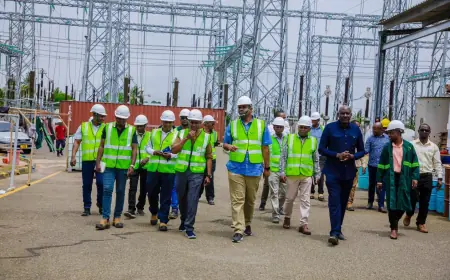
He was speaking during a visit to inspect the progress of the project and compensation payments in Bagamoyo.
The development of the port is part of a wider plan to establish Bagamoyo as a major maritime and industrial centre, with the port expected to be linked to an adjoining economic zone designed to attract industries, logistics businesses and other investments.
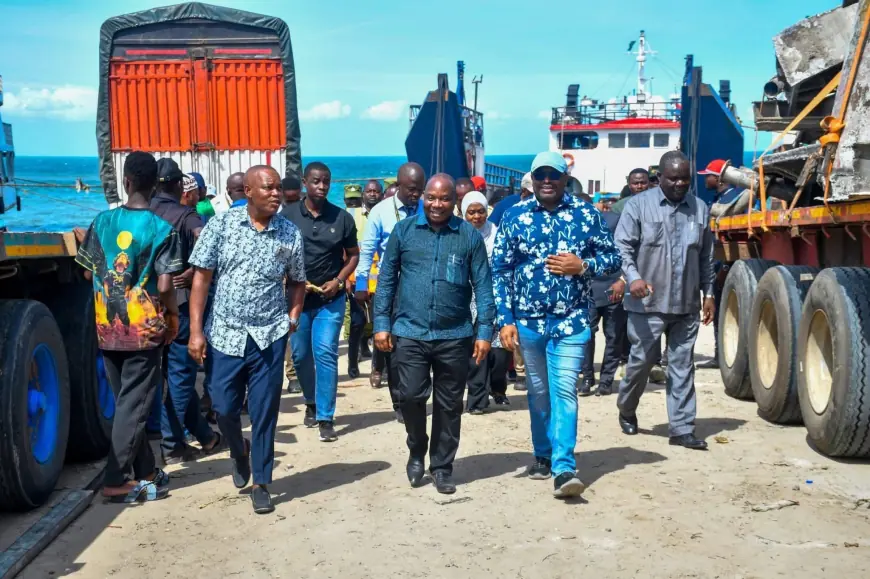
Coast Regional Commissioner, Mr Stanslaus Nyongo, said the government was continuing with arrangements to compensate residents whose land and properties would be affected by the strategic port project.
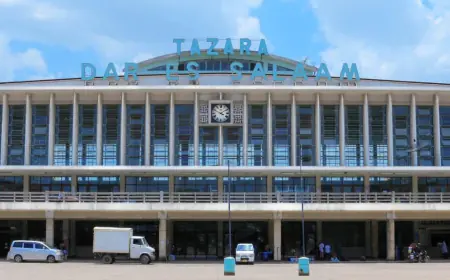
He said the port was important to strengthening trade, transport and investment, particularly by complementing the existing Dar es Salaam port and easing pressure on its facilities.
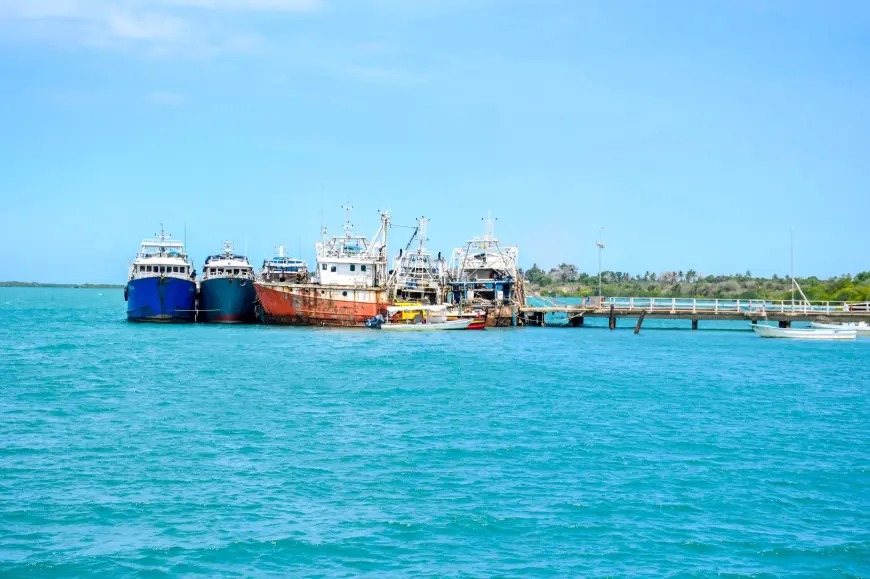
“Bagamoyo Port will help reduce congestion at the Port of Dar es Salaam, link port activities with industrial clusters, increase value addition and create employment, business and investment opportunities for wananchi,” Mr Nyongo said.
The Bagamoyo project has its origins in plans to develop a Special Economic Zone.
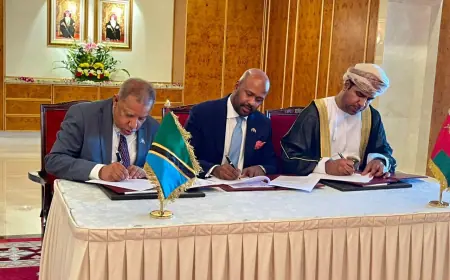
In 2013, Tanzania and China signed a framework agreement for the development of the port and associated economic zone, with China Merchants Port Holdings becoming the principal Chinese partner.
Oman subsequently joined the arrangement through its sovereign wealth fund, creating a tripartite structure involving Tanzania, China and Oman
The project was presented as a potential $10 billion investment and was envisaged to transform Bagamoyo into a major regional trade and logistics centre.
Plans included a deep-water port, a logistics park and an industrial free zone, with the wider development intended to support manufacturing and value addition.
The port was also expected to provide an alternative gateway for cargo serving Tanzania and neighbouring landlocked countries, while reducing the burden on Dar es Salaam port as cargo volumes increased.

The economic zone was central to the original concept.
Rather than developing a port as a stand-alone cargo facility, the plan sought to create an integrated industrial and logistics hub in which imported raw materials could be processed and manufactured goods exported through the port.
The broader Bagamoyo SEZ master plan envisaged industrial, residential, commercial and supporting infrastructure around the port, effectively creating a new economic centre rather than merely adding another harbour to Tanzania’s coastline.
The project, however, encountered delays and negotiations over the terms of the investment.
Concerns over the proposed investment conditions eventually led to a reassessment of the original agreement, slowing implementation and leaving the port project in prolonged uncertainty.
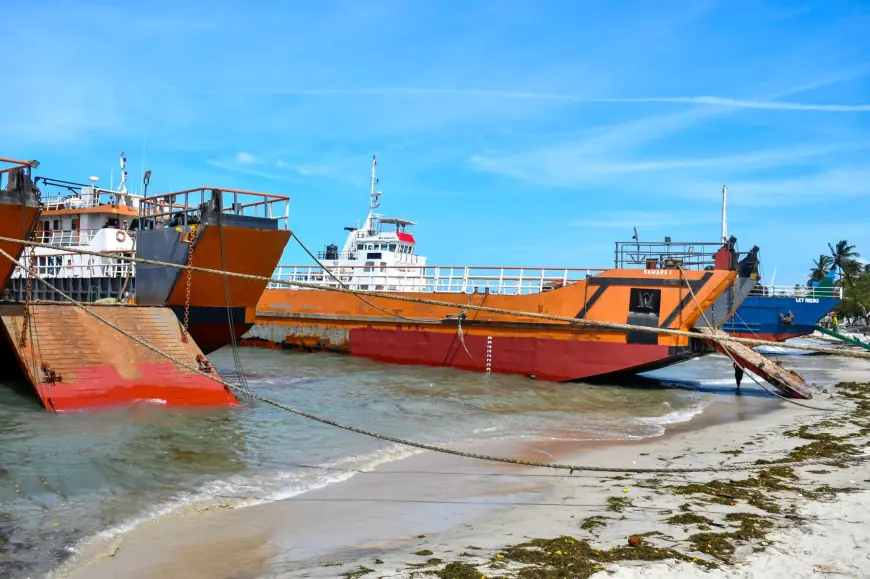
Against that background, the acquisition of 887 hectares and payment of Sh49 billion in compensation represented a significant step in securing the land required for the port infrastructure.
For residents whose properties fall within the project area, however, compensation remains a central issue.
Mr Nyongo said the government would continue the process to ensure those with legitimate claims received their entitlements.
The port's proposed role extends beyond cargo handling.
By connecting maritime transport with industrial production, the project is intended to enable Tanzania to capture more value from goods moving through its ports instead of relying mainly on the import and export of largely unprocessed commodities.
Its success would therefore depend not only on the construction of the harbour, but also on the development of reliable road and rail links, industrial facilities, logistics services and supporting urban infrastructure.
The project was initially conceived as one of Tanzania's flagship investments in industrialisation and regional trade.
Its development has consequently remained closely tied to the government's broader objective of using infrastructure, manufacturing and value addition to expand employment, investment and economic activity.
For Bagamoyo, the proposed port and economic zone represent an attempt to revive its historic role as a centre of Indian Ocean commerce while creating a modern industrial and logistics hub capable of serving Tanzania and the wider East African market.
What's Your Reaction?
 Like
0
Like
0
 Dislike
0
Dislike
0
 Love
0
Love
0
 Funny
0
Funny
0
 Angry
0
Angry
0
 Sad
0
Sad
0
 Wow
0
Wow
0