



































































Tanzania takes Sh3.5tr poultry investment plan to global audience
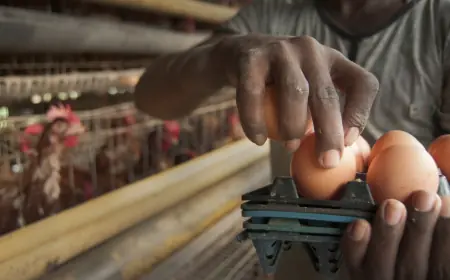
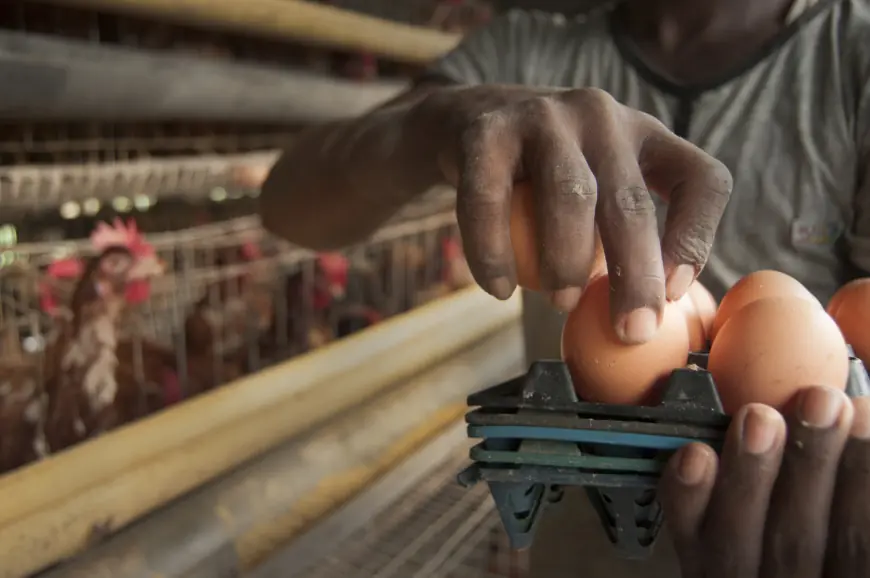
Tanzania's poultry meat production is targeted to rise from about 156,000 tonnes annually to 380,000 tonnes by 2036, while egg production is expected to increase from about 7.1 billion eggs to more than 17 billion.

Dar es Salaam. Tanzania has taken its 10-year plan for transforming the poultry industry to an international audience of investors, agricultural experts, manufacturers and policymakers, outlining opportunities for private capital as the government seeks to raise the sector's contribution to the economy.
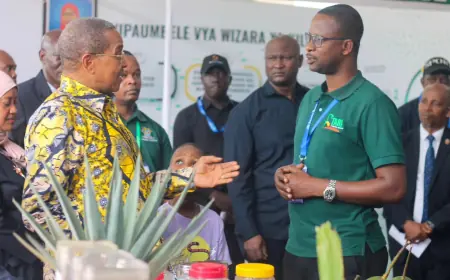
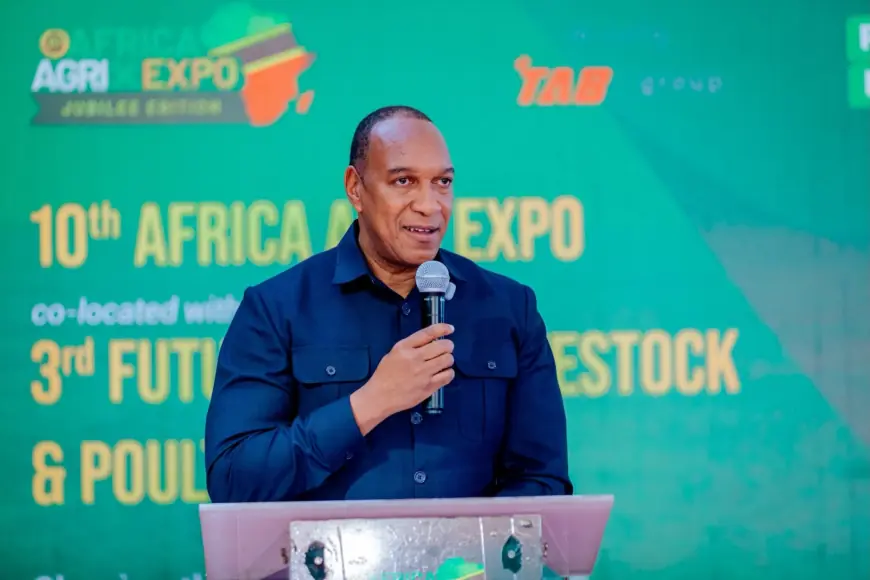
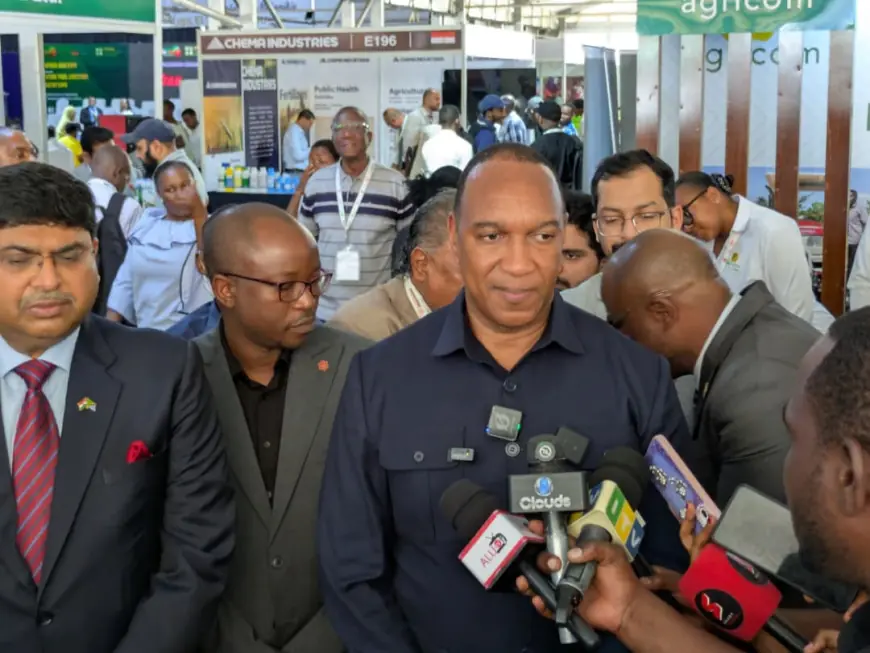
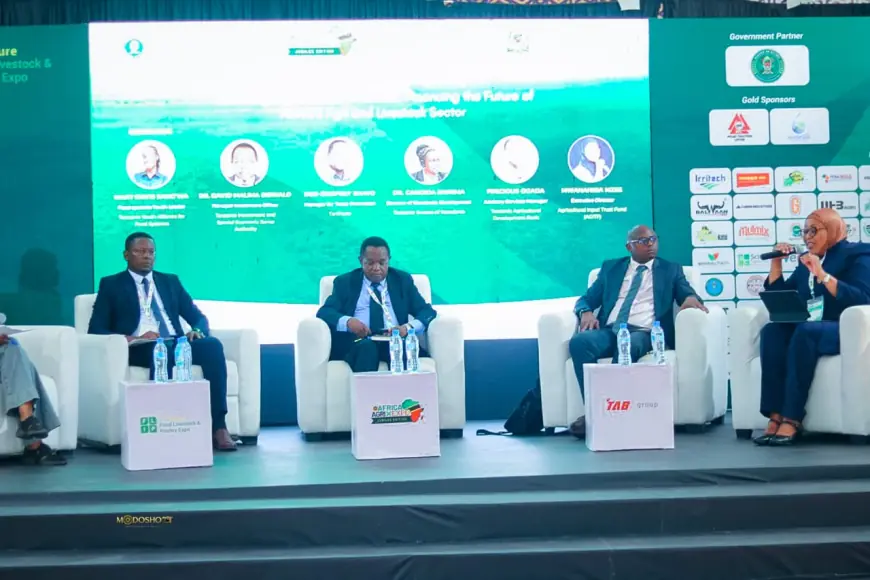
Stephen Michael, Director of Production and Market Development in the Ministry of Livestock and Fisheries, presented the National Poultry Development Strategy (NPDS) 2026–2036 to participants of the 10th Africa Agri Expo in Dar es Salaam on September 2.
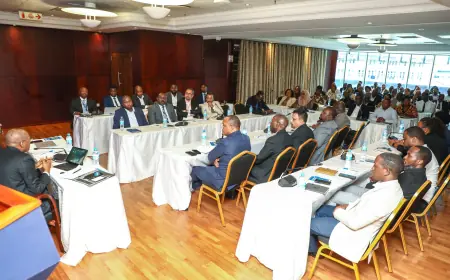
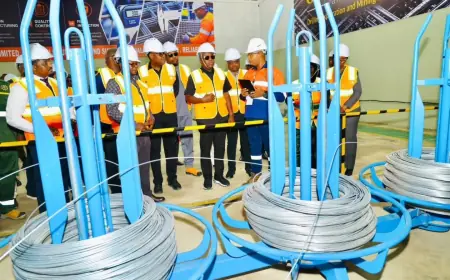
The expo, held concurrently with the 3rd Future Food, Livestock & Poultry Expo, brought together stakeholders from Tanzania and abroad to discuss investment, technology, production and market opportunities across Africa's agricultural and food sectors.
Mr Michael represented the Minister for Livestock and Fisheries, Dr Bashiru Ally Kakurwa.
The presentation gave international stakeholders an opportunity to examine the government's plans for the poultry industry and the investment opportunities emerging from the strategy, which was officially launched by Prime Minister Dr Mwigulu Lameck Nchemba at the NaneNane agricultural exhibition in Dodoma on August 1.
The strategy is intended to provide a 10-year roadmap for turning poultry into a more competitive, resilient, commercially viable and inclusive industry capable of making a greater contribution to food security, nutrition, employment and economic growth.
“The strategy responds to the growing importance of poultry within Tanzania’s agricultural transformation agenda and recognises the sector’s potential to become a major driver of industrialisation, private investment, and regional trade,” Mr Michael told participants.
Seeking Sh3.5 trillion in investment
At the centre of the presentation was the scale of investment required to implement the strategy.
Mr Michael said about Sh3.5 trillion would be required over the 10-year period, with 60 percent expected to come from the private sector.
The emphasis on private investment reflects the government's intention to move the poultry industry towards a commercially driven model in which farmers, processors, input suppliers, financial institutions and other businesses participate across the value chain.
The strategy therefore goes beyond increasing the number of chickens produced. It seeks to address constraints ranging from feed and breeding to animal health, processing, marketing and access to finance.
The investment requirement also presents an opportunity for companies with expertise in feed manufacturing, breeding, hatcheries, poultry production, slaughtering, cold-chain logistics, packaging and distribution.
This approach is particularly relevant to the international audience attending the Africa Agri Expo, which provides a platform for agricultural businesses to identify investment and trade opportunities in Tanzania and the wider African market.
Raising poultry's economic contribution
Mr Michael said Tanzania had more than 108.2 million birds by 2024/25, while the poultry sub-sector contributes about 1.8 percent of gross domestic product, equivalent to approximately Sh5 trillion.
The Government wants to increase the sector's contribution to 3 percent of GDP by 2036, in line with the broader ambitions of Vision 2050.
The target represents a significant shift in the Government's view of poultry, from primarily a source of household food and income to a commercially important component of the national economy.
The strategy seeks to achieve this by improving productivity while expanding investment and value addition.
The poultry industry already supports millions of livelihoods and has considerable potential for further expansion as population growth, urbanisation and changing consumption patterns increase demand for animal protein.
Tanzania's poultry meat production is targeted to rise from about 156,000 tonnes annually to 380,000 tonnes by 2036, while egg production is expected to increase from about 7.1 billion eggs to more than 17 billion
Feed costs remain major constraint
One of the major issues addressed by the strategy is the cost and availability of poultry feed.
Feed represents a substantial share of poultry production costs, meaning that the competitiveness of Tanzanian producers is closely linked to the availability of affordable, quality feed ingredients.
The strategy therefore seeks to strengthen domestic production of crops used in poultry feed, particularly maize and soya, while improving feed processing and quality control.
Greater integration between crop farmers and feed manufacturers would help establish a more reliable domestic supply chain and reduce vulnerabilities associated with dependence on imported inputs.

The strategy also seeks to strengthen breeding and hatchery capacity so that farmers have greater access to quality chicks.
Expanding domestic production of breeding stock and day-old chicks would reduce supply constraints while creating additional opportunities for investment in hatcheries and related businesses.
From production to processing
The government also wants Tanzania to capture more value from its poultry production by expanding processing.
A significant proportion of poultry trading continues to involve live birds and informal slaughtering. The strategy therefore promotes investment in modern slaughtering facilities, processing plants, packaging and cold-chain infrastructure.
This is intended to improve food safety and product quality while allowing Tanzanian producers to participate more effectively in formal domestic and international markets.
For investors, the expansion of processing capacity could create opportunities beyond poultry farming itself, including refrigeration, logistics, packaging, feed manufacturing, veterinary services and equipment supply.
The strategy's focus on processing also fits into the government's wider agricultural transformation agenda, which seeks to move producers from selling largely unprocessed commodities towards greater value addition.
Improving animal health and productivity
Mr Michael's presentation also highlighted the importance of improving productivity at farm level.
Disease remains one of the major risks facing poultry producers, particularly smallholders. The strategy therefore places emphasis on veterinary services, vaccination, biosecurity and farmer education.
Improved animal health would not only reduce mortality but also increase productivity and make commercial poultry operations more attractive to investors and financial institutions.
The government also intends to improve extension services and access to technical knowledge, while promoting greater participation by young people and women in poultry enterprises.
These measures are intended to make the expansion of the sector more inclusive while creating employment and business opportunities along the value chain.
A regional trade opportunity
The strategy's emphasis on commercialisation comes as Tanzania seeks to strengthen its position in regional agricultural trade.
The country's geographical position, expanding transport infrastructure and access to regional markets give poultry producers opportunities to serve consumers beyond the domestic market.
The strategy therefore envisages greater integration between production, processing and trade, with improved standards enabling Tanzanian businesses to compete in formal markets.
The development of processing and cold-chain facilities will be particularly important if the country is to expand exports of poultry meat and other products, since international markets require reliable quality, food safety, traceability and supply.
For participants at the Africa Agri Expo, the presentation consequently offered more than an overview of government policy. It provided an indication of the areas in which Tanzania expects private investors to participate as it implements the 2026–2036 strategy.
What's Your Reaction?
 Like
0
Like
0
 Dislike
0
Dislike
0
 Love
0
Love
0
 Funny
0
Funny
0
 Angry
0
Angry
0
 Sad
0
Sad
0
 Wow
0
Wow
0