






















Iron ore, coal investments set to transform Njombe into manufacturing hub
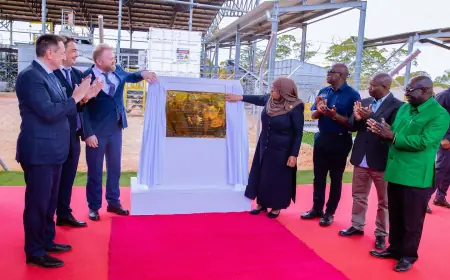
Bilateral investment negotiations for the wider, multi-billion-dollar Liganga iron ore and Mchuchuma coal complexes are over 90 percent complete, with formal site launches anticipated within the coming months

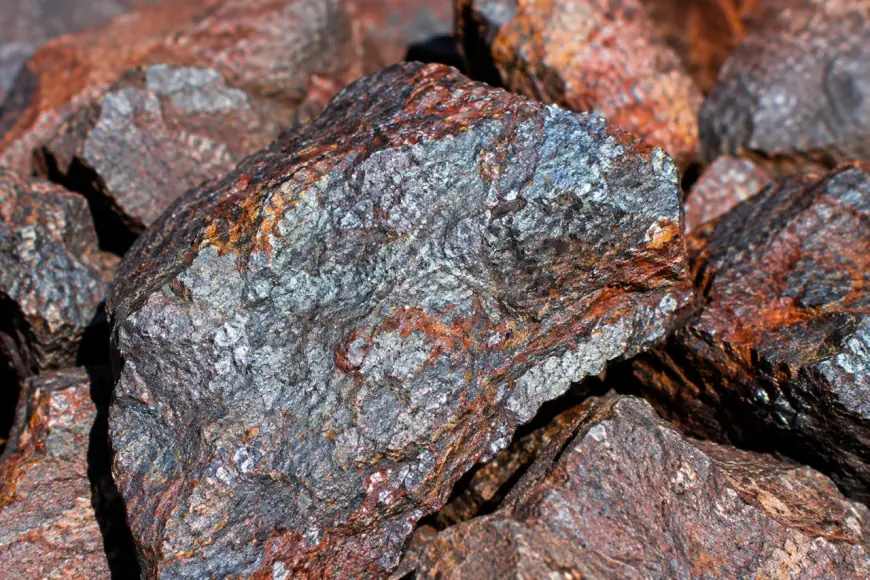
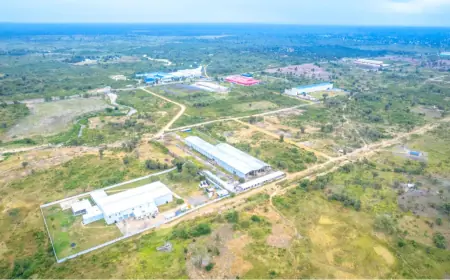
Njombe. The Njombe Region is poised to become one of Tanzania’s primary mining and industrial hubs following large-scale investments in iron ore extraction and processing ventures.
These strategic initiatives are expected to create thousands of local jobs, stimulate regional commerce, and substantially elevate household incomes across Ludewa District and the whole of Njombe Region.
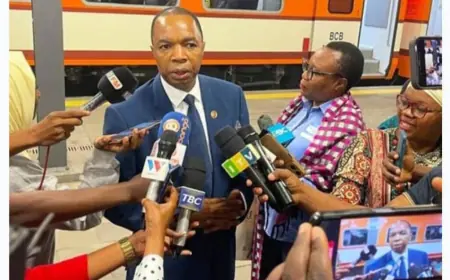
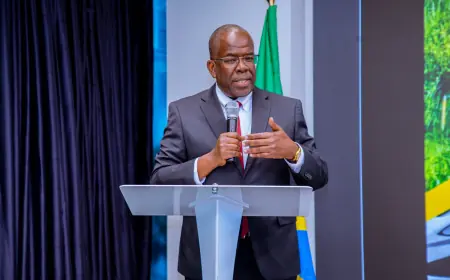
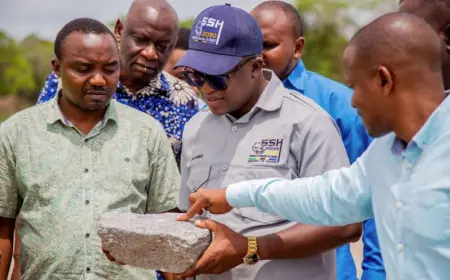
Speaking in Njombe, Resident Mines Officer, Mr Lucas Mlekwa, confirmed that a flagship project being implemented by the state-run National Development Corporation (NDC), in partnership with a foreign investor, has already secured a Special Mining Licence.
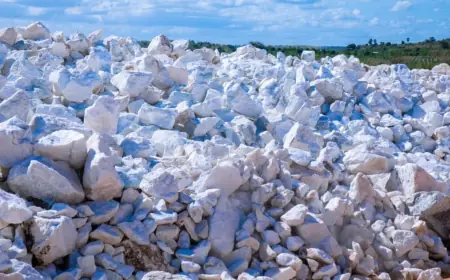
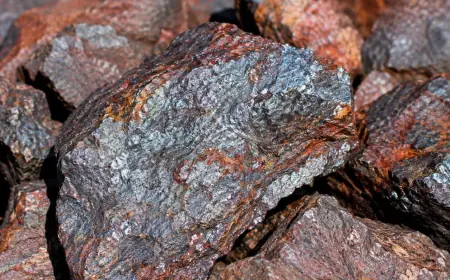
The licensing follows extensive geological exploration which confirmed the presence of more than 126 million tonnes of iron ore reserves.
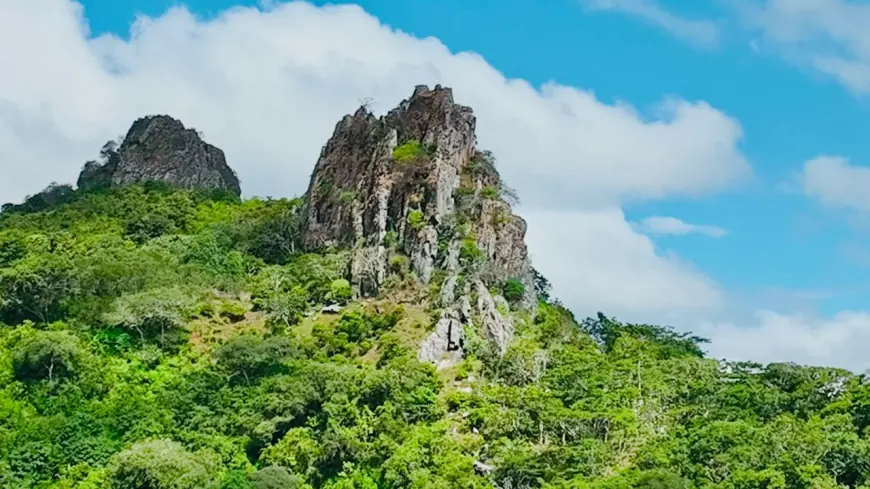
Technical assessments also established the existence of highly valuable associated minerals, including titanium and vanadium, significantly boosting the economic viability and strategic value of the project to the state.
The initiatives align with a broader national push to develop the Mtwara Development Corridor.
Recent updates from the Tanzanian government indicate that bilateral investment negotiations for the wider, multi-billion-dollar Liganga iron ore and Mchuchuma coal complexes are over 90 percent complete, with formal site launches anticipated within the coming months.
Mr Mlekwa noted that authorities are concluding the final legal frameworks between the government and its investment partners, with formal implementation on the ground projected to commence within the year.
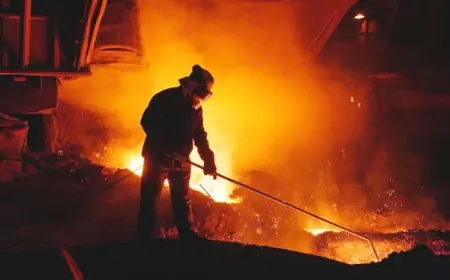
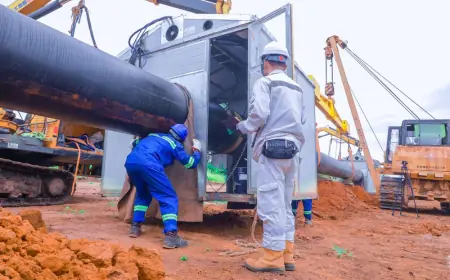
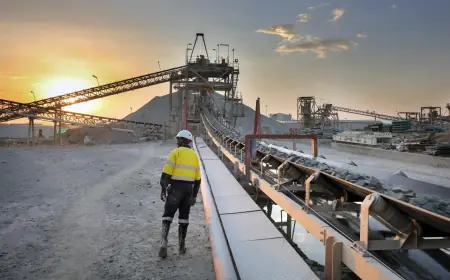
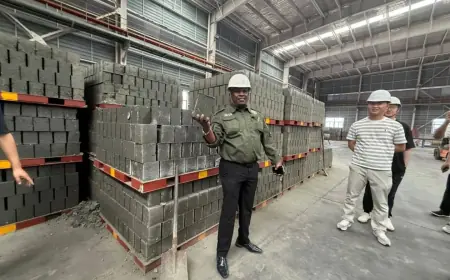
The primary development plan is structured around two core phases; commercial iron ore extraction and the construction of a modern metallurgical processing plant designed to manufacture high-grade steel products for Tanzania’s expanding construction and industrial sectors.
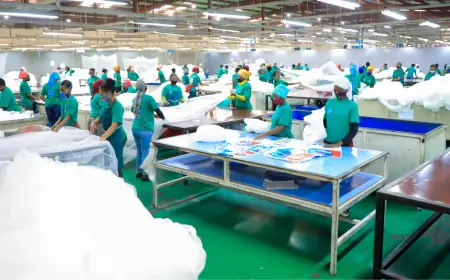
This domestic manufacturing capacity is intended to fundamentally transform the local construction supply chain.
Currently, many domestic steel factories across Tanzania rely heavily on imported iron billets or scrap metal, which can compromise the structural quality of finished products and drain foreign exchange reserves.

The implementation of these heavy industrial projects will explicitly enforce local participation through the government’s statutory local content policy.
This regulatory framework ensures Tanzanian nationals and regional enterprises directly benefit from corporate procurement and employment opportunities.
Economic windfalls are projected across auxiliary sectors, including private security, heavy transport, construction material supply chains, and specialized engineering support services.
Compensatory milestones have also advanced to clear the path for infrastructure development.
Mr Mlekwa revealed that the Maganga Matitu iron ore project, a critical component of the broader industrial master plan managed by the NDC alongside Chinese partner Fujian Hexingwang Industrial Company Limited, has reached its final preparatory stages.
This follows the disbursement of more than Sh4.2 billion in resettlement compensation to residents vacating the designated 19.6-square-kilometre project area.
The specific Maganga Matitu concession is estimated to hold approximately 45 million tonnes of iron ore reserves, with the joint venture targeting an annual production of one million tonnes of raw ore.
To satisfy the immense energy demands of these heavy industrial operations, Ludewa District will simultaneously host the Mchuchuma coal project.
Containing an estimated 428 million tonnes of high-quality coal reserves, Mchuchuma is slated to power a dedicated 600-megawatt thermal power station.
Under the current structural blueprint, 250 megawatts of this generated electricity will be transmitted directly to supply the Liganga metallurgical complex via a planned 220-kilovolt transmission line, while the remaining 350 megawatts will be integrated into the national grid to reinforce the country's electricity supply.
These combined mineral and energy developments are expected to structurally re-engineer the economy of the Southern Highlands.
By integrating resource extraction with domestic processing and independent power generation, the ventures will position Njombe as a critical driver of national economic growth while delivering sustainable livelihood improvements for its resident population.
What's Your Reaction?
 Like
0
Like
0
 Dislike
0
Dislike
0
 Love
0
Love
0
 Funny
0
Funny
0
 Angry
0
Angry
0
 Sad
0
Sad
0
 Wow
0
Wow
0