




















































Beyond the Serengeti: Why Tanzania must diversify into cultural, urban tourism
Tanzania already possesses a highly successful blueprint for heritage-based travel within its own borders

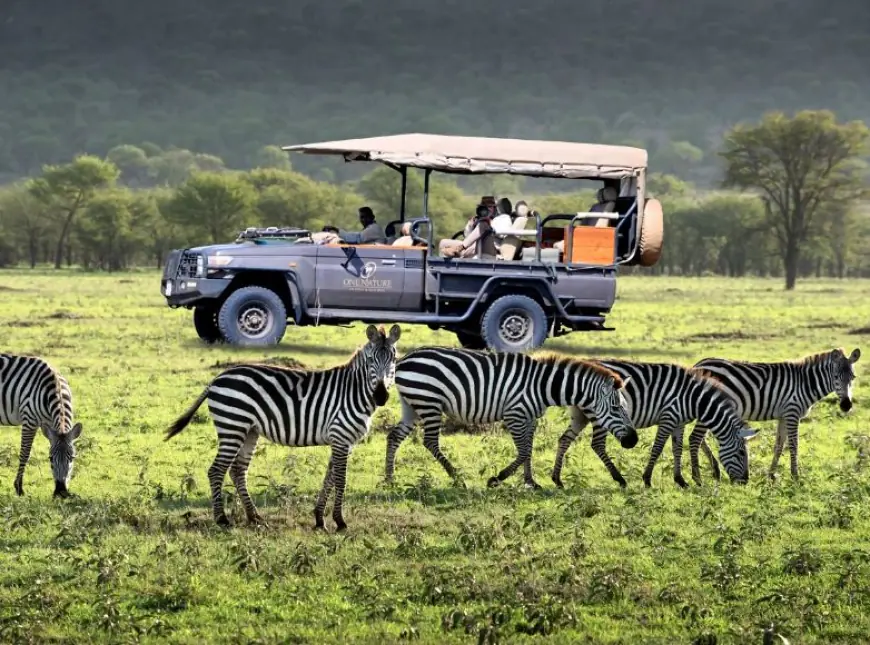
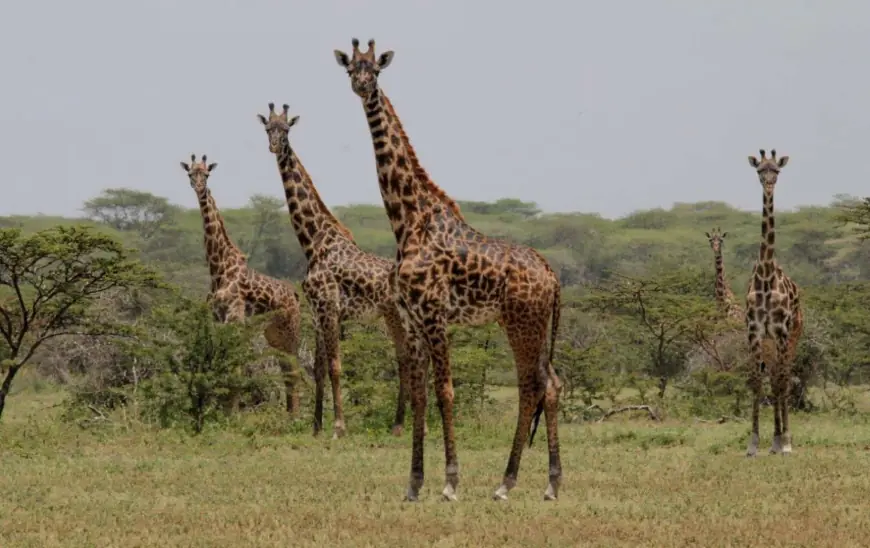
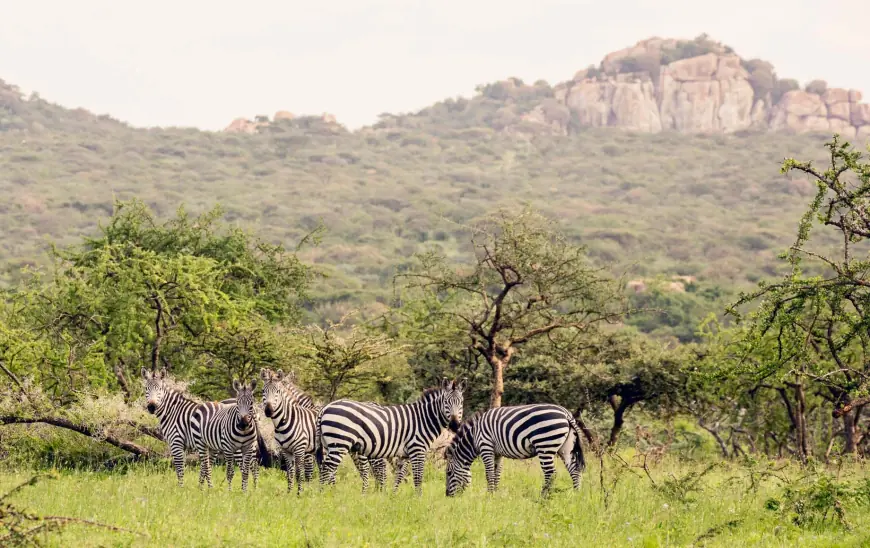
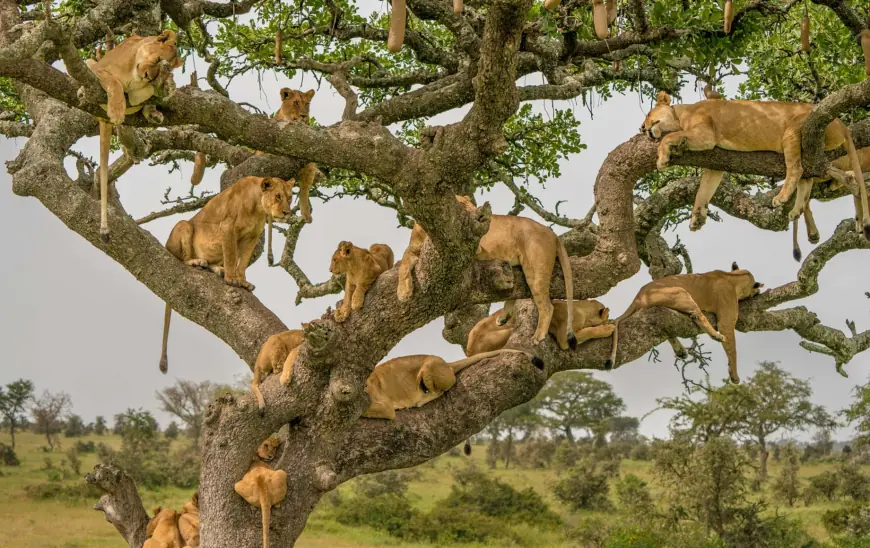
Dar es Salaam. For decades, the standard global perception of Tanzanian tourism has been synonymous with the northern safari circuit.
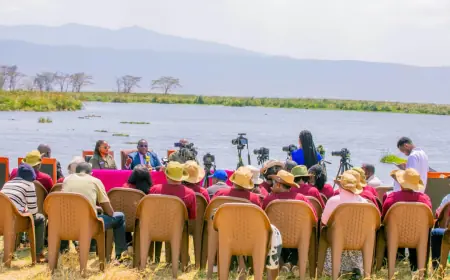
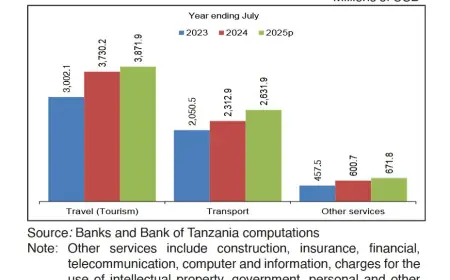
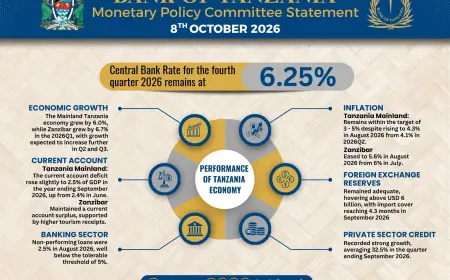
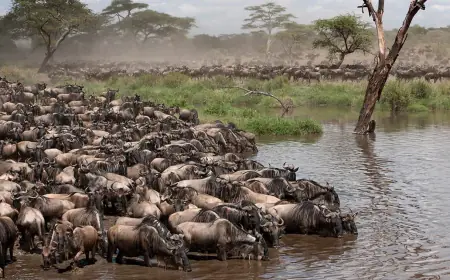
The endless plains of the Serengeti National Park and the volcanic bowl of the Ngorongoro Conservation Area form the bedrock of an industry that generated a record $3.94 billion in earnings on 2.29 million international arrivals in 2025.
Yet, this intense concentration of visitors presents structural vulnerabilities.
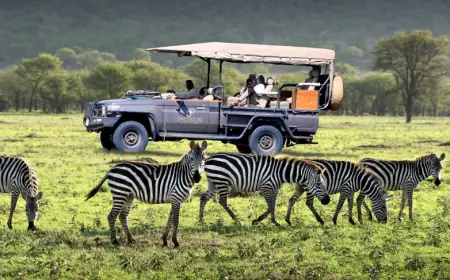
Fragile ecosystems face unprecedented environmental degradation, and the exclusive, untouched wilderness experience that premium travellers demand is increasingly compromised by vehicle congestion.
To secure long-term, climate-resilient economic growth, the state must pivot from its singular reliance on wildlife viewings and aggressively unlock its vast historical, cultural, and urban assets.
The economic wisdom of diversifying away from animal-reliant tourism is demonstrated by global giants such as France, Italy, Turkey, and Egypt.
These nations possess virtually no megafauna safaris, yet they consistently attract tens of millions of international visitors annually by commercialising their architectural heritage, urban history, and culinary landscapes.
Egypt transforms its ancient monuments into multi-billion-dollar revenue streams, whilst Italy and Turkey leverage their historic cities to maintain year-round visitor flows that are immune to the seasonal migrations that dictate Tanzania's safari bookings.
Tanzania already possesses a highly successful blueprint for heritage-based travel within its own borders.
Zanzibar’s Stone Town, a Unesco World Heritage site celebrated for its unique blend of Swahili, Arab, Indian, and European architecture, has become one of the most sought-after cultural destinations in East Africa.
Recent data from the Bank of Tanzania and the Zanzibar Office of the Chief Government Statistician reveals that the archipelago welcomed 917,167 international visitors in 2025—a 24.5 percent year-on-year surge that fueled a $912.1 million external sector surplus by early 2026.
Crucially, tourists in Zanzibar recorded an average stay of eight nights, with nearly a quarter staying up to twenty-eight nights.
This long-stay profile is heavily anchored by multi-day cultural explorations of Stone Town's historic streets, museums, and spice markets before visitors transition to coastal resorts.
The mainland features an array of under-commercialised urban and historical centres that could replicate this success if backed by serious government planning.
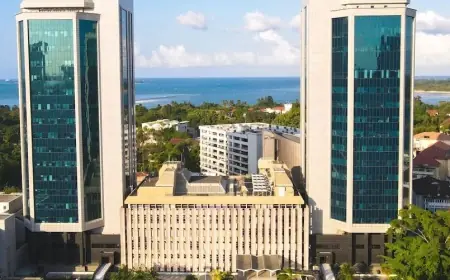
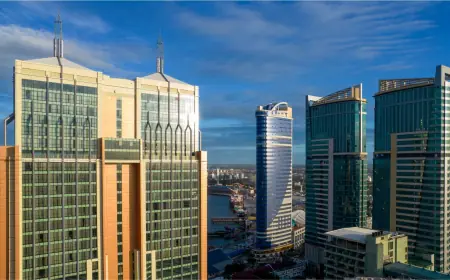
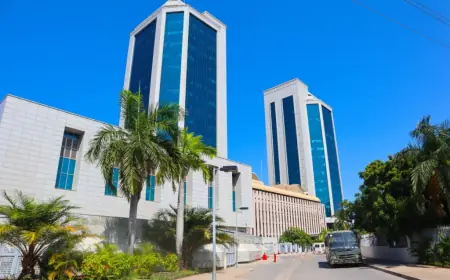
Dar es Salaam, the economic hub, possesses immense tourism potential that extends far beyond its role as a transit point.
The city boasts expansive coastlines, premium beach hotels, and a rich architectural timeline spanning German colonial outposts, British administrative blocks, and vibrant traditional Swahili marketplaces.
Similarly, towns such as Bagamoyo, Kilwa Kisiwani, Tanga, Lindi, and Mtwara offer deeply significant maritime histories and ruins that remain largely absent from international travel itineraries.
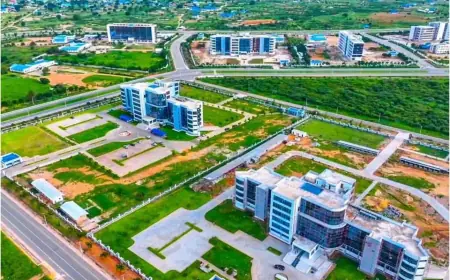
In the interior, regional capitals including Dodoma, Morogoro, Tabora, Arusha, Mwanza, Kigoma, Iringa, and Mbeya feature distinct cultural identities, mountainous landscapes, and historical trade routes that could capture substantial market share if properly integrated into the national tourism framework.
Realising this urban and cultural expansion requires a fundamental overhaul of the country's hospitality infrastructure, specifically within the mid-tier segment.
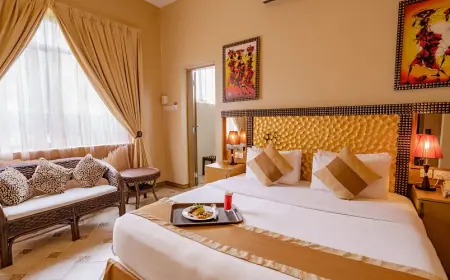
While the northern safari circuit is saturated with ultra-luxury, high-cost lodges, the country suffers from an acute shortage of clean, secure, and affordable one-, two-, and three-star hotels and restaurants. Investing heavily in high-quality mid-tier hospitality is essential to capturing two lucrative, resilient global demographics: backpackers and multi-generational family groups.
These travellers typically seek budget-friendly, well-located accommodations that allow them to extend their stays, dine at local restaurants, and visit nearby cultural landmarks without facing prohibitive costs.
This infrastructure gap also impacts wildlife conservation.
Even when tourists travel to premier destinations like the Serengeti, a growing segment prefers to lodge in cheaper, well-maintained facilities situated just outside the national park boundaries to avoid paying premium in-park concession fees.
Providing neat, secure, and competitively priced mid-tier accommodation outside park gates would democratise the safari experience, encourage longer regional stays, and stimulate local economies through direct supply chain linkages.
The state has already initiated the foundational work required for this macroeconomic shift.
Through the Resilient Natural Resources Management for Tourism and Growth project, $56 million (Sh146.59 billion) partnership with the World Bank, the government has targeted the long-neglected southern safari circuit.
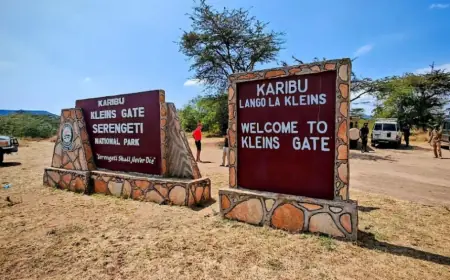
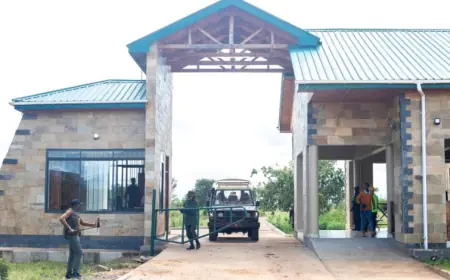
This funding has revitalised infrastructure across Nyerere, Mikumi, and Ruaha national parks, rehabilitating over 1,200 kilometres of roads, upgrading park gates, constructing modern airstrips, and lowering long-term maintenance costs by 61 percent via the strategic deployment of heavy machinery.
These infrastructural upgrades render the southern circuit a highly competitive option for modern travellers who actively seek authentic, uncrowded wilderness experiences.
However, physical infrastructure is merely the first step.
To fully capitalize on these investments and transform the broader mainland into a multi-faceted cultural destination, the Ministry of Natural Resources and Tourism must execute aggressive, targeted international marketing campaigns.
By actively promoting the historic architecture of Dar es Salaam, the ancient lanes of Stone Town, and the rugged expanses of the southern parks alongside an expanded network of budget-friendly accommodations, Tanzania can transition from a seasonal safari destination into a year-round, diverse cultural powerhouse.
What's Your Reaction?
 Like
0
Like
0
 Dislike
0
Dislike
0
 Love
0
Love
0
 Funny
0
Funny
0
 Angry
0
Angry
0
 Sad
0
Sad
0
 Wow
0
Wow
0