















































































Tanzania National Park Authority unveils park-specific entry permits to boost tourism appeal
This tactical shift comes at a time when destinations across East Africa are aggressively competing for lucrative international safari markets, transforming standard administrative paperwork into active marketing assets


Arusha. Tanzania National Parks Authority (Tanapa) has launched redesigned entry permits featuring unique branding for each of its 21 protected areas, marking a significant step in the country’s efforts to modernise tourism infrastructure and strengthen its competitive position in Africa’s growing wildlife tourism sector.
The new permit system, unveiled at a high-profile launch event in Arusha, introduces distinct visual identities for each national park under the Tanzania National Parks Authority’s management.
This tactical shift comes at a time when destinations across East Africa are aggressively competing for lucrative international safari markets, transforming standard administrative paperwork into active marketing assets.

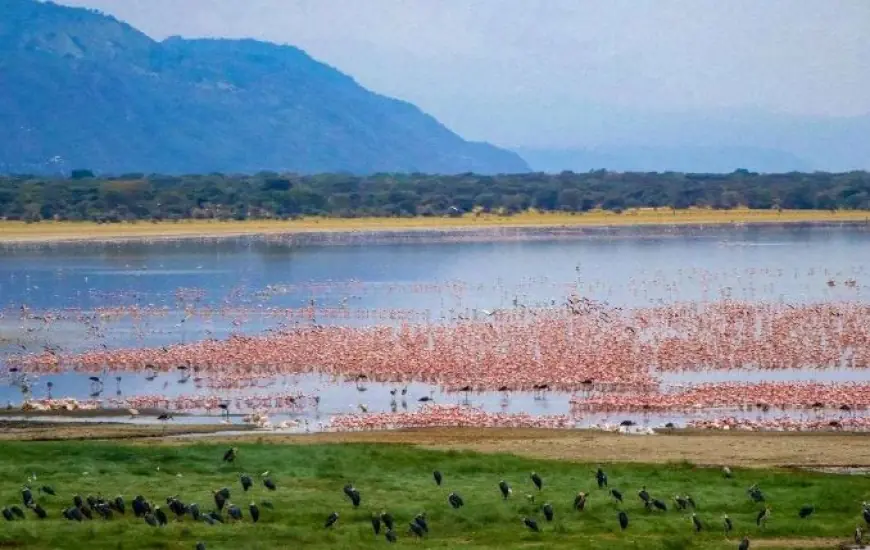
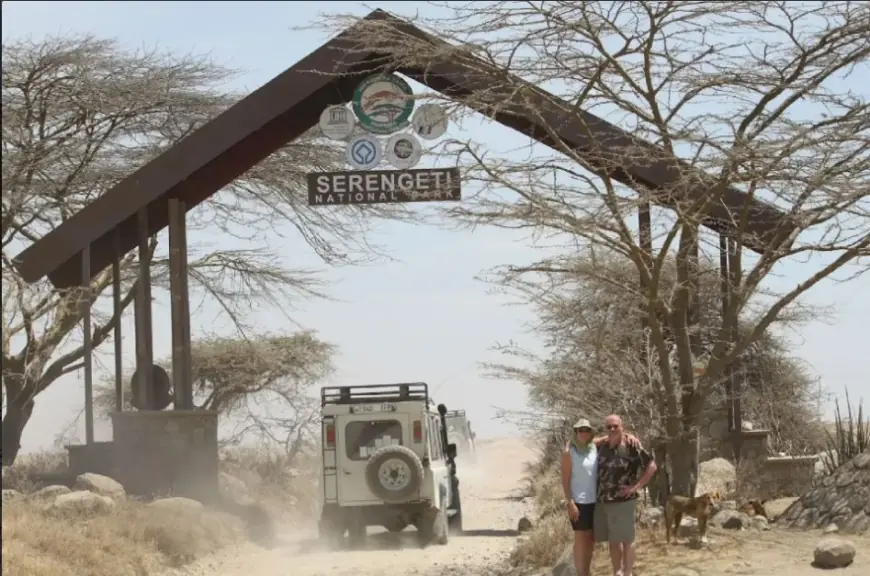
By moving away from a uniform, bureaucratic document to tailored designs, Tanapa is effectively giving iconic locations like the Serengeti, Mount Kilimanjaro, and the vast wilderness of Nyerere National Park their own distinct retail identities.
The initiative aims to enhance visitor services, improve security controls, and modernise park management systems across the country’s extensive network of protected areas, which span millions of hectares of critical habitats.
According to Tanapa Conservation Commissioner, CPA Musa Nasoro Kuji, the redesigned permits represent more than just a cosmetic update.
They form a crucial component of the authority’s broader digital transformation strategy aimed at improving transparency, accountability, and operational efficiency throughout Tanzania’s park system.
“The redesigned permits are part of our broader efforts to improve service delivery while enhancing transparency, accountability and efficiency across our parks,” Kuji said during the launch.
He emphasised that the permits would help visitors build stronger connections with individual destinations while supporting more effective management and monitoring systems.
This connection is highly valued by modern travellers, who increasingly view physical permits and tickets as collectible keepsakes from their journeys, meaning a beautifully designed document can serve as organic, post-trip advertising.
The underlying drivers for this overhaul, however, are deeply tied to financial security and data integrity.
The new permits incorporate enhanced security and traceability features specifically designed to combat fraud and improve visitor tracking capabilities.
These technical upgrades reflect growing concerns about counterfeit permits and the need for more robust verification systems as tourist numbers continue to rise.
In the past, uniform paper systems across vast, remote geographic areas created vulnerabilities that tech-savvy fraudulent operators could exploit.
By introducing park-specific visual markers alongside encrypted tracking technology, Tanapa makes it significantly harder for unauthorized agents to replicate documents, ensuring that vital conservation fees actually reach the state treasury.

This fiscal tightening is critical given the immense economic stakes involved.
Tourism represents one of Tanzania’s largest sources of foreign-exchange earnings and plays a vital role in employment generation and conservation financing.
The sector’s importance to the national economy has grown substantially in recent years, with Tanapa reporting revenue of 500 billion Tanzanian shillings, approximately $185 million, during the last financial year.
This figure exceeded the authority’s target and marked a significant increase from 430 billion shillings the previous year, proving that wildlife tourism is a primary engine of national growth.
The revenue growth underscores the tourism sector’s expanding contribution to Tanzania’s economy as international visitor arrivals continue to recover and grow following pandemic-related disruptions.
The positive trend has reinforced the government’s commitment to investing in tourism infrastructure and services, establishing a virtuous cycle where higher revenues fund better security, which in turn protects future income.
Commissioner Kuji noted that modern travellers increasingly expect efficiency, transparency, and memorable experiences from their visits to protected areas.
“These permits support those objectives while advancing our conservation mission,” he explained.
Industry stakeholders have welcomed the initiative, suggesting that destination-specific permits can strengthen individual park branding and improve visitor engagement.
This approach aligns with trends observed among tourism authorities worldwide, as destinations compete more intensively for international travellers in an increasingly crowded marketplace where experiential value often dictates where tourists spend their money.
Ultimately, the permit redesign reflects broader recognition that nature-based tourism continues to grow globally, creating both opportunities and challenges for destination managers.
As demand increases, authorities face mounting pressure to invest in technology, visitor services, and destination management systems that can accommodate larger numbers while maintaining conservation standards.
What's Your Reaction?
 Like
0
Like
0
 Dislike
0
Dislike
0
 Love
0
Love
0
 Funny
0
Funny
0
 Angry
0
Angry
0
 Sad
0
Sad
0
 Wow
0
Wow
0