











































Tanga port transformation and Tanzania’s ascent as a global logistics hub
The development is set to reposition Tanzania as a leading logistics and transit hub, reshaping the competitive geography of East African trade

Dar es Salaam. The diplomatic atmosphere in Dar es Salaam this past weekend carried significance well beyond routine bilateral engagement.
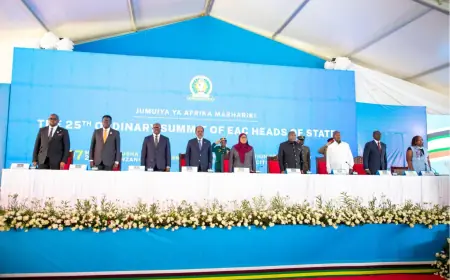
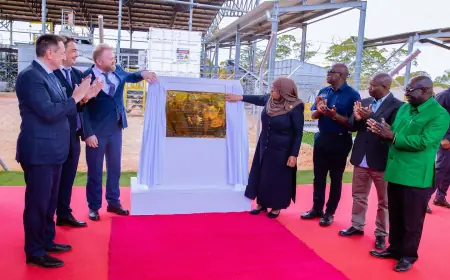
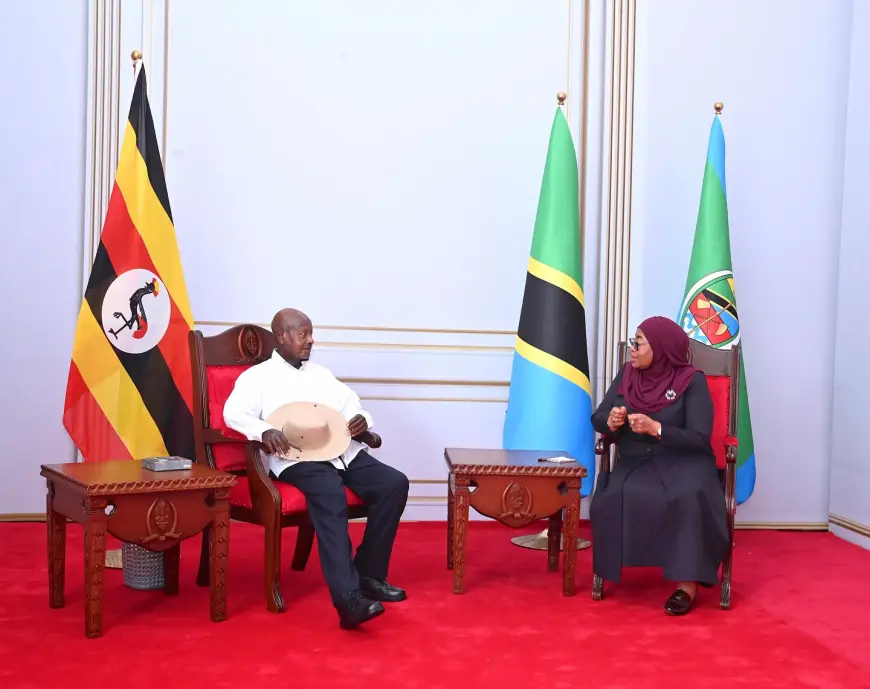
As President Samia Suluhu Hassan hosted Ugandan President Yoweri Museveni on February 7, 2026, a defining announcement took centre stage: the first shipment of Ugandan crude oil is scheduled to depart from Tanga Port on July 1, this year.
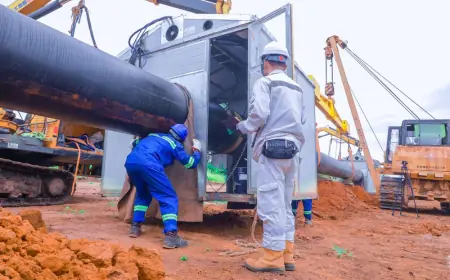
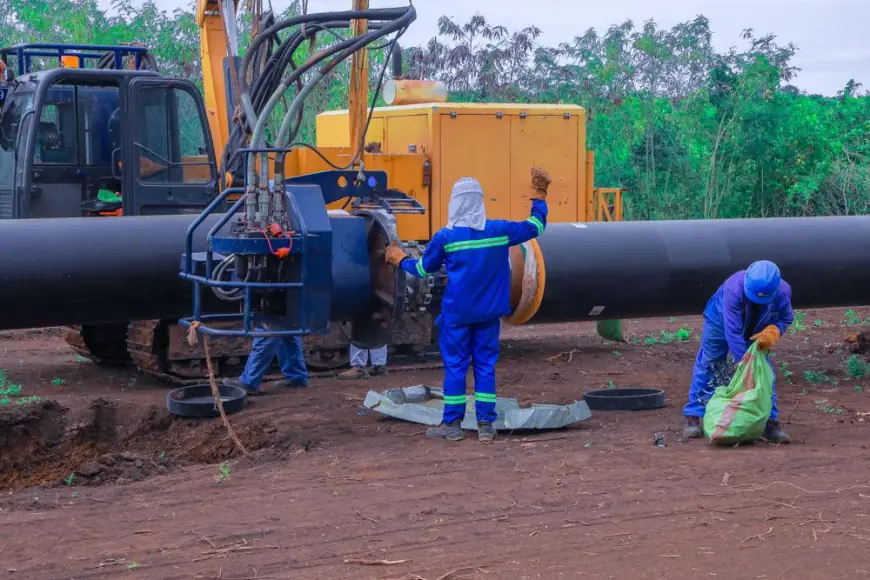
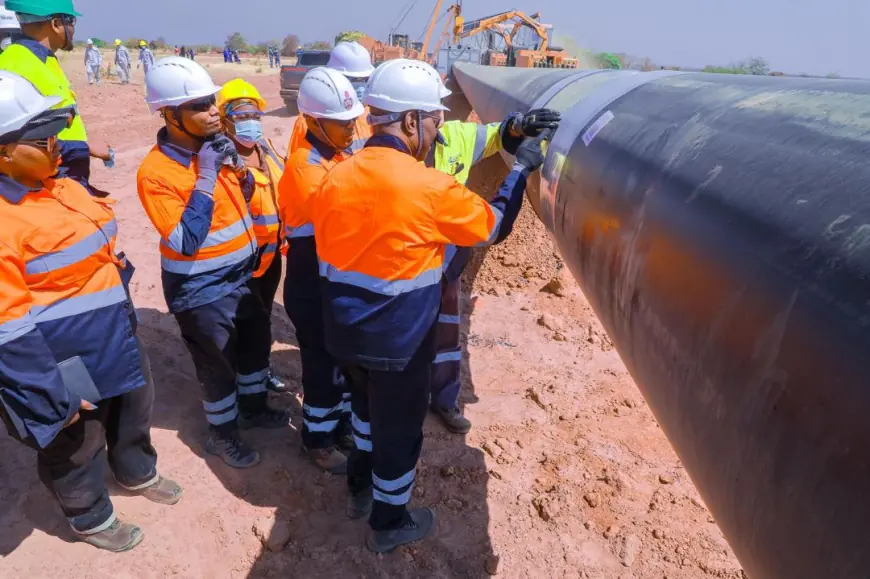
This declaration, marking the operational launch of the East African Crude Oil Pipeline (EACOP), signals a decisive turning point in regional trade and energy logistics.
While the pipeline’s construction stands as a formidable engineering feat, its commissioning ushers in a new commercial order.
The development is set to reposition Tanzania as a leading logistics and transit hub, reshaping the competitive geography of East African trade.
Tanga Port: The New Northern Giant
For decades, the Northern Corridor was virtually synonymous with Kenya’s Port of Mombasa, while Tanzania’s Central Corridor revolved around Dar es Salaam.
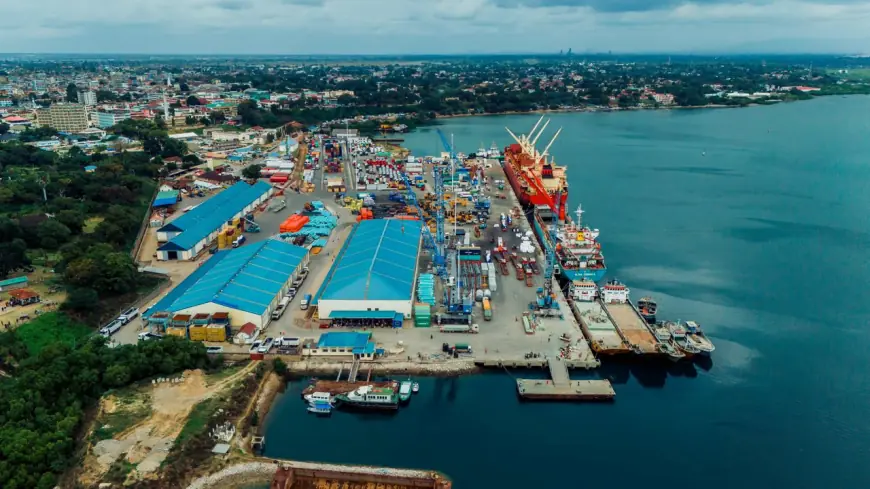
Despite its favourable location and deep-water capacity, Tanga Port remained peripheral, constrained by limited infrastructure and underinvestment.
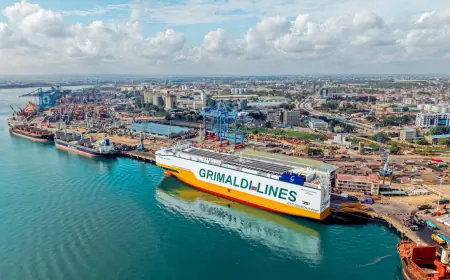
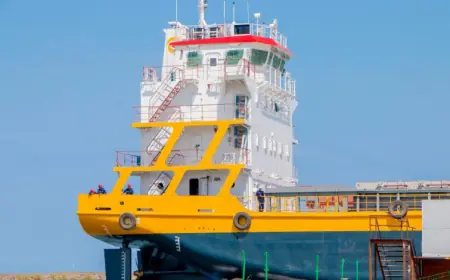
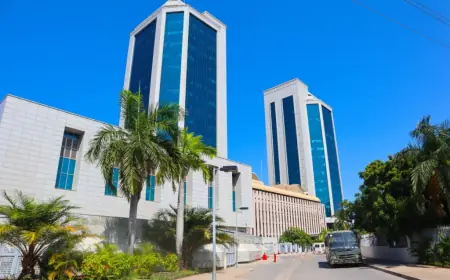
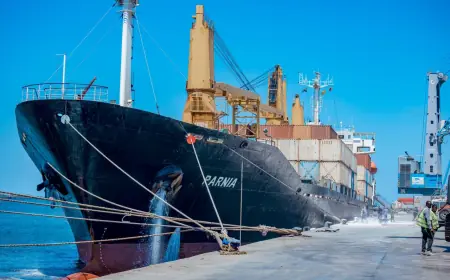
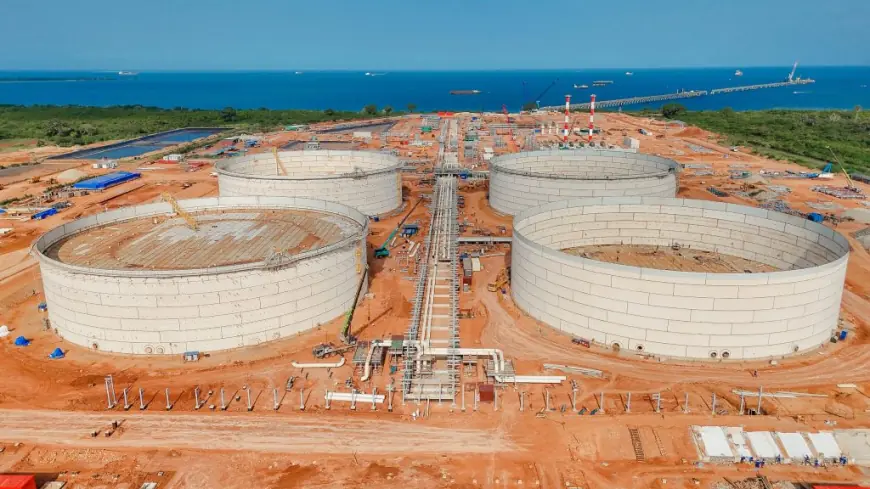
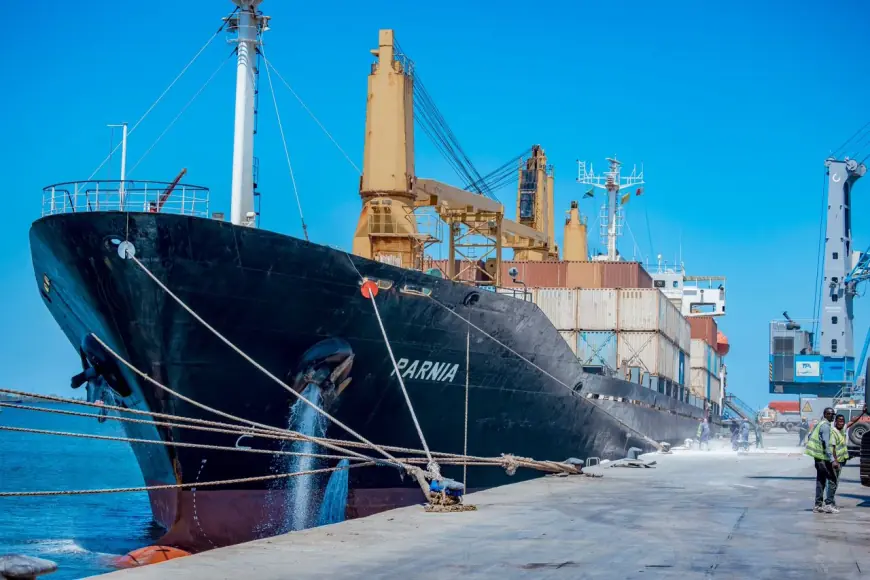
That chapter has now closed. Following extensive rehabilitation, Tanga Port is rapidly emerging as Tanzania’s principal northern maritime gateway.
By hosting the EACOP marine terminal, Tanga has effectively disrupted the long-standing dominance of Mombasa over landlocked energy exports.
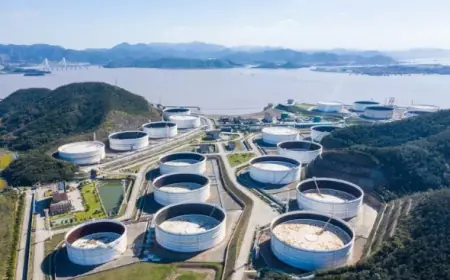
The port’s upgraded berths, expanded storage facilities and modern handling systems now allow it to accommodate large crude carriers and specialised offshore loading operations.
This shift is generating a powerful new economic axis in northern Tanzania.
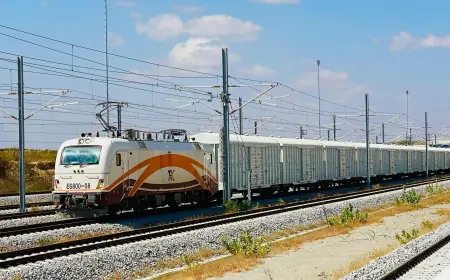
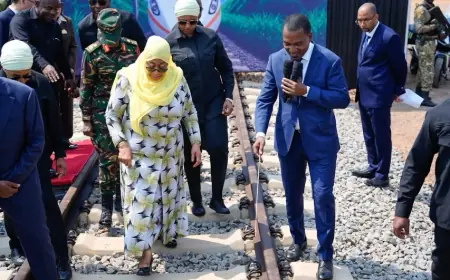
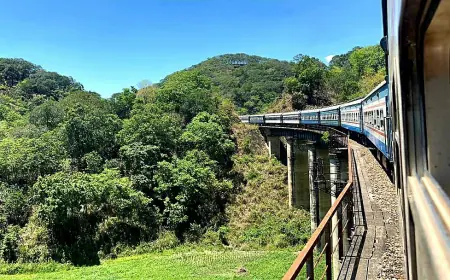
It is drawing significant infrastructure investment, including the proposed Tanga–Musoma standard-gauge railway and associated product pipelines.
Together, these projects are expected to integrate road, rail and maritime transport, positioning Tanga as a formidable competitor to regional ports and anchoring Tanzania more firmly in global supply chains.
A dual-gateway strategy for energy
The July launch of crude exports does more than activate a single piece of infrastructure.
It establishes Tanzania as the region’s most critical energy gateway.
The country now operates a dual-corridor strategy that underpins both export and import flows.
Tanga Port functions as the world-class outlet for Ugandan crude destined for international markets.
At the same time, the Port of Dar es Salaam remains the primary entry point for refined petroleum products, linked inland through the long-established TAZAMA pipeline to Zambia and beyond.
By managing both the outward flow of crude in the north and the inward flow of refined fuel in the south, Tanzania has crafted a strategic configuration that strengthens its indispensability to regional energy security and global commerce.
This dual role enhances supply resilience, reduces transit risks and reinforces Tanzania’s position as a pivotal logistics node in sub-Saharan Africa.
Beyond oil: A multi-modal future
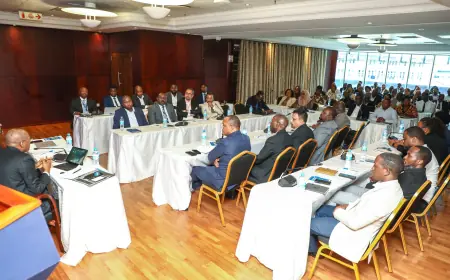
Talks between Presidents Samia and Museveni made clear that EACOP is intended as the cornerstone of a broader logistics transformation.
The two leaders outlined a series of interconnected initiatives designed to deepen regional integration and diversify transport corridors.
These include extending the standard-gauge railway from Isaka to Rwanda and Uganda to streamline dry cargo movement, constructing the Tanga–Musoma railway to link the Indian Ocean with Lake Victoria through an integrated rail and shipping system, and developing a proposed gas pipeline to export Tanzanian natural gas to Uganda, thereby strengthening regional energy trade.
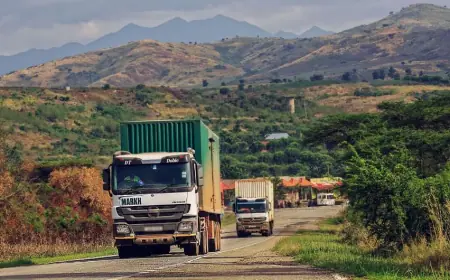
These projects are intended to ease congestion, reduce transport costs and improve reliability for traders across the Great Lakes region.
Collectively, they signal a decisive shift towards multi-modal logistics, blending rail, road, port and pipeline systems into a single, integrated network.
Strategic autonomy and regional unity
President Museveni’s visit, his first official foreign trip since his re-election in January 2026, highlighted the strategic importance Kampala attaches to its partnership with Dar es Salaam.
President Samia’s sustained drive to dismantle non-tariff barriers has further accelerated this alignment.
What's Your Reaction?
 Like
0
Like
0
 Dislike
0
Dislike
0
 Love
0
Love
0
 Funny
0
Funny
0
 Angry
0
Angry
0
 Sad
0
Sad
0
 Wow
0
Wow
0