




































Why Tanzania’s waste crisis is a multi-billion-shilling investment opportunity
The sheer volume of discarded material presents a unique opportunity to transform an ecological challenge into a powerhouse for energy production and industrial manufacturing
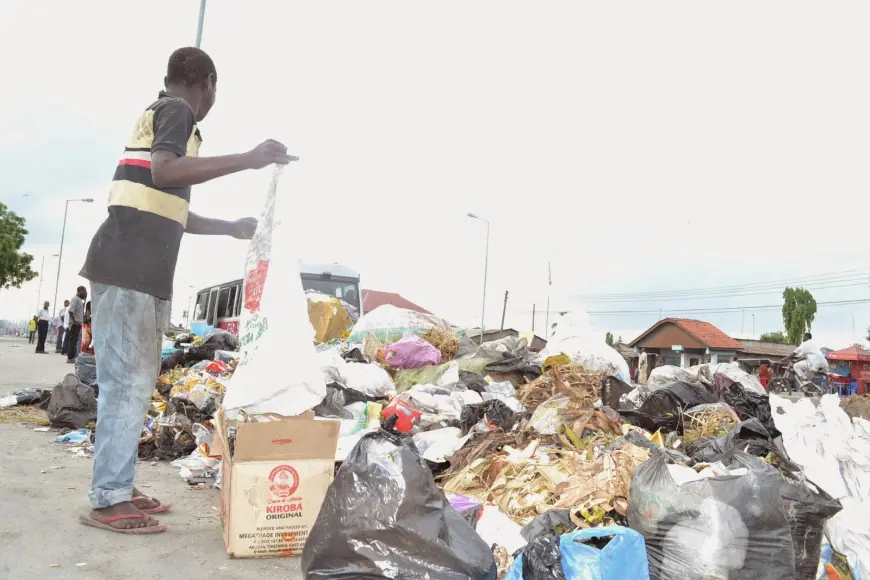
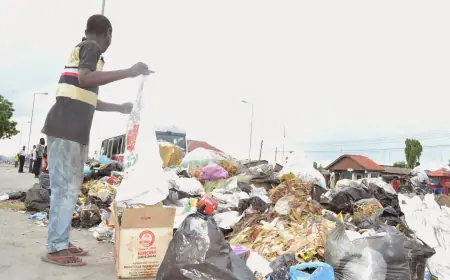
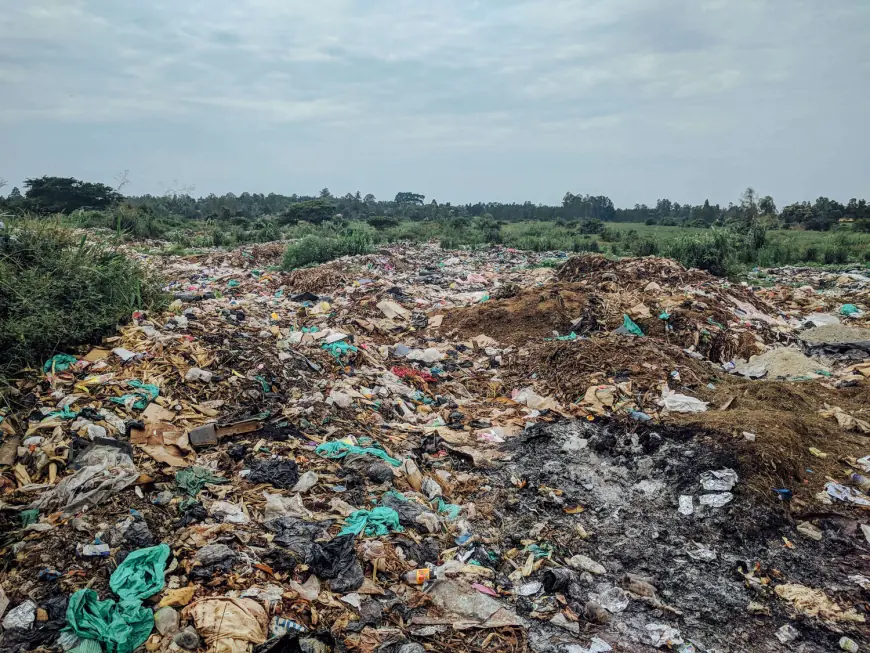
Dar es Salaam. The mounting piles of solid waste across Tanzania are frequently viewed as a significant environmental burden.
However, a deeper analysis reveals that this 'garbage crisis' is actually a multi-billion-shilling goldmine waiting to be tapped by local and foreign investors.
The sheer volume of discarded material presents a unique opportunity to transform an ecological challenge into a powerhouse for energy production and industrial manufacturing.
Government data highlights the scale of the available raw material.
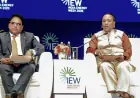
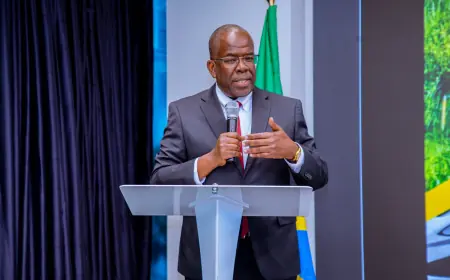
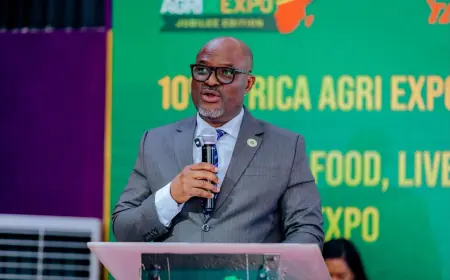
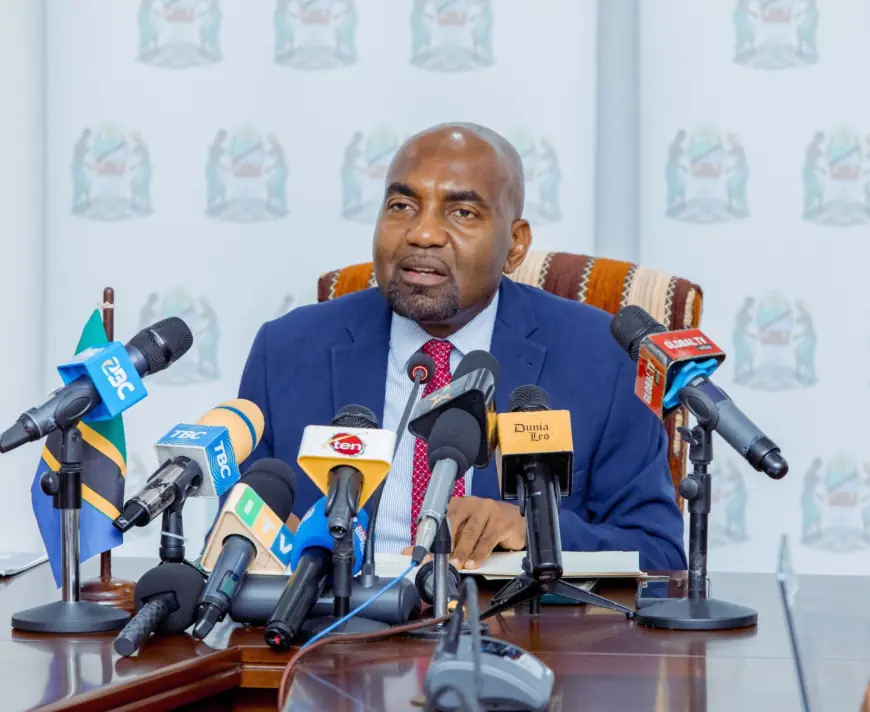
The Minister of State in the Vice President’s Office (Union and Environment), Hamad Yussuf Masauni, on May 11, 2026 disclosed that Tanzania generates between 12 million and 17 million tonnes of solid waste annually.
This figure is not static.
“Garbage production is projected to rise sharply to between 30 million and 60 million tonnes annually by 2050 as urbanisation and industrial growth intensify,” he told reporters.
For an investor, these figures represent a guaranteed, growing supply of feedstock.
The composition of this waste is particularly attractive for specific sectors.
Mr Masauni noted that between 60 percent and 75 percent of the projected waste will comprise biodegradable materials.
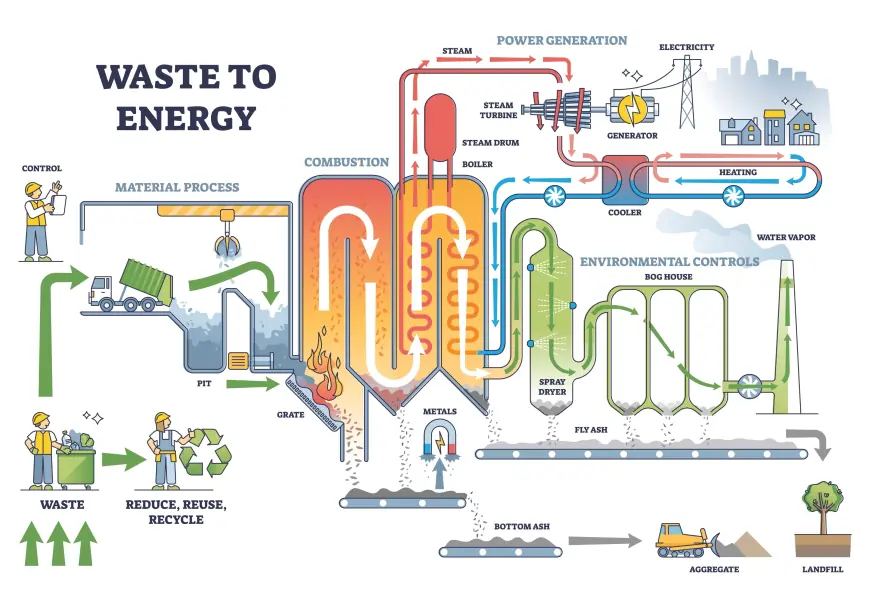
This organic surplus is the ideal foundation for a robust waste-to-energy sector.
International success stories provide a blueprint for what Tanzania could achieve.
Sweden is perhaps the most notable example.
The country has mastered the art of recycling and waste-to-energy conversion to such an extent that less than one percent of its household waste is sent to landfills.
Sweden actually imports waste from other European countries to keep its heating and power plants running.
This demonstrates that with the right technology and investment, waste is no longer a liability but a sought-after commodity.
Tanzania’s biodegradable waste can be converted into high-quality organic fertilisers.
This would support the nation's agricultural sector while reducing reliance on expensive chemical imports.
Simultaneously, anaerobic digestion and thermal treatment can turn that same waste into electricity for the national grid.
This aligns with the government's push for the promotion of clean and renewable energy.
The opportunity extends beyond organics.
Approximately 10 percent to 15 percent will consist of recyclable waste such as plastics, metals, and glass.
In countries like Germany, advanced sorting and processing facilities have created thousands of jobs and fuelled a circular economy where materials are reused indefinitely.
Foreign investors bringing technical expertise in automated sorting can find a ready market in Tanzania's rapidly growing cities.
Dira 2050
Tanzania has a fertile policy environment to kick-start the circular economy.
The government is preparing to officially begin implementing the National Development Vision 2050 (Dira 2050), whose third pillar focuses on environmental conservation and climate change resilience.
This political commitment provides a stable framework for long-term capital projects in the waste sector.
“The country must demonstrate firm commitment through practical measures aimed at environmental conservation," Mr Masauni said.
For the private sector, these practical measures include the construction of modern recycling plants and waste-processing hubs.
The government views environmental sustainability as a critical component of the country’s long-term economic and social development agenda.
PPPs
Public-private partnerships could be the key to unlocking this potential.
By investing in the collection and processing infrastructure in major cities like Arusha, Dar es Salaam, and Mwanza, investors can help the government meet its climate goals while generating significant returns.
The current gap in recycling capacity is not just a problem to be solved; it is a market vacancy waiting to be filled.
Ultimately, the transition from a linear 'throw-away' culture to a circular economy is an economic necessity.
As the Mr Masauni warned; "Every Tanzanian should act now to ensure that the development we are achieving does not harm the environment and the lives of future generations."
By turning the 17 million tonnes of annual waste into power and fertiliser, investors can ensure that Tanzania's future growth is both profitable and sustainable.
What's Your Reaction?
 Like
1
Like
1
 Dislike
0
Dislike
0
 Love
1
Love
1
 Funny
0
Funny
0
 Angry
0
Angry
0
 Sad
0
Sad
0
 Wow
1
Wow
1

Related Posts

-
 Philbert Katohttp://mbidea.or.tz/ looking for any partner to venture in environmental bankable projects. Am MR Kato WhatsApp+255682485293 or +255752627243. Welcome.