

























































Zanzibar launches electric bus services as Tanzania advances nationwide e-mobility drive
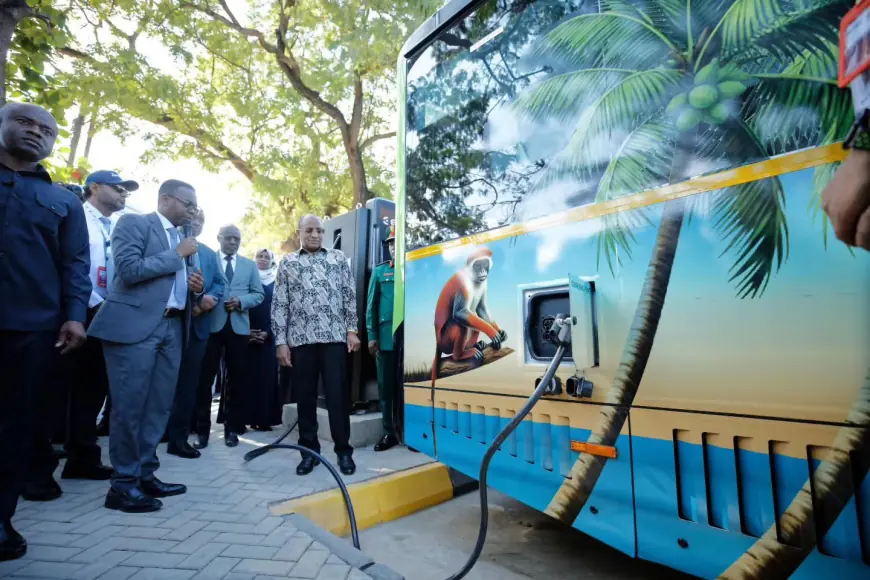
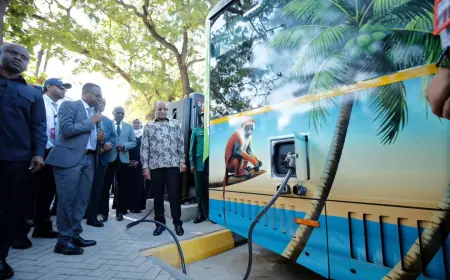
Zanzibar. Zanzibar has officially launched its first fleet of electric buses, marking a transformative step in modernising public transport, curbing carbon emissions, and advancing clean energy across the archipelago.
The move forms part of a broader nationwide transition across Tanzania, where public and private initiatives are rapidly aligning to build a sustainable e-mobility ecosystem.
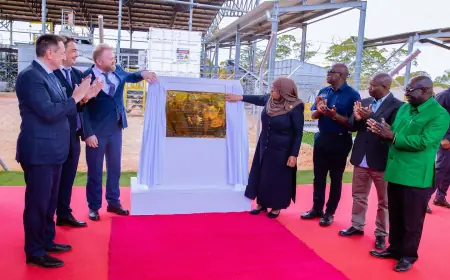
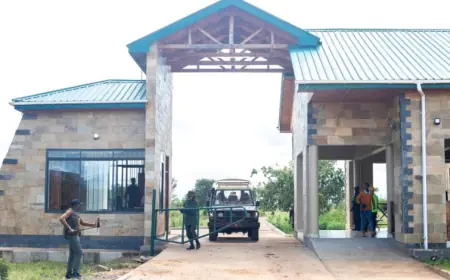
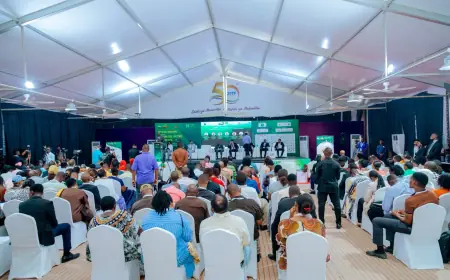
Inaugurating the electric bus service alongside the newly constructed Malindi Bus Terminal on Thursday, July 23, 2026 the President of Zanzibar Dr Hussein Ali Mwinyi, described the initiative as a cornerstone of the island’s sustainable urban transport vision.
Beyond modernising daily travel, the electric buses are expected to reduce urban air pollution, lower long-term operating overheads, and shift the transport sector away from reliance on imported fossil fuels.
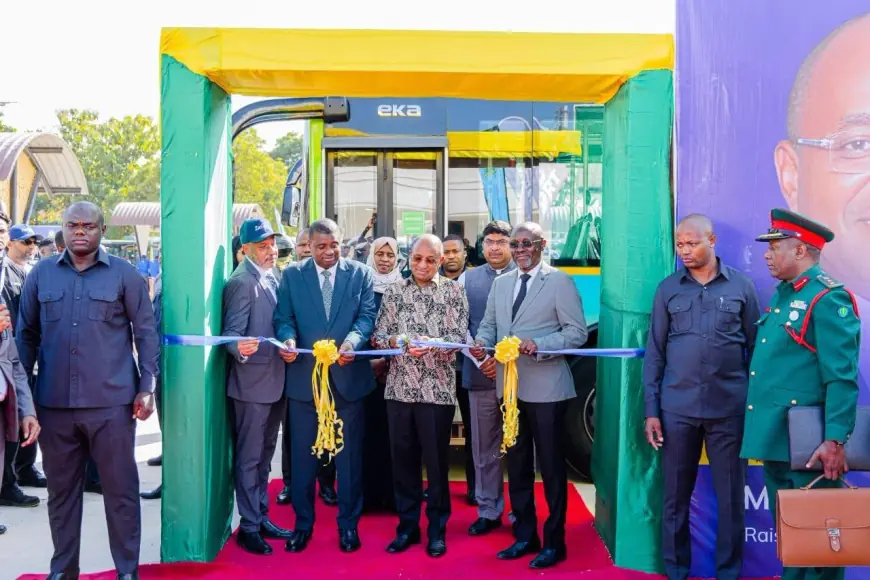
During the ceremony, President Mwinyi issued a clear directive to the Zanzibar Social Security Fund (ZSSF) to accelerate the construction of remaining modern bus stations across the islands.
He stressed that completing this supporting infrastructure swiftly remains vital to ensuring commuters can fully enjoy the benefits of a safe, efficient, and reliable transit system.
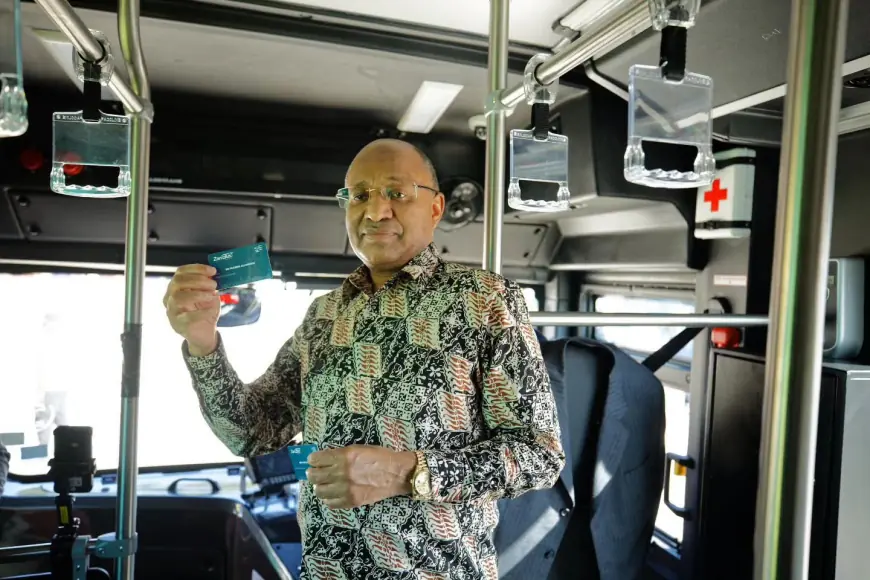
To improve accessibility and streamline fare collection, the government also introduced dedicated electronic transport cards tailored for students, elderly citizens, and other specific passenger groups.
The digital fare system aims to enhance convenience while ensuring equitable access to clean public transport.
President Mwinyi reaffirmed that the e-mobility rollout sits alongside major strategic infrastructure projects currently underway across Zanzibar.
These encompass extensive upgrades to road networks, water supply systems, maritime ports, airports, healthcare facilities, and the multi-purpose Sports City being constructed ahead of the 2027 Africa Cup of Nations (AFCON), which Tanzania will co-host alongside Kenya and Uganda.
He called on residents to safeguard public assets and actively support the national development agenda.
Zanzibar's launch reflects a growing momentum across the entire Tanzanian federation.
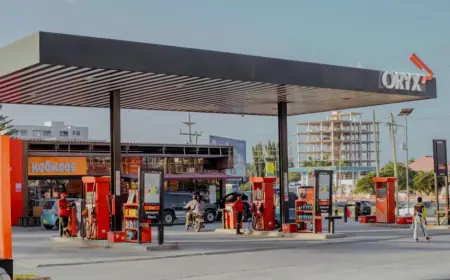
In Dodoma, the Minister for Energy, Deogratius Ndejembi, recently inaugurated a flagship electric vehicle charging station network at the Tanzania Electric Supply Company (TANESCO) headquarters.
Developed in partnership with international development agencies, the project includes the deployment of modern charging stations across major urban centres, including Dar es Salaam, Dodoma, Morogoro, and Mwanza.
To ensure structured growth and regulatory clarity for investors and operators, Tanzania's Energy and Water Utilities Regulatory Authority (Ewura) has established official guidelines for e-mobility charging stations and battery-swapping infrastructure.
These regulatory frameworks establish clear technical standards, safety protocols, and operational guidelines for public and private charging facilities nationwide.
With expanding generation capacity from renewable and domestic power sources, Tanzanian authorities view electric transport as a key pillar in lowering the cost of living, expanding electricity utilisation, and meeting national climate goals.
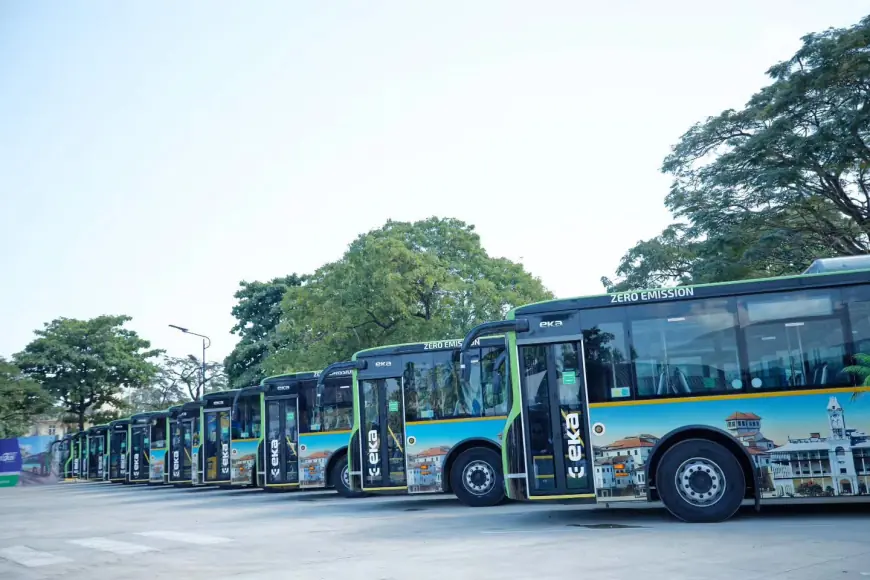
By integrating regulatory standards, charging infrastructure in major mainland cities, and zero-emission public transport in Zanzibar, Tanzania is positioning itself at the forefront of East Africa’s transition to clean energy mobility.
What's Your Reaction?
 Like
0
Like
0
 Dislike
0
Dislike
0
 Love
0
Love
0
 Funny
0
Funny
0
 Angry
0
Angry
0
 Sad
0
Sad
0
 Wow
0
Wow
0