



























































Tanzania woos global investors to expand health and life sciences sector
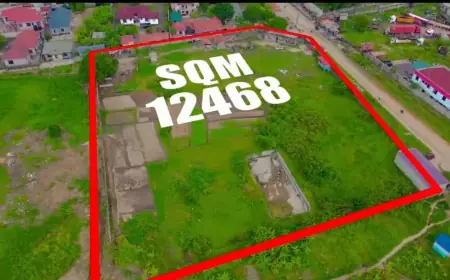
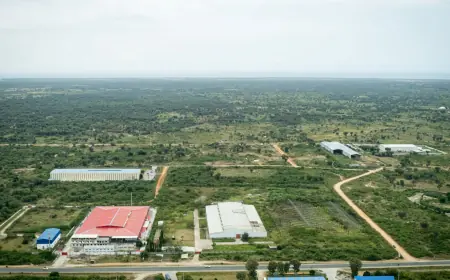
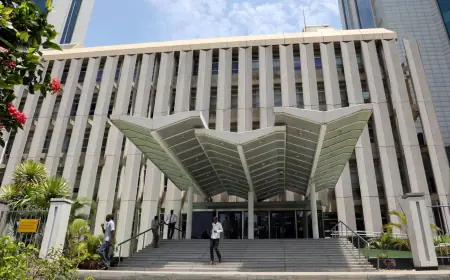
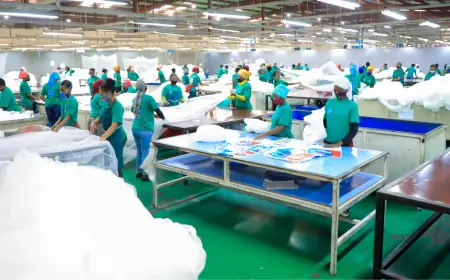
To support the sector, the government is developing the Mloganzila Pharmaceutical Special Economic Zone and expanding production facilities in Mloganzila and Kibaha


London. Tanzania has declared its readiness to partner with international investors to advance the health and life sciences sector.
The government said the country is positioning itself as a future hub for pharmaceutical production and medical supplies in Africa, part of a broader strategy to reduce reliance on imported medicines and strengthen national health security.
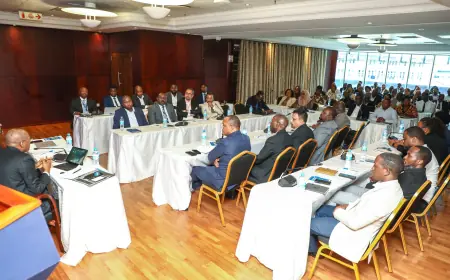
Speaking on behalf of Health Minister Mohamed Mchengerwa at a Health and Life Sciences Investment Forum in London, Deputy Permanent Secretary for Pharmaceuticals and Medical Devices, Emmanuel Tayari, assured investors of the government’s firm commitment to creating a conducive investment climate.
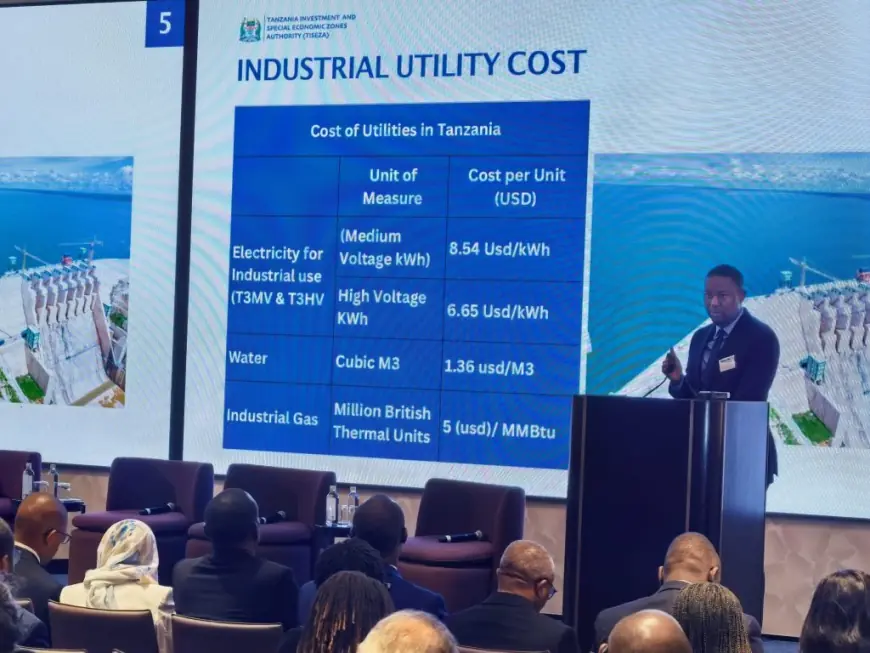
The forum was organised by the Embassy of Tanzania in the UK in collaboration with the Ministry of Health and brought together senior government officials and stakeholders from key institutions, including the Tanzania Investment Special Economic Zones Authority, Tanzania Medicines and Medical Devices Authority, Medical Stores Department and Muhimbili University of Health and Allied Sciences.

Tanzania’s pharmaceutical landscape has long been defined by heavy dependence on imports, with more than 80 per cent of medicines and medical devices brought from abroad in recent years.
This pattern has placed significant pressure on the country’s foreign exchange reserves and exposed it to global supply chain disruptions and price volatility, vulnerabilities that the Covid‑19 pandemic starkly exposed.
Government data show that local production currently meets only about 10–20 per cent of national demand, a shortfall policymakers now seek to reverse.
Mr Tayari said the government is determined to attract strategic investments in pharmaceutical manufacturing and medical equipment production.
He noted that these efforts are strongly backed by President Samia Suluhu Hassan, who has prioritised health investment as part of a broader agenda to strengthen health security and industrial development.
Indeed, President Samia has issued high‑level directives to fast‑track the construction of pharmaceutical plants and eliminate bureaucratic barriers to investment, with an aspirational target of achieving up to 80 per cent self‑sufficiency in medicines by 2030.

In his statement, Mr Mchengerwa said Tanzania now views the health sector not only as a social service but also as a driver of economic growth.
He stressed the country’s ambition to move beyond reliance on imported medical products and become a centre for production, innovation and regional distribution.
The government has set ambitious targets to increase domestic pharmaceutical output to between 60 per cent and 65 per cent of national demand by 2030, with longer‑term goals extending to 80 per cent self‑sufficiency by 2050.
He cited lessons from the COVID‑19 pandemic, which exposed vulnerabilities linked to overdependence on imports.
He said building domestic manufacturing capacity is essential to ensure resilience during global health emergencies, reduce exposure to price shocks and strengthen sovereign control over essential health supplies.
The minister highlighted Tanzania’s favourable investment conditions.
These include macroeconomic stability, a population of more than 65 million and ongoing health insurance reforms expected to boost demand for healthcare services.
He also pointed to Tanzania’s strategic position within the East African Community and the Southern African Development Community, offering access to a large regional market that spans hundreds of millions of potential consumers.
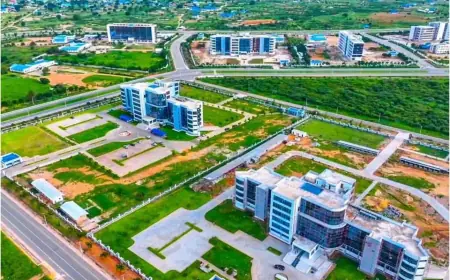
To support the sector, the government is developing the Mloganzila Pharmaceutical Special Economic Zone and expanding production facilities in Mloganzila and Kibaha, backed by significant capital allocations for shared laboratory infrastructure and quality‑control facilities.
These zones are intended to offer investors world‑class industrial infrastructure linked to testing, bioequivalence studies and regulatory compliance support, critical prerequisites for international market competitiveness.
It has also established the Pharmaceutical Investment Acceleration Taskforce to streamline procedures, fast‑track key projects and resolve regulatory roadblocks.
Under this framework, project approvals, land access, licensing, taxation and product registration will be handled concurrently rather than sequentially, markedly reducing time and cost barriers for serious investors.
Mr Mchengerwa emphasised that Tanzania is targeting high‑quality, internationally compliant pharmaceutical production, warning against becoming a destination for outdated technologies or substandard products.
He stressed that local manufacturers must align with stringent global benchmarks, including World Health Organization standards and Good Manufacturing Practice, to ensure product safety and acceptance in regional and global markets.
He urged investors to explore opportunities across the value chain, including manufacturing, diagnostics, supply systems and research and development.
He said the United Kingdom remains a key partner, given its strength in health technology and research, and called for strategic partnerships to accelerate sector growth.
He concluded by inviting global investors to seize opportunities in Tanzania, assuring them of strong government support and a stable investment environment as the country endeavours to transform its pharmaceutical industry into a pillar of health security and economic prosperity.
What's Your Reaction?
 Like
0
Like
0
 Dislike
0
Dislike
0
 Love
0
Love
0
 Funny
0
Funny
0
 Angry
0
Angry
0
 Sad
0
Sad
0
 Wow
0
Wow
0