



























Tanzania rises to fourth most attractive mining destination in Africa
This milestone follows the release of the Fraser Institute Annual Survey of Mining Companies 2025 that shows that Tanzania trails only Botswana, Morocco, and Zambia on the continent

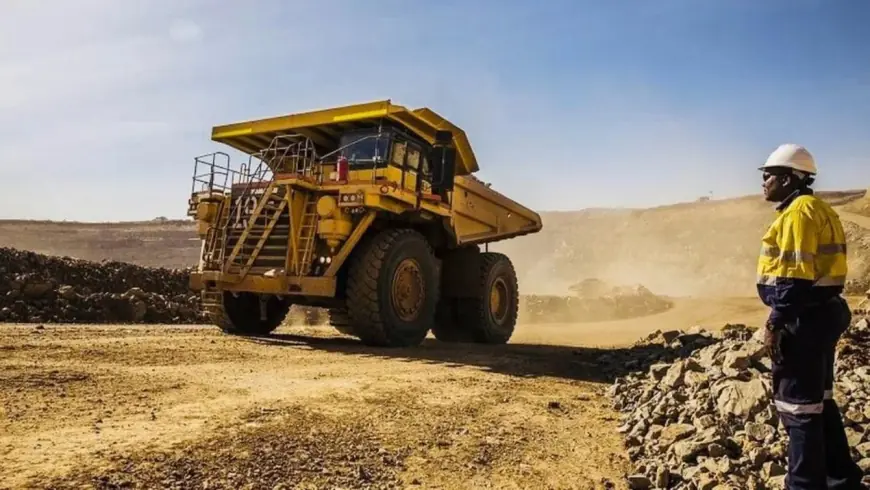
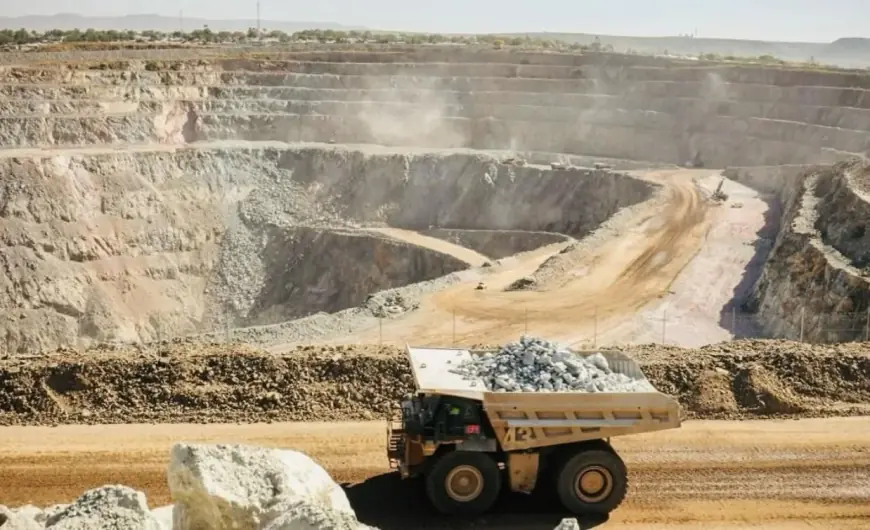
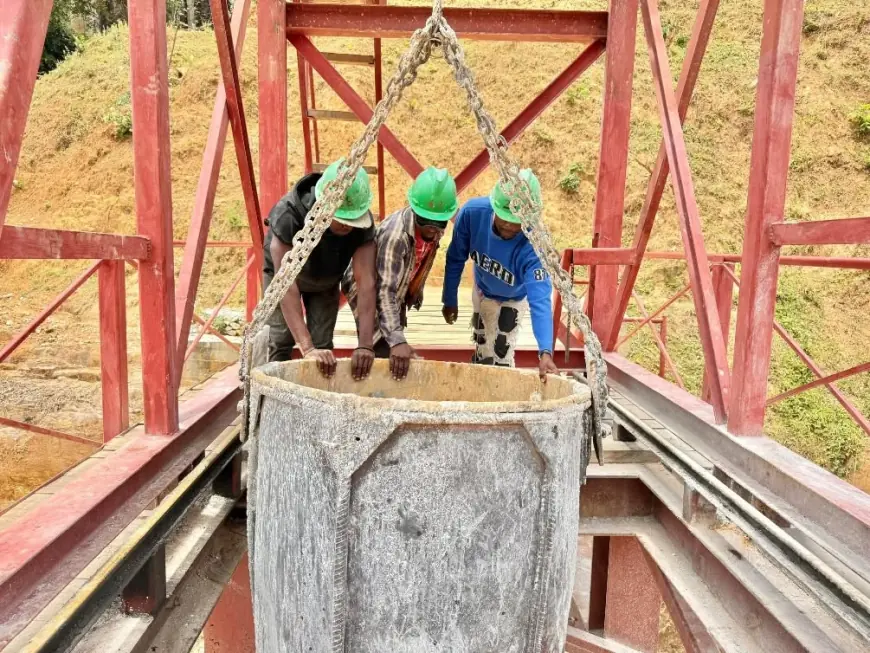
Tanzania has secured a formidable position as a global hub for mineral investment.
The nation now ranks fourth in Africa for investment attractiveness within the mining sector.
This milestone follows the release of the Fraser Institute Annual Survey of Mining Companies 2025 with Tanzania trailing only Botswana, Morocco, and Zambia on the continent.
The country’s Investment Attractiveness Index (IAI) score has seen a remarkable trajectory. It climbed to 68.04 in 2025 from 62.75 in 2024.
This is a significant leap from the 46.38 recorded in 2023. Globally, Tanzania holds the 34th position out of 68 jurisdictions evaluated.
These figures reflect a surge in investor confidence and a strengthening of the local business climate.
The survey gathered insights from 2,304 explorers and mining executives worldwide.
It utilises a weighted formula to determine rankings. Mineral potential accounts for 60 percent of the score. The remaining 40 percent focuses on policy frameworks and ease of doing business.
Tanzania performed exceptionally well in the Best Practices Mineral Potential Index. It ranked 15th globally with a score of 75.00.
A legacy of reform
This current success is the result of decades of structural evolution. In the 1990s, Tanzania moved away from state-led mining toward a market-oriented approach.
The Mining Act of 1998 successfully attracted large-scale foreign direct investment.
However, public sentiment eventually shifted. Many felt the nation was not receiving its fair share of mineral wealth.
In 2017, the government introduced sweeping legislative changes.
These reforms asserted "permanent sovereignty" over natural resources.
They mandated a 16 percent non-dilutable free-carried interest for the government in all mining projects.
The laws also hiked royalty rates and introduced local content requirements. This era was marked by intense negotiations with multinational giants.
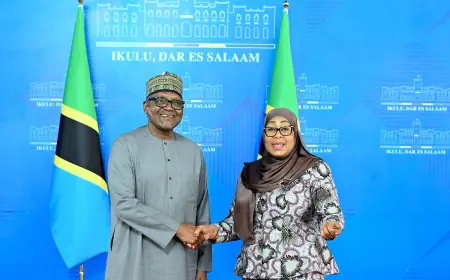
President Samia Suluhu Hassan has been widely praised for refining these policies. Her administration has focused on creating a more predictable and investor-friendly environment.
She has prioritised "The 4Rs": Reconciliation, Resilience, Reforms, and Rebuilding. This approach has smoothed over previous frictions with international mining houses.
The government has successfully settled long-standing disputes.
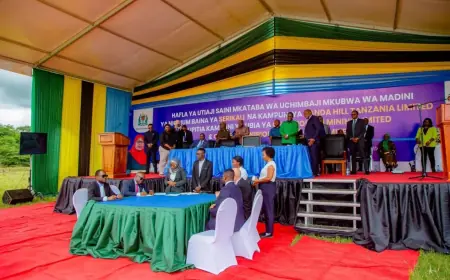
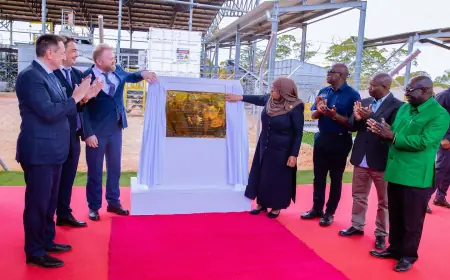
It has also formalised partnerships through joint venture companies like Twiga Minerals.
These efforts have balanced national interest with the need for competitive returns for investors.
The 2025 Fraser Institute results confirm that this "pro-business with a purpose" stance is working.
Strategic focus on critical minerals
Tanzania is now positioning itself for the global energy transition.
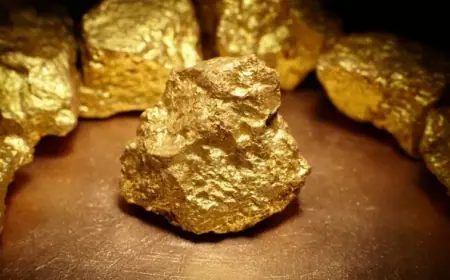
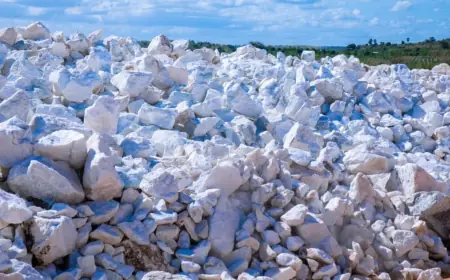
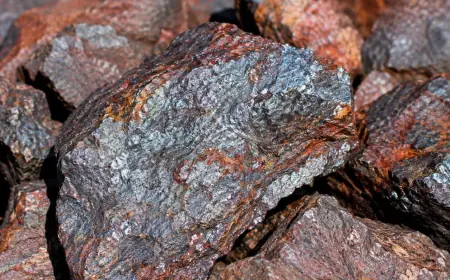
The country possesses vast reserves of "green" minerals. These include nickel, graphite, lithium, and rare earth elements.
These materials are essential for electric vehicle batteries and renewable energy technologies.
Significant projects are already underway. The Kabanga Nickel project and various graphite developments are attracting hundreds of millions of dollars.
By improving geological data and infrastructure, the state aims to become a primary supplier for the global tech industry.
The rise in the Best Practices Mineral Potential Index suggests that the world is taking notice of Tanzania's unique geological wealth.
What's Your Reaction?
 Like
0
Like
0
 Dislike
0
Dislike
0
 Love
0
Love
0
 Funny
0
Funny
0
 Angry
0
Angry
0
 Sad
0
Sad
0
 Wow
0
Wow
0