




























































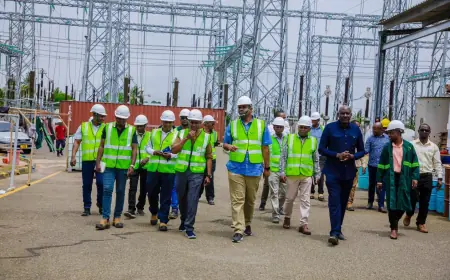








Manufacturing leads as Tanzania attracts $6.2bn in fresh investments

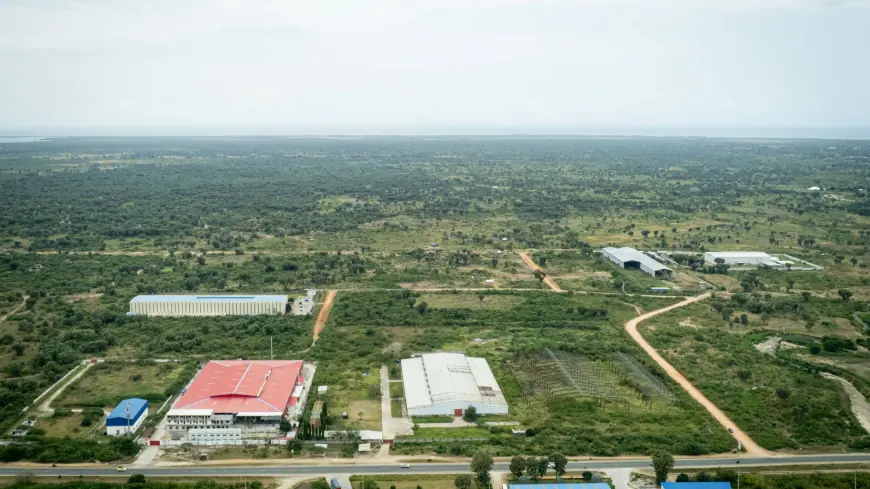
Dodoma. Tanzania’s investment drive has gathered fresh momentum, with the Tanzania Investment and Special Economic Zones Authority registering 611 new investment projects worth $6.23 billion by March 2026.
The feat signals a broadening of industrial ambition under the country’s restructured investment regime.
Figures presented to Parliament by the Minister of State in the President’s [Office for Planning and Investment], Prof Kitila Mkumbo, show that the new projects are expected to generate 102,463 jobs, while 45 expansion projects worth $586.12 million are projected to create an additional 9,472 employment opportunities.
The numbers reflect a steady acceleration of investor interest at a time when Tanzania is consolidating its institutional framework to simplify investment processes and enhance competitiveness within the region.
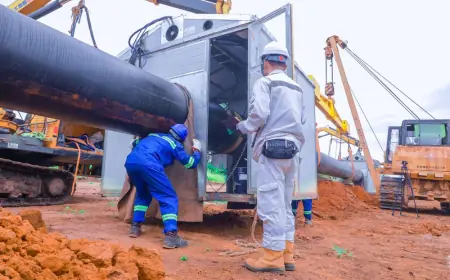
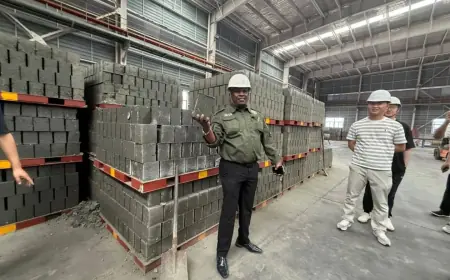
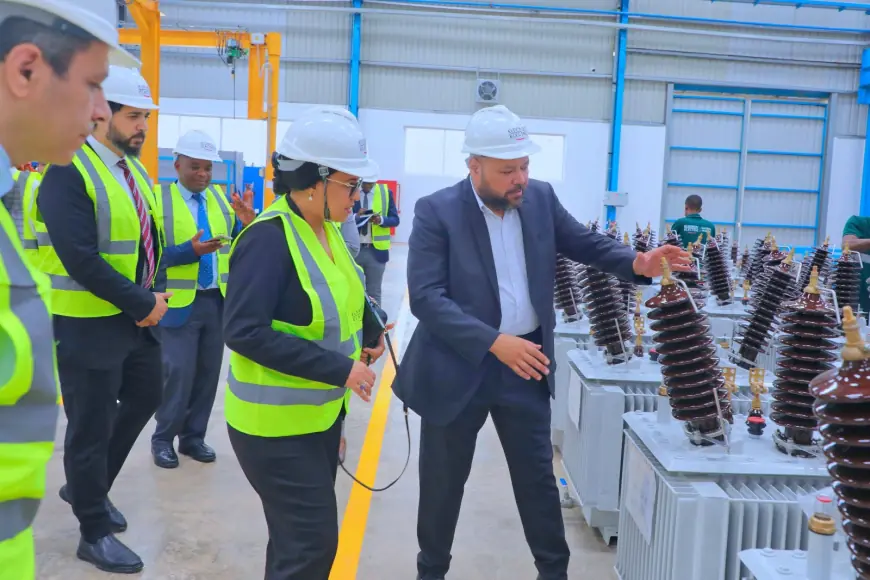
Manufacturing emerged as the dominant sector, accounting for 47.41 percent of registered projects. It was followed by transport (13.11 percent), commercial real estate development (12.04 percent), tourism (10.21 percent), and agriculture (7.77 percent).
Regionally, the flow of capital remained heavily concentrated in major commercial corridors. Dar es Salaam led with 34.76 percent, followed by Pwani with 21.19 percent, Arusha with 7.32 percent, and both Mwanza and Dodoma with 4.12 percent each.
These figures illustrate not only the geographical clustering of economic activity but also the continued importance of coastal logistics infrastructure in shaping investor decisions.

A New Institutional Era for Investment Promotion
The rise of Tiseza itself marks a decisive shift in Tanzania’s investment architecture. The authority was formally established on July 1, 2025 following the enactment of the Investment and Special Economic Zones Act No 6 of 2025, which merged the former Tanzania Investment Centre and the Export Processing Zones Authority into a single unified body.
Prior to the merger, the Tanzania Investment Centre, founded in 1997, served as the principal investment promotion agency responsible for facilitating investor entry and approvals.
Meanwhile, EPZA, established under the Export Processing Zones Act of 2002, focused on the development and regulation of export-oriented industrial zones and later expanded to oversee Special Economic Zones.
Over time, the coexistence of these institutions created overlaps in responsibilities, administrative duplication, and delays that investors frequently cited as constraints.
A government evaluation conducted in 2023 identified these inefficiencies and recommended consolidation to improve service delivery and coordination.
The resulting merger produced Tiseza as an apex authority tasked with managing all investment promotion, facilitation, and Special Economic Zone development under one institutional roof.
This consolidation replaced multiple earlier laws, including the Tanzania Investment Act, the Export Processing Zones Act, and the Special Economic Zones Act, bringing investment governance into a single modernised legal framework.
Officials view the reform as a cornerstone in Tanzania’s long-term ambition to position itself as a regional manufacturing and logistics hub.
Special Economic Zones at the Centre of Industrial Strategy
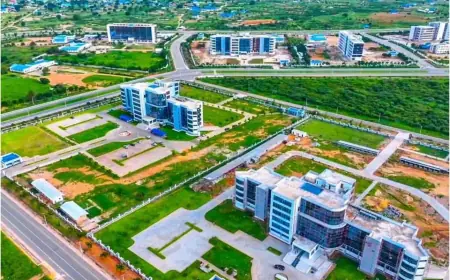
Central to the authority’s mandate is the expansion of Special Economic Zones (SEZs), which are designed to stimulate exports, industrialisation, and technology transfer.
As of March 2026, 19 projects had already been issued both operational and development licences within these zones.
The projects carry a combined value of $331.51 million, with expected exports estimated at $885.23 million and 11,762 jobs projected.
Five strategic SEZ locations have been prioritised to support industrial growth and regional development. These include:
· Bagamoyo Eco-Maritime City and Intermodal Transport Zone
· Nala SEZ in Dodoma
· Kwala SEZ in Kibaha
· Buzwagi SEZ in Kahama
· Expansion of the Benjamin William Mkapa SEZ in Dar es Salaam
Each of these zones has been earmarked for targeted infrastructure development and supported through special non-tax incentives aimed at attracting large-scale industrial investors.
The strategy reflects lessons drawn from earlier export-oriented industrialisation programmes introduced under EPZA, which demonstrated the potential of industrial parks to attract capital and generate foreign exchange earnings.
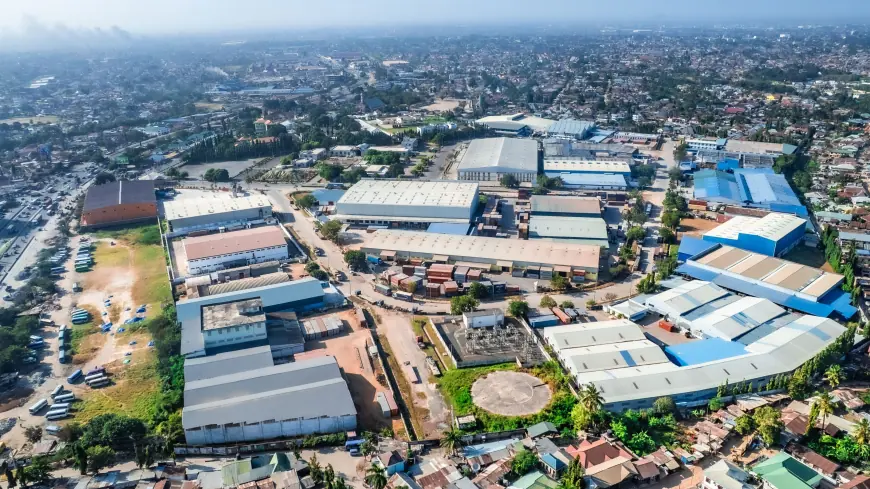
Record-Breaking Growth in Project Registrations
Beyond the latest figures, historical data suggests a dramatic rise in project registration levels over recent years.
In 2025 alone, Tiseza registered 915 projects worth $10.95 billion, the highest number recorded since Tanzania introduced a formal investment registration system in 1996.
Over a five-year period, the number of projects increased from 256 in 2021 to 915 in 2025, representing a 257.4 percent growth.
This upward trajectory coincides with broader macroeconomic reforms aimed at improving Tanzania’s attractiveness as an investment destination.
According to international investment assessments, Tanzania has emerged as one of the fastest-growing investment destinations in Africa, supported by regulatory reforms and expanding infrastructure networks.
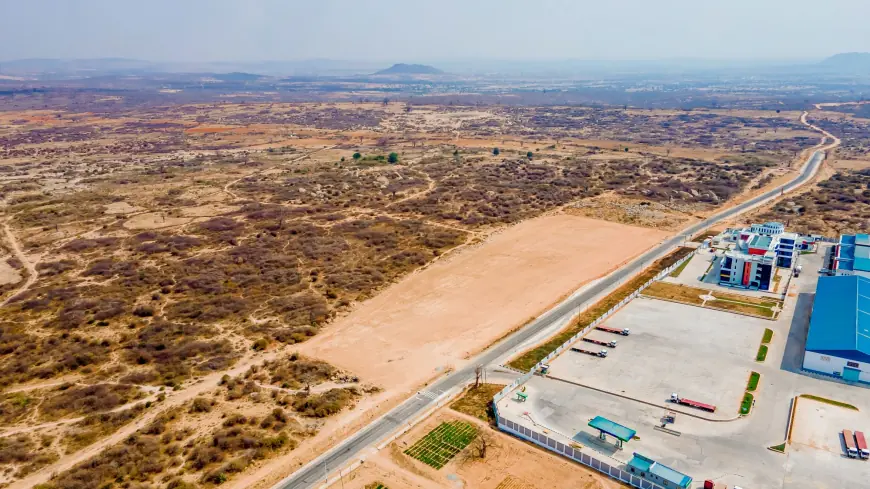
Strengthening Investor Services through Digital Systems
Alongside institutional reforms, the government has invested heavily in improving service delivery mechanisms.
One of the most significant reforms has been the strengthening of the One Stop Facilitation Centre, which allows investors to process licences, permits, and land documentation through a single integrated platform.
To enhance efficiency, the Ministry of Lands upgraded its representation at the centre by appointing an Assistant Commissioner for Lands with powers equivalent to those of a Regional Land Commissioner, including authority to issue land titles.
The move is intended to address longstanding challenges associated with land acquisition, one of the most frequently cited barriers to investment.
Further reforms include the introduction of Guidelines for Investor Service Providers, which have resulted in the registration and training of more than 100 service providers tasked with facilitating investor access to government processes and business support services.
These initiatives are designed to create a transparent and predictable investment ecosystem.
Expanding Opportunities for Youth and Small-Scale Investors
Recognising the need to broaden participation in industrial development, the authority has introduced targeted initiatives for youth and small-scale entrepreneurs.
In March 2026, Tiseza launched the Export and Procurement Support Centre at the Benjamin Mkapa SEZ in Mabibo, Dar es Salaam. The centre was established in collaboration with Nexa International Centre to provide specialised support to emerging investors.
- Its mandate includes:
- Facilitating access to finance
- Supporting entry into international markets
- Improving logistics and cross-border trade
· Assisting procurement of machinery and raw materials
These services aim to nurture domestic entrepreneurship while enabling local firms to integrate into global value chains.
Investment Climate Reforms and Institutional Rationalisation
The formation of Tiseza also forms part of a broader government strategy to rationalise public institutions and reduce administrative inefficiencies.
Following a national assessment conducted in 2023, authorities directed the merger of 14 public institutions and the abolition of three others whose mandates were considered outdated or overlapping.
The merger of TIC and EPZA into Tiseza represents one of the most consequential outcomes of this reform process.
Officials maintain that the consolidation will eliminate duplication, reduce bureaucracy, and provide investors with a single authoritative gateway into the Tanzanian market.
Land Banks and Industrial Infrastructure Development
One of the defining features of the new investment framework is the development of a national land bank.
Under this system, land suitable for investment is identified, catalogued, and prepared with essential infrastructure such as roads, electricity, water supply, and communications facilities.
This initiative addresses a persistent structural constraint that has historically slowed project implementation, limited availability of serviced land ready for industrial use.
The land bank is also expected to improve transparency and reduce disputes by ensuring that investors receive clear documentation and secure tenure arrangements.
Industrial Transformation and Export Growth
The expansion of investment activities under Tiseza aligns with Tanzania’s long-term development ambitions outlined in Vision 2050 and the Fourth Five-Year Development Plan.
These frameworks emphasise industrialisation as the principal driver of economic transformation.
Special Economic Zones, in particular, are expected to play a decisive role in boosting exports and encouraging value addition to local raw materials.
Historically, export-oriented industrialisation has been a central component of Tanzania’s strategy to strengthen foreign exchange earnings and integrate domestic industries into international markets.
By integrating investment promotion with zone development under a single authority, policymakers hope to create stronger linkages between domestic production and global supply chains.

Sustaining Momentum Amid Untapped Potential
Despite the progress recorded, officials acknowledge that significant untapped potential remains.
Investment flows continue to concentrate heavily in a limited number of regions, suggesting the need for improved infrastructure and service delivery in emerging growth corridors.
Furthermore, while manufacturing leads current investment patterns, agriculture and tourism remain underexploited relative to their long-term economic potential.
The continued expansion of Special Economic Zones, improvements in logistics networks, and strengthening of regulatory transparency are expected to determine whether the present momentum can be sustained.
Nevertheless, the consolidation of investment functions under Tiseza marks one of the most consequential institutional reforms undertaken in recent years.
It represents not merely an administrative restructuring but a strategic redefinition of how Tanzania engages with domestic and foreign investors.
As the country advances into the next phase of its development journey, the effectiveness of this new institutional framework will play a defining role in shaping industrial growth, employment creation, and export competitiveness across the coming decade.
What's Your Reaction?
 Like
0
Like
0
 Dislike
0
Dislike
0
 Love
0
Love
0
 Funny
0
Funny
0
 Angry
0
Angry
0
 Sad
0
Sad
0
 Wow
0
Wow
0