






















Inside Aliko Dangote’s rapid succession of visits to Tanzania
Against a backdrop of shifting regional investment competition, the discussions at State House are understood to have moved beyond preliminary exploration into more structured project design considerations
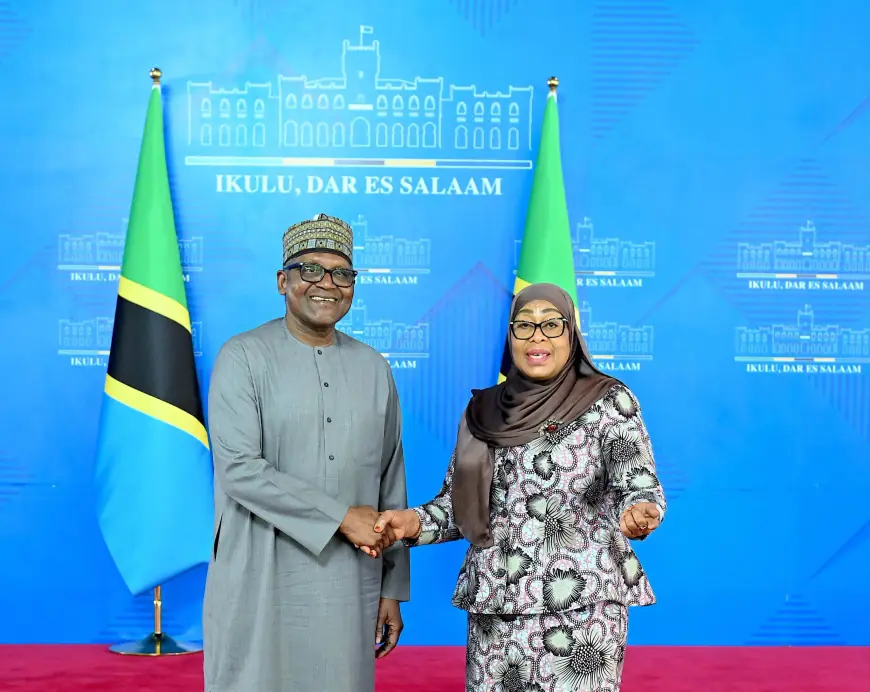
Dar es Salaam. A pattern of closely spaced high-level engagements between the Tanzanian leadership and Africa’s wealthiest industrialist has begun to draw attention across diplomatic and investment circles, signalling what may be an accelerated phase of economic negotiations between Dar es Salaam and the Dangote Group.
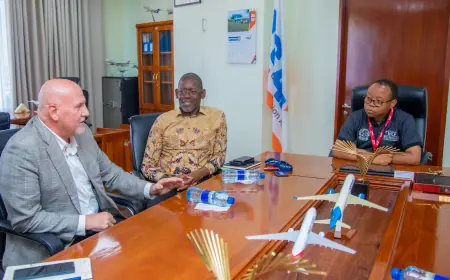
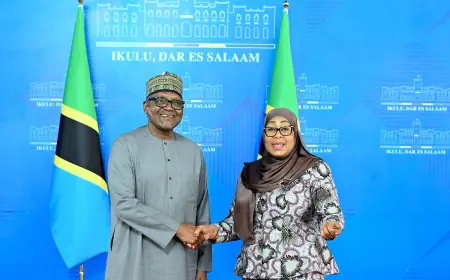
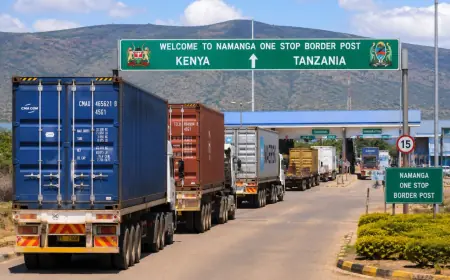
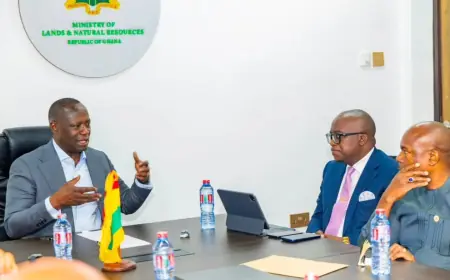
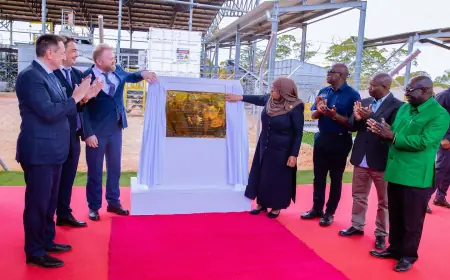
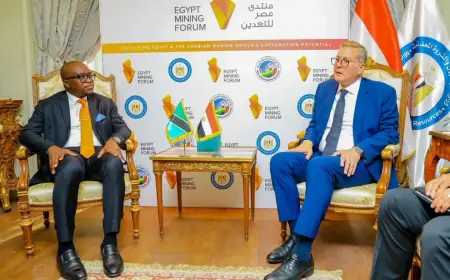
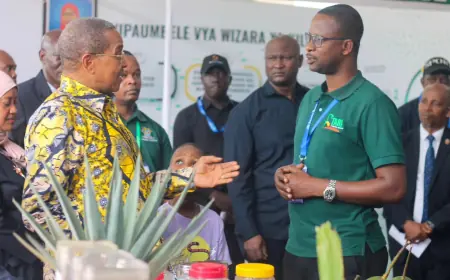
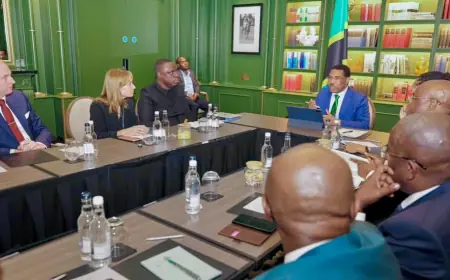
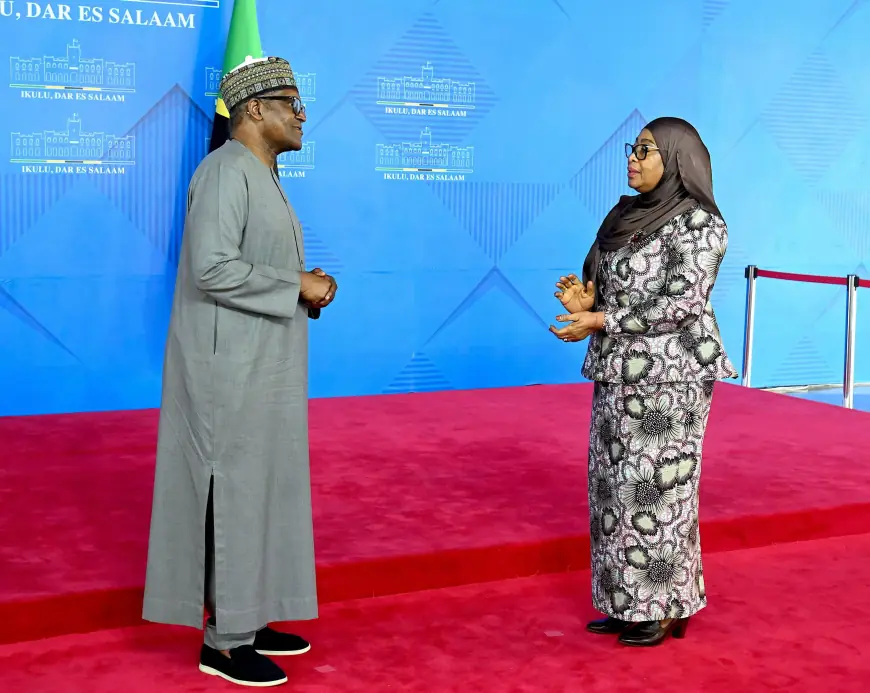
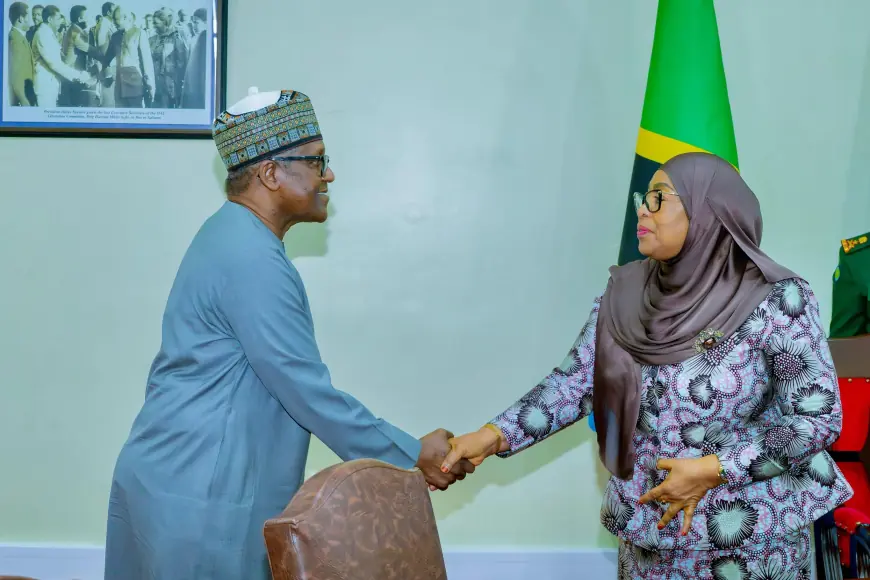
On Sunday, June 28, 2026, Samia Suluhu Hassan held extensive talks at State House in Dar es Salaam with Aliko Dangote, the President and Chief Executive of Dangote Industries Limited, focusing on a wide-ranging investment expansion programme spanning energy, transport, agriculture, ports and industrial processing.
The meeting marked Dangote’s second official engagement with the Tanzanian Head of State within just two months, following an earlier session held on May 16, 2026.
The unusually rapid succession of visits has been interpreted by observers as a signal of intensified negotiations, potentially placing Tanzania at the centre of Dangote’s next major wave of continental expansion.
Against a backdrop of shifting regional investment competition, the discussions at State House are understood to have moved beyond preliminary exploration into more structured project design considerations.
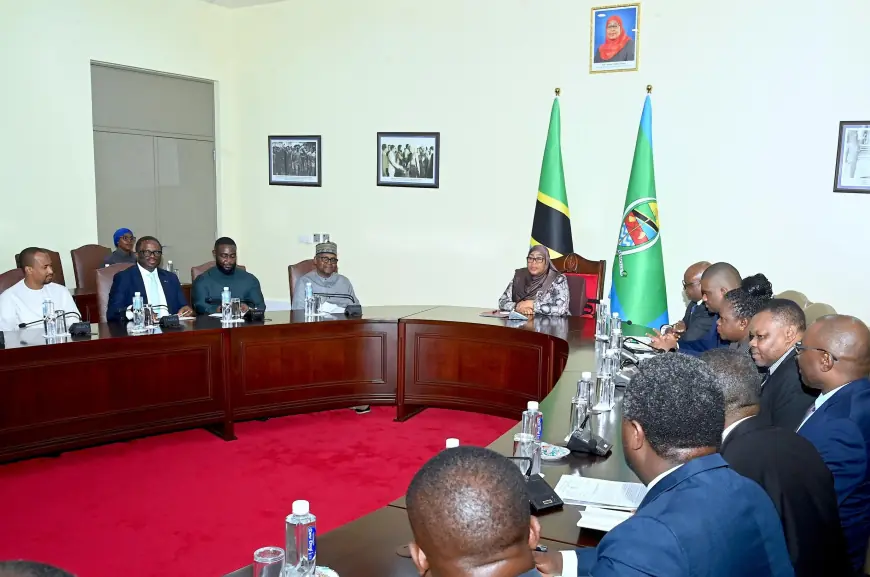
While official communication remained measured, the breadth of proposals tabled suggested a transition towards implementation-oriented planning rather than purely exploratory dialogue.
Central to the talks were proposals for large-scale infrastructure integration intended to enhance Tanzania’s logistical competitiveness within East Africa.
These include a comprehensive port development programme, a 40-kilometre concrete access road designed to ease cargo movement, and the establishment of a specialised trade zone aimed at consolidating industrial activity around export corridors.
Energy infrastructure featured prominently in the deliberations, with discussions reportedly touching on a proposed 2,000-megawatt coal-fired power facility intended to strengthen national grid stability.
Complementing this was a plan for a modern urea fertiliser production plant, a project that would potentially reduce Tanzania’s reliance on imported agricultural inputs while reinforcing domestic agro-industrial value chains.
Transport connectivity also formed a key pillar of the agenda.
Among the concepts discussed was a strategic corridor linking the southern port city of Mtwara with Mbamba Bay on Lake Nyasa.
If realised, such a route could reshape internal trade flows and strengthen cross-border connectivity with neighbouring landlocked markets.
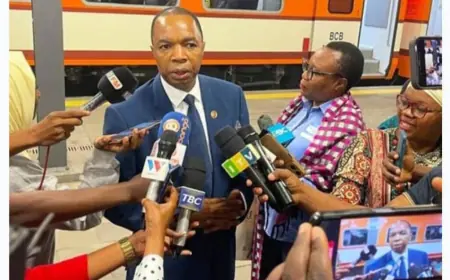
Speaking after the meeting, Dangote reportedly praised Tanzania’s investment climate, describing it as one of the most stable and predictable environments for long-term capital deployment on the continent.
He also reaffirmed the Group’s interest in sectors aligned with Tanzania’s industrialisation agenda, suggesting readiness for deeper collaboration with government institutions.
The timing of these engagements has also revived regional debate surrounding a proposed mega oil refinery project estimated at between 15 billion and $17 billion.
The facility, modelled on Dangote’s 650,000-barrel-per-day refinery in Lagos, Nigeria, has become a focal point in East Africa’s emerging energy investment competition.
During the discussions, Dangote is understood to have reiterated that technical and logistical assessments led the Group to favour Lamu in Kenya as the most viable site for the refinery, citing port depth and existing maritime infrastructure.
However, in what may be a significant diplomatic overture, he is also reported to have extended an invitation for Tanzania to participate as an equity partner in the project, signalling a potential model of shared regional industrial ownership.
For the Tanzanian side, President Samia is said to have welcomed the continued interest of the Dangote Group, directing relevant ministries and agencies to expedite technical evaluations of all proposed initiatives.
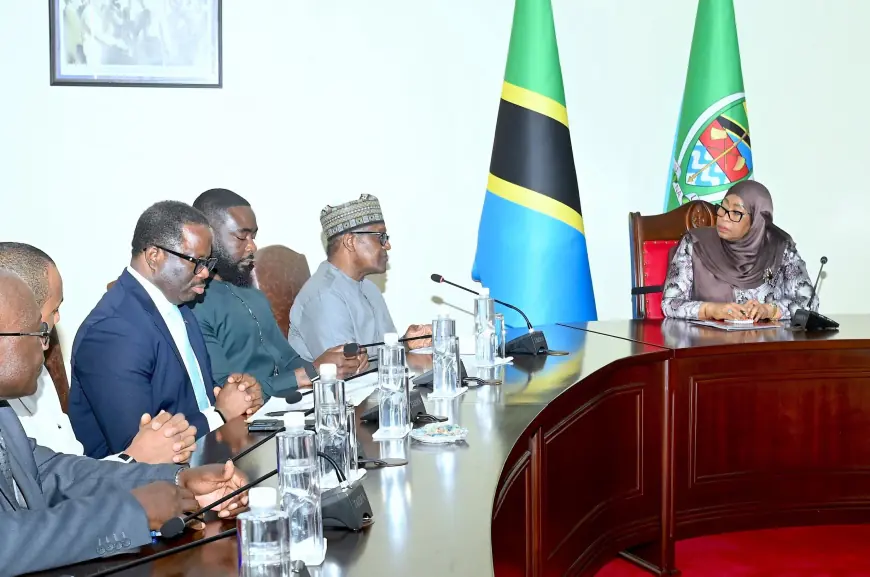
The move suggests a structured effort to align the prospective investments with national development frameworks and regulatory requirements.
The President has further assigned coordination responsibilities to the Minister of State in the President’s Office [Planning and Investment], Prof Kitila Mkumbo who is expected to oversee inter-ministerial engagement and streamline negotiations.
A Tanzanian delegation is also anticipated to travel to Nigeria in the coming weeks to advance discussions on implementation structures and financing frameworks.
According to the Directorate of Presidential Communications, the government remains committed to leveraging strategic private-sector partnerships to accelerate industrial growth, job creation and technology transfer, particularly in capital-intensive sectors.
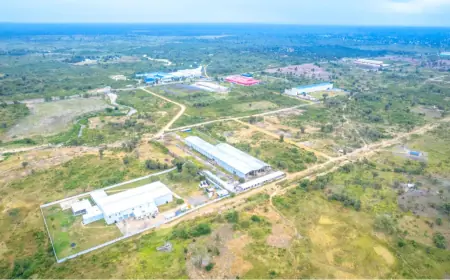
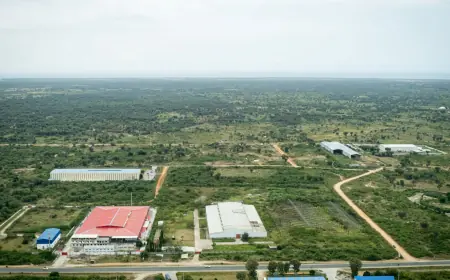
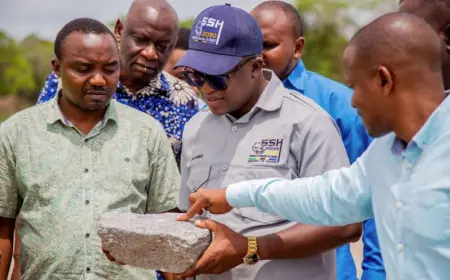
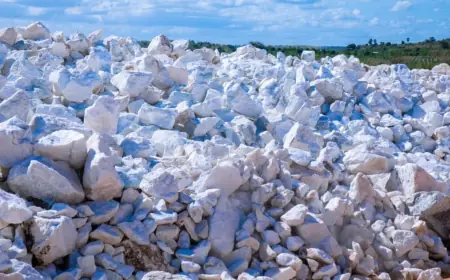
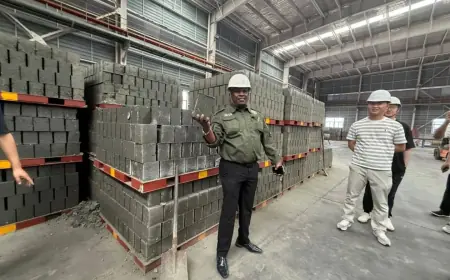
Dangote Industries already maintains a significant industrial footprint in Tanzania, most notably through a $$500 million cement manufacturing facility in Mtwara.
With an annual production capacity of approximately three million tonnes, the plant has become a critical supplier within Tanzania’s construction sector while also serving regional markets.
If the proposed expansion materialises, analysts suggest it could significantly deepen the Group’s integration into Tanzania’s broader industrial ecosystem, extending its presence from construction materials into energy, fertiliser production and logistics infrastructure.
In this context, the rapid succession of visits by one of Africa’s most influential industrialists appears to reflect more than routine diplomatic engagement.
Instead, it may indicate the early formation of a long-term strategic industrial partnership, one that could redefine Tanzania’s position within East Africa’s evolving investment and infrastructure landscape.
What's Your Reaction?
 Like
0
Like
0
 Dislike
0
Dislike
0
 Love
0
Love
0
 Funny
0
Funny
0
 Angry
0
Angry
0
 Sad
0
Sad
0
 Wow
0
Wow
0