































































Inside Tanzania’s plans to create skills for a 21st century workforce
The planned expansion of vocational colleges, district technical institutions and polytechnics points to a deliberate effort to mainstream practical training instead of treating it as a secondary option for students who fail to enter conventional academic streams

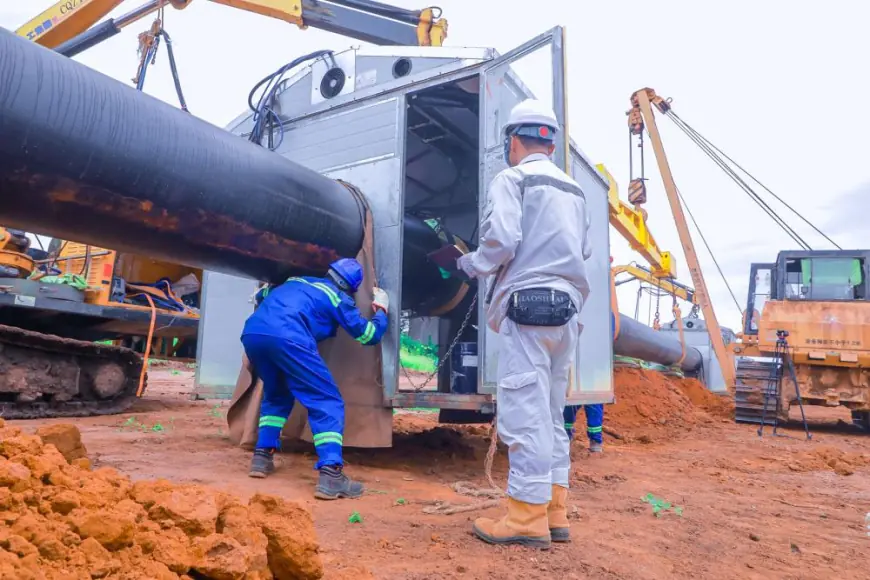
Dar es Salaam. For decades, Tanzania’s education system produced thousands of school leavers whose academic qualifications often failed to match the realities of the labour market.
Many completed primary or secondary education with limited technical skills.
Others entered universities that were heavily theory-oriented while industries increasingly demanded practical competencies, digital literacy and specialised expertise.
Now the government says it wants to change that trajectory.
Through a wide-ranging package of reforms announced in the 2026/27 Education ministry’s budget, Tanzania is attempting to reshape its education system into one designed to support industrialisation, technological adaptation and a more skills-driven economy.
At the centre of the strategy is a simple but far-reaching calculation: the country’s demographic growth can either become an economic asset or a source of deepening unemployment pressure.
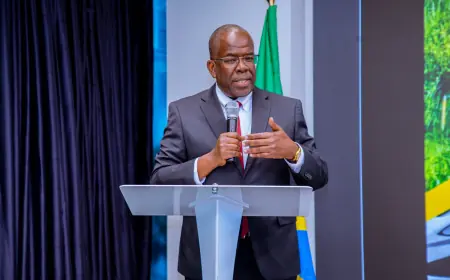
The reforms unveiled by the Minister for Education, Prof Adolf Mkenda in a budget speech he read in Parliament on May 7, 2026 suggest that the government increasingly views technical training, science education and digital competencies as essential tools for absorbing the country’s rapidly growing youth population into productive sectors of the economy.
The sheer size of the budget itself makes a point. The minister asked the Parliament to endorse the allocation of Sh2.4 trillion to enable the ministry to implement its strategies and fund recurrent spending.

From certificates to competencies
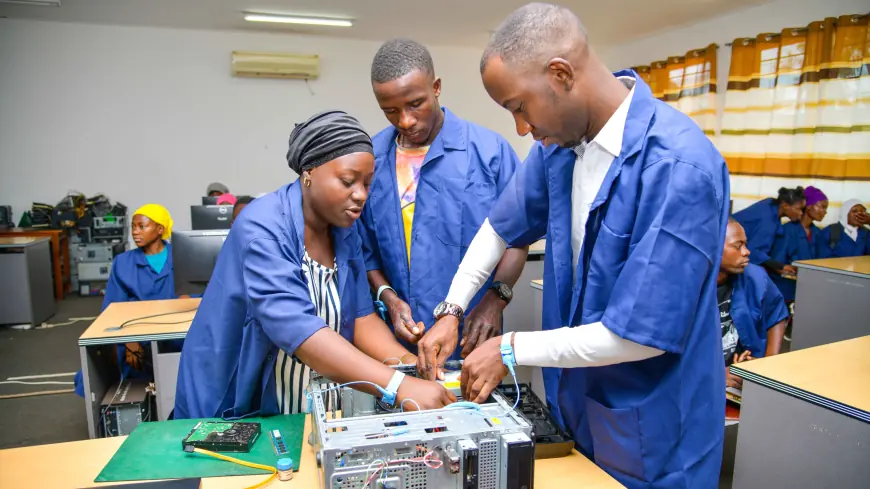
One of the clearest signals in the new policy direction is the heavy emphasis on vocational and technical education.
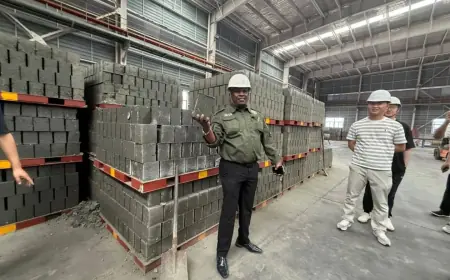
The government plans to register 263 additional vocational and technical institutions while expanding enrolment in skills training programmes to hundreds of thousands of learners.
That expansion reflects a broader recognition that traditional academic pathways alone may not adequately address Tanzania’s employment challenges.
The labour market is changing. Fast.
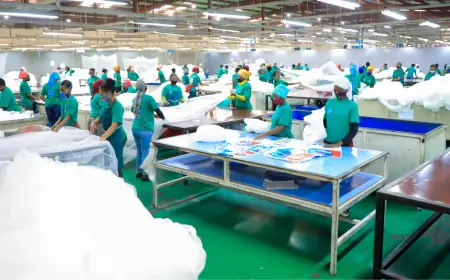
Construction, manufacturing, transport, energy, mining, ICT and logistics sectors increasingly require technicians, machine operators, software specialists, electricians, mechanics and digitally trained workers rather than graduates possessing only general academic credentials.
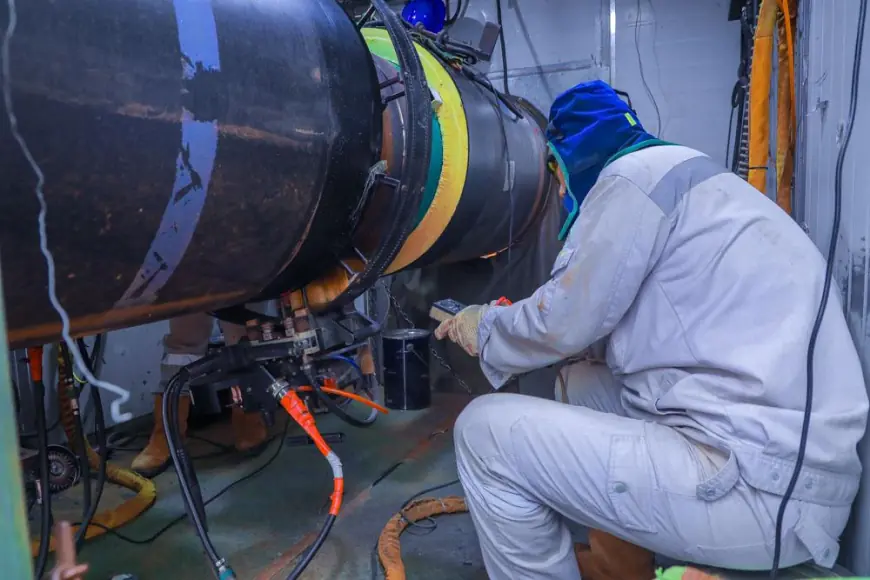
For years, employers have complained about the mismatch between graduate qualifications and workplace needs.
The government now appears determined to narrow that gap.
The planned expansion of vocational colleges, district technical institutions and polytechnics points to a deliberate effort to mainstream practical training instead of treating it as a secondary option for students who fail to enter conventional academic streams.
That shift carries important social implications.
Historically, vocational education in many African countries has often been perceived as inferior to university education.
But global labour market trends increasingly challenge that assumption.
Countries with strong industrial sectors typically rely on robust technical education systems that produce highly skilled middle-level professionals capable of supporting manufacturing, infrastructure development and technological adaptation.
Tanzania seems to be moving in that direction.
The pressure of compulsory basic education
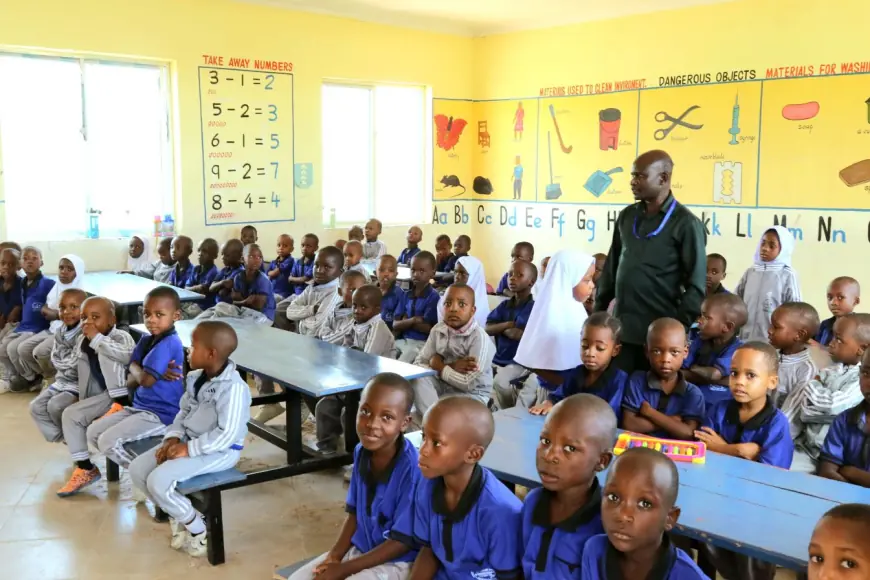
The reforms are also closely linked to implementation of compulsory 10-year basic education.
More than three million students are expected to enter secondary education by January 2028 under the new framework.
That transition represents one of the largest expansions of secondary education access in the country’s history.
It also creates enormous pressure.
More classrooms are needed. More laboratories. More teachers. More dormitories. More books.
But beyond infrastructure, the expansion raises a more difficult policy question: what kind of education should millions of additional students receive in a changing global economy?
The government’s answer appears to lie in combining broader access with practical competencies.
That is why policymakers are simultaneously expanding vocational streams, technical secondary schools and workplace-oriented learning systems.
Officials increasingly argue that extending compulsory education from age 13 to 16 gives young people more time to acquire employable skills and maturity before entering the labour market.
The challenge, however, will not simply be getting children into classrooms.
It will be ensuring that what they learn remains relevant.
The digital learning gamble
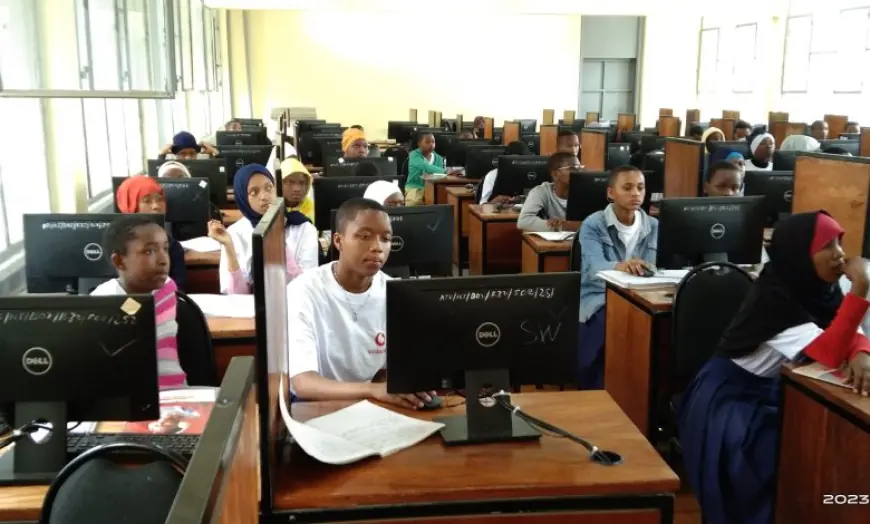
Another striking aspect of the reforms is the growing focus on digital learning.
The government plans to introduce interactive electronic learning materials featuring audio, video and virtual science experiments.
That marks a significant departure from conventional textbook-centred teaching methods that have dominated many public schools for years.
The ambition is understandable.
Digital learning technologies have become increasingly important globally, particularly after the Covid-19 pandemic accelerated adoption of online and technology-assisted education systems.
For Tanzania, digital learning offers potential advantages.
It could improve access to educational resources in underserved areas. It may help standardise content delivery. It can also expose students to technological tools earlier in life.
Yet the transition will not be simple.
Large disparities in electricity access, internet connectivity, device availability and digital literacy remain across many parts of the country, particularly in rural communities.
Without parallel investment in infrastructure, digital reforms risk widening inequalities between urban and rural learners.
Teacher preparedness also matters.
Technology itself does not automatically improve learning outcomes.
Much depends on how effectively teachers integrate digital tools into classroom instruction.
The government’s decision to train teachers in ICT competencies therefore reflects recognition that digital transformation in education requires both hardware and human capacity.

Betting on STEM
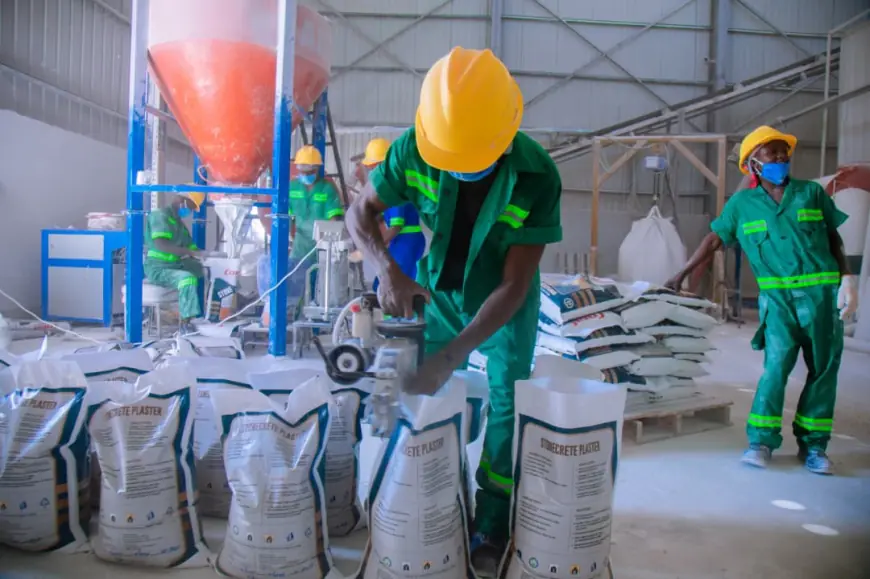
Science, technology, engineering and mathematics education occupies a central place in the new strategy.
The government is expanding scholarships for high-performing STEM students while increasing sponsorship for specialised overseas training in fields such as artificial intelligence and data science.
That reflects wider global trends.
Countries seeking to compete in modern economies increasingly invest heavily in technical knowledge sectors linked to automation, digital systems, renewable energy, biotechnology and advanced manufacturing.
Tanzania’s policymakers appear eager to avoid falling behind.
The emphasis on STEM also aligns with ambitions to industrialise the economy and strengthen sectors requiring technical expertise.
However, analysts note that expanding STEM education requires more than scholarships alone.
Laboratories, qualified instructors, research funding and stronger university-industry collaboration will all play critical roles.
Without those supporting systems, increasing student numbers may not necessarily translate into stronger technological capability.
Research moves closer to economic policy
Perhaps one of the most notable shifts in the education agenda is the growing integration of research into national economic planning.
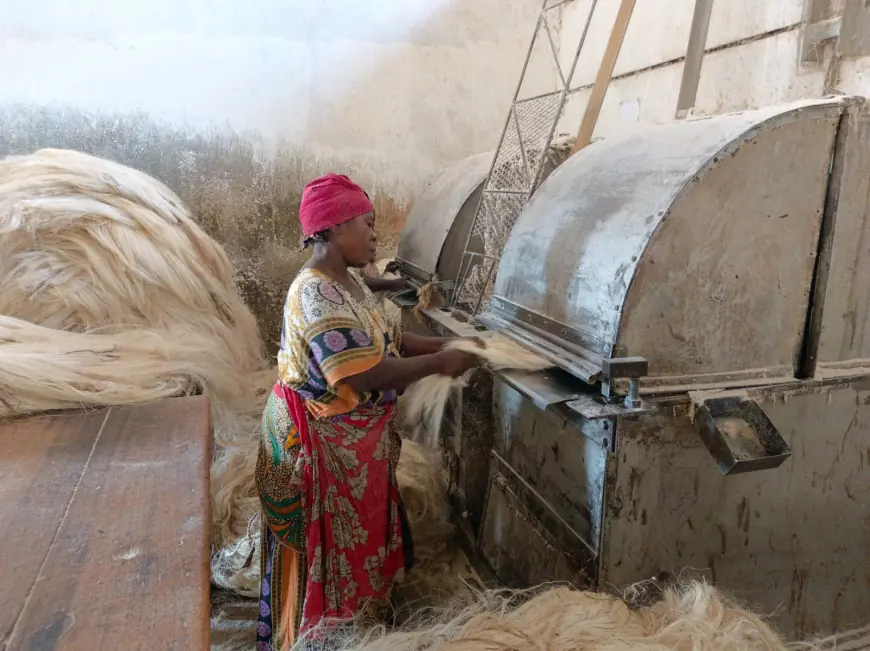
The government plans to expand research funding across sectors including agriculture, fisheries, climate change, health, water and industry.
That reflects a broader understanding that research is no longer simply an academic exercise.
Increasingly, governments view scientific research as an economic tool capable of supporting industrial productivity, food security, environmental adaptation and technological innovation.
Tanzania’s proposed expansion of innovation hubs and commercialisation funding suggests policymakers want universities and research institutions to contribute more directly to economic activity.
The approach mirrors strategies adopted in several emerging economies where universities function not only as teaching institutions but also as centres of innovation, entrepreneurship and industrial problem-solving.
Still, commercialising research remains difficult.
Many African universities continue to face constraints related to funding, equipment, patent systems and links with private industry.
Building a research-driven economy therefore requires sustained long-term investment rather than isolated policy announcements.

What's Your Reaction?
 Like
0
Like
0
 Dislike
0
Dislike
0
 Love
0
Love
0
 Funny
0
Funny
0
 Angry
0
Angry
0
 Sad
0
Sad
0
 Wow
0
Wow
0