
























































What Boeing’s talks with TCAA mean for Tanzania’s aviation ambitions
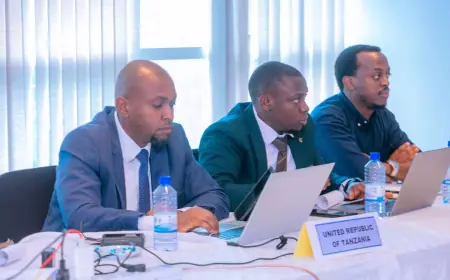
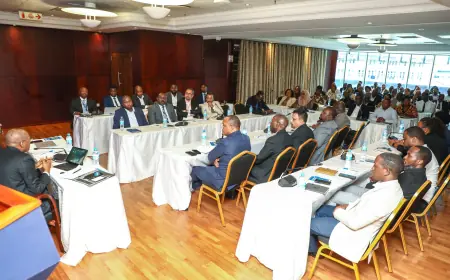
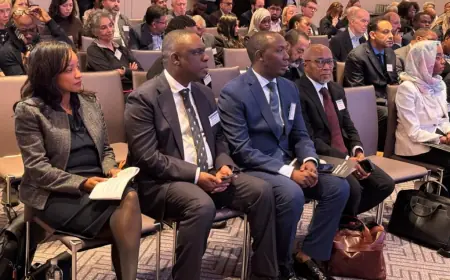
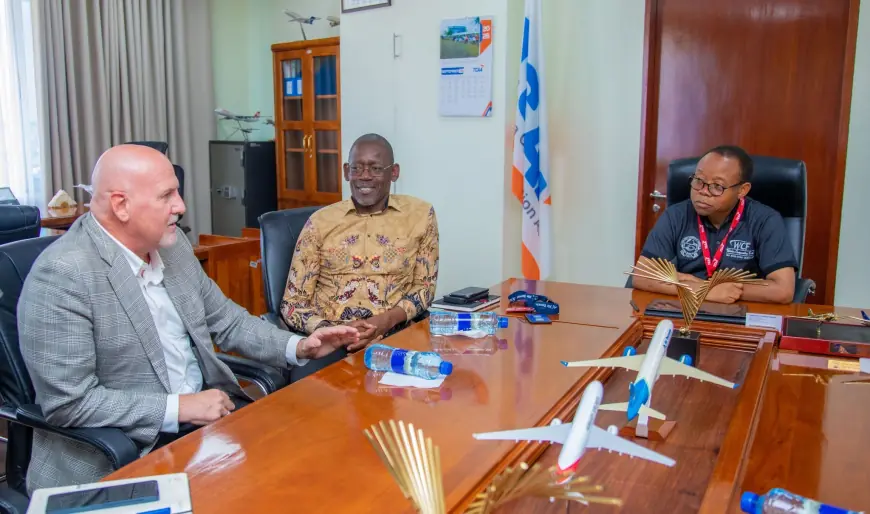
The session, led by TCAA Director General, Dr Jabiri K. Bakari and attended by Boeing Senior Aviation Advisor, Michael Castle and attended by alongside ATCL managing director, Peter Ulanga, addressed essential criteria governed by the European Union Aviation Safety Agency

Dar es Salaam. Navigating European airspace restrictions has become the single most pressing priority for Tanzania’s expanding commercial aviation sector.
When representatives from aerospace manufacturer Boeing met with leadership at the Tanzania Civil Aviation Authority (TCAA) and flag carrier Air Tanzania Company Limited (ATCL) on September 25, the underlying agenda was a coordinated, high-stakes push to resolve regulatory compliance hurdles under the European Union’s Third Country Operator (TCO) framework.
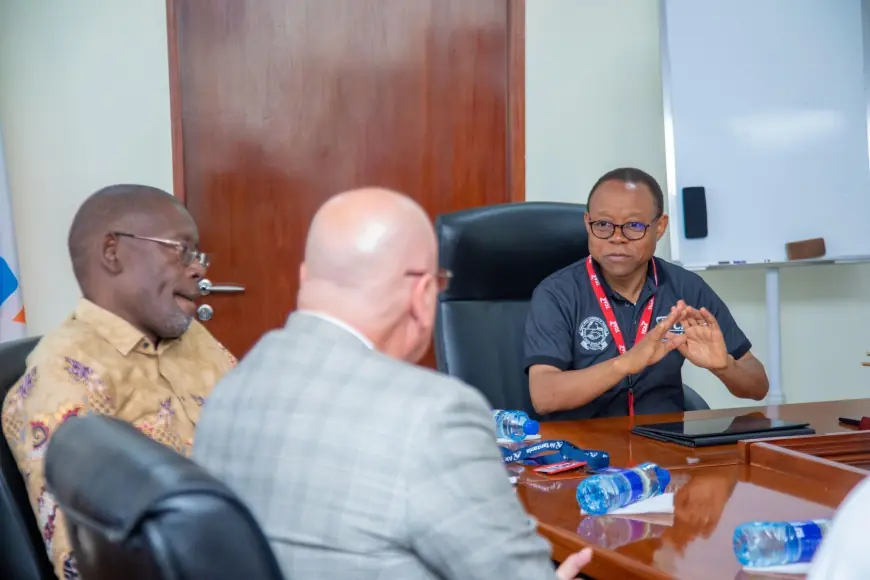
Led by TCAA Director General, Dr Jabiri K. Bakari, and Boeing Senior Aviation Advisor, Michael Castle, and attended by alongside ATCL managing director, Peter Ulanga, and other local aviation officials, the session addressed essential criteria governed by the European Union Aviation Safety Agency (EASA).

Under EASA mandates, foreign carriers must maintain valid TCO authorisation by demonstrating absolute adherence to International Civil Aviation Organization (ICAO) safety standards.
Restoring and maintaining these standards is critical for ATCL to broaden its long-haul flight network and capture high-value European tourism and commercial traffic.
Boeing’s involvement carries substantial practical weight.
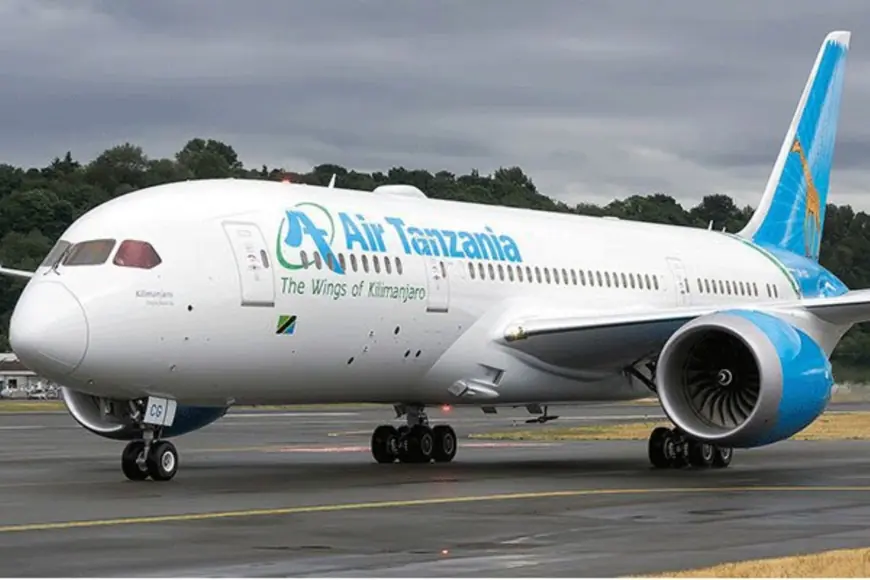
Air Tanzania’s long-haul strategy relies on Boeing airframes, including 787-8 Dreamliners, 737 MAX 9 passenger jets, and a dedicated 767-300 Freighter.
Managing high-technology fleets demands seamless integration between the Original Equipment Manufacturer, the operating airline, and local regulators.
Boeing’s commitment to provide direct technical support to TCAA operational teams signals an effort to enhance local auditing mechanisms, airworthiness oversight, and safety management systems.
The agreement ensuring continuous technical exchange between Boeing and TCAA personnel points toward a structured remediation strategy.
Aligning the state regulator, the national airline, and the primary manufacturer allows Tanzania to protect its substantial capital investments in aircraft while laying the groundwork to clear international regulatory barriers.
Ultimately, this collaborative framework serves national economic ambitions by working to re-establish direct long-haul routes that drive trade, high-value cargo transport, and international tourism across the region.
The tripartite engagement reflects a realistic recognition by Tanzanian authorities that long-term sector growth requires not only physical fleet investment, but equal dedication to rigorous safety governance and international regulatory alignment.
What's Your Reaction?
 Like
0
Like
0
 Dislike
0
Dislike
0
 Love
0
Love
0
 Funny
0
Funny
0
 Angry
0
Angry
0
 Sad
0
Sad
0
 Wow
0
Wow
0