

















































From New Delhi to Dar: Scramble for strategic oil reserves after Hormuz blockade
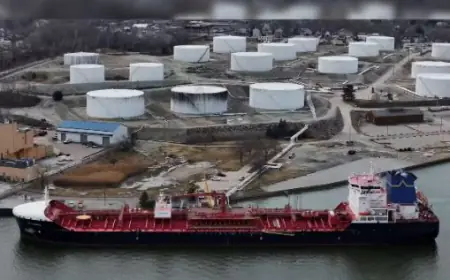
Early in the Iran crisis, all 32 members of the International Energy Agency agreed to a record 400 million-barrel release from strategic petroleum reserves, with the US contributing the largest share

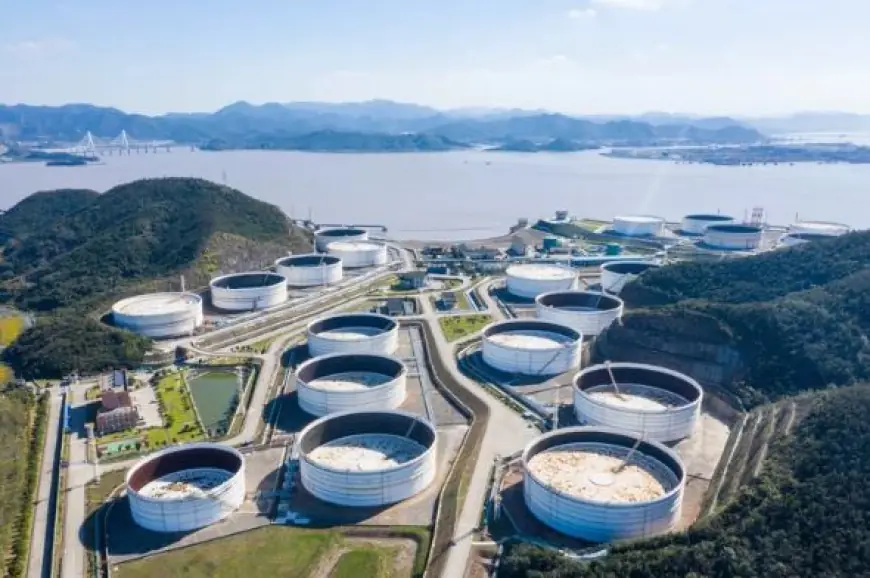
London. Vulnerable nations that suffered a severe economic toll during the recent conflict involving Iran are aggressively pursuing domestic oil and gas storage buffers to protect their economies against future supply shocks.
This global drive could inject roughly half a billion barrels of additional demand into energy markets, according to a detailed market analysis by Reuters columnist Ron Bousso.
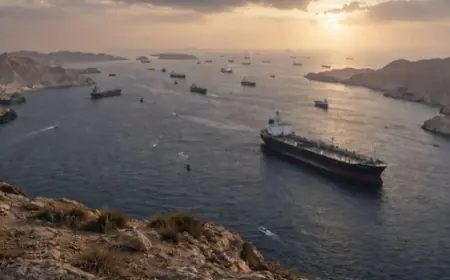
While the near-total closure of the strategic Strait of Hormuz cut off a fifth of global oil and liquefied natural gas (LNG) supplies for more than three months, reshuffling international energy flows and pushing Brent crude near $120 a barrel, the crisis could have been far worse.
Emergency stockpiles
A primary stabilizing force during the conflict was the swift mobilization of emergency global stockpiles.
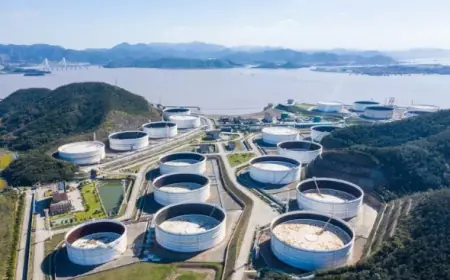
Early in the warfare, all 32 members of the International Energy Agency (IEA) agreed to a record 400 million-barrel release from strategic petroleum reserves (SPRs), with the US contributing the largest share.
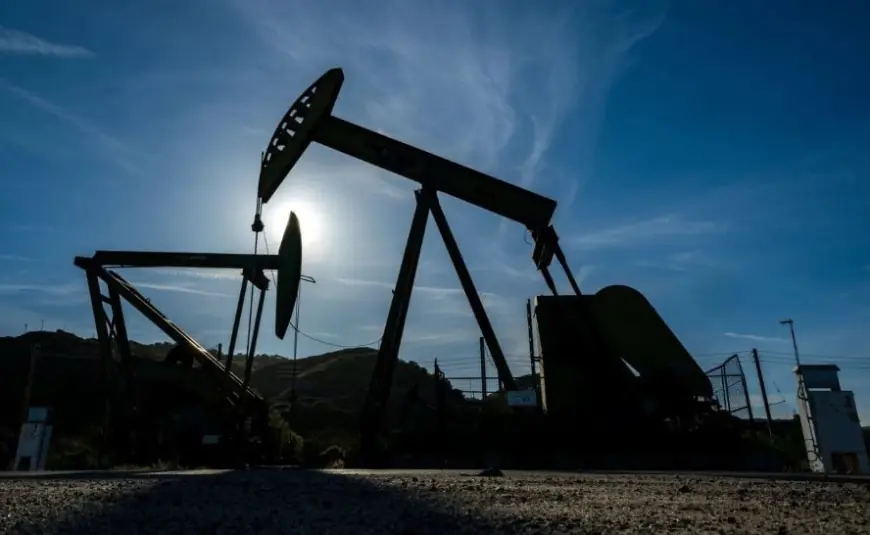
This historic drawdown validated an energy security strategy originally forged after the 1973 Arab Oil Embargo, under which IEA members must maintain emergency stocks equal to at least 90 days of net imports.
"Vulnerable countries that paid a high economic price during the Iran war are seeking to build domestic oil and gas storage buffers against future shocks, a drive that could bring roughly half a billion barrels of additional demand down the pike," Mr Bousso writes.
China’s resilience
China offered a parallel lesson in resilience.
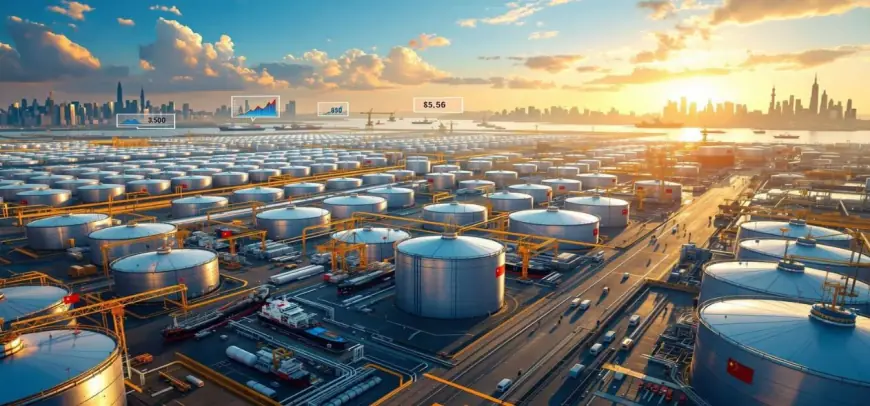
Although not a full IEA member, Beijing has spent years quietly building what is now believed to be the largest SPR on earth, holding more than a billion barrels.
Armed with this massive rainy-day fund, the world's largest energy importer successfully reduced its crude purchases by more than a third during the height of the war.
Stepping away from the market during a period of tight supply and inflated prices saved Beijing billions of dollars and insulated the Chinese economy from the severe distress witnessed elsewhere in Asia, a region reliant on the Middle East for roughly 60 percent of its energy imports.
Cost of limited reserves
Reflecting on the success of this strategy and the stark contrast seen in under-prepared nations, the Reuters analyst writes that the severe consequences for those lacking structural safety nets.
"The pain was particularly acute in India, Pakistan, Thailand and other economies with limited domestic reserves," Mr Bousso writes in the article published by Reuters.
He added; "lacking substantial emergency stockpiles, governments turned to subsidies, fuel curbs, shorter work weeks and other austerity measures to curb consumption."
Consequently, India is moving quickly to expand its storage.
As the world's most populous nation and third-largest oil importer, India is projected by the IEA to become the single biggest source of global oil demand growth through 2030.
Yet its reserves cover just eight days of imports.
Meeting the IEA’s 90-day standard would require an additional 400 million barrels, costing roughly $28 billion at a conservative $70 per barrel.
In response, New Delhi has directed the Oil and Natural Gas Corporation to build a new 1.75 million-tonne reserve, expanding India's emergency storage capacity by about one-third.
Tanzanian context
This scramble for energy security is mirroring itself across East Africa, where Tanzania is taking aggressive steps to shield its economy from global geopolitical shocks.
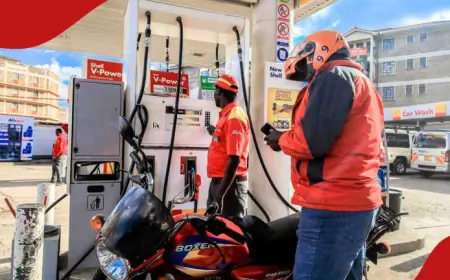
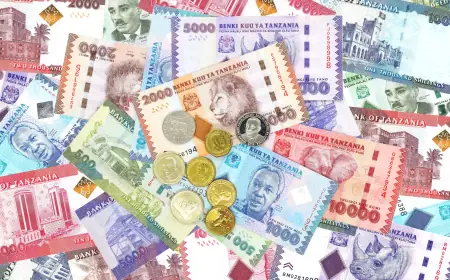
A rapid assessment by Tanzania's National Planning Commission and the UNDP highlighted that the Gulf crisis delivered a multi-dimensional shock to the country, driving up Dar es Salaam retail cap prices between January and May 2026 by 48.1 percent for petrol, 55.8 percent for diesel, and a staggering 69.3 percent for kerosene.
In May 2026 alone, the government had to step in with a diesel subsidy to ease the burden on transportation and domestic manufacturing.
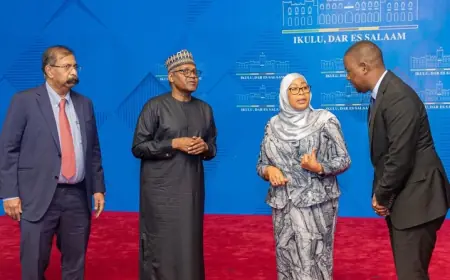
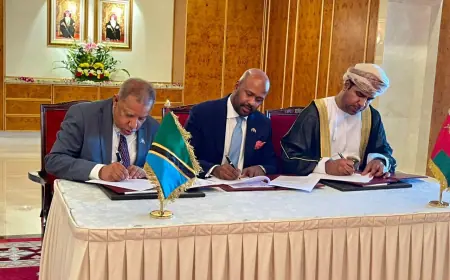
To counter this extreme exposure to volatile international markets, President Samia Suluhu Hassan has ordered the ministry of Energy to urgently strengthen Tanzania’s National Strategic Petroleum Reserves.
Sh700bn oil reserve facility
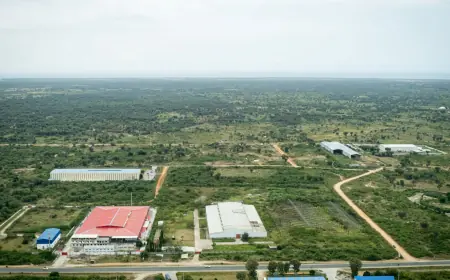
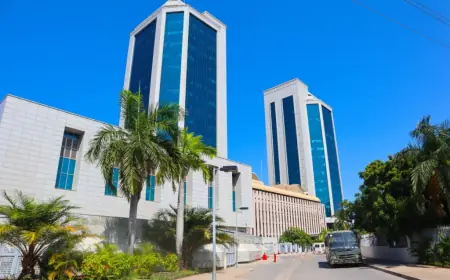
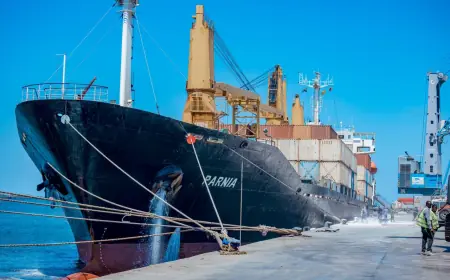
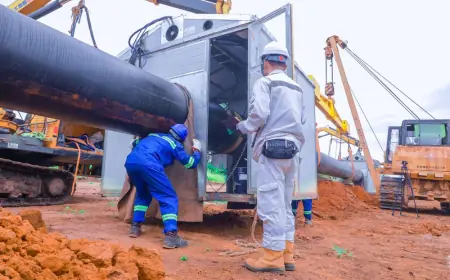
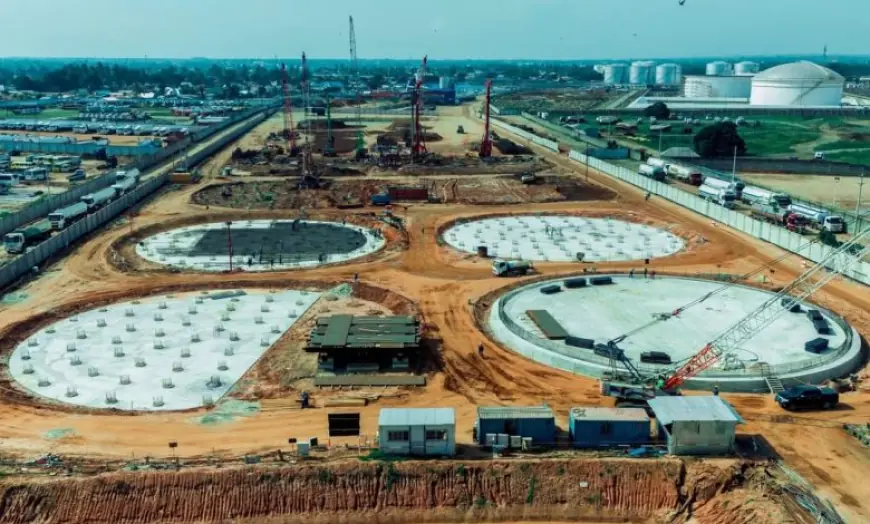
Moving decisively, the government launched a Sh701.8 billion ($274 million) fuel infrastructure expansion at the Port of Dar es Salaam to construct 15 new oil reception and storage tanks.
This massive project will expand the port's total oil reception capacity by 35.9 percent, adding 378,000 cubic metres of storage divided among diesel, petrol, and aviation fuel.
The infrastructure is designed to slash tanker waiting times from 22 days down to seven, eliminating costly demurrage fees that directly inflate domestic pump prices, while reinforcing Tanzania's position as a secure regional energy hub for landlocked neighbours like Zambia, Malawi, and the Democratic Republic of Congo.
The broader international trend extends far beyond East Africa and South Asia.
Pakistan is exploring ways to expand domestic storage to cover its historical 90 percent reliance on Middle Eastern oil and LNG.
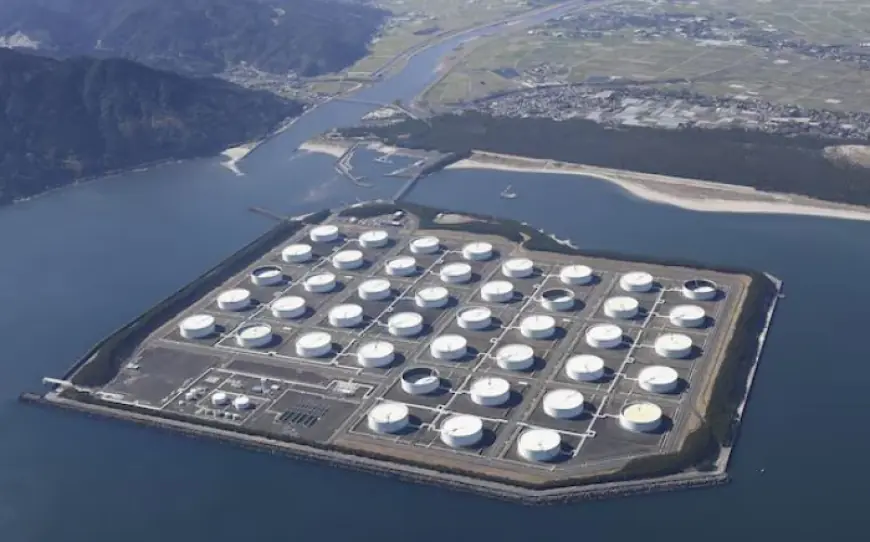
Australia, a full IEA member that had consistently lagged behind the 90-day import requirement, has announced a $7 billion spending package to secure at least 50 days of fuel.
European experience
Even European nations, heavily reliant on imported LNG for over 40 percent of their gas supply, are contemplating government-controlled storage expansions to survive long-term disruptions.
Even Gulf oil producers themselves are trying to acquire storage facilities outside the Middle East to maintain export flexibility during regional blockades.
"Even energy producers are moving in this direction," Mr Bousso observed, adding that, "Gulf national oil companies are seeking more storage outside the region to preserve export flexibility in a crisis."
According to calculations, these cumulative global storage initiatives could lock up around 500 million barrels of crude and refined products.
When combined with the estimated 400 million barrels required simply to refill depleted global stocks drained during the war, energy markets are looking at roughly one billion barrels of additional demand.
"Taken together, these new storage plans could require around 500 million barrels of crude and refined products, based on ROI calculations," Mr Bousso writes, noting further that, "depleted inventories will also need refilling."
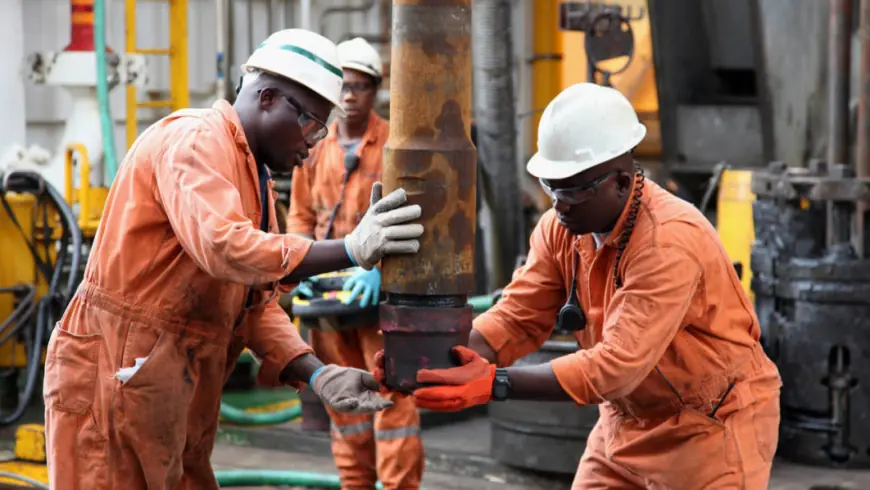
One billion of additional demand
He writes that combined, the world is looking at roughly one billion barrels of additional demand which, even if spread over several years, would provide significant price support.
The timing could prove ideal. The IEA expects global oil supply to surge next year as Middle Eastern production recovers, potentially outstripping demand by more than 4 million barrels per day.
This projected surplus means a major storage-driven demand increase might unfold without sending crude prices soaring, provided the Middle East's precarious new balance of power holds.
Looking ahead, the overarching landscape of global logistics is fundamentally changing.
"A world with significantly larger strategic reserves may prove more resilient to shocks, which could anchor prices over time," Mr Bousso writes in his article.
He concludes that as the immediate effects of the crisis fade, the lesson for energy-importing nations is definitive: "impossible" disruptions can happen, last longer than expected, and hit hardest where there is no cushion.
What's Your Reaction?
 Like
0
Like
0
 Dislike
0
Dislike
0
 Love
0
Love
0
 Funny
0
Funny
0
 Angry
0
Angry
0
 Sad
0
Sad
0
 Wow
0
Wow
0