






































Tanzania misses out on Africa’s top reserve holders despite vast economic potential
According to figures compiled by Business Insider Africa, drawing on Global Firepower data, Tanzania does not feature among the continent’s 10 countries with the largest combined gold and foreign exchange reserves at the start of 2026


Dar es Salaam. As debate and public discussion in Tanzania increasingly turn to the management of gold and foreign exchange reserves, new continental rankings reveal that the country remains outside Africa’s top 10 reserve holders, a position that highlights the depth of Tanzania’s largely untapped economic potential.
According to figures compiled by Business Insider Africa, drawing on Global Firepower data, Tanzania does not feature among the continent’s 10 countries with the largest combined gold and foreign exchange reserves at the start of 2026.
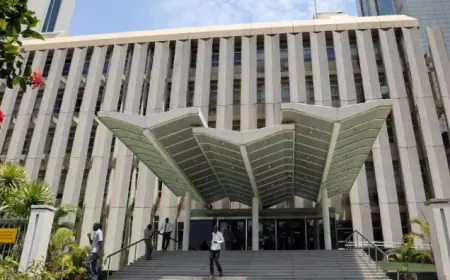
This is despite growing domestic attention on reserve accumulation, gold purchases and diversification strategies pursued by the Bank of Tanzania (BoT).
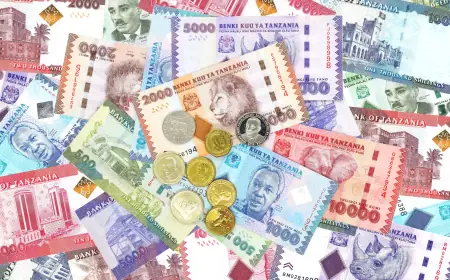
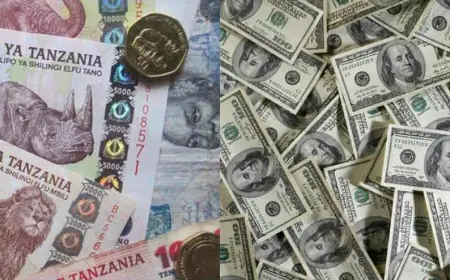
As of January 29, 2026, the BoT held foreign exchange reserves valued at approximately $6.52 billion.
Of this total, gold accounted for about $1.2 billion, while holdings in US dollars stood at roughly $3.8 billion.
Reserves denominated in China’s yuan were valued at approximately $735 million, reflecting a cautious move towards currency diversification.
While these buffers are considered sufficient to cover imports and short-term external obligations, they remain modest when compared with Africa’s leading reserve-holding economies.
The ranking comes against the backdrop of a historic surge in gold prices.
In late January 2026, gold broke through the $5,000-an-ounce threshold and at times traded in the $5,500–$5,600 range, driven by investor demand for safe-haven assets amid heightened geopolitical tensions, particularly between the United States and Iran.
The rally has renewed global interest in gold as a strategic reserve asset and intensified scrutiny of how countries manage and build their reserve portfolios.
Beyond price movements, gold and foreign exchange reserves are widely regarded as a country’s financial backbone.
They signal the capacity to service external debt, stabilise currencies, finance imports and withstand global economic shocks, making them a central indicator of economic resilience.
Globally, nearly two-thirds of foreign exchange and gold reserves are held in Asia, dominated by China, Japan, Taiwan, Hong Kong and South Korea.
Africa’s share remains relatively small, though the continent presents a varied picture shaped by commodity wealth, export structures and macroeconomic policy choices.
Libya leads in forex reserves
At the continental level, Libya leads Africa with $92.9 billion in foreign exchange and gold reserves, ranking 31st globally.
Much of this stockpile was accumulated during years of strong oil revenues and has remained largely intact due to prolonged political instability, sanctions and fragmented governance.
While the headline figure is substantial, economists caution that governance challenges have limited the effective deployment of these resources for broad-based economic stability.
Algeria follows with $83.0 billion, ranking 33rd globally, supported mainly by hydrocarbon exports, particularly natural gas sales to Europe.
South Africa, with $65.4 billion in reserves and a 38th global ranking, benefits from a diversified export base, deep financial markets and significant mining output, although power shortages, weak growth and fiscal pressures continue to affect investor sentiment.
Egypt ranks fourth in Africa with $44.9 billion, placing it 47th globally.
Tourism receipts, remittances, Suez Canal revenues and external financing, including support from Gulf states and multilateral lenders, have been central to sustaining reserve levels amid currency pressures.
Nigeria, Africa’s largest oil producer, holds $38.6 billion (53rd globally), with reserve growth constrained by oil production challenges and strong import demand.
Morocco, with $37.1 billion (54th globally), stands out for its diversified economy built on manufacturing, agriculture, phosphates, tourism and remittances, supported by prudent macroeconomic management.
Angola follows with $14.2 billion (71st globally), its reserve position closely tied to oil price cycles.
Kenya holds $10.1 billion (77th globally), largely supported by remittances and agricultural exports, while Tunisia and Ivory Coast, with $9.3 billion and $7.4 billion respectively, complete the top 10.
Against this continental landscape, Tanzania’s exclusion is particularly notable given the scale of its economic endowments.
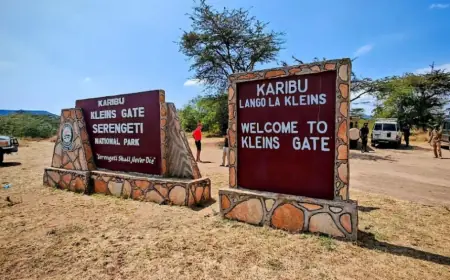
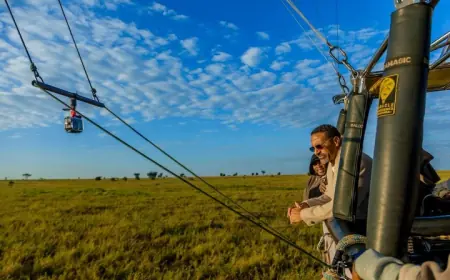
The country possesses a globally competitive tourism sector, anchored by iconic attractions such as Mount Kilimanjaro, the Serengeti National Park and the Ngorongoro Crater, all of which generate significant foreign exchange.
However, analysts argue that tourism revenues remain below potential due to infrastructure gaps, seasonality, limited product diversification and weak value capture along the tourism value chain.
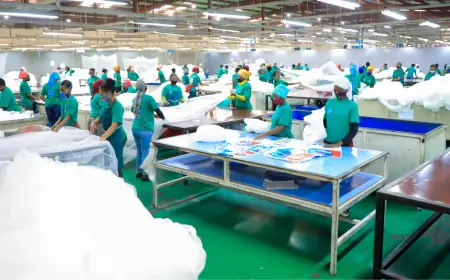
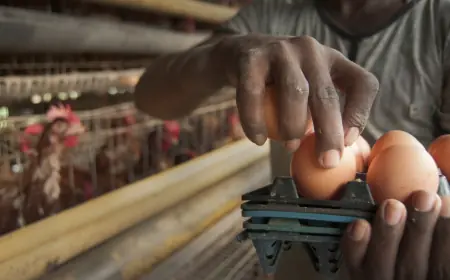
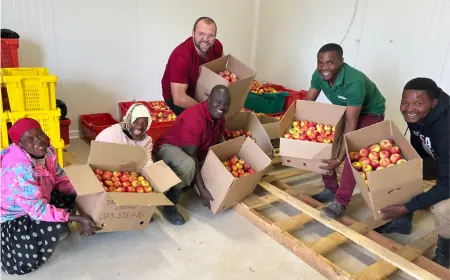
In agriculture and livestock, Tanzania has Africa’s third-largest cattle population and vast tracts of arable land capable of supporting large-scale commercial farming and agro-processing.
Yet exports remain dominated by raw or minimally processed products, constraining foreign exchange earnings and limiting the sector’s contribution to reserve accumulation.
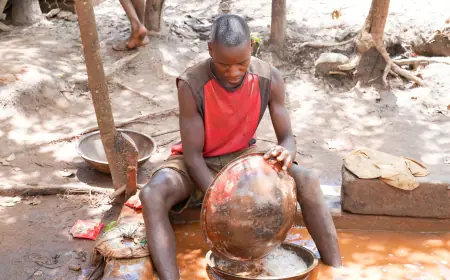
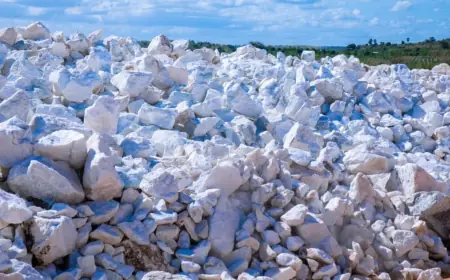
The country is also richly endowed with natural resources, including minerals and gemstones such as gold, tanzanite, diamonds, coal and other strategic minerals, alongside significant forestry resources.
While gold has begun to play a more prominent role in the composition of BoT reserves, much of the wider mineral potential is exported with limited domestic value addition.
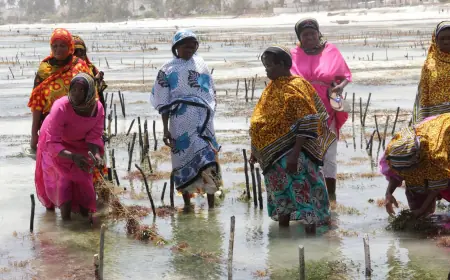
Tanzania’s fishing sector represents another underutilised opportunity.
The country benefits from major inland water bodies, including Lakes Victoria, Tanganyika and Nyasa, extensive river systems, and a coastline exceeding 1,000 kilometres along the Indian Ocean.
Despite this natural advantage, fisheries contribute only modestly to export earnings due to infrastructure constraints, limited cold-chain capacity and low levels of industrial processing.
Equally significant is Tanzania’s strategic position as a gateway for East and Central Africa, offering substantial potential for transit trade.
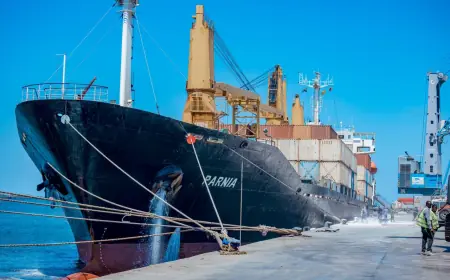
The ports of Dar es Salaam, Tanga and Mtwara, supported by inland lake ports such as Kigoma and Mwanza, serve several landlocked countries, including Zambia, Rwanda, Burundi, Uganda and the Democratic Republic of Congo.
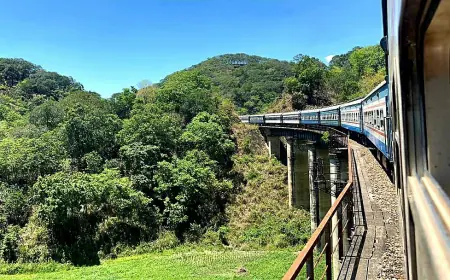
However, inefficiencies in logistics, rail connectivity and port operations have constrained the country’s ability to fully translate this advantage into sustained foreign exchange inflows.
Economists note that Tanzania’s absence from Africa’s top reserve holders is therefore less a reflection of limited resources and more an indication of structural constraints, productivity gaps and slow progress in value addition.
As domestic debate over gold and foreign exchange reserves intensifies, the contrast between Tanzania’s vast economic potential and its relatively modest reserve position is likely to sharpen calls for deeper reforms aimed at converting natural and geographic advantages into durable financial strength.
What's Your Reaction?
 Like
0
Like
0
 Dislike
0
Dislike
0
 Love
0
Love
0
 Funny
0
Funny
0
 Angry
0
Angry
0
 Sad
0
Sad
0
 Wow
0
Wow
0