

























































Tanzania unveils list of 20 mining service categories exclusively for local companies
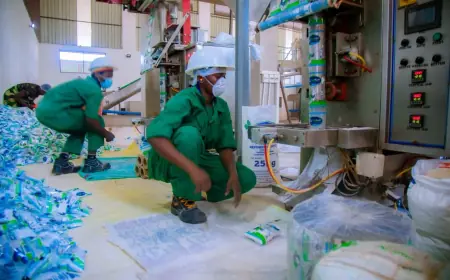
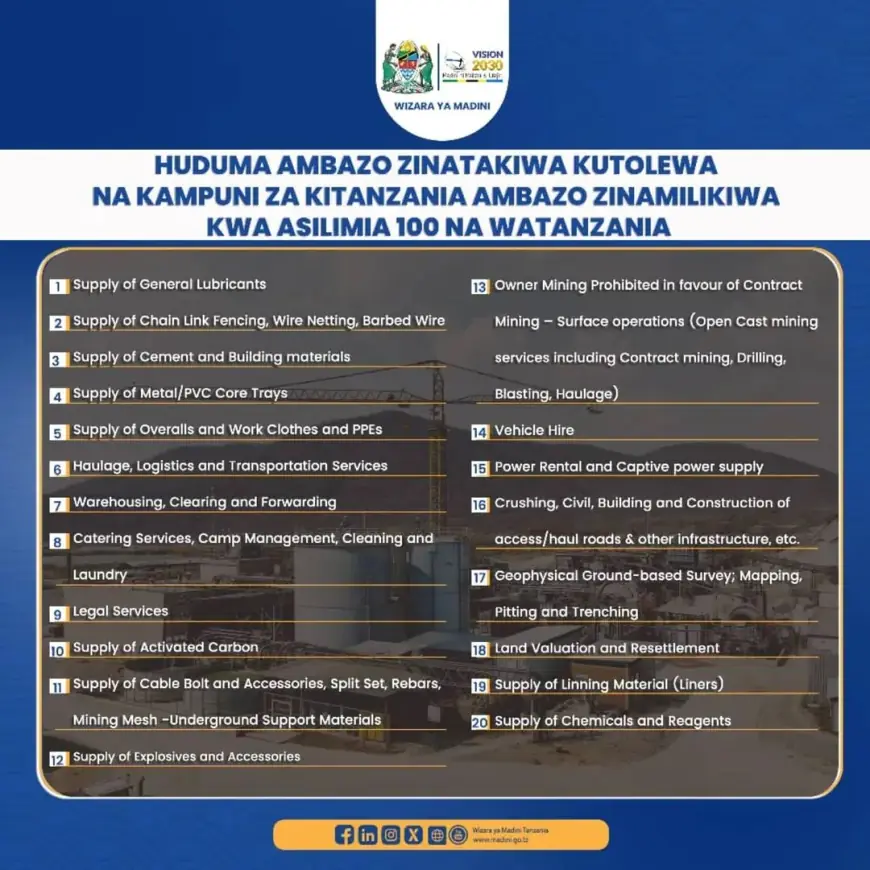
Under the gazetted list, services and supplies reserved for 100 percent Tanzanian-owned companies include the supply of general lubricants; chain link fencing, wire netting and barbed wire; cement and other building materials; metal and PVC core trays; overalls, work clothes and personal protective equipment

Dodoma. The government has set aside 20 categories of mining-related goods and services exclusively for companies wholly owned by Tanzanians, in a move aimed at deepening local participation across the extractive industry.
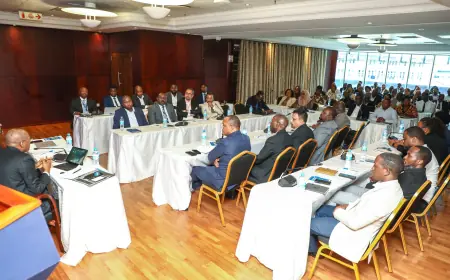
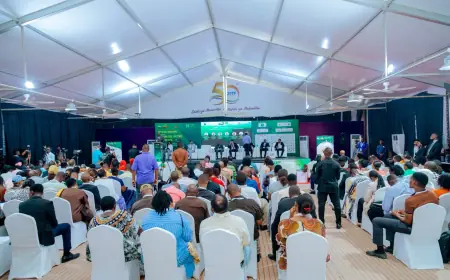
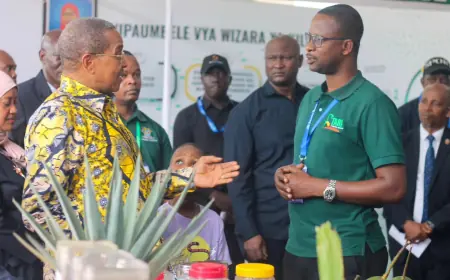
The announcement was made by the minister for Minerals, Anthony Mavunde, on January 5, 2025, in Dodoma.
He said the decision implements directives issued by President Samia Suluhu Hassan to ensure Tanzanians are fully involved throughout the mining value chain.
The measure follows amendments to the Mining (Local Content) Regulations of 2018, which introduced Regulation 13A.
Under the revised framework, the Mining Commission is empowered to gazette specific goods and services that must be procured solely from local entities.
The list
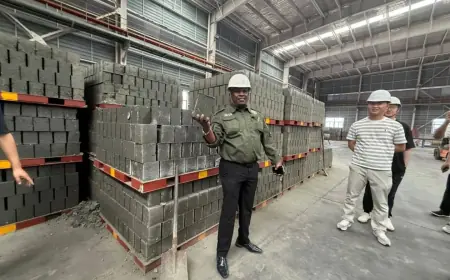
Under the gazetted list, services and supplies reserved for 100 percent Tanzanian-owned companies include the supply of general lubricants; chain link fencing, wire netting and barbed wire; cement and other building materials; metal and PVC core trays; overalls, work clothes and personal protective equipment.
Others are haulage, logistics and transportation services; warehousing, clearing and forwarding; catering services, camp management, cleaning and laundry; and legal services.
Other reserved areas cover the supply of activated carbon; underground support materials such as cable bolts, split sets, rebars and mining mesh; explosives and related accessories; contract mining for surface operations including drilling, blasting and haulage; vehicle hire.
Yet others are power rental and captive power supply; civil works and construction including crushing and the building of haul roads and related infrastructure; geophysical ground-based surveys such as mapping, pitting and trenching; land valuation and resettlement services; lining materials; and the supply of chemicals and reagents.
Mr Mavunde said the policy shift has already produced measurable gains for the national economy.
Spending on local goods and services in the mining sector increased from Sh1.85 trillion, equivalent to 62 percent, in 2018 to Sh4.41 trillion in 2024, accounting for 88 percent of the Sh5 trillion spent by the industry last year.
Employment figures have also risen markedly, with the number of Tanzanians working in the mining sector increasing from 6,668, representing 95 percent of the workforce in 2018, to 18,853, or 97 percent, by December 2024.
He added that where specialised foreign expertise is required due to technological demands, existing legal provisions allow for such engagement while ensuring the transfer of skills and knowledge to Tanzanian professionals.
What's Your Reaction?
 Like
0
Like
0
 Dislike
0
Dislike
0
 Love
0
Love
0
 Funny
0
Funny
0
 Angry
0
Angry
0
 Sad
0
Sad
0
 Wow
0
Wow
0