






















Tanzania nears final investment deal on $3bn Liganga-Mchuchuma mega project
According to Mr Msigwa, the project will create about 6,500 direct jobs and approximately 26,000 indirect jobs once fully operational. He said it would also support the growth of local businesses and improve the welfare of surrounding communities through corporate social responsibility programmes

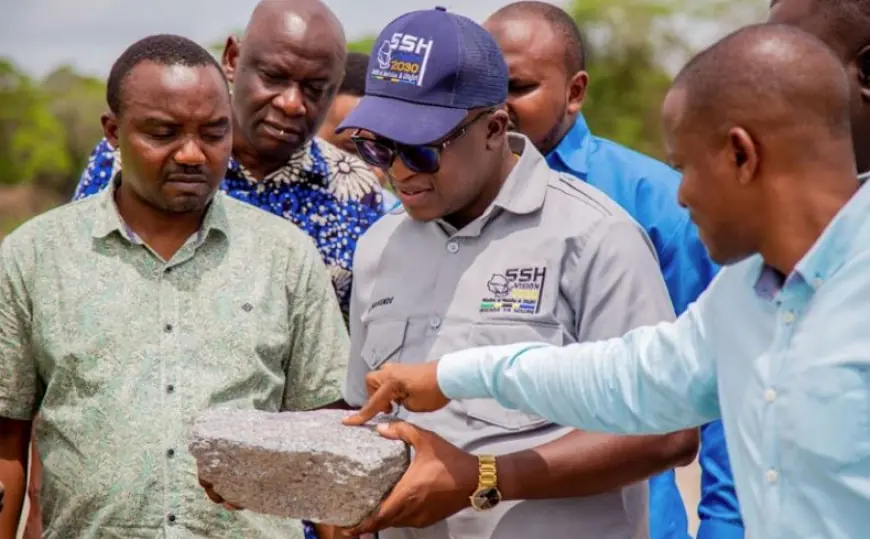
Njombe. Tanzania is edging closer to the implementation of the long-awaited Liganga-Mchuchuma project after investment negotiations reached 90 percent completion, the government said on Sunday.
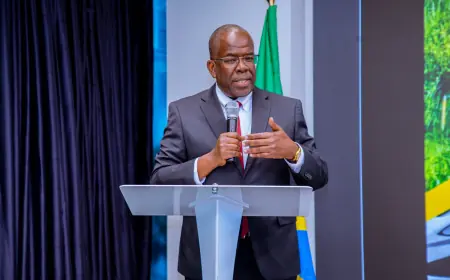
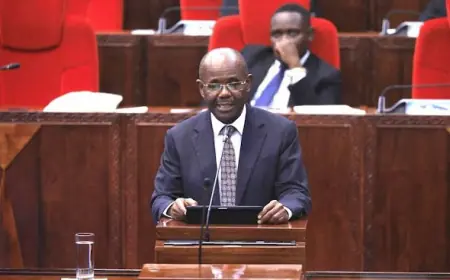
Addressing journalists here on May 10, 2026, the Permanent Secretary in the Ministry of Information, Culture, Arts and Sports and Chief Government Spokesperson, Gerson Msigwa, said the strategic project was now ready for execution following prolonged discussions between the government and a Chinese partner company.
He described the Liganga-Mchuchuma initiative as a flagship national project expected to drive industrialisation, create thousands of jobs and increase government revenue.
“This is a strategic and model project for national development,” Mr Msigwa said.
“Its implementation will bring significant benefits to Tanzanians and stimulate industrial growth.”
The project is expected to attract investment of between $2 billion and $3 billion.
According to Mr Msigwa, the project will create about 6,500 direct jobs and approximately 26,000 indirect jobs once fully operational. He said it would also support the growth of local businesses and improve the welfare of surrounding communities through corporate social responsibility programmes.
The project forms part of Tanzania’s long-term Development Vision 2050 implementation plan and is expected to strengthen the country’s industrial sector, particularly steel manufacturing.
Mr Msigwa said a joint venture company between the government and a Chinese firm had already begun updating feasibility studies ahead of implementation.
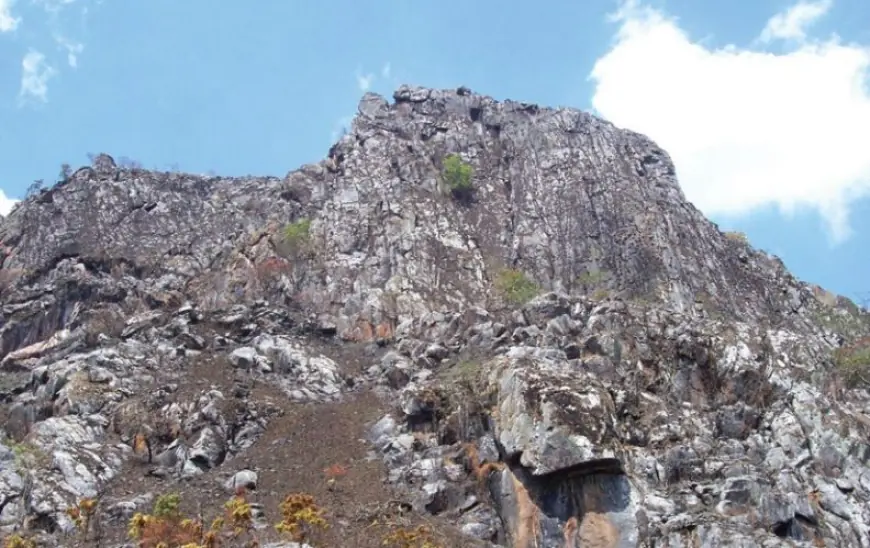
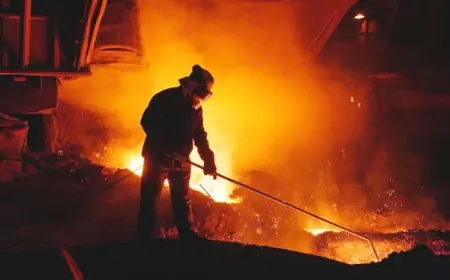
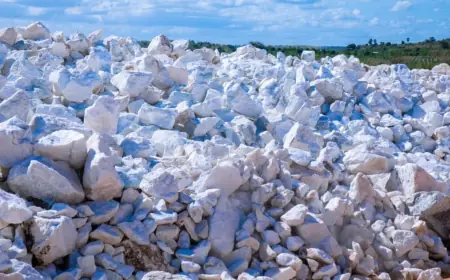
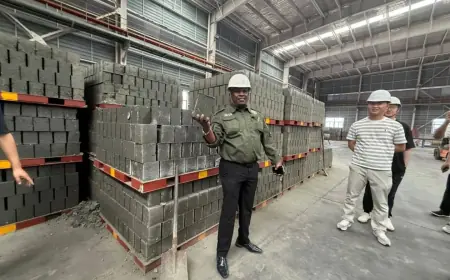
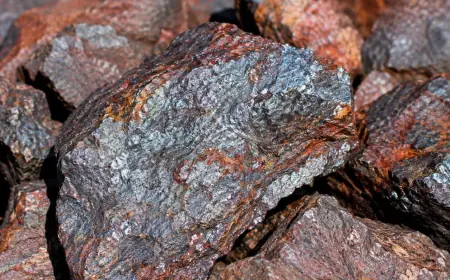
He outlined the project’s major components, including the Liganga iron ore mine, which is expected to produce 2.9 million tonnes of iron ore annually, and a steel plant with annual production capacity of 1.1 million tonnes.
He added that the Mchuchuma coal mine would produce three million tonnes of coal per year, while a 600-megawatt power station would also be developed under the project.
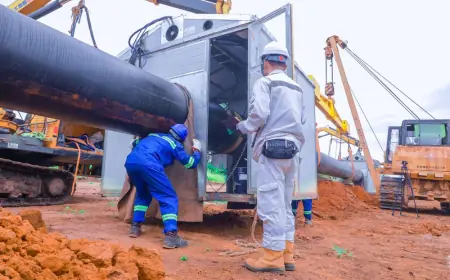
Additional infrastructure projects will include the construction of a 220-kilovolt power transmission line between Mchuchuma and Liganga, as well as a road linking the two sites.
Mr Msigwa said the government expected to earn more than $1.99 billion, equivalent to over Sh5.1 trillion, during the first 25 years of the project.
Of the projected earnings, about $92.6 million will come from coal projects, $910.8 million from iron ore mining and nearly $987.1 million from steel production.
To demonstrate the government’s commitment, Mr Msigwa said the Sixth Phase Government had already paid nearly Sh15 billion in compensation to residents affected by the project areas.
“We expect the project to commence immediately after the remaining issues are resolved,” he said.
Mr Msigwa also highlighted Tanzania’s vast coal reserves, estimated at about five billion tonnes, mainly found in the regions of Ruvuma, Songwe, Rukwa and Njombe.
He said coal production had risen sharply in recent years despite existing challenges.
According to government figures, coal production increased from 744,923 tonnes valued at Sh228.8 billion in the 2020/21 financial year to more than three million tonnes worth over Sh1 trillion in 2022/23.
However, he acknowledged challenges facing the sector, including fluctuating global prices, inadequate transport infrastructure, limited capital for small-scale miners and insufficient geological data.
Mr Msigwa said the government would continue improving roads and transport infrastructure to reduce production costs and enhance competitiveness in domestic and international markets.
He added that Tanzania was also strengthening trade relations with countries with high coal demand, including China and India.
The government is further encouraging increased domestic use of coal in electricity generation, steel production, cement manufacturing and alternative household energy sources.
Mr Msigwa called on investors, miners, transporters, financial institutions and development partners to work closely with the government in advancing the coal sector and supporting industrial growth.
What's Your Reaction?
 Like
0
Like
0
 Dislike
0
Dislike
0
 Love
0
Love
0
 Funny
0
Funny
0
 Angry
0
Angry
0
 Sad
0
Sad
0
 Wow
0
Wow
0