


























Bank of Tanzania buys 15.37 tonnes of gold as it seeks to boost reserve, shilling value

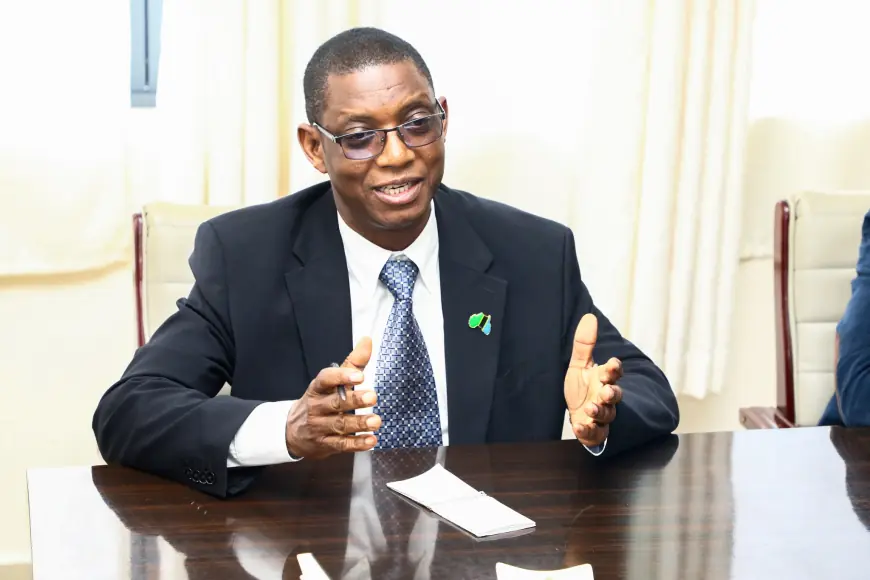
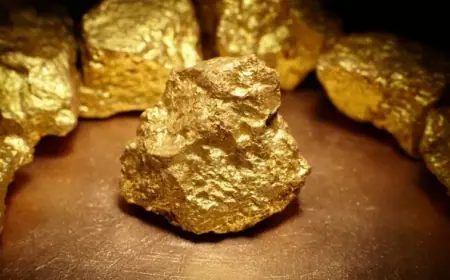
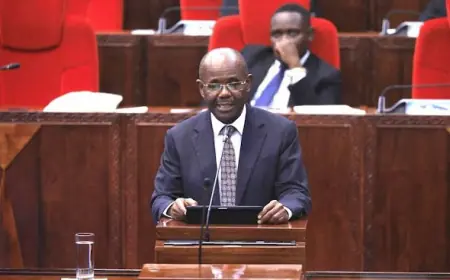
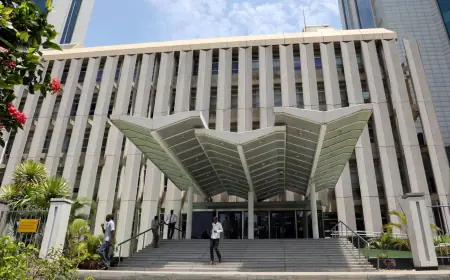
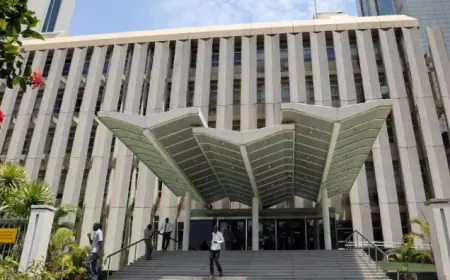
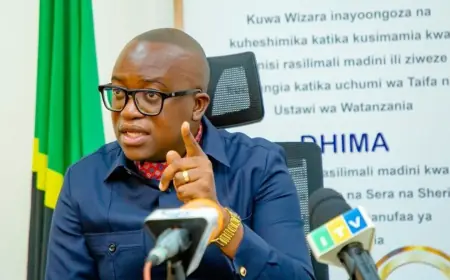
The Governor of the Bank of Tanzania (BoT), Mr Emmanuel Tutuba, has announced that the central bank has purchased a total of 15.37 tonnes of gold under its ongoing mineral purchasing programme.
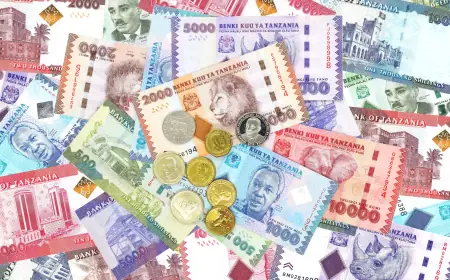
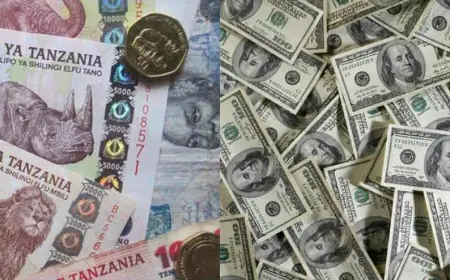
Mr Tutuba, who is also the Chairman of the BoT Board of Directors, stated that the move is a crucial step towards increasing foreign exchange reserves and strengthening the value of the Tanzanian shilling.
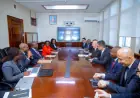
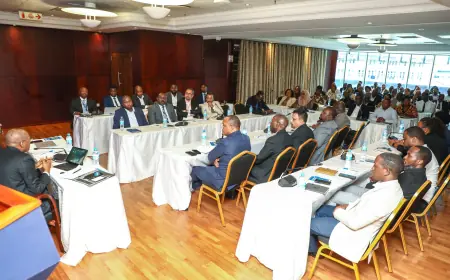
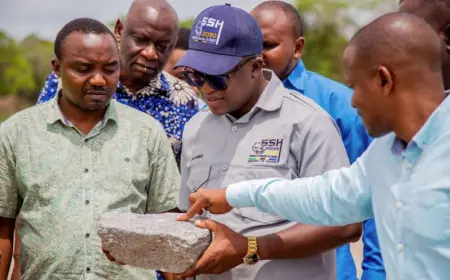
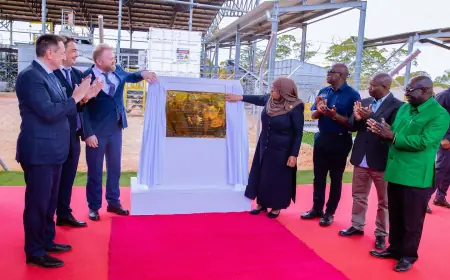
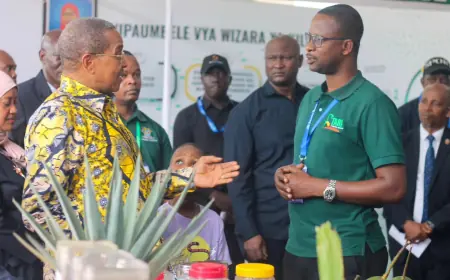
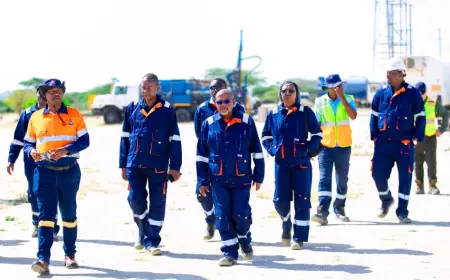
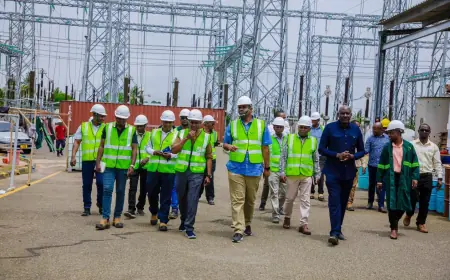
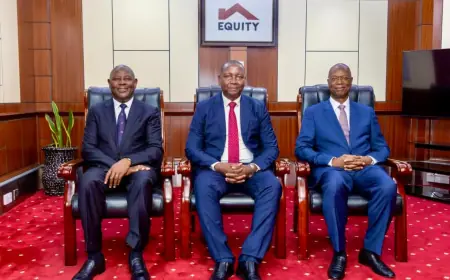
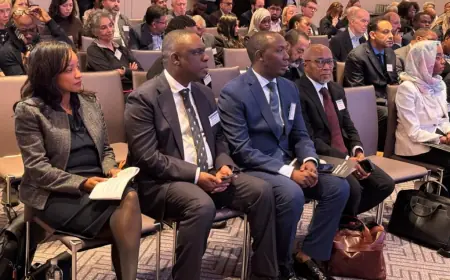
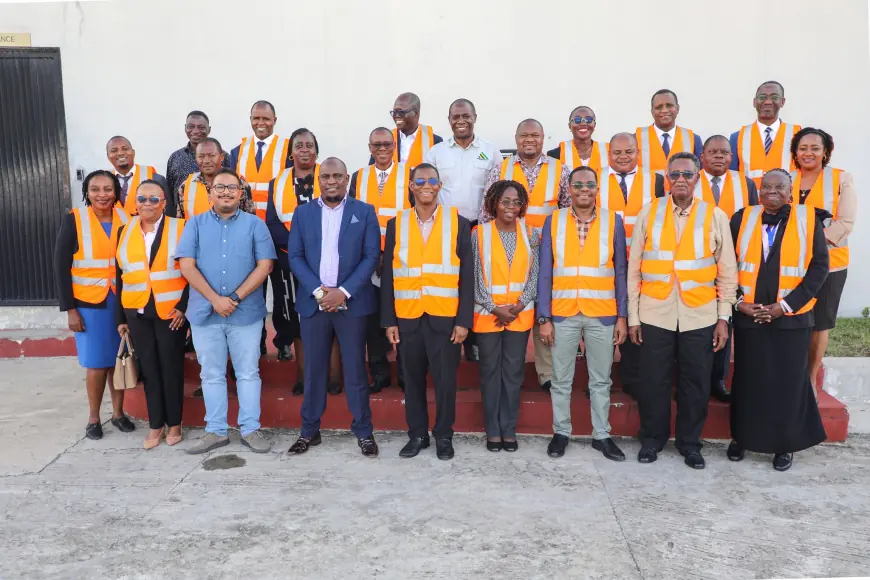
The announcement was made during a two-day tour of the Mwanza and Geita regions by the BoT Board of Directors, which commenced on November 26, 2025.
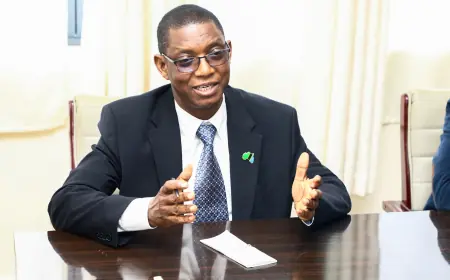
In Geita the Acting Regional Commissioner, Hashim Komba commended the central bank for the successful implementation of the gold purchasing programme and its participation in the annual National Mining Technology Exhibitions held in the region.
He said that these actions have improved efficiency in the management of the mining sector and stimulated development for small and medium-scale miners.
The tour also provided the BoT Board with an opportunity to visit important commercial and industrial hubs.
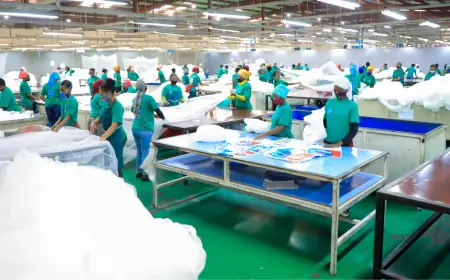
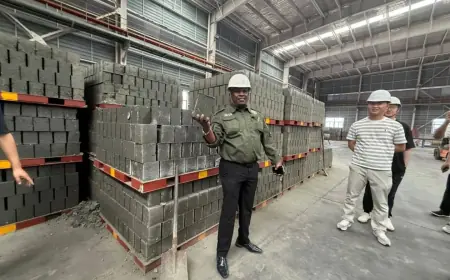
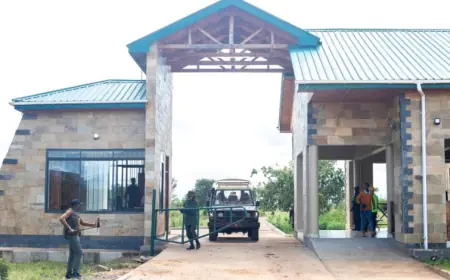
In Mwanza, they toured the Mwanza Mineral Market and the Mwanza Precious Metals Refinery, before continuing to Geita to visit the Geita Mineral Market and the Geita Gold Refinery.
At both locations, the Board received briefings on the trends in mineral trade and the advancements in gold processing technologies in the respective areas.
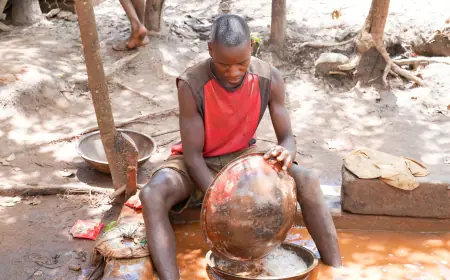
BoT’s Domestic Gold Purchase Programme is part of mining reforms that sought to increase the country’s participation in the mineral sector previously seen dominated by large foreign investors.
Amendments to the Mining Act (Cap 123), specifically, Section 59 of the Act mandated that mineral rights holders and licensed dealers to set aside a portion of their refined gold (not less than 20pc of their output) for domestic sale.
The law granted the BoT is granted the right of first refusal to purchase this refined gold.
Governor Tutuba has repeatedly emphasised that the programme is a deliberate national strategy to build reserves through domestic natural resources rather than relying primarily on foreign loans and grants, which often come with external conditionalities and debt obligations.
The BoT launched gold purchasing in the 2023/24 financial year, with significant progress made since then.
The first consignment was bought on October 1, 2024.
“Only in one year we have exceeded 15 tonnes of reserves of monetary gold. This is pure gold processed at international requirements for certification by the London Bullion Market Association (LBMA) at 99.9 percent purity,” Governor Tutuba said.
To incentivise compliance and participation, the central bank offers attractive terms to gold sellers.
These include competitive pricing, with the gold purchased at the competitive World Market Price (London Bullion Market Association - LBMA) as published daily by the Mining Commission.
Others include;
· Reduced Fees and Taxes: Sellers benefit from incentives such as a reduction in Royalty Fees (for example from 6pc to 4pc), zero Inspection Fees, and zero-rated VAT, allowing sellers to claim input tax.
· Efficiency: The BoT commits to 100 percent payment within 24 hours of receiving a confirmed fire assay report from an approved local refinery, with the central bank covering all refining costs.
Processing plants
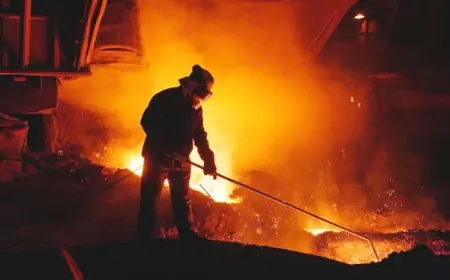
The BoT uses several processing plants for its gold including Mwanza Precious Metals Refinery, Geita Gold Refinery and the Dodoma-based Eyes of Africa Refinery.
Governor Tutuba noted that Tanzania’s monetary gold is reserved at the Tanzania Account at the Bank of England.
This means the BoT sends a certain amount of gold to the Bank of England (BoE) for international certification, but the bulk of its reserves are stored domestically at the central bank in Tanzania.
By June 2025 162 kilogrammes of gold had already been sent to Tanzania’s account with the Bank of England.
About 2,775kg were being held at BoT’s Mwanza branch and 719kg at the BoT’s offices in Dodoma.
This is how it works
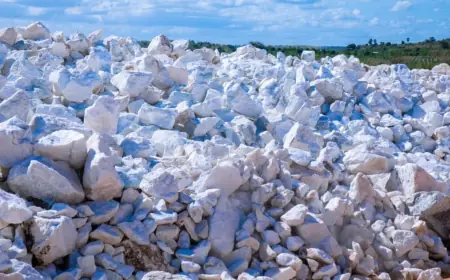
• The BoT purchases gold locally from registered miners and refines it using local facilities.
• The domestically refined gold is then sent to the Bank of England for a certification process, which typically involves a swap for internationally stamped, certified gold.
• This certification ensures the gold meets rigorous international standards (such as those set by the London Bullion Market Association) so it can be accepted by global financial institutions and traded internationally.
What's Your Reaction?
 Like
0
Like
0
 Dislike
0
Dislike
0
 Love
0
Love
0
 Funny
0
Funny
0
 Angry
0
Angry
0
 Sad
0
Sad
0
 Wow
0
Wow
0