



































Global energy crisis eases as us and Iran agree to reopen Strait of Hormuz
While the deal remains a framework rather than a final peace treaty, it represents the most significant diplomatic breakthrough since the conflict erupted with joint US-Israeli air strikes on Iran

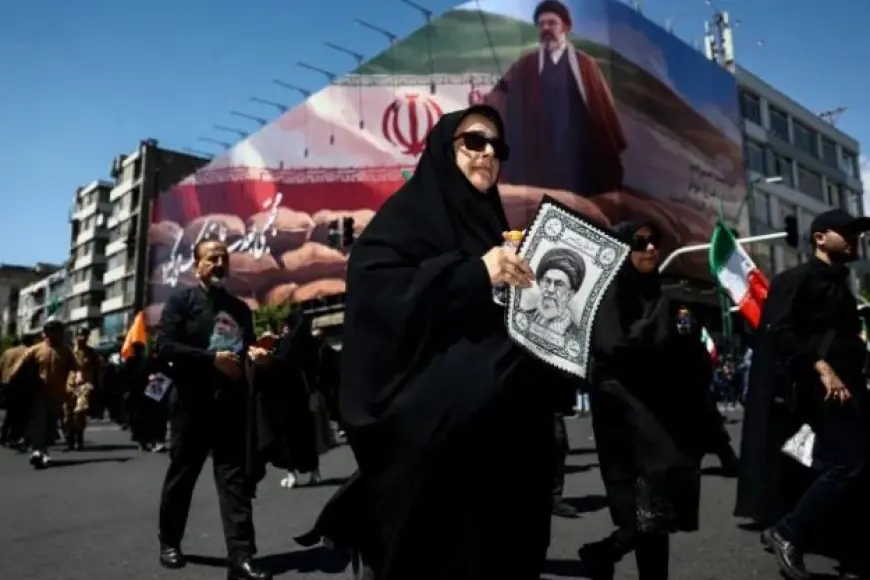
Dubai/Washington. The US and Iranian officials have announced a breakthrough preliminary pact to end military hostilities and reopen the strategically vital Strait of Hormuz.
The sudden de-escalation of the Middle East crisis has caused global crude prices to tumble, bringing a glimmer of economic stability to countries like Tanzania, which have been pushed to the brink by soaring domestic fuel costs and inflationary pressures over the past several months.
While the deal remains a framework rather than a final peace treaty, it represents the most significant diplomatic breakthrough since the conflict erupted with joint US-Israeli air strikes on Iran.
The subsequent military gridlock upended global energy markets, choked off maritime trade, and claimed thousands of lives.
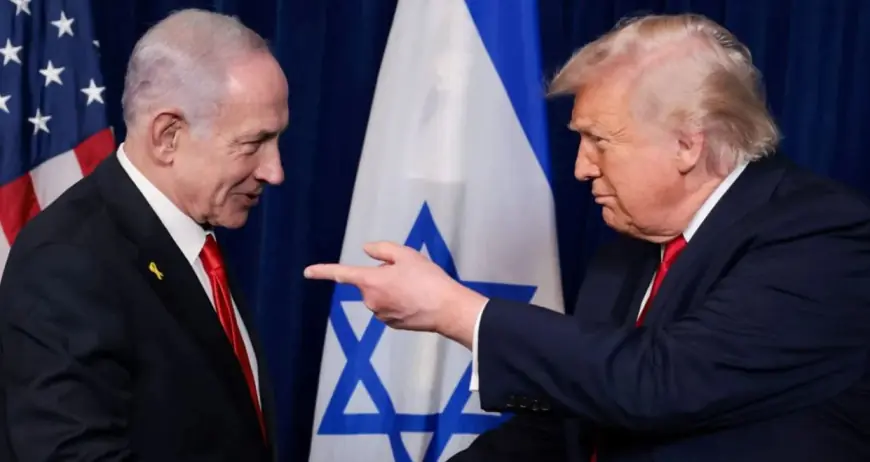
US President Donald Trump broke the news of the diplomatic breakthrough on his Truth Social platform on Sunday evening, writing around 5:30 p.m. in Washington (2130 GMT): "The Deal with the Islamic Republic of Iran is now complete."
The American president’s announcement came shortly after Pakistani Prime Minister Shehbaz Sharif, whose administration has acted as a key central mediator throughout the intense back-channel discussions, confirmed that an agreement had been officially struck early on Monday local time.
According to diplomatic sources, a formal memorandum of understanding is now scheduled to be officially signed this coming Friday in Switzerland.
Although the precise operational terms of the framework were not immediately published in full, Prime Minister Sharif indicated the expansive scale of the truce via a social media post on X, confirming that the preliminary pact calls for "the immediate and permanent termination of military operations on all fronts, including in Lebanon."
Breakthrough at sea and sanctions relief
Iran's deputy foreign minister, Kazem Gharibabadi, explained that a more expansive, definitive agreement addressing the root causes of the wider Middle East conflict would be negotiated over an upcoming 60-day ceasefire period.
These future talks are expected to hammer out the delicate logistics of comprehensive international sanctions relief for Iran.
The fate of Iran's nuclear program, which remains a deeply thorny issue for Western allies, will also be directly addressed in those later talks, sources close to the negotiations stated.
During his first term in office, President Trump withdrew the US from the 2015 multilateral Iran nuclear deal, a historic pact negotiated by Democratic President Barack Obama that had lifted economic sanctions on Tehran in exchange for strict caps on its nuclear capabilities and regular international inspections.
Following the US withdrawal, Iran systematically ramped up its enrichment of uranium, ultimately producing more than 400 kg (around 900 pounds) of material refined close to bomb-grade purity.
A US official, speaking anonymously before the formal announcement, voiced confidence that the new framework agreement would ultimately lead to the total dismantling of Iran's nuclear program, including the destruction and removal of its highly enriched uranium stockpile.
However, a senior Iranian official offered a slightly different interpretation of the draft terms, indicating that the agreement would instead allow Iran, which has consistently denied seeking a nuclear weapon, to safely dilute its enriched uranium reserves inside its own borders.
Financial concessions also played a critical role in unlocking the diplomatic stalemate.
Before the deal was made public, a senior Iranian official disclosed that under the negotiated draft terms, the US would agree to release $25 billion of frozen Iranian assets.
The Trump administration had previously maintained that any release of Iranian financial reserves would only occur once Tehran fulfilled concrete conditions under a comprehensive peace deal.
Immediate Market Impact and Relief for East Africa
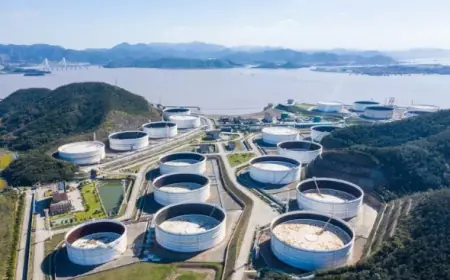
The most immediate tangible consequence of the diplomatic breakthrough was felt in the global commodities markets.
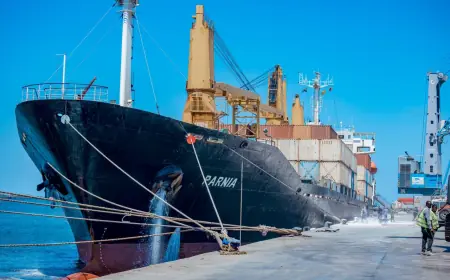
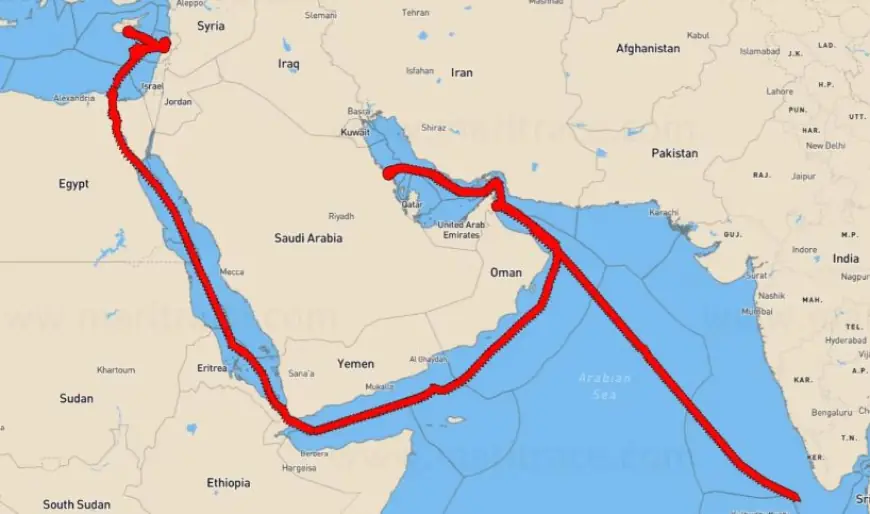
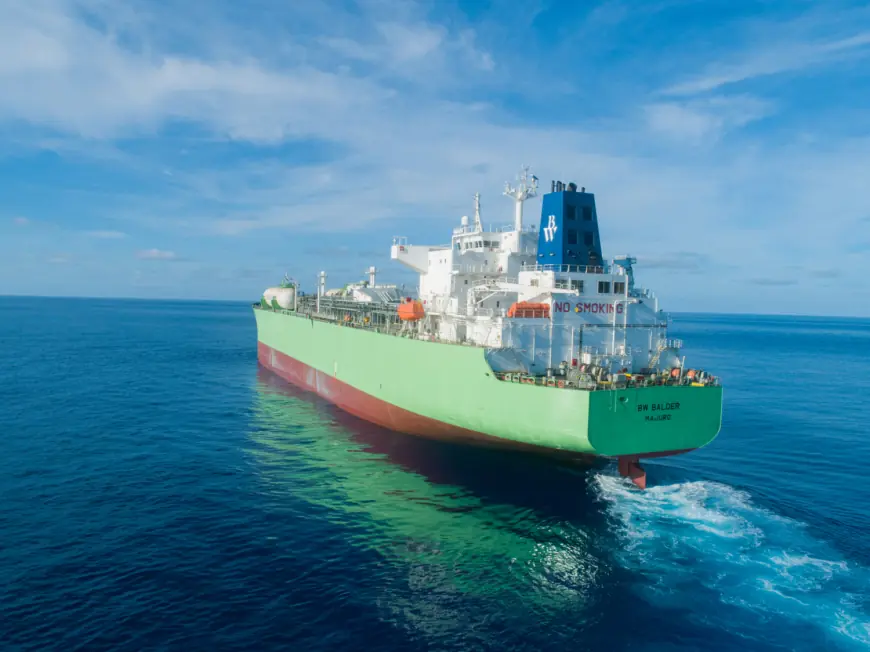
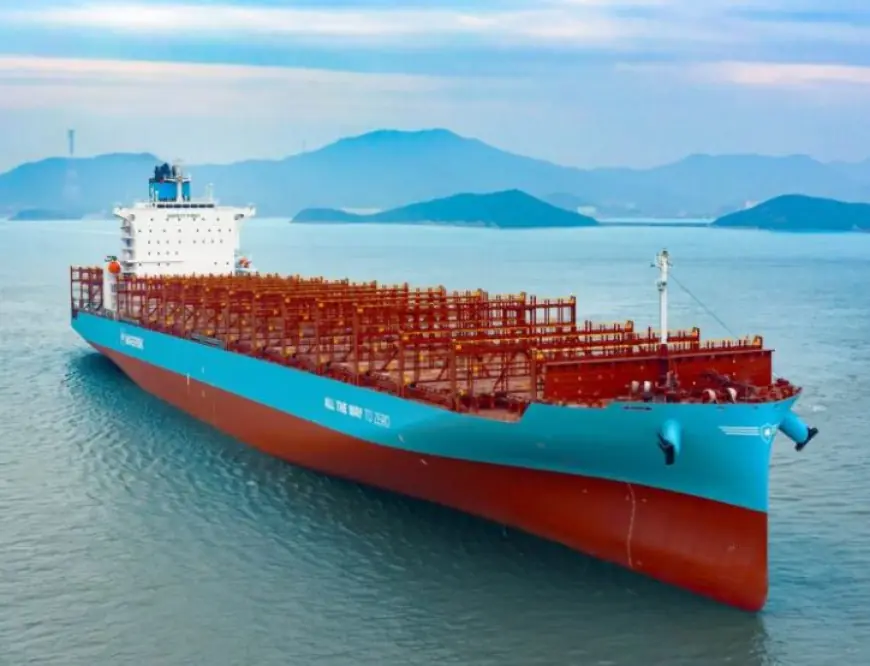
President Trump confirmed that the Strait of Hormuz, a critical international maritime artery through which roughly a fifth of the world's petroleum passes, would fully reopen on Friday.
The shipping lane had been effectively shut down by Iranian naval forces for months, prompting a strict US counter-blockade of Iranian ports.
"Ships of the World, start your engines. Let the oil flow!" Trump wrote enthusiastically on social media, signaling an immediate end to the American naval blockade.
Reacting instantly to the news, global energy markets shifted gears.
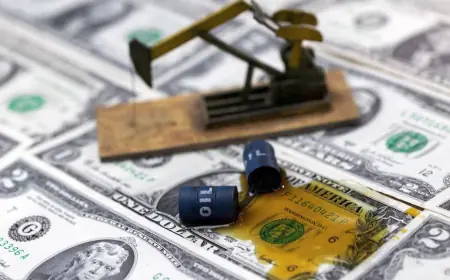
Brent crude futures plunged by 4 per cent in early trading on Monday, while major global stock markets jumped in response to cooling inflation fears.
For the American domestic audience, the resolution of the war comes at a critical juncture for the Trump administration.
The conflict had increasingly become an acute political liability for the president and fellow Republicans in Congress, with public opinion polls indicating deep domestic frustration over rising petrol prices ahead of November's crucial midterm elections.
However, the economic relief felt in Washington is dwarfed by the profound sense of stability this agreement brings to developing economies across East Africa, particularly Tanzania.
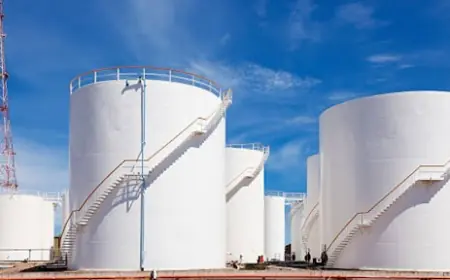
As a net oil importer, Tanzania has been highly vulnerable to the volatile fluctuations of global crude pricing caused by the closure of the Strait of Hormuz.
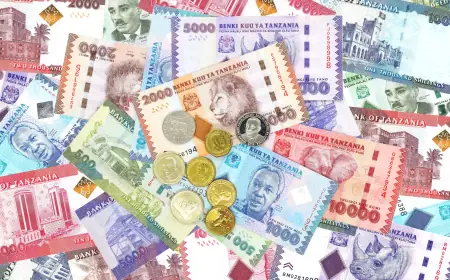
Over recent months, Tanzanian consumers and businesses have faced spiralling pump prices, forcing the Energy and Water Utilities Regulatory Authority (EWURA) to implement successive upward price revisions for petrol, diesel, and kerosene.
Because fuel costs directly dictate the price of transport, manufacturing, and agricultural distribution in the country, the global energy crunch rapidly translated into a broader domestic cost-of-living crisis.
Higher fuel costs drove up food prices in major urban centres like Dar es Salaam and slowed down commercial transport along key regional trade corridors.
The four percent drop in Brent crude futures, paired with the guaranteed reopening of the Strait of Hormuz, ensures that Tanzanian import costs will fall significantly in the coming import cycles.
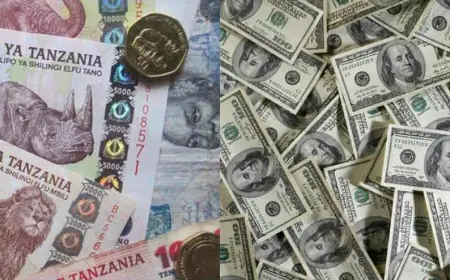
Lower procurement costs for bulk oil investments mean that the government can stabilize domestic inflation and ease the heavy pressure on foreign exchange reserves, which had been strained by the inflated dollar-denominated fuel import bills.
International leaders outside of the Middle East have widely praised the breakthrough.
In a joint statement, the governments of Britain, Germany, France, and Italy stated that they stood ready to lift long-standing economic sanctions on Iran in response to clear, verifiable steps to limit its nuclear activities.
China also welcomed the deal, emphasizing the vital importance of open maritime shipping lanes for the continuity of the global supply chain.
What's Your Reaction?
 Like
0
Like
0
 Dislike
0
Dislike
0
 Love
0
Love
0
 Funny
0
Funny
0
 Angry
0
Angry
0
 Sad
0
Sad
0
 Wow
0
Wow
0