












































Can Tanzania’s new sovereign pragmatism stance advance economic diplomacy?
For decades, Tanzania’s diplomatic identity was rooted in the non-alignment of the Cold War era, a principled, yet often reactive, stance

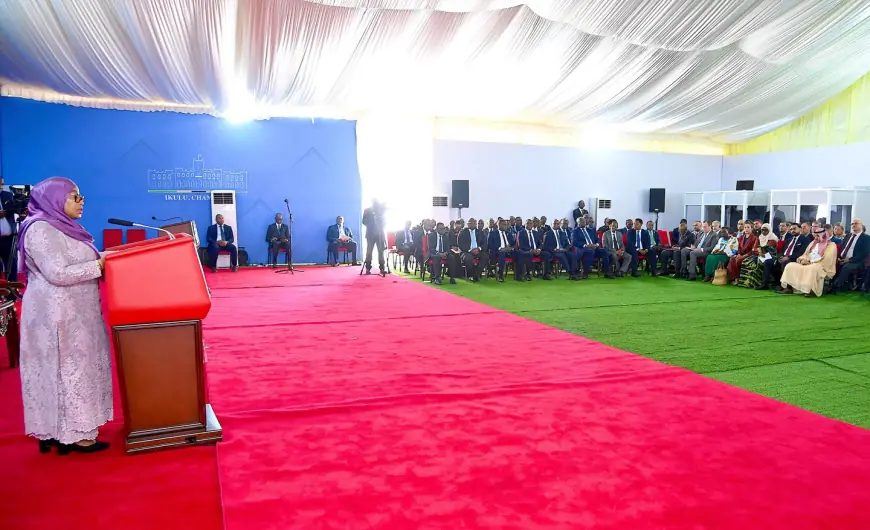
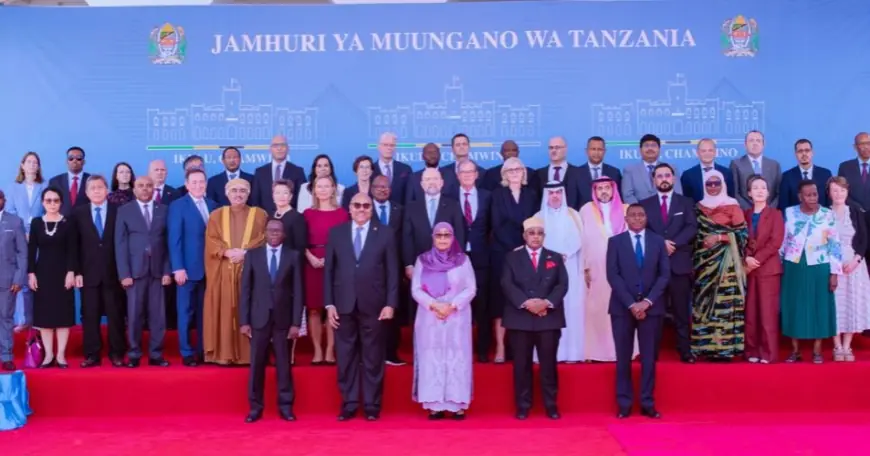
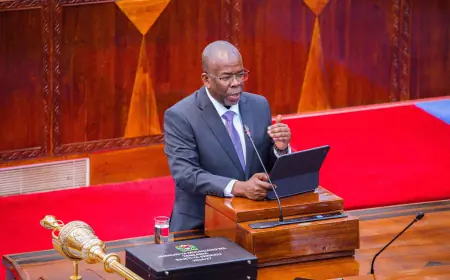
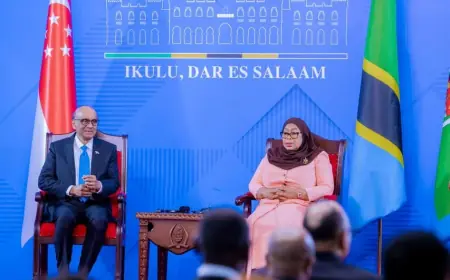
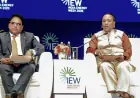
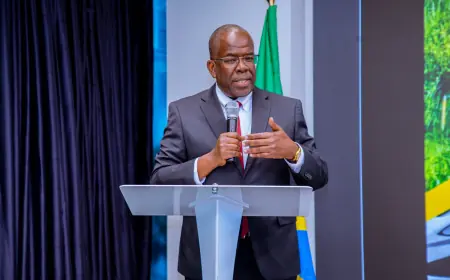
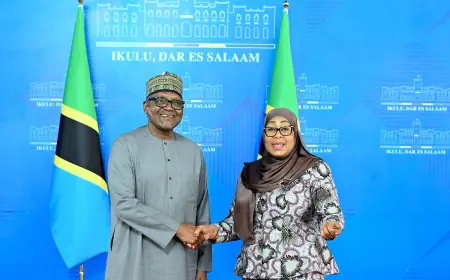
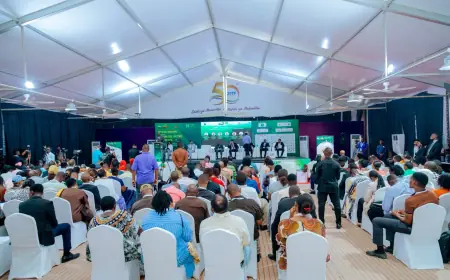
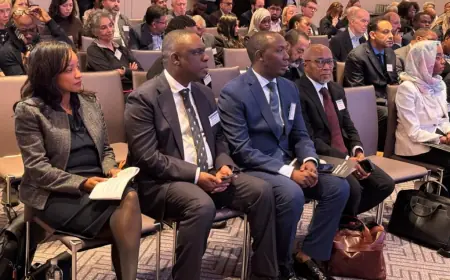
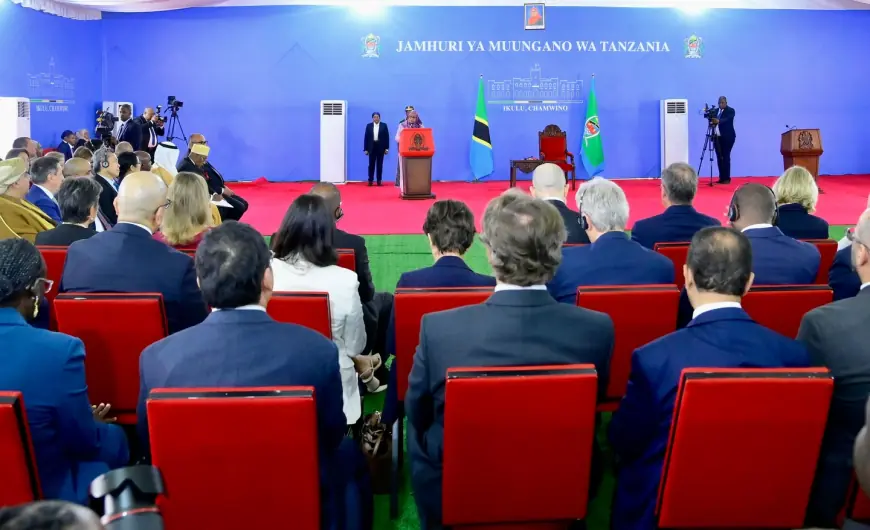
Dodoma. On 15 January 2026 President Samia Suluhu Hassan stood before the international diplomatic corps at the Chamwino State House to unveil a doctrine that may well define the next quarter-century of African geopolitics: Sovereign Pragmatism.
As global superpowers engage in an increasingly abrasive display of military and economic muscle-flexing, Tanzania has officially hit the "reset" button on its foreign policy.
The unveiling was not merely a ceremonial "Sherry Party" for ambassadors; it was the formal launch of a strategic survival kit for a mid-sized power navigating a fractured, multipolar world.
The end of passive non-alignment
For decades, Tanzania’s diplomatic identity was rooted in the non-alignment of the Cold War era, a principled, yet often reactive, stance.
The new doctrine of Sovereign Pragmatism, integrated into the Tanzania Development Vision 2050 (Dira 2050), marks the end of that era.
In this new framework, Tanzania is moving from "non-aligned" to "multi-engaged."
This subtle linguistic shift carries immense weight.
It means Tanzania will no longer sit on the sidelines of global disputes.
Instead, it will actively bridge the divide between rival blocs to secure its own interests.
"We seek trade, not just aid; technology transfer, not just technical assistance," President Samia declared, signaling a transition away from the donor-recipient model that has dominated the continent for sixty years.
Economic Diplomacy as a shield
The "muscle-flexing" of global powers, most notably the trade wars between the United States and China, and the energy realignments caused by the conflict in Ukraine, has often left developing nations as collateral damage.
Tanzania’s response is to weaponise its own geostrategic assets.
With the world’s appetite for "green" minerals skyrocketing, Tanzania is sitting on a goldmine of nickel, graphite, and rare earth elements.
Sovereign Pragmatism dictates that these resources will no longer be shipped out as raw dirt.
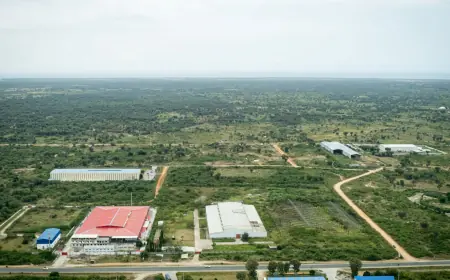
The new policy mandates local value addition, forcing international partners to build processing plants within Tanzanian borders if they wish to access its wealth.
Navigating the great power rivalry
The brinkmanship of the hour is how Tanzania manages its "special relationships."
The eastern tilt and the western anchor
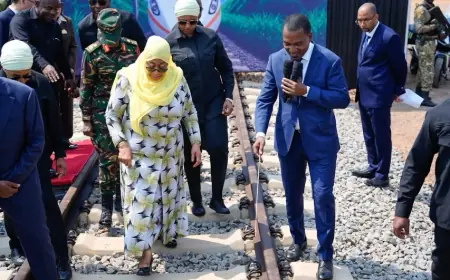
China remains Tanzania’s largest bilateral trader and a primary source of infrastructure funding, exemplified by the TAZARA railway upgrades.
Simultaneously, the government is courting the UK and the EU for high-end technology and climate financing, recently securing a £1 billion investment partnership with London.
At the same time Tanzania touts itself as the regional bridge.
By positioning itself as the gateway for the Southern African Development Community (SADC) and the East African Community (EAC), Tanzania is turning its 800km coastline into a regional logistics hub that neither the East nor the West can afford to ignore.
Domestic stability as foreign policy
The most sophisticated aspect of this new era is the link between domestic policy and international leverage.
But this will depend on how the Tanzanian government ease political tensions at home and reform the business climate.
It the government succeeds in that then Tanzania can market "stability" as a commodity.
In a world of volatile regimes, a "predictable" Tanzania is essential for the country to serve as a magnet for the trillions of dollars in private capital looking for a safe haven in Africa.
The $1 trillion ambition
At the heart of the announcement is the staggering goal of Dira 2050: transforming Tanzania into a $1 trillion economy.
To achieve this, the nation must maintain an annual growth rate of 8 percent to 10 percent for the next 25 years—a feat accomplished by few nations in history.
Sovereign Pragmatism is the engine intended to drive this growth. It acknowledges that in an era of global rivalries, Tanzania cannot rely on the benevolence of any single superpower.
Instead, it must be nimble enough to dance with all of them, using its sovereignty not as a shield to hide behind, but as a sword to carve out its own space in the global market.
What's Your Reaction?
 Like
0
Like
0
 Dislike
0
Dislike
0
 Love
0
Love
0
 Funny
0
Funny
0
 Angry
0
Angry
0
 Sad
0
Sad
0
 Wow
0
Wow
0