

































































What Amsons’ Oryx takeover means for Tanzania’s fuel market
The acquisition would deepen the Tanzanian group’s control of the fuel supply chain, strengthen its logistics operations and extend a regional expansion strategy that has already reshaped its position in the cement industry

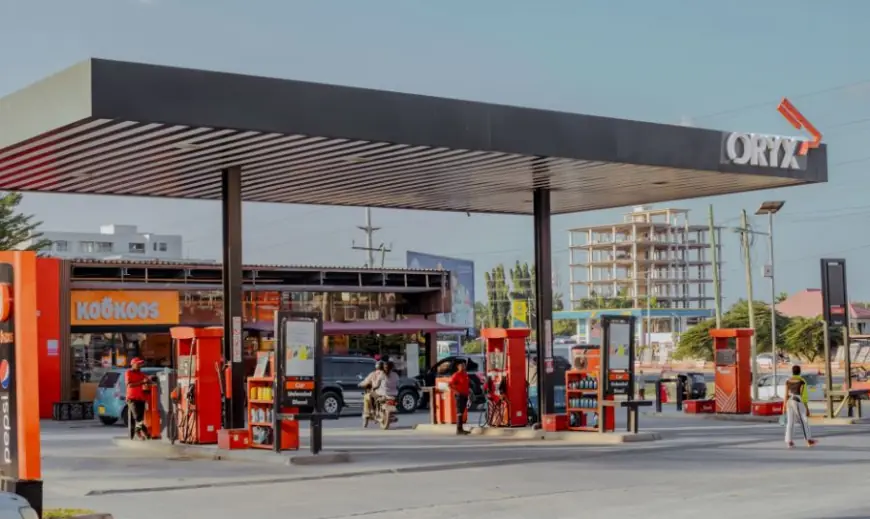
Dar es Salaam. Amsons Group’s proposed acquisition of Oryx Energies’ downstream oil business in Tanzania marks a significant step in the expansion of the Tanzanian conglomerate, bringing together complementary interests in petroleum distribution, storage, transport and industrial manufacturing.
The agreement, announced by Oryx Energies on October 16, 2026, would give Amsons access to an established network of fuel distribution facilities, storage infrastructure and retail operations, strengthening its position in a sector central to Tanzania’s domestic economy and regional trade.
Although neither company disclosed the transaction’s value or an expected completion date, the acquisition points to a broader strategy in which Amsons is seeking to build an integrated industrial and logistics platform capable of serving markets across East and Central Africa.
For Amsons, the opportunity extends beyond increasing its presence in the petroleum market. It lies in connecting fuel procurement, storage and distribution with the transport and manufacturing operations already within its portfolio.
The transaction remains subject to regulatory approvals and other customary conditions.
Oryx has said its Tanzanian operations will continue as usual until completion.
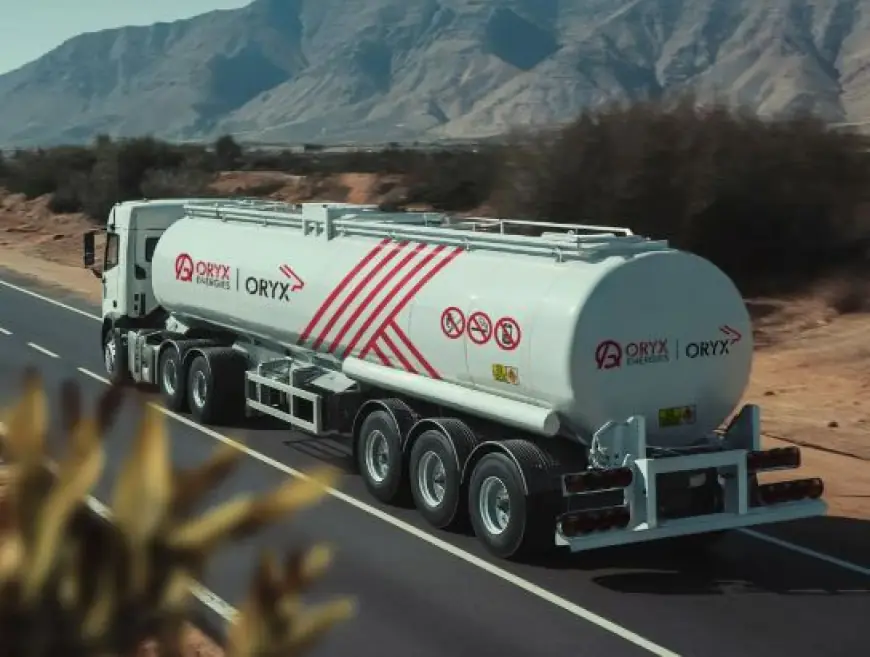
Consolidating the energy supply chain
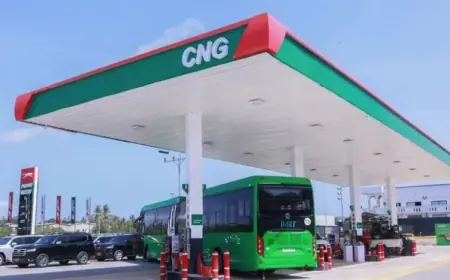
Founded in 2006 as a bulk oil and petroleum products importer under Camel Oil Tanzania, Amsons has progressively diversified into fuel distribution, liquefied petroleum gas (LPG), lubricants, transport, cement, concrete, flour manufacturing and real estate.
Its existing petroleum business provides a foundation for integrating Oryx’s operations into a wider network of industrial activities.
The acquisition could increase the group’s capacity to manage fuel storage and distribution while improving coordination between its energy and logistics businesses.
The strategic value of such integration lies in the relationship between fuel availability and the cost of moving goods.
Cement manufacturing, flour milling and long-distance transport all depend on reliable fuel supplies.
Greater control over distribution infrastructure could therefore help Amsons coordinate its operations and potentially improve efficiency across its businesses.
However, these benefits will depend on the acquisition’s final scope, the cost of integrating the assets and the extent to which operational efficiencies can be realised.
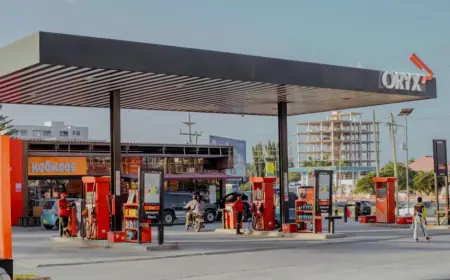
Oryx’s Tanzanian business is more than a network of petrol stations.
The company has operated in the country since 1999, developing activities spanning fuel sourcing and imports, storage, distribution, LPG and lubricants.
Its Tanzanian operations include an import terminal in Dar es Salaam, LPG facilities and a lubricant blending plant.
The company also identifies the Tanzania International Petroleum Reserves Limited (TIPER) facility among its strategic infrastructure.
The precise assets and ownership interests covered by the acquisition, however, have not been fully disclosed.
That distinction matters because access to established storage and distribution facilities can be as strategically important as the retail outlets through which fuel reaches consumers.
A regional logistics opportunity
Amsons’ ambitions extend beyond Tanzania’s domestic market.
The group already serves customers in neighbouring landlocked countries that depend on the Port of Dar es Salaam and associated transport corridors for petroleum products and other imports.
According to the Energy and Water Utilities Regulatory Authority (EWURA), Mainland Tanzania has petroleum receiving facilities at Dar es Salaam, Tanga and Mtwara.
Dar es Salaam serves much of the country as well as neighbouring landlocked markets, while the national petroleum infrastructure includes storage terminals, transport facilities and retail outlets.
Acquiring additional storage and distribution capacity could strengthen Amsons’ ability to participate in this regional supply chain, particularly as demand for fuel supports road transport, mining, manufacturing and other commercial activities.
For Tanzania, the potential significance lies in the opportunity to build greater domestic capacity in petroleum handling and distribution while strengthening the commercial role of its ports and transport corridors.
Amsons Group managing director Edha Nahdi said integrating Oryx’s distribution network and storage capacity would help strengthen domestic fuel security and position Tanzania as a regional logistics hub for East and Central Africa.
Realising that ambition will require more than acquiring physical assets.
Reliable supplies, efficient transport, adequate working capital, regulatory compliance and competitive distribution costs will remain essential.
The transaction should therefore be viewed as an opportunity to strengthen the infrastructure supporting fuel availability rather than a guarantee of lower prices or improved supply security.
Lessons from the Bamburi Cement acquisition
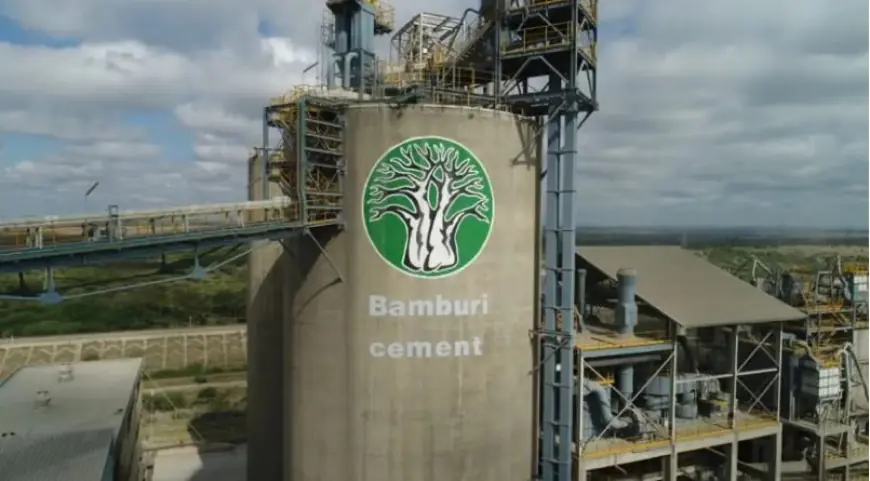
The Oryx transaction follows Amsons’ acquisition of a controlling stake in Kenya’s Bamburi Cement, illustrating a pattern of expansion through established businesses rather than relying exclusively on organic growth.
In December 2024, Bamburi Cement reported that Amsons had acquired 96.54 per cent of its shares following the takeover transaction.
The deal gave the Tanzanian group a substantial position in Kenya’s cement industry and expanded its regional manufacturing footprint.
The acquisition was consistent with Amsons’ broader objective of establishing a stronger presence in neighbouring markets.
Its subsequent plans for investment in cement production also indicate an interest in expanding productive capacity alongside ownership.
The proposed Oryx takeover applies a similar approach to energy and logistics.
Rather than building an entirely new distribution network, Amsons would acquire an established operation with existing infrastructure, customers and commercial relationships.
This could accelerate its expansion while creating opportunities to connect its petroleum business with its manufacturing and transport interests.
The two acquisitions also illustrate the group’s willingness to pursue investments across national borders, with Tanzania serving as its principal base and Kenya providing an important manufacturing market.
evertheless, success will depend on how effectively the group manages businesses with different operating requirements, capital needs and regulatory obligations.
What it means for the market
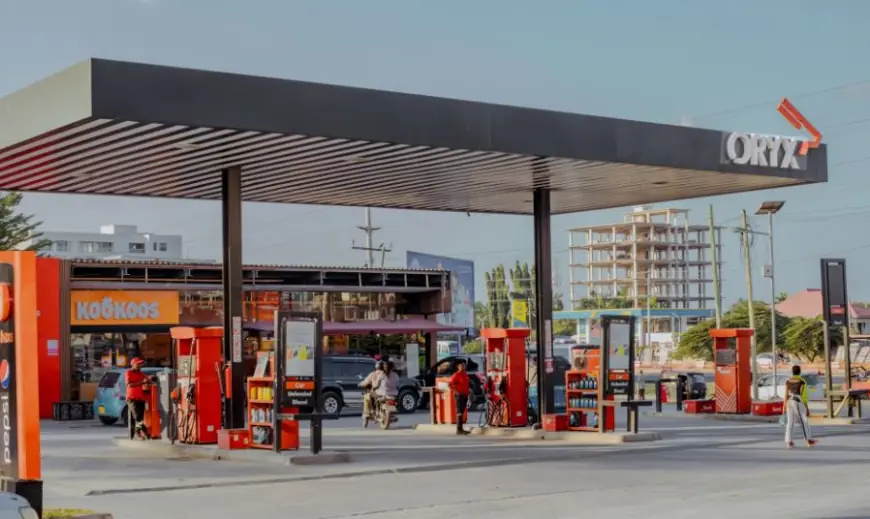
The proposed acquisition could alter the competitive landscape of Tanzania’s downstream petroleum sector by placing additional distribution and storage assets under a group that already operates in the industry.
For fuel retailers, transport operators and industrial customers, the implications will depend on whether the combined operation improves distribution efficiency, expands access to storage and maintains competitive commercial terms.
Consumers should not automatically expect immediate changes in pump prices.
Fuel prices are influenced by international petroleum markets, exchange rates, import costs, taxes, levies, transport expenses and domestic regulatory arrangements.
Ownership changes alone do not determine these factors.
The competition implications will also warrant scrutiny during the regulatory approval process.
Authorities will need to assess the transaction in light of the relevant markets, the assets involved and the potential effects on competition and access to infrastructure.
For Amsons, the challenge will be to translate a larger asset base into measurable operational and commercial gains without weakening service quality or financial performance.
Oryx shifts its strategic focus
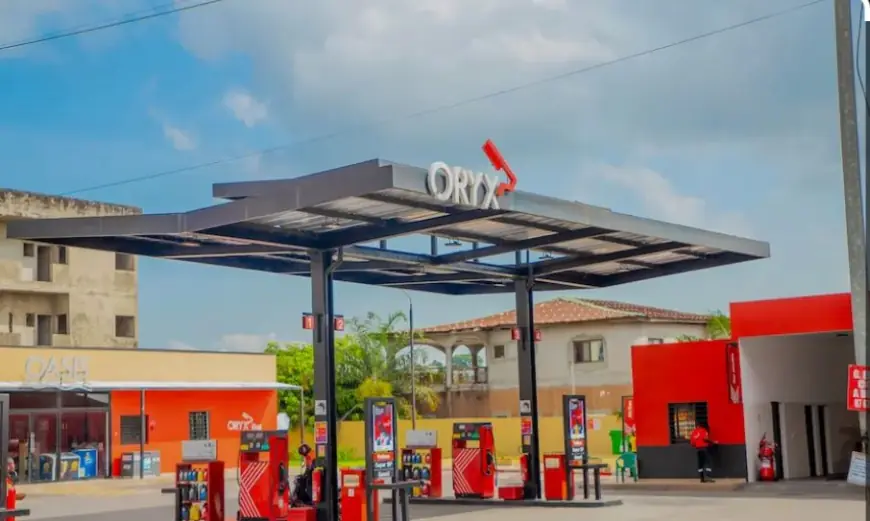
The transaction also reflects a change in capital allocation for Oryx Energies, which said the sale formed part of an ongoing review of its downstream assets in Africa.
Chief executive Moussa Diao said the company intended to concentrate capital and resources on developing energy infrastructure across Africa and strengthening its trading activities.
The decision does not necessarily signal a withdrawal from African energy markets.
Rather, it indicates a reorganisation of its portfolio, with the company seeking to focus investment on infrastructure development and trading.
For Tanzania, the transfer of an established downstream business to a locally based conglomerate could mark a further shift in the ownership of strategic commercial assets towards domestic investors.
Ultimately, the acquisition’s significance will be determined not by the size of Amsons’ expanded portfolio alone, but by its ability to improve the efficiency of fuel distribution, support industrial production and strengthen Tanzania’s connections with regional markets.
The immediate test will be completing the transaction and integrating the acquired operations.
The longer-term measure of success will be whether greater control of the energy supply chain translates into stronger business performance and tangible benefits for the wider economy.
What's Your Reaction?
 Like
0
Like
0
 Dislike
0
Dislike
0
 Love
0
Love
0
 Funny
0
Funny
0
 Angry
0
Angry
0
 Sad
0
Sad
0
 Wow
0
Wow
0