

































The high price of hesitation: Tanzania’s belated surge toward natural gas
Had the country invested in Compressed Natural Gas (CNG) infrastructure in the early 2000s, the current fuel inflation would be a footnote rather than a national emergency

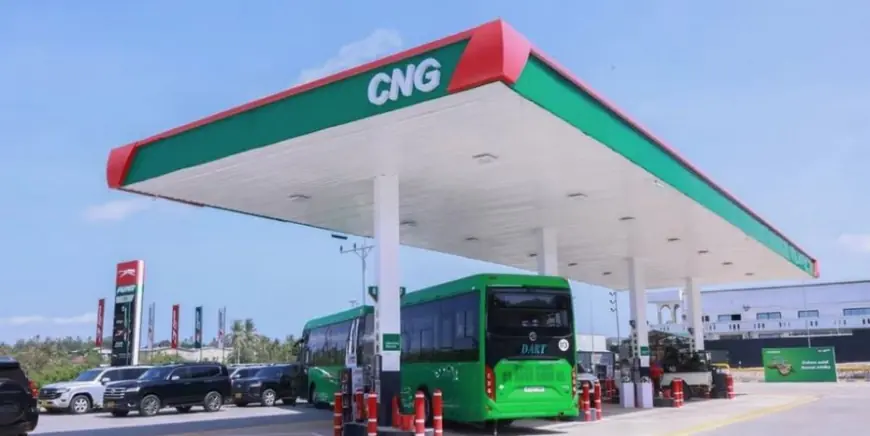
Dar es Salaam. As the shadow of the Iran war looms over global energy markets, Tanzania is grappling with a self-inflicted economic wound.
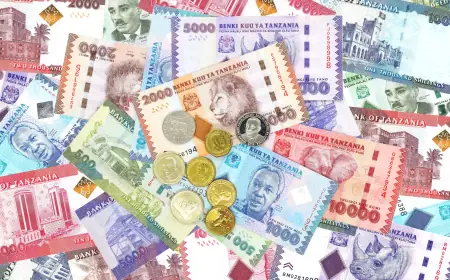
High petrol prices that have reached a historic peak of Sh3,820 per litre in Dar es Salaam are a crisis that industry experts say was decades in the making.
For thirty years, the Tanzanian government treated its goldmine of natural gas reserves as a future prospect rather than a present necessity.
This chronic delay has now left the nation vulnerable to the geopolitical tremors of the Middle East.
Had the country invested in Compressed Natural Gas (CNG) infrastructure in the early 2000s, the current fuel inflation would be a footnote rather than a national emergency.
The missed opportunity spans multiple administrations that failed to bridge the gap between discovery and domestic utility.
Tanzania possesses over 57.54 trillion cubic feet of natural gas, yet for decades, the infrastructure to deliver this gas to the common motorist was non-existent.
A robust CNG network established 20 years ago would have shielded the economy from the current surge in global crude prices.
Instead, the government is now engaged in a frantic, multi-billion shilling sprint to build the infrastructure it ignored for a generation.
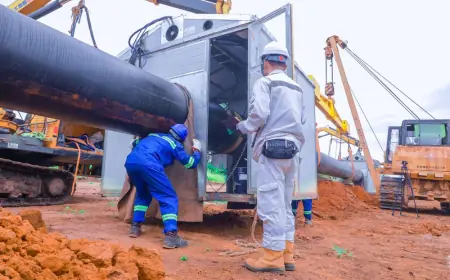
The Tanzania Petroleum Development Corporation (TPDC) and its subsidiary GASCO are now spearheading an aggressive rollout of "virtual pipelines" to transport gas via road to daughter stations.
This fiscal year marks a turning point where the government aims to increase the number of CNG stations from a mere handful to over sixty nationwide.
The shift is driven by the stark reality that CNG remains nearly 75 percent cheaper than petrol at the pump.
A vehicle that requires Sh100,000 of petrol to cover a specific distance can achieve the same result with just Sh27,000 of CNG.
This price disparity is the ultimate proof of the decades of savings lost to government inertia.
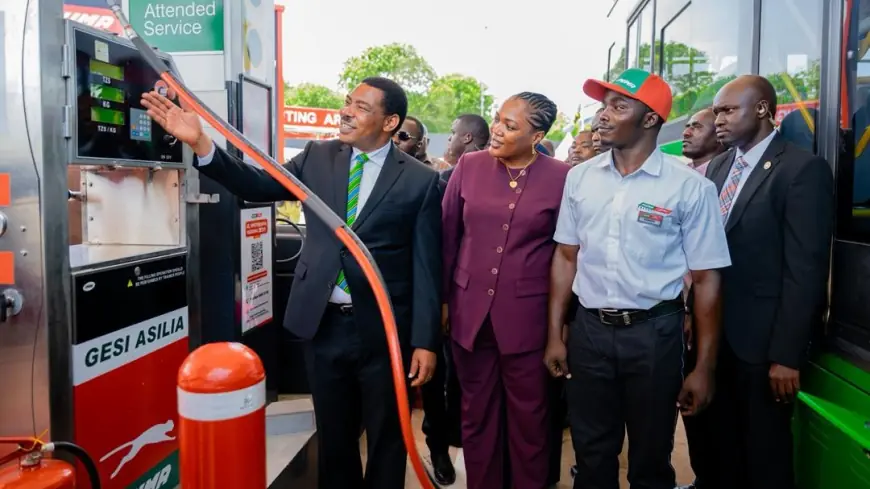
Mapping the CNG network
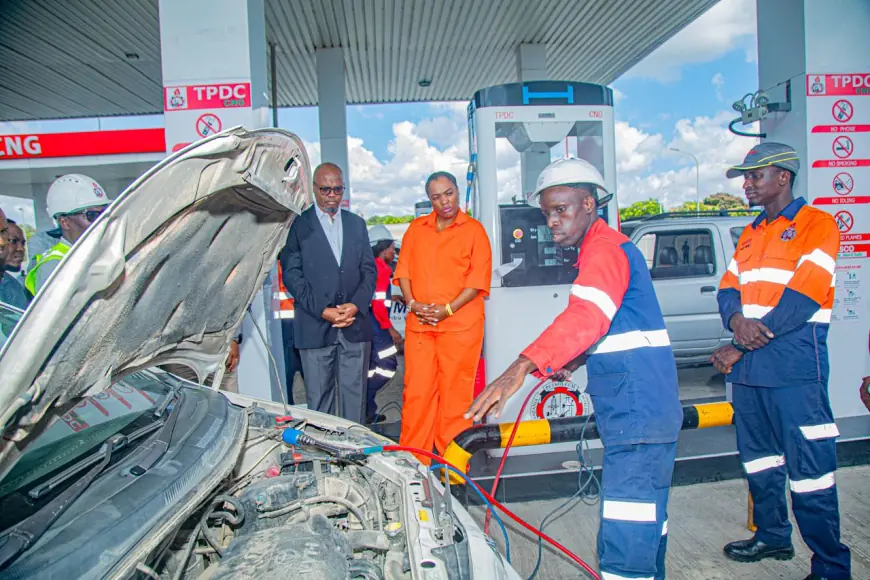
The current infrastructure map of Dar es Salaam is a mix of operational landmarks and rapid construction sites.
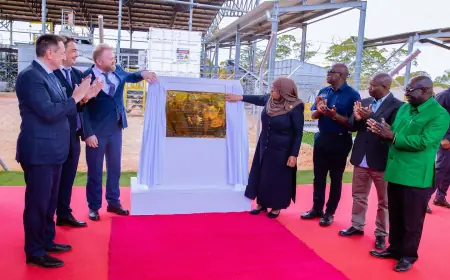
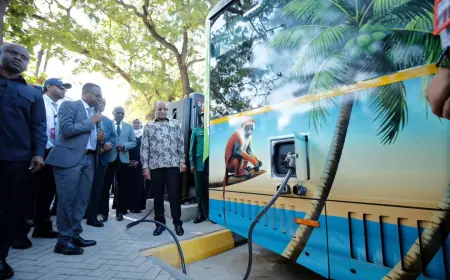
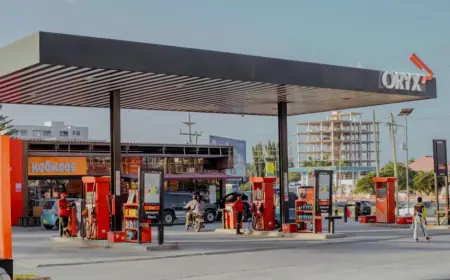
Prime Minister Mwigulu Nchemba recently inaugurated Africa's largest CNG Mother Station in Dar es Salaam.
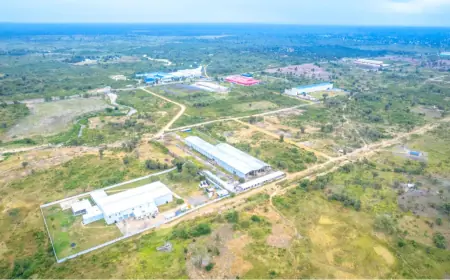
This Sh13 billion facility, developed by Puma Energy, serves as the backbone for a new "hub-and-spoke" distribution model.
There is also a flagship facility, at the UDSM Mother Station along Sam Nujoma Road, which remains the most sophisticated hub in East Africa.
This station can service over 1,200 vehicles daily and acts as the primary source for the tube trailers that supply the rest of the city.
Other operational stations providing immediate relief to motorists include the Puma Energy Mother Station in Salasala (which was inaugurated by Dr Nchemba in February, 2026) and the Tazara Station.
These are joined by established points at Ubungo Maziwa (one of the earliest operational stations, currently seeing record queues as motorists flee petrol costs), Muhimbili, and Kibaha.
Notably, the Victoria CNG station at Kinyerezi has now entered the operational ranks, serving a critical role in the Ilala municipality.
This station was a key part of the recent expansion drive to ensure that the western suburbs of Dar es Salaam are not left behind in the transition.
Construction is currently frantic at several high-demand locations across the city.
The Kigamboni station is nearing completion to serve the burgeoning residential population across the bridge.
In the south, the Mbagala facility is undergoing final equipment testing to support the heavy commercial traffic on the Kilwa Road corridor.
Additional sites at Bunju and Bahari Beach are in the civil works phase, with tanks and dispensers expected to be installed by the second quarter of 2027.
Upcountry expansion
The government has mandated that at least 20 stations be operational by June 2026. This includes new sites in Morogoro and Dodoma to ensure the CNG network spans the primary inland trade route.
A legacy of neglect meets a global crisis
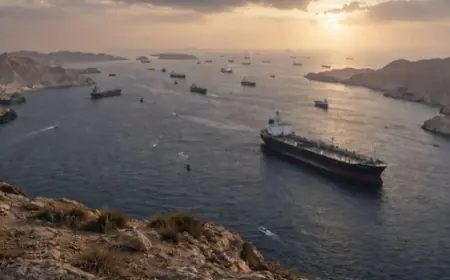
The ongoing war involving Iran has exposed the fragility of Tanzania’s energy reliance.
When the Strait of Hormuz is threatened, the Tanzanian consumer pays the price at the local filling station.
Critics argue that the government’s failure to encourage vehicle conversion earlier is as significant as the lack of stations.
For decades, the cost of conversion remained prohibitively high for the average citizen, and the government offered no tax incentives or subsidies to lower the barrier.
There were also no clear network of refuelling stations to justify the expense.
Early efforts to encourage vehicle conversion were met with bureaucratic inertia and high costs. Only a handful of conversion centres existed.
This lack of foresight has now caught the nation unawares.
As global oil prices exceed $105 per barrel, Tanzanians are forced to pay for a decade of missed opportunities.
Today, the conversion centres are finally seeing a surge in activity as the price of petrol forces the hand of the public.
If a mass conversion policy had been adopted in 2010, the majority of the Dar es Salaam Rapid Transit (UDART) fleet and private minibuses would already be running on domestic gas.
The economic insulation provided by such a shift would have been immense, preserving billions in foreign exchange reserves that are currently being spent to import expensive refined oil.
Tanzania is finally moving in the right direction, but it is doing so under the duress of a global crisis.
The 2026/27 budget is a massive commitment to a gas-powered future, but it also serves as a permanent record of the high cost of waiting.
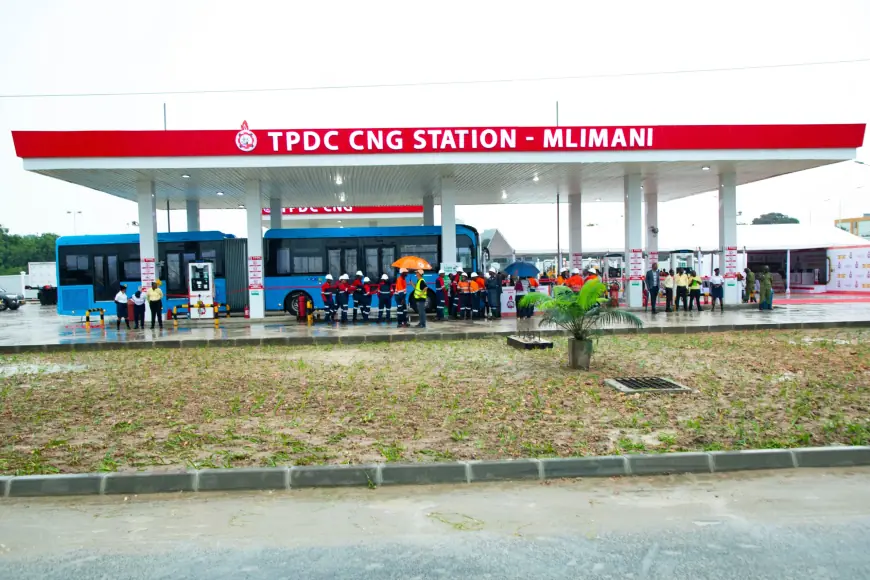
Forced evolution
The ministry of Energy reports that over 15,000 vehicles in Tanzania have now transitioned to CNG. While this is a record high, it represents only a fraction of the national fleet.
The Deputy Minister for Energy, Salome Makamba, has confirmed that the government is now actively seeking public-private partnerships to lower conversion costs.
The narrative has shifted from ‘clean energy’ to "economic survival."
The current global crisis has proved that domestic gas is no longer a luxury or a green experiment.
It is a fundamental pillar of national security.
Had these mother stations been built in 2006 or even say 2016 rather than 2026, the Tanzanian Shilling would not be bleeding foreign exchange for imported oil today.
The race is now on to ensure that by the time the next global shock arrives, Tanzania's transport sector is firmly powered by the gas beneath its own soil.
What's Your Reaction?
 Like
0
Like
0
 Dislike
0
Dislike
0
 Love
0
Love
0
 Funny
0
Funny
0
 Angry
0
Angry
0
 Sad
0
Sad
0
 Wow
0
Wow
0