



































Tanzania, Malawi weigh pipeline to ease fuel supplies
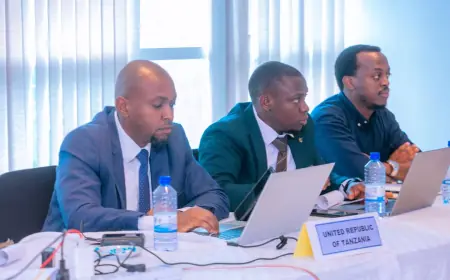
The proposal was discussed when technical experts from the two countries' energy ministries met in Dar es Salaam to assess the feasibility of establishing the pipeline and its potential connection to the planned new Tanzania-Zambia Mafuta infrastructure

Dar es Salaam. Tanzania and Malawi are exploring the construction of a fuel pipeline linking the southern Songwe Region to Malawi, in a move that could reduce transportation costs, ease supply bottlenecks and strengthen energy security in the landlocked country.
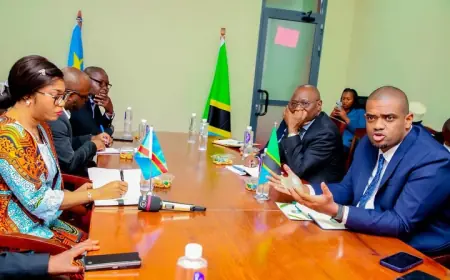
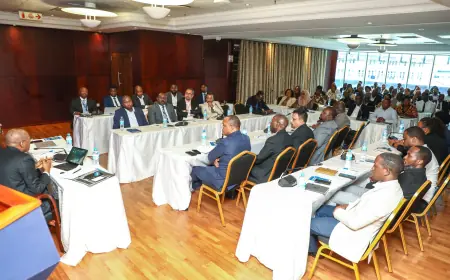
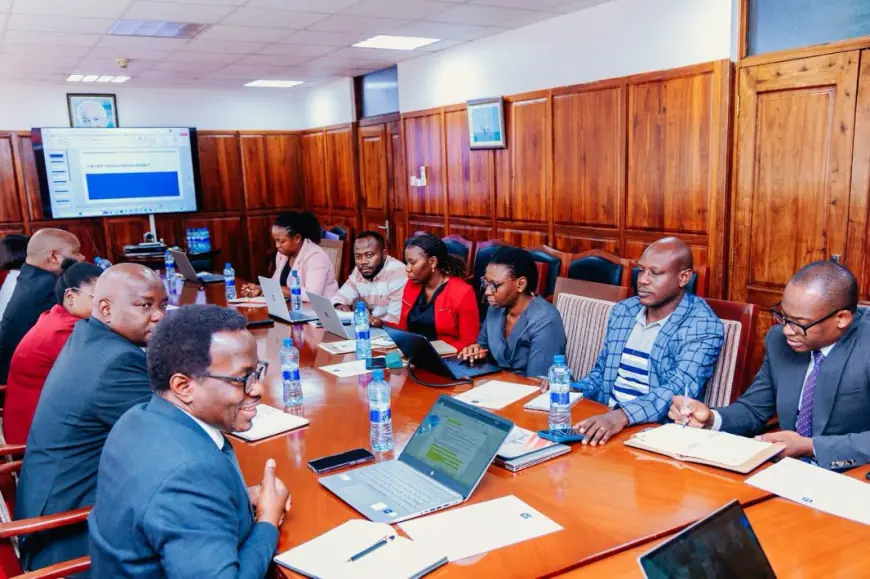
The proposal was discussed on November 13, 2026, when technical experts from the two countries' energy ministries met in Dar es Salaam to assess the feasibility of establishing the pipeline and its potential connection to the planned new Tanzania-Zambia Mafuta (TAZAMA) infrastructure.
Malawi's Director of Energy Services, Mr Joseph Kalowekamo, who led his country's delegation, said more than 70 percent of Malawi's fuel imports pass through the Tanzanian ports of Dar es Salaam and Tanga.
The petroleum products are currently transported by road by fuel tankers over distances exceeding 1,500 kilometres, a system that frequently exposes the country to logistical challenges and delays in fuel deliveries.
He said a pipeline connection from Songwe could provide a more efficient transportation arrangement and improve the reliability of supplies to Malawi.
Responding, Tanzania's Assistant Commissioner for Petroleum (Midstream and Downstream), Ms Grace Mwakasege, said ongoing preparations for the new TAZAMA pipeline had already taken into account potential demand from neighbouring countries, including Malawi and the Democratic Republic of the Congo (DRC).
She said the proposed infrastructure could accommodate Malawi through one of the off-take terminals planned for Songwe, allowing the country to access fuel transported through the expanded regional network.
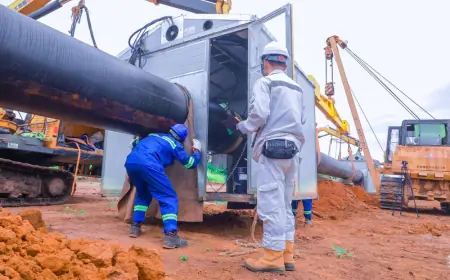
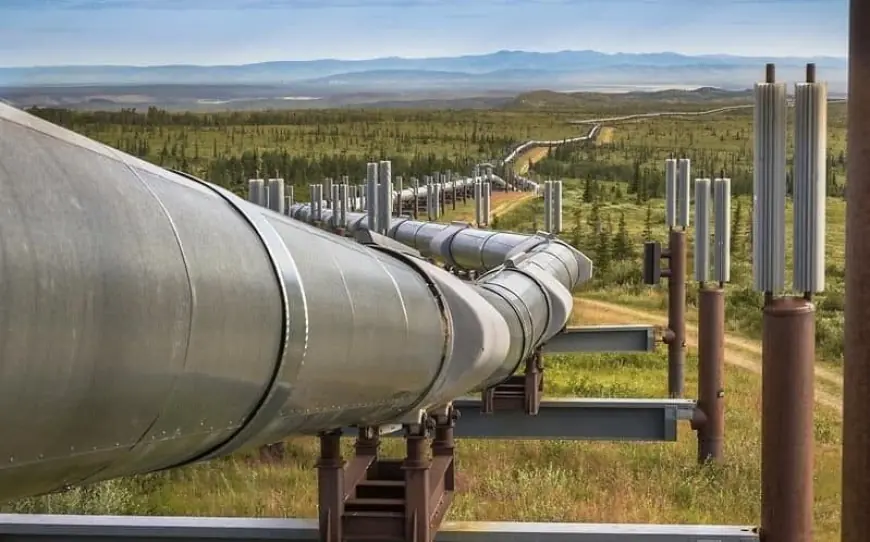
The proposed connection would build on Tanzania and Zambia's plans to develop a larger-capacity, multi-products pipeline along the existing TAZAMA corridor, which links Dar es Salaam to Ndola in Zambia.
The existing 1,710-kilometre pipeline was commissioned in 1968 to transport petroleum products from Tanzania to Zambia.
The proposed replacement infrastructure is expected to expand the corridor's capacity and improve its ability to serve additional regional markets.
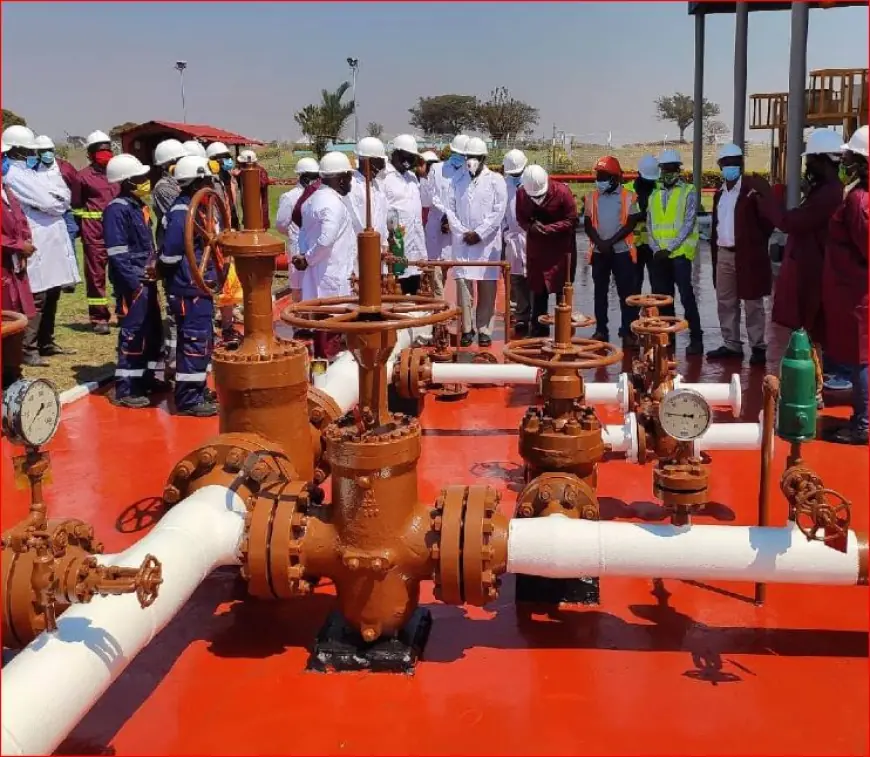
The new pipeline is intended to run alongside the existing infrastructure, increasing transportation capacity while creating opportunities to serve markets beyond Zambia.
The planned off-take facilities in Songwe could therefore become important distribution points for Malawi and parts of the eastern DRC.
Tanzania's regional energy ambitions also extend to crude oil transportation through the East African Crude Oil Pipeline (EACOP), a 1,443-kilometre project linking Uganda's Lake Albert oilfields in Hoima to an export terminal at the Port of Tanga.
Designed to transport up to 216,000 barrels of crude oil daily, the pipeline is expected to strengthen Tanzania's position as a regional energy transportation hub by connecting Uganda's petroleum resources to international markets.
Meanwhile, the country is expanding its natural gas infrastructure to increase domestic consumption and create opportunities for regional energy trade.
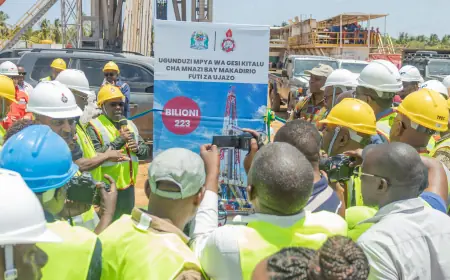
An indication of this ambition is the construction of a 14-inch natural gas pipeline connecting the Ntorya gas discovery area to the Madimba processing plant in Mtwara Region, which has reached 78 percent completion and is expected to be ready by February 2027.
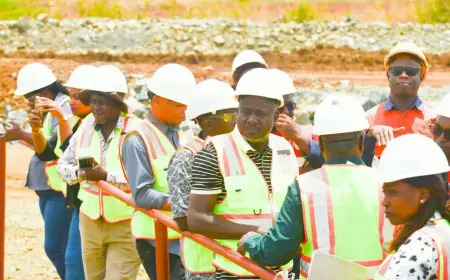
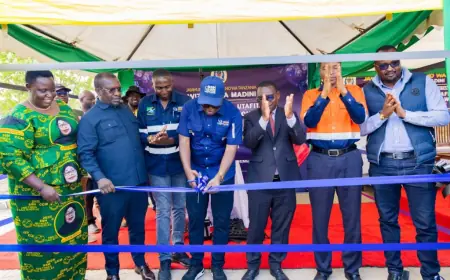
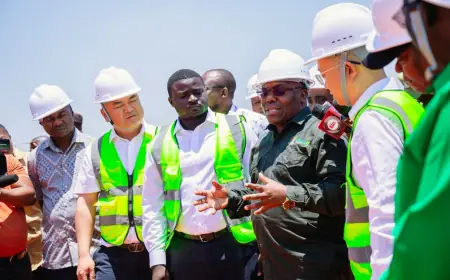
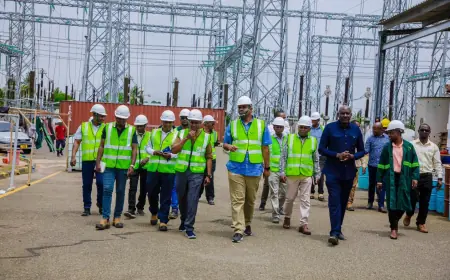
Deputy Prime Minister Deogratius Ndejembi inspected the project during a visit to Mtwara on November 13, expressing satisfaction with the progress.
He said the project had cost approximately Sh119 billion, financed entirely through domestic resources without relying on external funding.
The pipeline will transport natural gas from Ntorya to Madimba for processing and subsequent use in electricity generation, households and the transport sector.
Mr Ndejembi said its completion would promote clean cooking energy, particularly in Mtwara, where infrastructure for distributing natural gas to households is already available.
He added that natural gas was currently being used by 48 industries across the country, underscoring its growing contribution to industrial production.
The Deputy Prime Minister commended the Ministry of Energy and the Tanzania Petroleum Development Corporation (TPDC) for implementing President Samia Suluhu Hassan's vision of developing national capacity in natural gas production, transportation and processing.
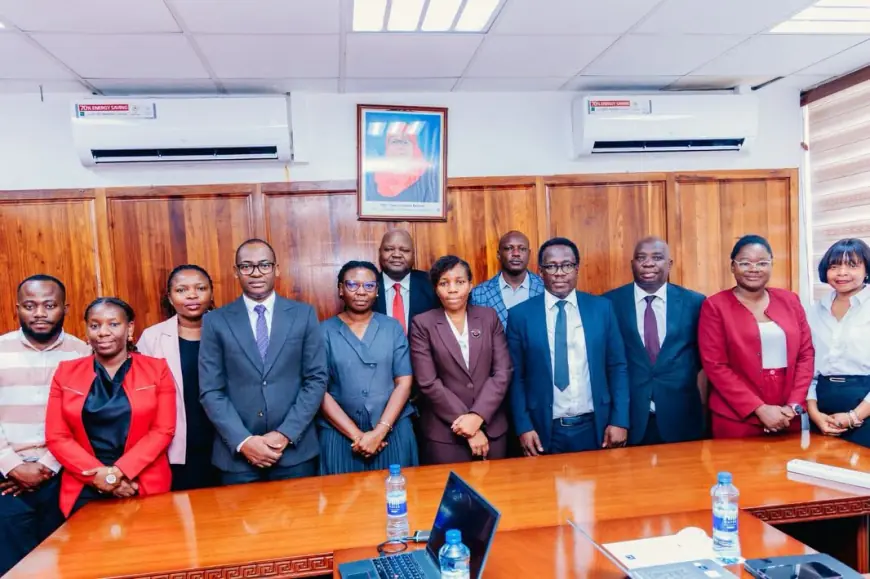
Deputy Minister for Energy Salome Makamba accompanied him during the inspection, alongside officials from the ministry and TPDC.
Beyond domestic requirements, Tanzania has more than 57 trillion cubic feet of proven natural gas reserves, providing a foundation for ambitions to expand gas transportation infrastructure and explore supply opportunities in neighbouring countries, including Kenya, Uganda, Zambia and the DRC.
Taken together, the proposed Malawi connection, the expanded TAZAMA corridor and investments in natural gas infrastructure reflect Tanzania's ambition to develop an interconnected energy network capable of serving domestic demand while supporting the energy security and economic development of neighbouring countries.
What's Your Reaction?
 Like
0
 Dislike
0
 Love
0
 Funny
0
 Angry
0
 Sad
0
 Wow
0