



































Tanzania nears $280m Turkish loan deal for SGR
The proposed financing is part of a wider $1.6 billion investment required to construct the two sections of the standard gauge railways, covering more than 700 kilometres

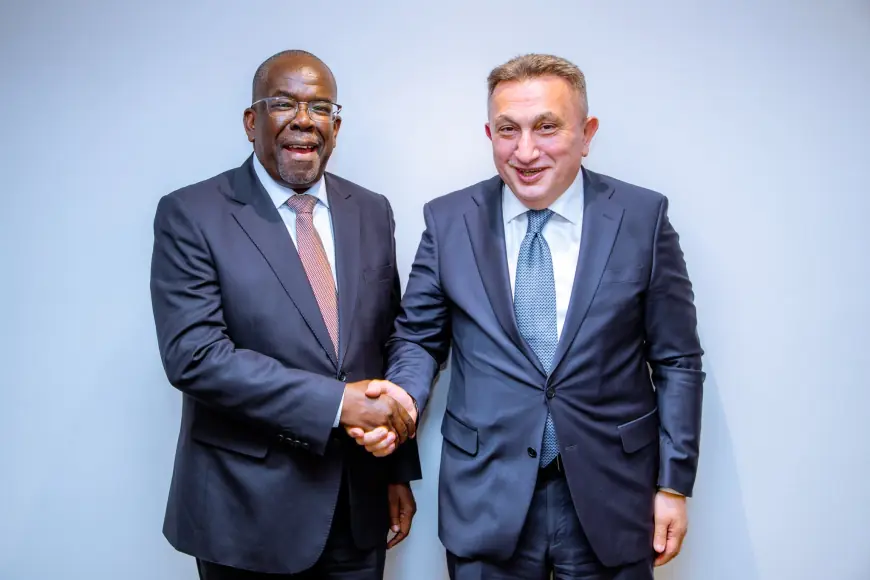
Antalya, Turkey. Tanzania is in the final stages of negotiations with Turkey’s Exim Bank for a $280 million financing package to complete the third and fourth sections of the Standard Gauge Railway (SGR), in a move that could close the remaining funding gap for the strategic infrastructure project.
The proposed financing is part of a wider $1.6 billion investment required to construct the two sections, covering more than 700 kilometres.
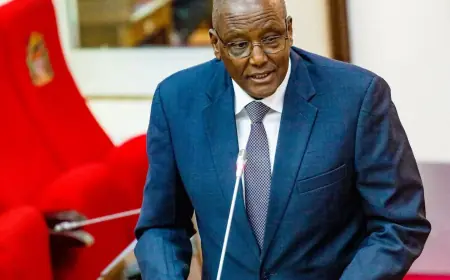
The government has already secured $1.32 billion, leaving $280 million outstanding, according to minister for Finance, Khamis Mussa Omar.
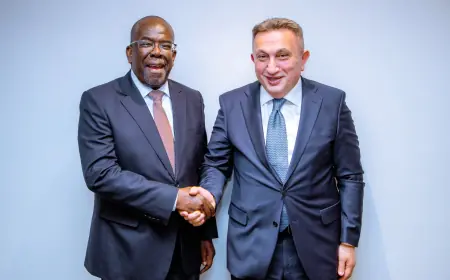
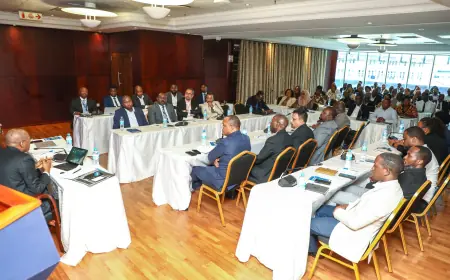
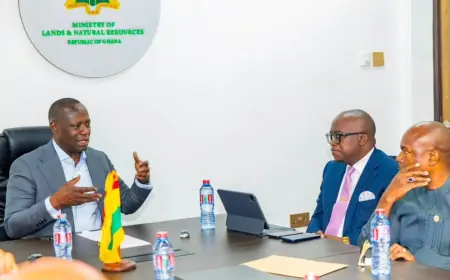
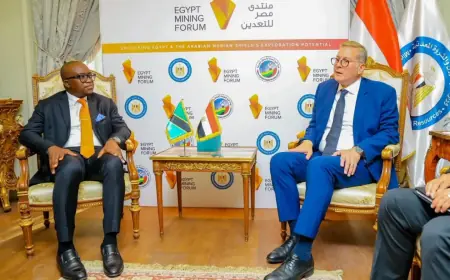
The discussions took place in Antalya, Turkey, on the sidelines of the 31st Conference of the Parties to the United Nations Framework Convention on Climate Change (COP31).
The Tanzanian delegation was led by Mr Omar, while Turkey’s Exim Bank delegation was headed by its chief executive, Mr Ali Guney.
The financing discussions come as Tanzania seeks to advance the railway's westward expansion, which is central to its ambition of establishing a modern transport corridor linking the Indian Ocean coast with the country's western regions and neighbouring landlocked economies.
Speaking after the meeting, Mr Omar said the SGR was a major regional infrastructure undertaking extending for more than 2,000 kilometres, with the ambition of connecting Dar es Salaam to Mwanza and Kigoma, and eventually linking Tanzania with Rwanda, Uganda, Burundi and the Democratic Republic of Congo (DRC).

The railway is divided into six construction sections, or lots. The first two, connecting Dar es Salaam with Dodoma, the country's administrative capital, have been completed and are operational, with the government reporting positive public reception.
The third and fourth sections represent an important phase in extending the network beyond the capital and strengthening its potential to facilitate passenger and freight movement across the country's central and western regions.
Unlike many railway systems in the region that rely on diesel-powered locomotives, Tanzania's SGR uses electric traction, a feature Mr Omar said was consistent with the clean-energy ambitions being advanced at COP31.
He described the railway as a sustainable transport investment capable of supporting regional connectivity while reducing reliance on conventional fuel-powered transport.
The use of electric locomotives also places the project within broader discussions on the transition towards cleaner transport systems, particularly as countries seek to reduce emissions from infrastructure and logistics operations.
For Turkey's Exim Bank, however, the proposed financing remains subject to internal approval.
He disclosed that the bank's board of directors was scheduled to meet later this month to consider Tanzania's financing application.
A favourable decision would provide a significant boost to efforts to secure the outstanding funding and advance construction of the two sections.
Beyond the railway project, the discussions also explored opportunities to broaden economic cooperation between Tanzania and Turkey, particularly in trade, investment and infrastructure financing.
Mr Guney said the bank was considering other potential areas of engagement, including financing future infrastructure projects involving roads and bridges.
The proposed expansion of cooperation reflects the economic ambitions agreed upon by President Samia Suluhu Hassan and her Turkish counterpart, President Recep Tayyip Erdogan, who have set a target of increasing bilateral trade to at least $1 billion.
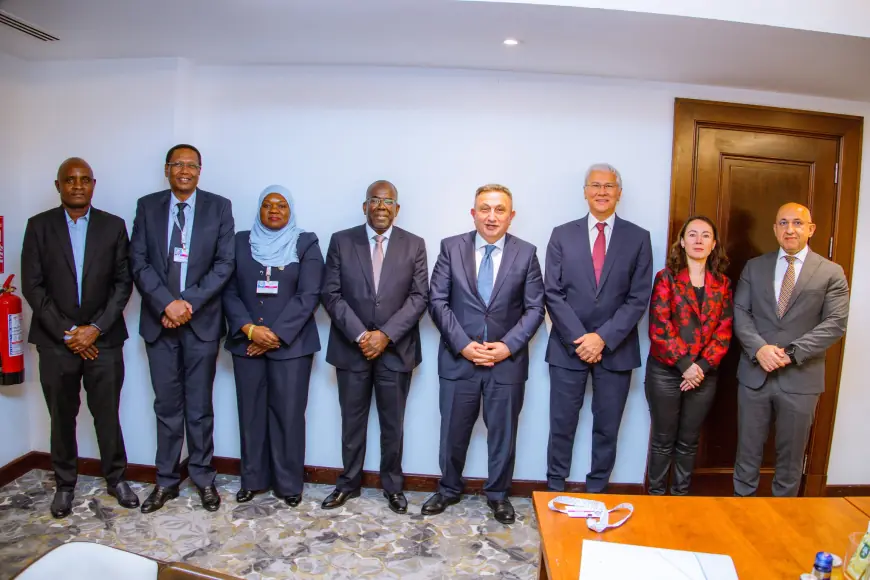
For Tanzania, securing the remaining SGR financing would not only address an immediate funding requirement but also strengthen the prospects of developing a railway corridor with regional economic significance.
The railway is expected to improve the movement of goods and passengers, reduce transport costs and provide landlocked neighbouring countries with improved access to the Port of Dar es Salaam.
Its eventual reach into western Tanzania and connections with neighbouring economies could also strengthen the country's position as a regional transport and logistics hub.
What's Your Reaction?
 Like
0
 Dislike
0
 Love
0
 Funny
0
 Angry
0
 Sad
0
 Wow
0