













































Tanzania launches major Tanzanite survey to expand mining
The Mirerani initiative is part of a wider government programme to accelerate geological exploration and improve the country's understanding of its mineral resources

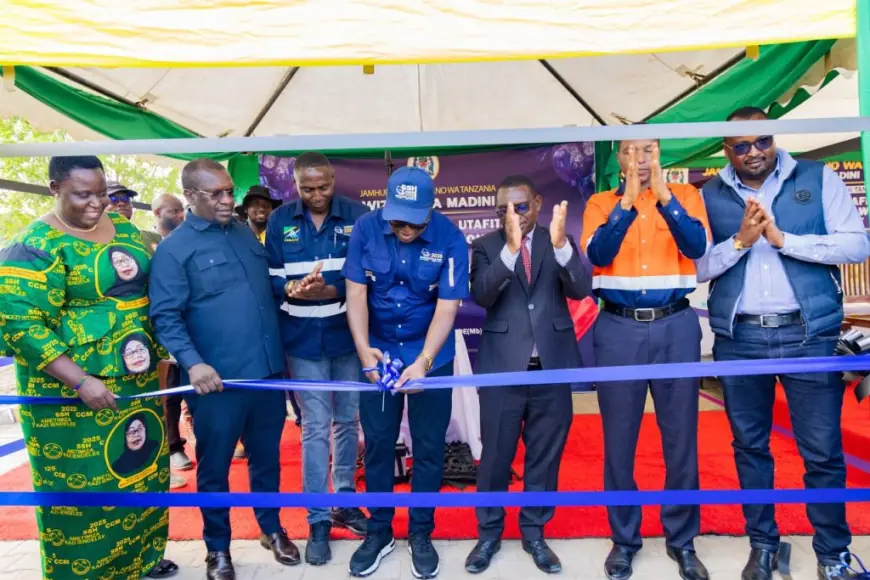
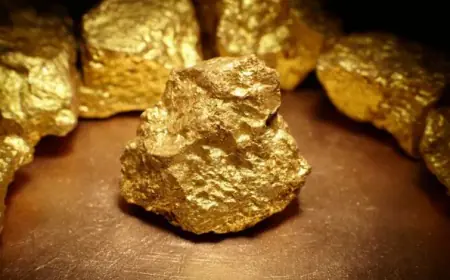
Mirerani. Tanzania has launched an extensive geological survey covering 636 square kilometres around Mirerani in a renewed effort to identify new Tanzanite deposits, improve mining prospects and expand opportunities for small-scale miners.
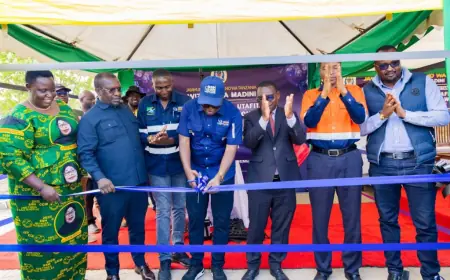
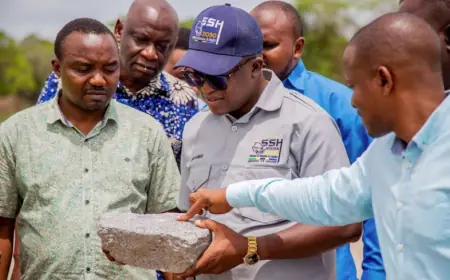
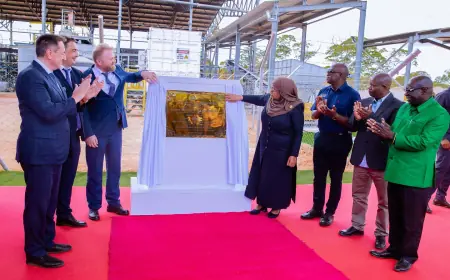
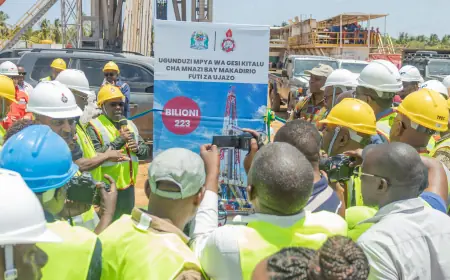
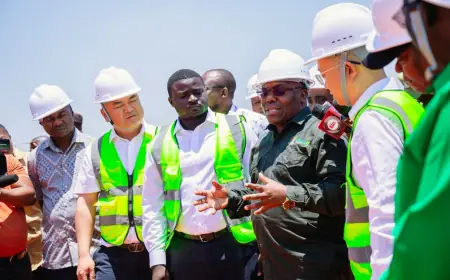
The exercise, launched on Monday by the Minister for Minerals, Mr Anthony Mavunde, will cover areas both inside and outside the Mirerani controlled mining zone, focusing on geological structures associated with Tanzanite-bearing mineralisation.
The initiative marks a shift towards science-led exploration, with the government seeking to provide miners with more reliable geological information to guide investment decisions, improve productivity and identify areas with promising mineral deposits.
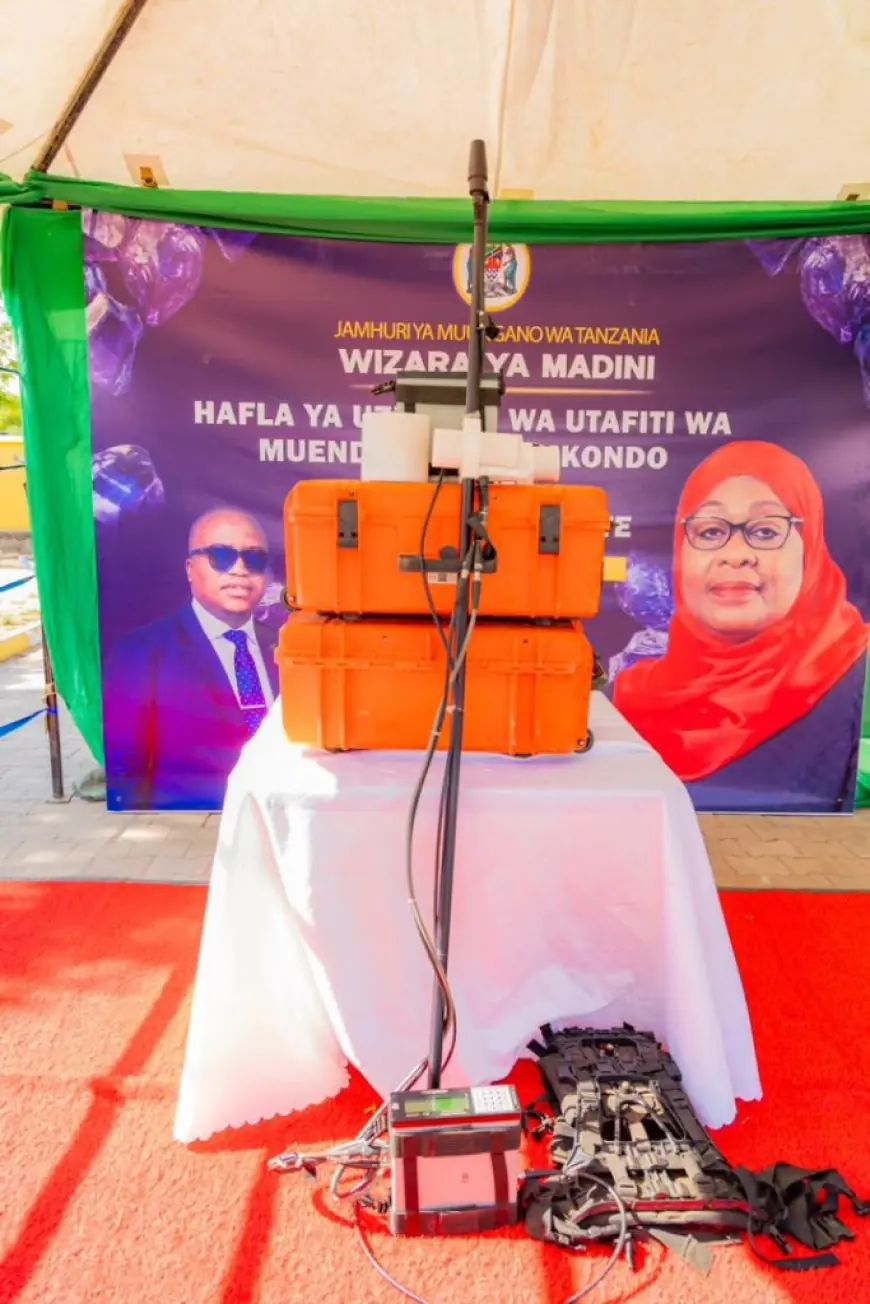
The Geological Survey of Tanzania (GST) will conduct magnetic, electrical and electromagnetic surveys to identify geological formations with the strongest indications of mineralisation. The State Mining Corporation (STAMICO) will subsequently undertake drilling to establish the actual geological and mineral content of the identified areas.
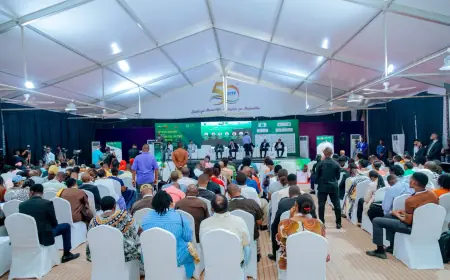
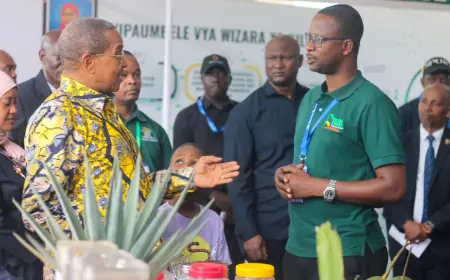
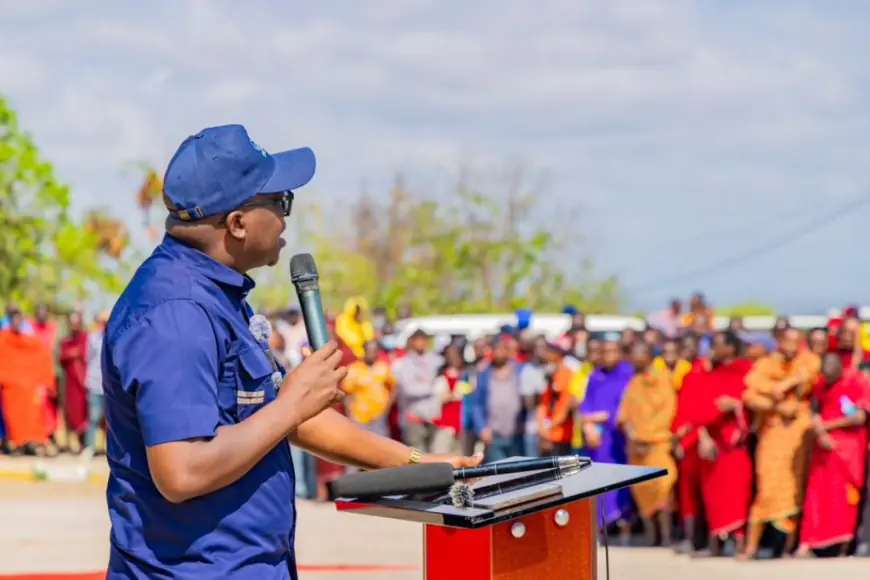
Speaking during the launch, Mr Mavunde said the exercise followed directives he issued during a visit to Mirerani in August, when he met small-scale miners, mineral traders, brokers and other stakeholders to discuss ways of increasing Tanzanite production.
“Scientific questions must be answered through science,” he said, stressing that reliable geological information would help small-scale miners direct their capital, equipment and labour towards areas with better prospects.
He said the need for detailed geological information had become increasingly important as mining activities extended to greater depths, making it more difficult and costly for miners to identify economically viable deposits without adequate scientific guidance.
In the preliminary phase, GST has analysed existing geological records, previous survey findings and newly collected information to identify structures requiring further investigation.
GST Director, Engineer Ally Samaje, said the institution would deploy various geophysical techniques to establish the characteristics and continuity of rock formations associated with Tanzanite mineralisation before drilling begins.
He said preliminary findings had identified geological structures beyond the Mirerani mining wall with characteristics similar to those associated with mineral-bearing formations within the controlled mining area.
However, the government has cautioned that the presence of Tanzanite in the identified areas cannot be confirmed until the geological investigations and subsequent drilling have been completed.
Mr Mavunde directed STAMICO to deploy its large-scale drilling equipment to Mirerani and undertake exploratory drilling as GST identifies priority locations.
He said confirmation of additional deposits could provide a basis for opening new mining areas and expanding licensing opportunities for Tanzanians, particularly women and young people.
Simanjiro District Commissioner, Mr Fakii Lulandala, said the exercise could have significant economic implications for Mirerani and the wider district by creating opportunities for small-scale miners, mineral traders and communities dependent on mining-related activities.
He said the district administration would continue working with institutions in the minerals sector to ensure the exercise was effectively implemented and its benefits extended to local communities.
Beyond Tanzanite, Mr Mavunde urged small-scale miners in Simanjiro to explore the wider gemstone potential of the district, citing Tsavorite and Green Garnet as minerals that could provide additional investment and income opportunities.
He said some of the green gemstones commanded higher market values than Tanzanite, urging miners not to concentrate their activities exclusively on the famous blue-violet gemstone.
In Lemshuku, miners are already extracting Tsavorite and Green Garnet, prompting the minister to direct GST to intensify geological investigations to establish the extent of these deposits and identify other potential gemstone resources.
Mr Mavunde said Tanzania would continue promoting Tanzanite as one of its most distinctive mineral resources internationally, but argued that Simanjiro's geological wealth should not be assessed through a single gemstone.
The government, he said, wanted small-scale miners to broaden their operations as more geological information became available, potentially increasing mineral production, trading activities and economic opportunities across the district.
The Mirerani initiative is part of a wider government programme to accelerate geological exploration and improve the country's understanding of its mineral resources.
Mr Mavunde said Tanzania had completed approximately 97 per cent of its geological mapping, 84 per cent of geochemical surveys and 100 per cent of preliminary airborne geophysical surveys.
However, high-resolution detailed geological investigations had covered only about 16 per cent of the country's land area, leaving considerable scope for further exploration.
He said the government was preparing to undertake another major high-resolution airborne survey covering approximately 160,722 square kilometres, equivalent to nearly 18 per cent of Tanzania's territory.
The minister attributed the increased investment in geological exploration to President Samia Suluhu Hassan's directive to allocate 10 per cent of mineral sector collections towards mineral research.
Mirerani has been prioritised under the programme, with the government seeking to translate geological information into improved mining productivity and wider opportunities for small-scale operators.
Meanwhile, the government is pursuing additional measures to strengthen the Tanzanite trade, including addressing concerns surrounding traders, brokers, pricing and access to international markets.
Mr Mavunde said the proposals would be discussed with Mirerani stakeholders before final decisions were made, adding that the government intended to involve participants across the gemstone value chain.
He said efforts were also under way to strengthen domestic capacity in gemstone cutting, polishing and value addition to ensure Tanzania retained a greater share of the value generated between extraction and international markets.
For Mirerani, the newly launched survey provides a scientific foundation for the next phase of exploration. GST will identify priority areas, STAMICO will undertake confirmatory drilling, and the findings will guide decisions on whether mining activities can be extended to new locations.
The parallel investigations into Tsavorite, Green Garnet and other gemstones in Simanjiro could also broaden the district's mineral production base and create additional opportunities for small-scale miners.
What's Your Reaction?
 Like
0
 Dislike
0
 Love
0
 Funny
0
 Angry
0
 Sad
0
 Wow
0