


















Tanzania, Ghana seek closer ties to empower small-scale miners
Tanzania could share lessons on operating decentralised mineral trading infrastructure, while Ghana could contribute experience in centralised gold marketing, supply-chain oversight and the formalisation of small-scale operators

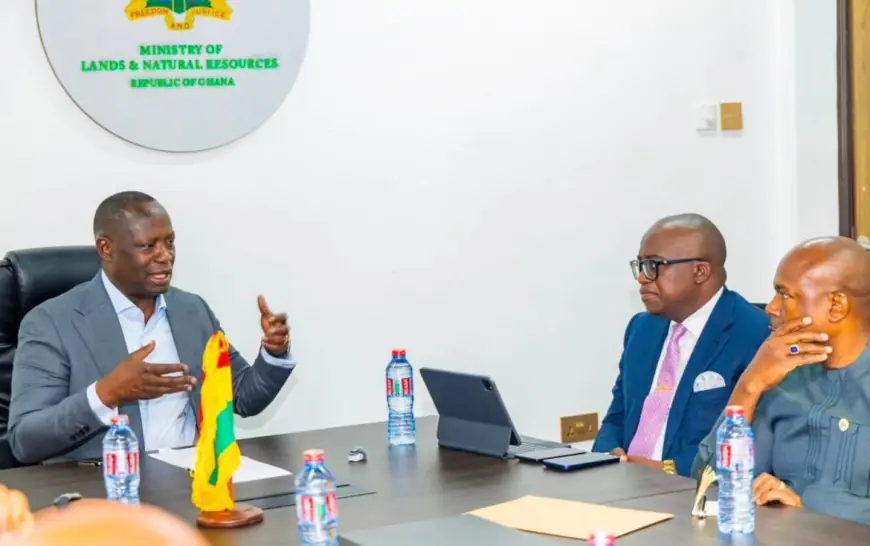
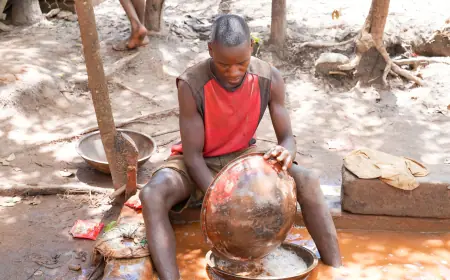
Accra. Tanzania and Ghana are seeking to strengthen cooperation in developing artisanal and small-scale miners, as the two mineral-rich African countries explore ways to expand local participation, improve resource management and retain more value from their mineral wealth.
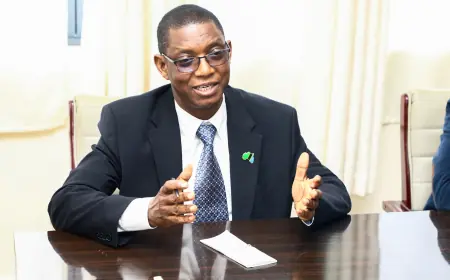
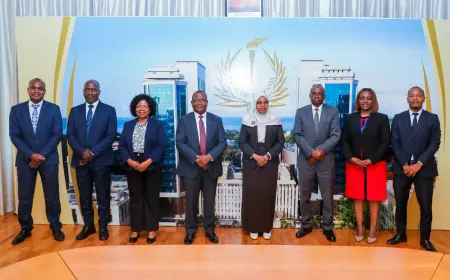
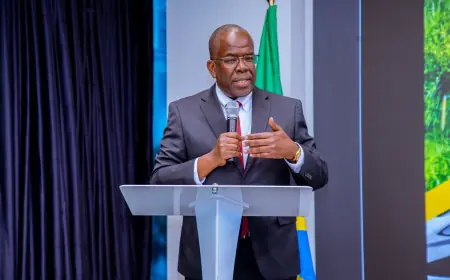
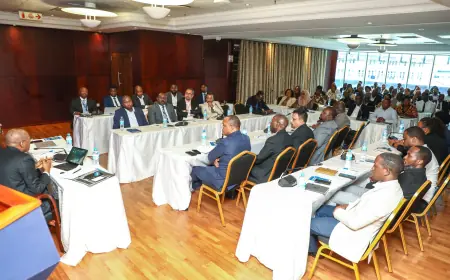
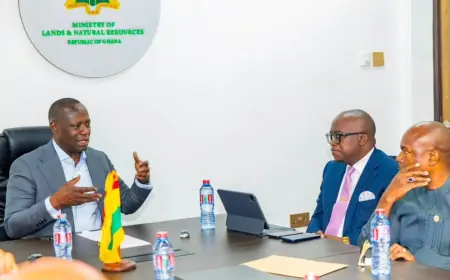
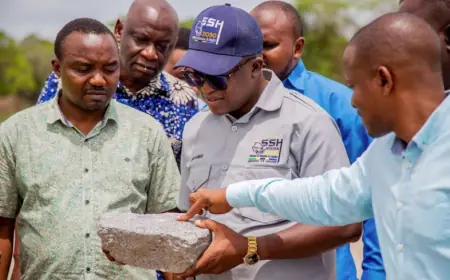
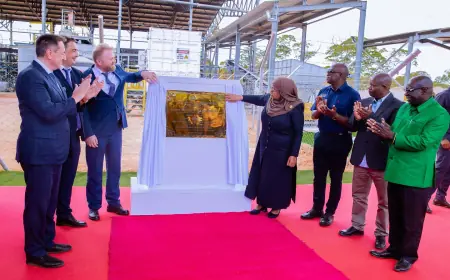
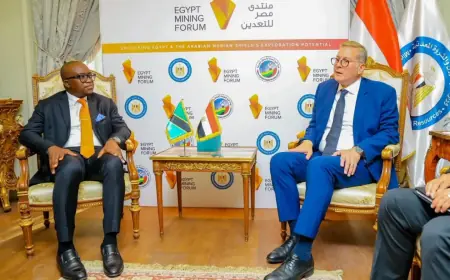
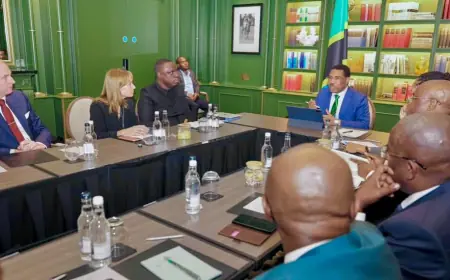
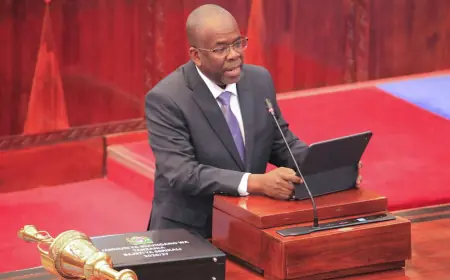
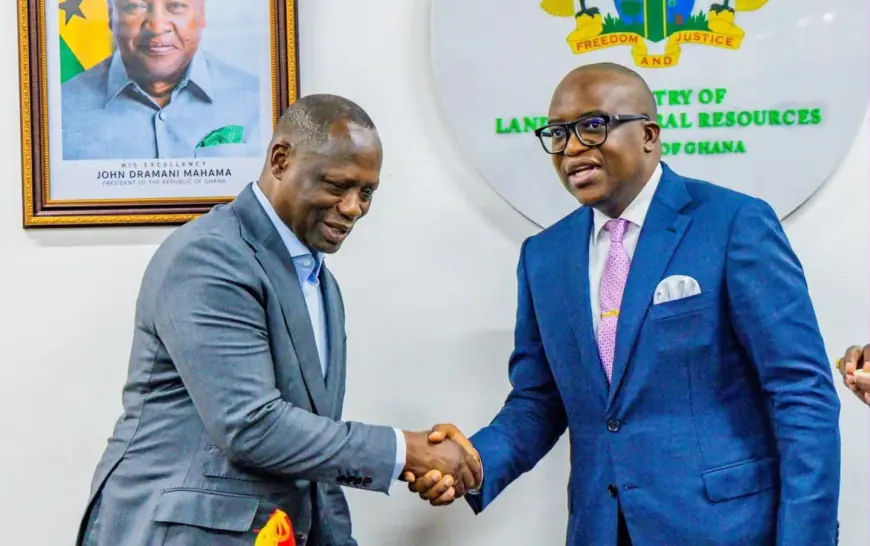
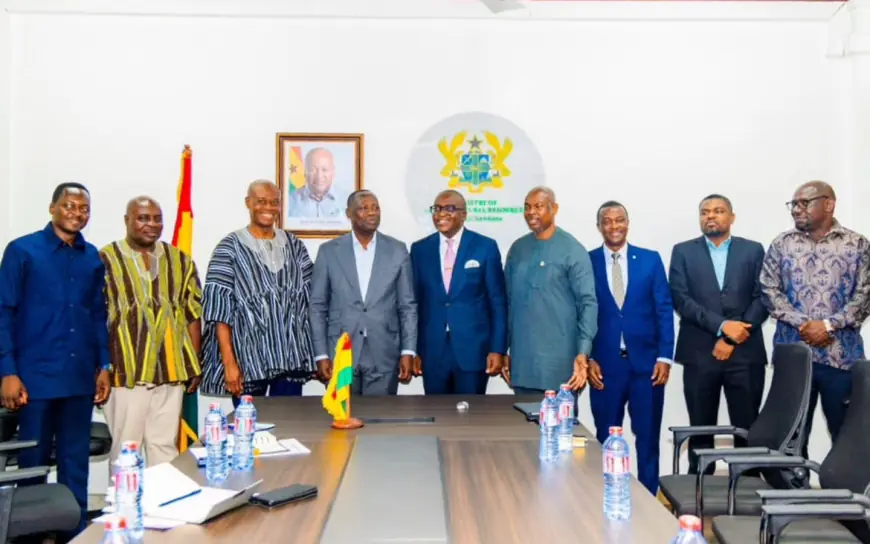
The initiative emerged from bilateral talks between Tanzania’s Minister for Minerals, Mr Anthony Mavunde, and Ghana’s Minister for Lands and Natural Resources, Mr Emmanuel Armah-Kofi Buah, in Accra on October 21, 2026.
The discussions focused on opportunities to strengthen cooperation in mineral resource management and sector development, with particular attention to empowering small-scale miners to participate more effectively in the mining economy.
Mr Mavunde said African countries needed to work more closely to ensure their mineral resources supported domestic industrialisation, employment creation and broader economic prosperity, rather than primarily supplying raw materials to industries outside the continent.
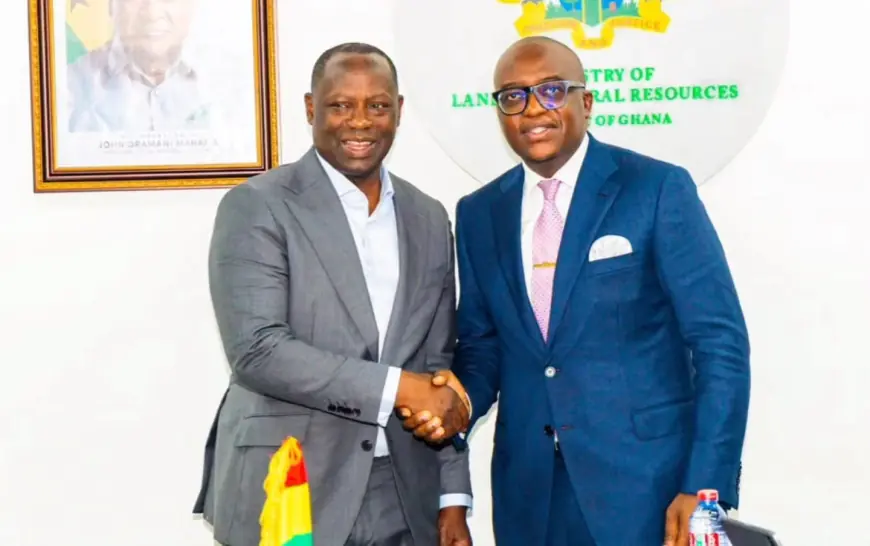
He called for greater cooperation in geological exploration, mineral value addition and the development of local miners and entrepreneurs, arguing that stronger partnerships could help African countries capture more economic benefits from their natural resources.
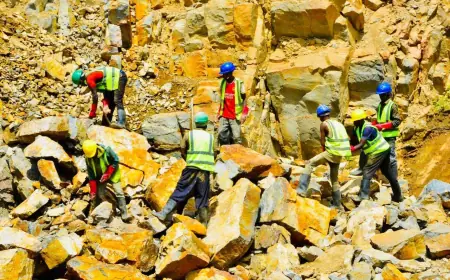
He also stressed the need for governments to adopt an enabling approach towards small-scale miners, who play an important role in mineral production and provide livelihoods for communities across the continent.
The discussions come as Tanzania and Ghana seek to strengthen the contribution of mining to their economies while addressing persistent challenges surrounding informal operations, environmental degradation, mineral smuggling and limited domestic processing.
Both countries have substantial gold industries, although their mineral portfolios differ.
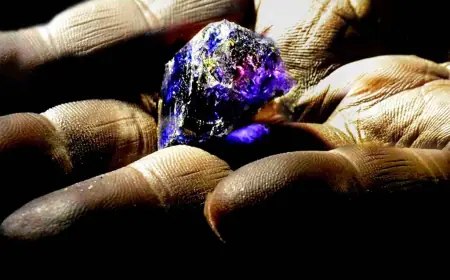
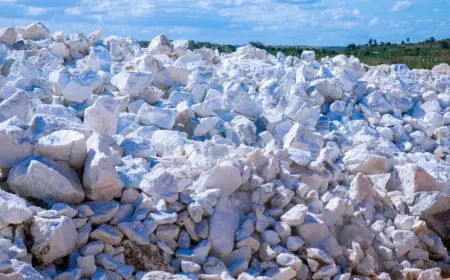
Tanzania produces gold, diamonds, tanzanite, nickel, copper and other minerals, while Ghana is one of Africa's leading gold producers, with additional resources including manganese, bauxite and lithium.
Lessons from two mining economies
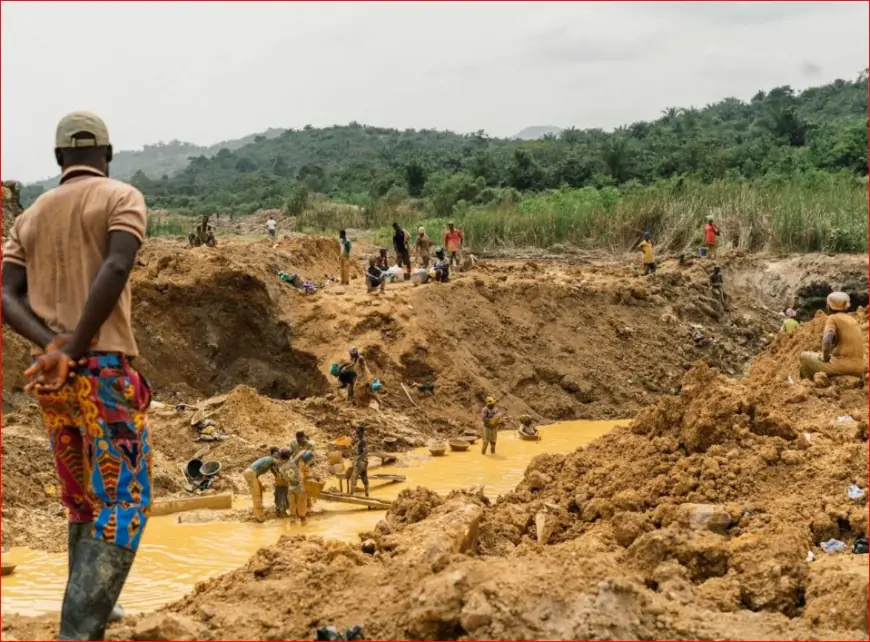
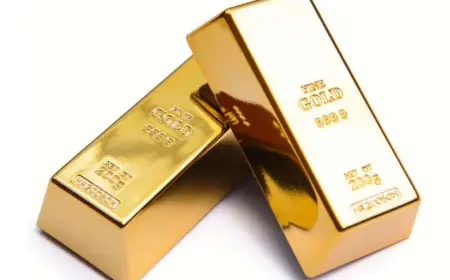
Ghana's experience in regulating artisanal and small-scale gold mining offers potential lessons for Tanzania, particularly in the formalisation of operators, mineral traceability and the organisation of gold trading.
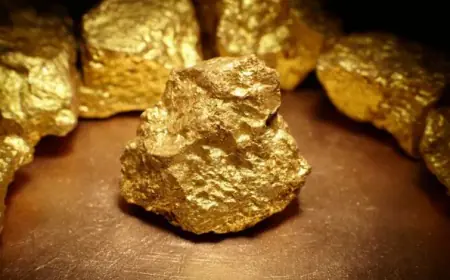
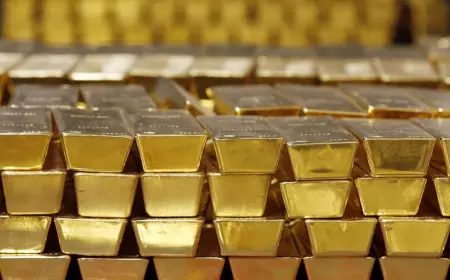
In 2025, Ghana established the Ghana Gold Board, known as GoldBod, to oversee gold purchasing, assaying and exports, including gold produced by licensed artisanal and small-scale miners.
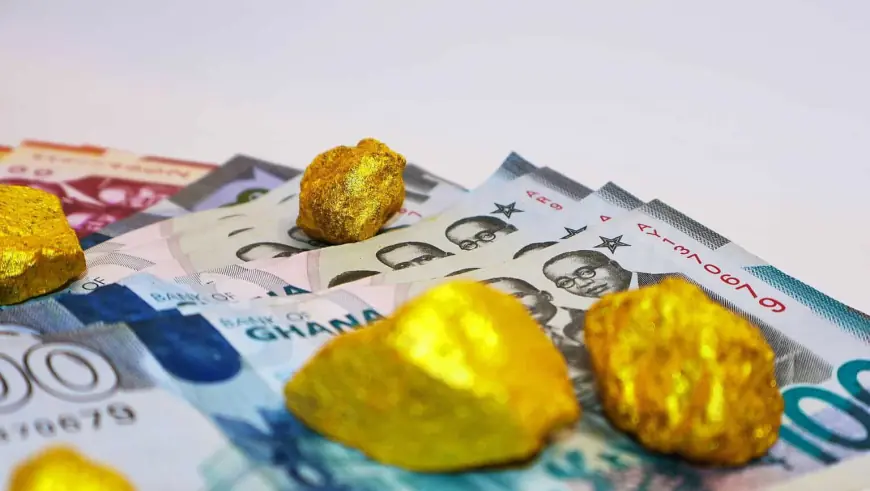
The reform is intended to improve oversight of the gold supply chain, strengthen traceability and reduce illicit trading.
Ghana has also pursued cooperative-based approaches to formalisation.
In March 2026, authorities began registering small-scale miners under the Responsible Cooperative Mining and Skills Development Programme, with plans for geological assessments, environmental screening and technical support for qualifying groups.
For Tanzania, such approaches could provide useful lessons in organising miners into viable cooperatives, improving the traceability of gold and ensuring that operators can access legitimate markets.
However, formalisation is most effective when licensing and compliance requirements are practical, miners receive technical assistance, and legal trading channels offer competitive prices.
Enforcement alone cannot resolve the economic pressures that encourage informal production and smuggling.
Tanzania, in turn, has experience that could inform Ghana's efforts to improve miners' access to official markets.
The country has established mineral markets and buying centres across mainland Tanzania, providing designated channels through which gold and other minerals can be traded under the country's regulatory framework.
These arrangements offer opportunities to improve price transparency, collect government revenues and bring more mineral transactions into the formal economy.
Tanzania could share lessons on operating decentralised mineral trading infrastructure, while Ghana could contribute experience in centralised gold marketing, supply-chain oversight and the formalisation of small-scale operators.
Beyond extracting and exporting minerals
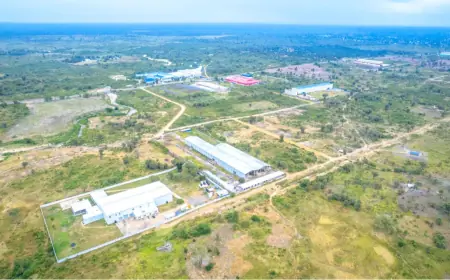
The two countries also face a broader challenge: ensuring that mineral production generates more domestic economic activity beyond extraction.
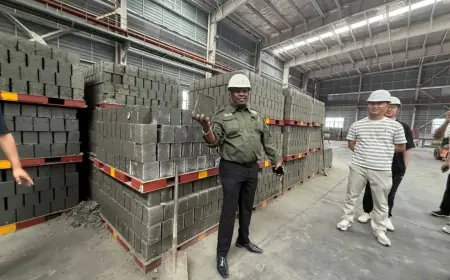
Mr Mavunde's call for increased value addition reflects a wider African development priority: building processing capacity, expanding local manufacturing and developing the skills required to support mineral-based industries.
For small-scale miners, this means that development efforts should extend beyond access to licences and mineral markets.
They should also include geological information, appropriate equipment, occupational safety training, access to finance and environmentally responsible processing technologies.
Cooperation could therefore encompass exchanges between mining authorities, training institutions, geological agencies and small-scale miners' associations.
Joint initiatives could also explore affordable processing technologies, mineral certification and ways to connect local producers with domestic manufacturers.
The benefits would depend on whether the two governments translate their discussions into practical programmes, with clear responsibilities, financing arrangements and measurable outcomes.
For Tanzania and Ghana, the opportunity lies in combining their respective experiences to build mining industries that are better regulated, more productive and more closely linked to domestic economic development.
Ultimately, closer cooperation could help both countries strengthen the position of small-scale miners while advancing a common objective: ensuring that Africa's mineral wealth creates more jobs, supports industrial growth and delivers lasting benefits to the people who live above it.
What's Your Reaction?
 Like
0
 Dislike
0
 Love
0
 Funny
0
 Angry
0
 Sad
0
 Wow
0