









































Tanzania and Angola eye coast-to-coast rail link
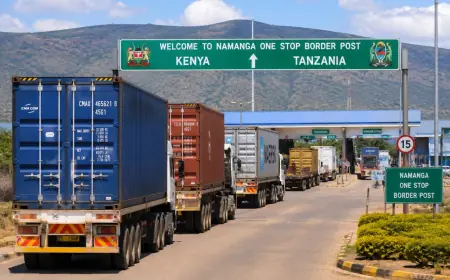
A functioning transcontinental corridor would give exporters of minerals and agricultural goods access to two oceans, while reducing transit times and costs and strengthening Zambia’s and the DRC’s bargaining power over port and freight charges

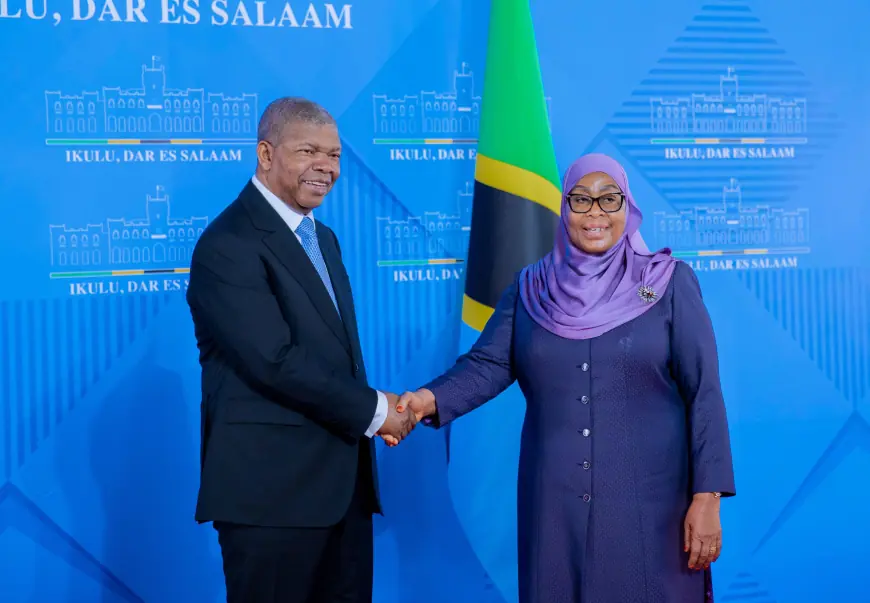
Dar es Salaam. Tanzania and Angola have committed to pursuing a continuous rail connection between the Atlantic port of Lobito and the Indian Ocean port of Dar es Salaam.
The move would give Southern and Central Africa a land bridge between two oceans and could reshape freight movement across the region.
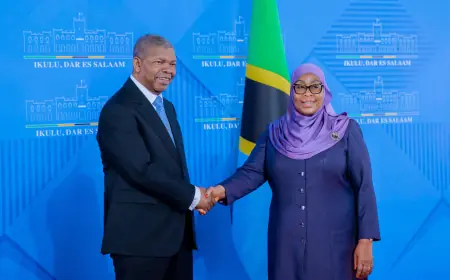
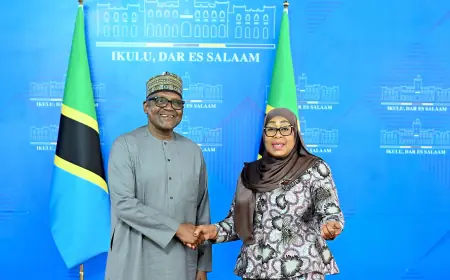
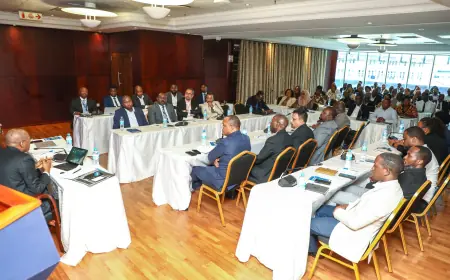
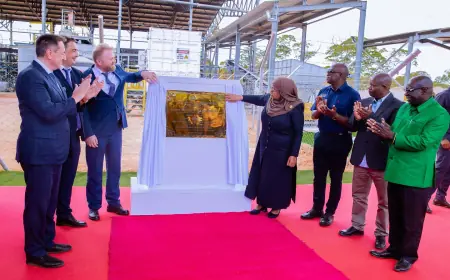
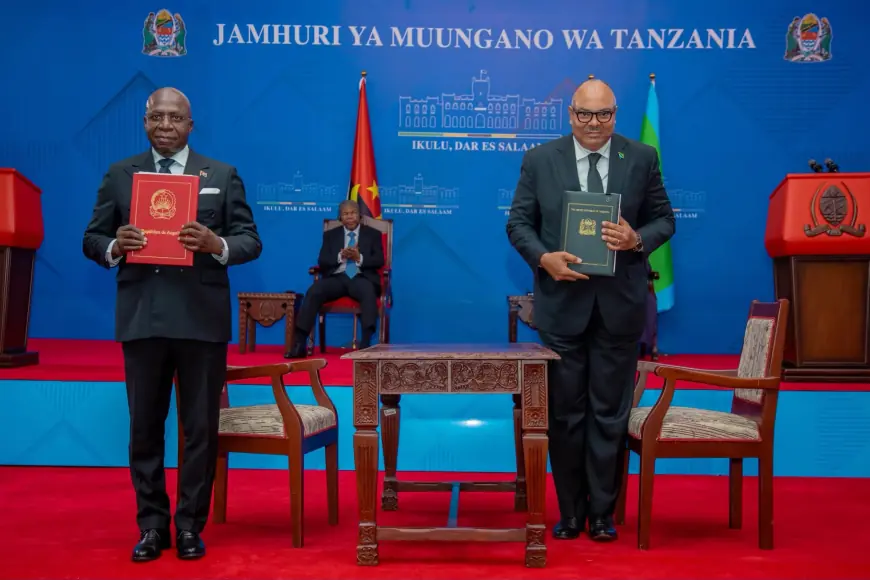
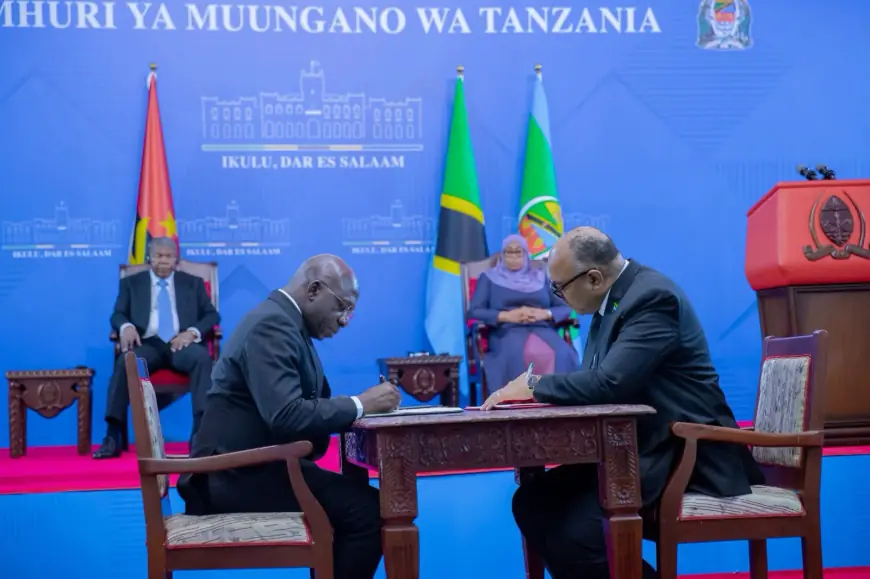
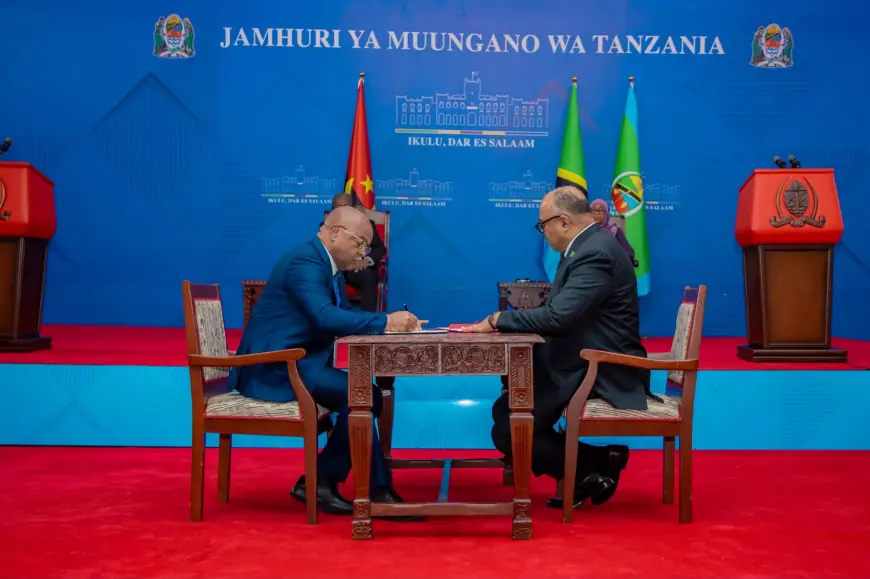
The commitment emerged on October 26, 2026 during the state visit of President João Manuel Gonçalves Lourenço of Angola, the first by an Angolan head of state to Tanzania since the country's founding leader, Dr António Agostinho Neto, visited in 1979.
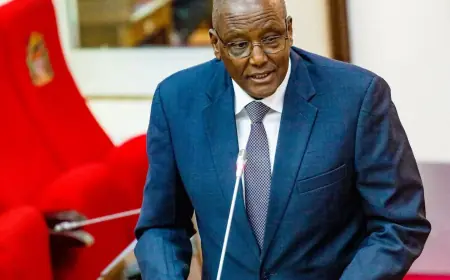
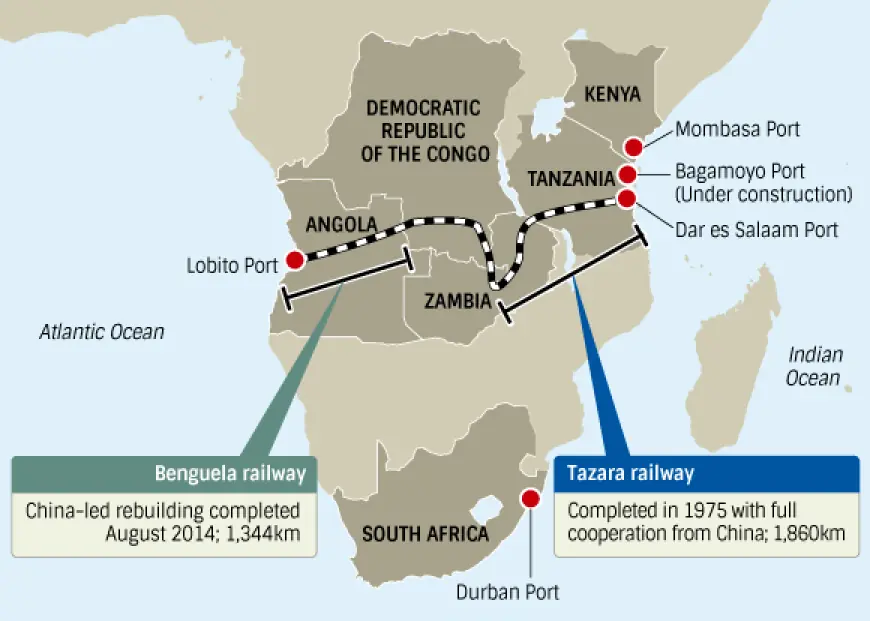
At a joint news conference at State House, President Samia Suluhu Hassan said the two governments had agreed to pursue the interconnection of Angola's Benguela Railway and the Tanzania-Zambia Railway (TAZARA) through Zambia and the Democratic Republic of Congo (DRC).
President Samia also announced that Tanzania would reopen its embassy in Luanda, and said the two countries intend to establish direct flights.
"We now want to establish direct flights between Dar es Salaam and Luanda," she said, noting that passengers currently have to transit through third countries.
A low base for trade
President Samia acknowledged that bilateral trade remains low despite longstanding political ties.
Tanzania invited Angola to source agricultural produce from its market, while identifying opportunities to import Angolan petroleum products and fertilisers.
Tanzania's state-owned Petroleum Development Corporation (TPDC) has begun assessing the feasibility of investing in the Lobito oil refinery in Angola, President Samia said.
The two countries also agreed to share experience in adding value to minerals and in supporting small-scale and artisanal miners.
The corridor behind the announcement
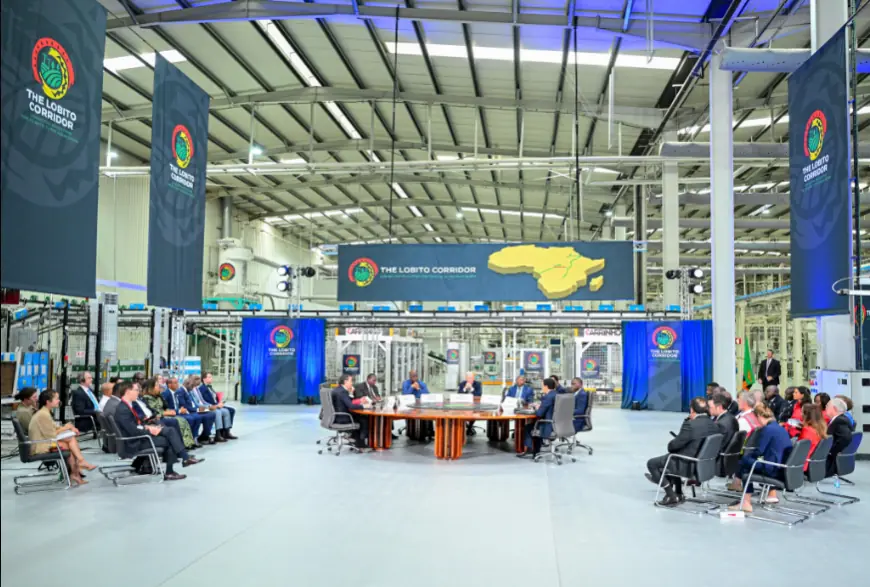
The rail pledge builds on the Lobito Corridor, one of the most closely watched infrastructure projects on the continent.
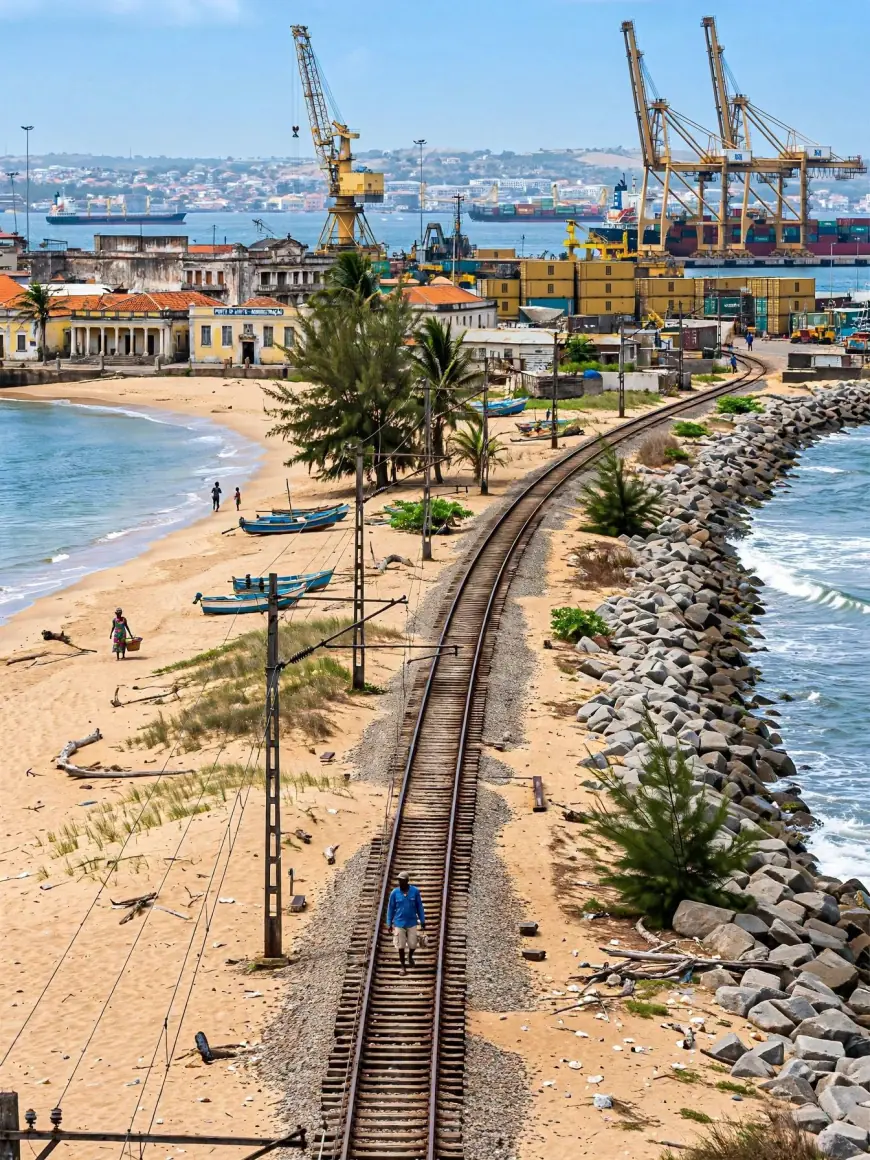
The Benguela Railway runs inland from Lobito for roughly 1,300 kilometres to the DRC border.
It was devastated during Angola's civil war and rebuilt after 2002.
In 2022, a consortium of Trafigura, Mota-Engil and Vecturis won a 30-year concession to operate it as the Lobito Atlantic Railway.
The corridor has drawn Western backing, including through the US-led Partnership for Global Infrastructure and Investment, the European Union's Global Gateway programme and African development finance.
The aim is to move copper and cobalt from the Congolese and Zambian Copperbelt to the Atlantic coast, offering a shorter route to Europe and the Americas than the long road and rail journeys to ports in southern and eastern Africa.
Tanzania's pitch is to extend that logic across the continent.
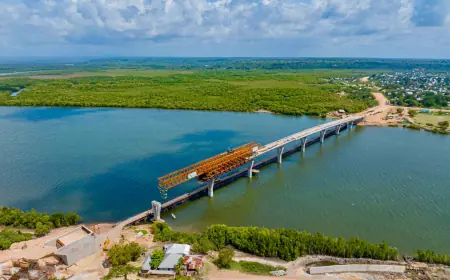
TAZARA, the 1,860-kilometre line built with Chinese financing in the 1970s to link Dar es Salaam with Kapiri Mposhi in Zambia, has long suffered from underinvestment.
A revitalisation backed by China was announced in 2024.
Both TAZARA and the Benguela Railway use the 1,067-millimetre Cape gauge, which removes one of the most common obstacles to joining national networks.
That distinguishes them from Tanzania's newer standard gauge railway, which would need separate interfaces.
What coast-to-coast could mean
Analysts have long argued that Africa's economic fragmentation owes as much to poor physical links as to tariffs.
Intra-African trade accounts for a small share of the continent's total commerce, and landlocked economies such as Zambia and the DRC face some of the highest transport costs in the world.
A functioning trans-continental corridor would offer exporters of minerals and agricultural goods a choice of two oceans.
It could also cut transit times and costs and give Zambia and the DRC bargaining power over port and freight charges.
For Tanzania, the Dar es Salaam port stands to gain from being a gateway for traffic moving in both directions.
For Angola, which has sought to diversify away from oil, the corridor offers a route to markets for agriculture and manufactured goods.
Both countries belong to the Southern African Development Community, and Tanzania is also in the East African Community, which the DRC joined in 2022.
The Africa Continental Free Trade Area adds a further framework for the cross-border trade that such a railway would need.
Obstacles remain
The announcement is a statement of intent rather than a financed project.
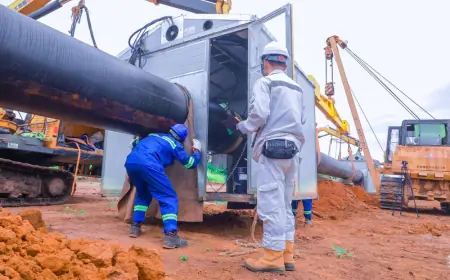
The most difficult sections are the missing or degraded links through the DRC and Zambia, including a proposed greenfield line in Zambia towards the Angolan border.
Their cost runs to billions of dollars.
Securing finance, aligning the interests of four governments, harmonising customs and border procedures, and managing security in parts of eastern and southern DRC will test the project.
Competing priorities among international financiers, and the question of who would operate each segment, add to the complexity.
Beyond rail: health, minerals and a shared history
The visit also covered social sectors.
President Lourenço said Angola plans to recruit Tanzanian health professionals on contract to address staffing shortages in its expanding hospitals.
He added that Angola would work with Tanzania on exchanging expertise and training through medical education institutions, and on improving maternal and child health services.
Both leaders witnessed the signing of agreements and memoranda of understanding covering aviation, communications and meteorology.
President Lourenço thanked Tanzania for its support, under founding president Julius Nyerere, for the liberation struggle led by Dr Neto.
He said the current generation of leaders had a duty to carry that friendship forward by growing their economies and improving citizens' lives.
"However abundant our resources, we cannot achieve development and improve the lives of our citizens without cooperation," he said, stressing that African countries should make full use of their own capabilities in confronting development challenges.
What's Your Reaction?
 Like
0
 Dislike
0
 Love
0
 Funny
0
 Angry
0
 Sad
0
 Wow
0