






































































Tanzam’s Kitonga stretch set for four-lane overhaul as traffic volumes double
The road expansion is expected to generate far-reaching economic benefits, including reduced fuel consumption, lower vehicle maintenance costs, improved delivery schedules, and enhanced investor confidence in Tanzania’s transport infrastructure

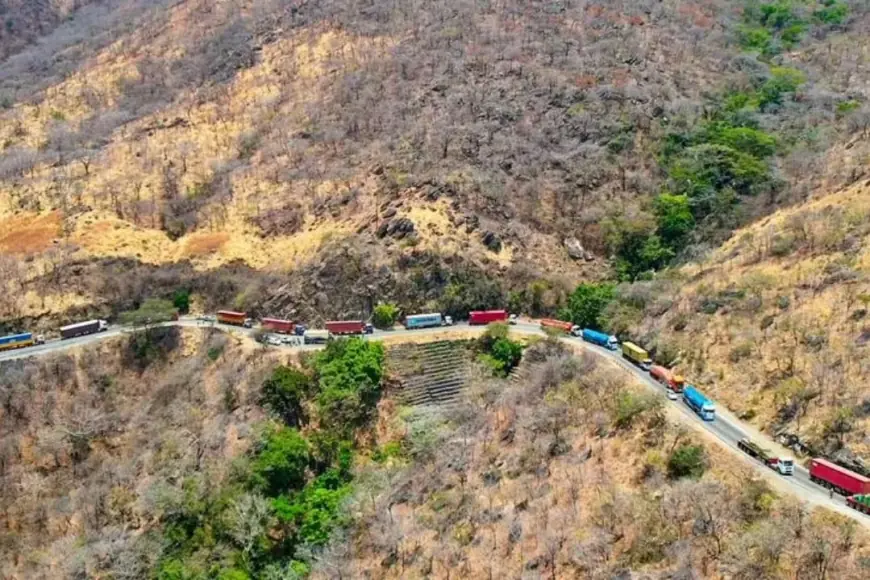
Iringa. Tanzania is set to undertake a major upgrade of the notoriously congested Kitonga Mountain Pass, transforming the existing two-lane carriageway into a modern four-lane highway in a move aimed at easing chronic traffic congestion, enhancing road safety, and strengthening the country’s role as a regional transport hub.
The ambitious project, which targets a seven-kilometre stretch of the strategically vital Tanzam Highway in Iringa Region, has entered its final preparatory phase.
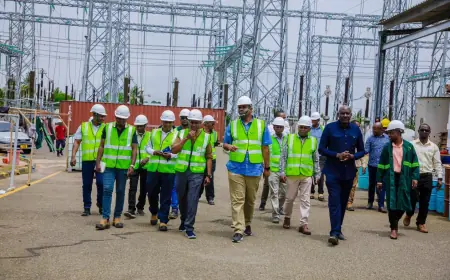
The Minister for Works, Mr Abdallah Ulega, announced the development on February 26, 2025, during an on-site inspection of the corridor, one of the most challenging and accident-prone sections of Tanzania’s national road network.
Mr Ulega said the expansion follows a direct directive from President Dr Samia Suluhu Hassan, who has prioritised the removal of logistical and infrastructural bottlenecks as part of her broader agenda to stimulate economic growth, enhance trade efficiency, and improve public safety.
“The President has given clear instructions that long-standing transport constraints, particularly those affecting strategic corridors, must be addressed decisively.
Kitonga is among the most critical of these bottlenecks, and its expansion is now a national priority,” Mr Ulega said.
Traffic surge overwhelms existing capacity
The Kitonga Pass, carved through the steep and winding terrain of the Udzungwa mountain ranges, forms a key segment of the Dar es Salaam–Mbeya–Zambia corridor, widely known as the Tanzam Highway.
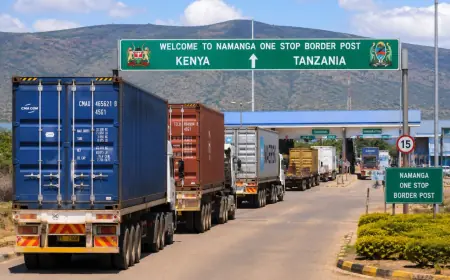
This route serves as Tanzania’s principal gateway for cargo and passenger traffic to and from southern and central Africa, linking the Port of Dar es Salaam to Zambia, Malawi, the Democratic Republic of Congo, and parts of Zimbabwe and Mozambique.
According to official traffic data, daily vehicle movements along the Kitonga section have surged dramatically in recent years, climbing from about 1,700 vehicles per day to more than 3,400.
The increase is largely attributed to rapid growth in regional trade, rising domestic transport demand, and the steady expansion of Tanzania’s logistics sector.
This sharp rise has placed immense pressure on the existing two-lane mountain road, which was never designed to handle such volumes.
Long queues, slow-moving traffic, frequent breakdowns of heavy trucks, and recurring accidents have become routine, particularly during peak transit periods.
“The current configuration can no longer cope with modern transport demands. The doubling of traffic has made congestion and safety risks unavoidable,” Mr Ulega said, adding that delays at Kitonga often cascade into severe logistical disruptions along the entire corridor.
Four lanes, enhanced safety
Under the proposed design, the upgraded road will comprise two lanes for ascending traffic and two for descending vehicles, a layout expected to significantly reduce congestion and minimise the risk of head-on collisions, which have historically accounted for a substantial proportion of accidents on the pass.
The project will also incorporate a comprehensive package of modern safety features.
These include full-length street lighting to ensure visibility around the clock, reinforced crash barriers along steep escarpments, improved drainage systems to prevent erosion and landslides, and redesigned curves to allow safer navigation by heavy trucks.
Mr Ulega said safety considerations were central to the new design, noting that the government had adopted stricter engineering standards for all major road projects.
“Kitonga is known for its steep gradients and sharp bends. The installation of reinforced safety barriers and modern lighting is not optional. These are now mandatory requirements for national roads, particularly in high-risk terrains,” he said.
The safety enhancements are also expected to drastically reduce fatal accidents, which have long plagued the corridor, particularly during the rainy season when slippery surfaces and fog significantly impair visibility.
Economic lifeline for the region
Beyond its domestic importance, the Kitonga Pass plays a pivotal role in the economic life of several landlocked countries that depend heavily on Tanzania’s transport infrastructure for access to international markets.
Each day, hundreds of heavy trucks laden with fuel, agricultural produce, minerals, manufactured goods and consumer products traverse the pass en route to destinations across southern and central Africa.
Transport experts say any disruption along this corridor immediately translates into higher freight costs, longer transit times, and increased prices of goods in downstream markets.
“The efficiency of the Kitonga section directly affects the competitiveness of the Dar es Salaam Port and Tanzania’s position as a regional logistics hub,” said a senior official from the Tanzania National Roads Agency (Tanroads) in Iringa.
“A smoother flow of traffic here will significantly lower transport costs and improve supply chain reliability across the region.”
The road expansion is therefore expected to generate far-reaching economic benefits, including reduced fuel consumption, lower vehicle maintenance costs, improved delivery schedules, and enhanced investor confidence in Tanzania’s transport infrastructure.
Fast-tracked procurement
Following technical recommendations from Tanroads engineers and regional transport planners, the Ministry of Works has issued immediate instructions to commence the procurement process.
This includes tendering for contractors, sourcing construction materials, and finalising engineering designs.
Mr Ulega directed ministry officials to ensure that the procurement process adheres to strict timelines and quality standards, stressing that delays would undermine the strategic importance of the project.
“This is not a routine road upgrade. It is a strategic national investment. Every stage, from design to construction, must reflect the highest levels of professionalism and accountability,” he said.
Although the total project cost has not yet been officially disclosed, government sources indicate that it will run into several hundred billion shillings, reflecting the complexity of engineering works required in mountainous terrain.
A shift in mountain road engineering
The expansion of the Kitonga Pass represents a significant evolution in Tanzania’s approach to mountain road engineering.
Traditionally, such terrains have been served by narrow, winding two-lane roads, often constrained by budgetary limitations and technical challenges.
However, rapid growth in regional trade, increasing vehicle sizes, and heightened safety expectations have compelled a rethinking of design standards.
The Kitonga project is expected to serve as a model for future upgrades of other mountainous corridors across the country.
“This is about building infrastructure that is fit for the next several decades, not merely responding to today’s pressures,” Mr Ulega said.
“Our goal is to transform Kitonga from a hazardous bottleneck into a high-capacity, safe, and reliable transit corridor.”
Broader infrastructure drive
The project forms part of the government’s wider infrastructure development agenda, which includes the expansion of major highways, construction of new bridges, rehabilitation of rural feeder roads, and modernisation of transport corridors linking ports, industrial zones, and border points.
What's Your Reaction?
 Like
0
Like
0
 Dislike
0
Dislike
0
 Love
0
Love
0
 Funny
0
Funny
0
 Angry
0
Angry
0
 Sad
0
Sad
0
 Wow
1
Wow
1