




















































Tanzania nears crucial milestone in Eyasi–Wembere oil exploration
Preliminary seismic data interpretation has revealed encouraging indicators of potential hydrocarbon deposits

Dar es Salaam. The Tanzania Petroleum Development Corporation (TPDC) has announced significant progress in its oil and gas exploration activities within the Eyasi–Wembere Basin.
Preliminary seismic data interpretation has revealed encouraging indicators of potential hydrocarbon deposits.
The state-owned energy firm is now poised to enter the next critical stage of its multi-phase exploration programme.
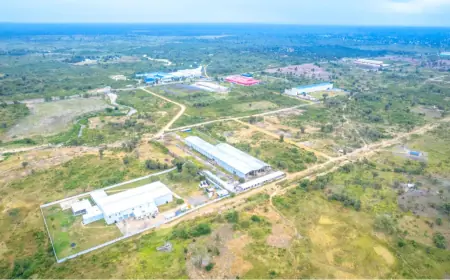
The extensive project spans an impressive 10,634.9 square kilometres across Northern and Central Tanzania.
It covers five administrative regions, namely Tabora, Shinyanga, Arusha, Singida, and Simiyu. This vast area encompasses the strategic sub-basins of Natron–Engaruka, Manyara, Eyasi, and Wembere-Manonga.
Geological Promise, Financial Backing
Geologists targeted the Eyasi–Wembere Basin due to its unique location within the eastern arm of the Great East African Rift System.
The basin features a substantial thickness of sedimentary rock layers.
This structural composition provides the necessary conditions for organic accumulation, maturation, and hydrocarbon generation.
Crucially, the geology of the basin closely mirrors successful petroleum provinces in the region.
It shares direct characteristics with Uganda’s Albertine Graben at Lake Albert and Kenya’s Lokichar Basin in the Turkana region.
Both of these neighbouring areas have already yielded major, commercially viable oil discoveries.
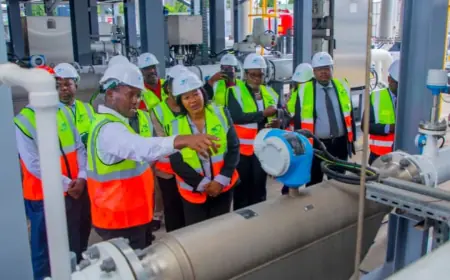
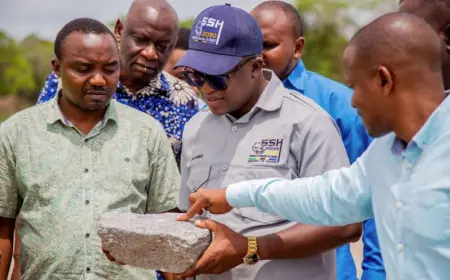
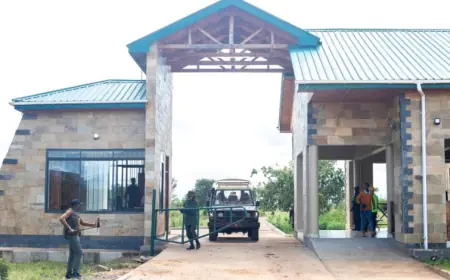
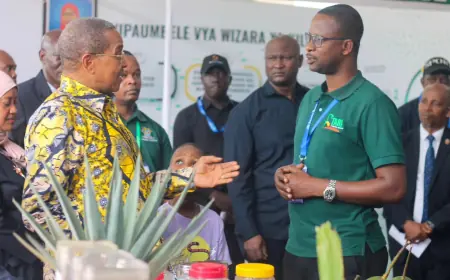
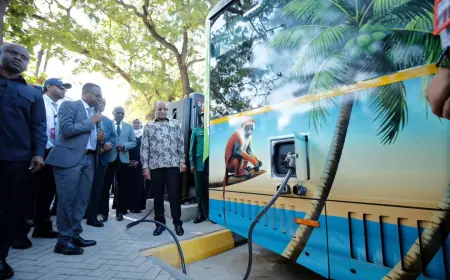
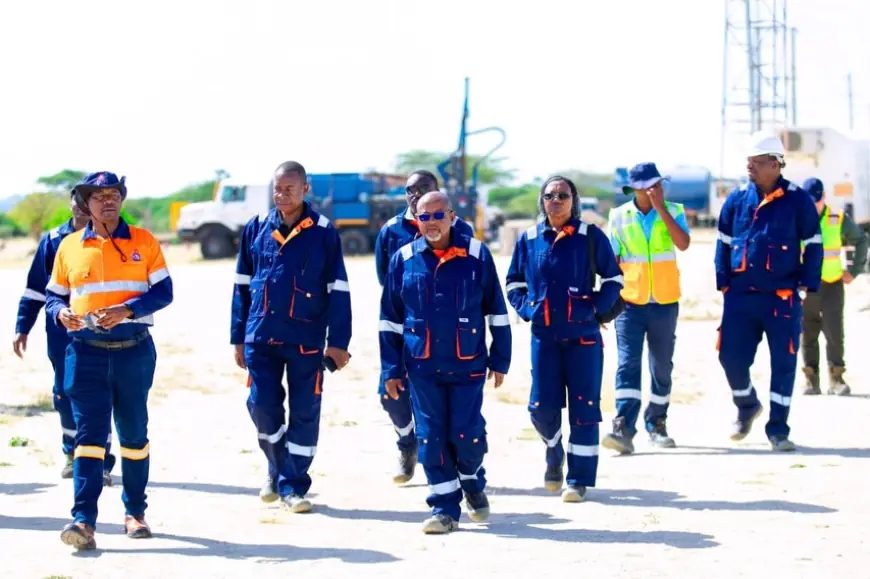
The chairman of the TPDC Board of Directors, Amb Ombeni Sefue, confirmed the promising nature of the site during a recent inspection visit.
He revealed that TPDC has fully financed the venture from its internal resources since operations began in 2015.
Total expenditure has now reached over Sh47.47 billion (£11.6 million).
"TPDC has been here in this Eyasi–Wembere Basin and started these exploration activities since 2015," Amb Sefue said.
He said the cost for exploration has been met by TPDC’s own funds.
He further explained the strategic rationale behind the heavy investment.
"The decision to implement this project stems from the characteristics of the block, which give us confidence in the possibility of finding oil resources," he said.
"Geologically, this area closely resembles the Lake Albert and Turkana areas, both of which are within the East African Rift Valley belt where our neighbours have already managed to discover oil," he noted.
Strategic Infrastructure and Local Expertise
The ongoing geophysical survey has successfully achieved 78 per cent completion.
This phase involves underground seismic data acquisition covering 779 kilometres across the exploration block.
The current data gathering phase is on track for full completion by June 2026.
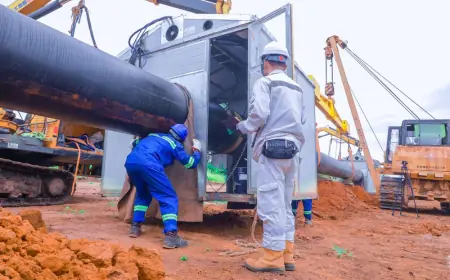
The commercial viability of the project is significantly enhanced by the East African Crude Oil Pipeline (EACOP).
The planned Hoima-Tanga pipeline route passes directly through the Eyasi–Wembere block.
This proximity substantially reduces economic risks by ensuring immediate access to crude oil transportation infrastructure once a discovery is formalised.
"Furthermore, this block is crossed by the East African Crude Oil Pipeline (EACOP) project, which will enable us to use it to transport our oil once we make a discovery, thereby bringing more momentum to the execution of exploration activities in this area," Amb Sefue noted.
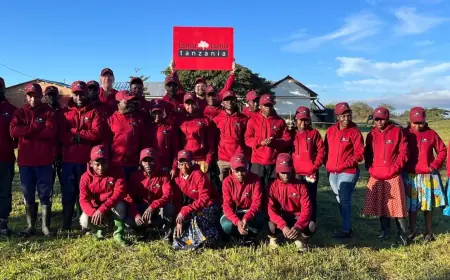
The board chairman also highlighted a major shift in national capability, emphasizing that the entire exploration project is being managed and supervised by local Tanzanian experts.
This marks a significant departure from past operations that relied heavily on foreign specialists.
The state-woned corporation has successfully built robust internal capacity to drive upstream energy initiatives independently.
"In addition to that, a major factor giving us the strength to execute this project is the capacity that our corporation has built for its experts," Amb Sefue said.
"Currently, the corporation has the ability to run and supervise oil and natural gas exploration activities in the country, unlike in the past when we depended on experts from foreign companies to conduct these activities,” he added.
This project is a demonstration of the efficiency and expertise that exists within the corporation, he added.
Reviewing the data collected so far, he expressed strong confidence in the technical indicators.
"We are satisfied with the progress and the geological evidence supporting the project," he added.
"The early interpretations point to promising indications that require further analysis."
Navigating Operational Challenges
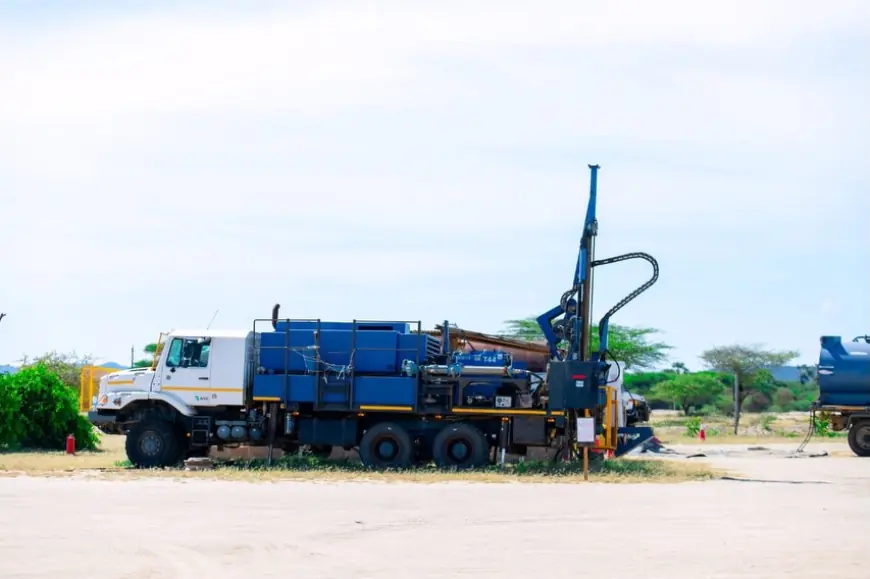
The technical execution of the project is being carried out by the contractor AGS.
The firm has maintained steady operational efficiency despite notable environmental hurdles.
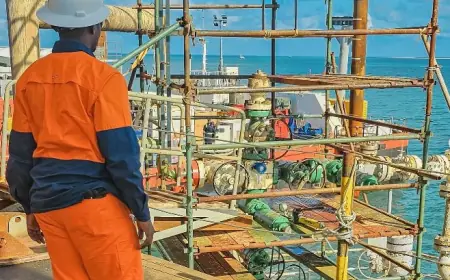
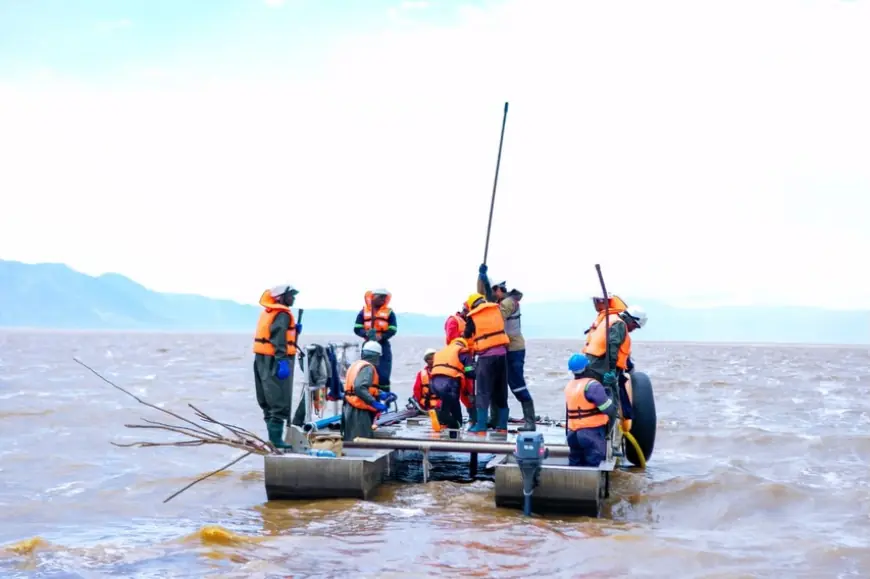
Teams have successfully navigated unpredictable weather patterns and the complex, shallow waters of Lake Eyasi to keep the project on schedule.
Advanced seismic acquisition equipment, specifically tailored to the unique conditions of the lake, has been deployed.
Project Manager, Sindi Maduhu, noted that data processing is being conducted with extreme care to prevent costly errors.
The verification process involves both domestic analysis and international collaboration.
Specialists in Serbia are currently assisting with data interpretation to ensure absolute precision.
"We are processing this data carefully to avoid making decisions that could be costly to the country," Mr Maduhu explained.
"This is an important verification stage before moving into drilling operations,” he noted.
Looking ahead to the next milestones, the project manager remained highly optimistic about the timeline.
"We are well prepared and the work is progressing steadily," Mr Maduhu noted.
Within the next month, we expect the seismic data acquisition phase to be 100 per cent complete, he explained.
The completed seismic data will ultimately dictate the precise drilling locations for the exploration wells.
If commercial deposits are confirmed, the Eyasi–Wembere project will transform the economic landscape of Tanzania.
It promises to secure national energy self-sufficiency, drastically reduce reliance on petroleum imports, and establish Tanzania as an oil-exporting nation to neighbouring East African markets.
What's Your Reaction?
 Like
0
Like
0
 Dislike
0
Dislike
0
 Love
0
Love
0
 Funny
0
Funny
0
 Angry
0
Angry
0
 Sad
0
Sad
0
 Wow
0
Wow
0