





























































Economic results of the policy of localization of the mining industry in Tanzania
Amendments to the legislation adopted in 2017 and subsequent tightening of the regulatory framework were aimed at ensuring that the country's mineral wealth brought direct benefits not only to the state in the form of taxes, but also to Tanzanian citizens and businesses through participation in the production chain


By MADINI TODAY
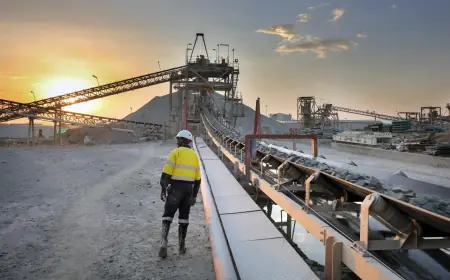
In recent years, Tanzania has implemented a fundamental transformation of mining industry regulation, making localization policy one of the key priorities of its economic strategy.
Amendments to the legislation adopted in 2017 and subsequent tightening of the regulatory framework were aimed at ensuring that the country's mineral wealth brought direct benefits not only to the state in the form of taxes, but also to Tanzanian citizens and businesses through participation in the production chain.
According to experts, the interim results of 2026 show impressive progress in a number of quantitative indicators, from employment to revenue.
The most convincing results of localization policy are visible in the fiscal sphere.
Budget revenues from the mining sector show steady and significant growth. If in 2015 this figure was 161 billion TSh (about $60.8 million), then in the 2025/2026 financial year it reached 1.338 trillion TSh (about $506 million), exceeding the established targets.

The effectiveness of localization is also confirmed by the growth of purchases from local companies. In 2018, this figure was 62% (1.85 trillion TSh out of 3.01 trillion TSh), and by 2024 it had grown to 88% (4.41 trillion TSh out of 5 trillion TSh).
In the first half of 2025, purchases from Tanzanian companies have already amounted to 3.8 trillion TSh. In addition, the total number of people employed in mining projects increased from 6,668 in 2018 to 18,853 by the beginning of 2025.
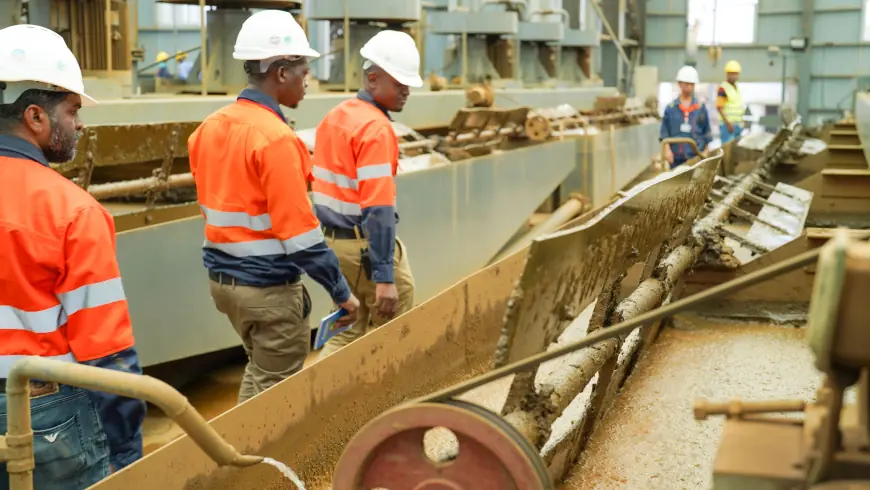
An important achievement is the transfer of management functions to local staff. The example of Geita Gold Mining Limited (GGML) is particularly illustrative: 98% of its employees are Tanzanian, and more than 80% of senior positions are also held by local specialists.
Barrick-Twiga (North Mara and Bulyanhulu) demonstrates similar results, where 91% of purchases are made locally, and all senior management positions are occupied by Tanzanians.
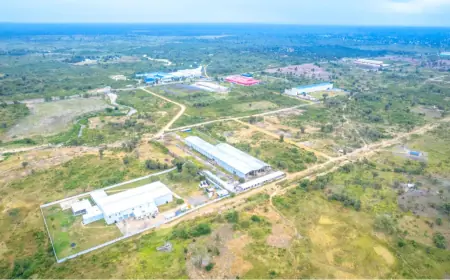
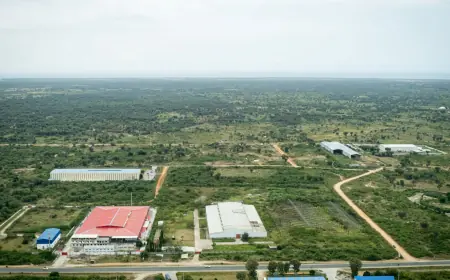
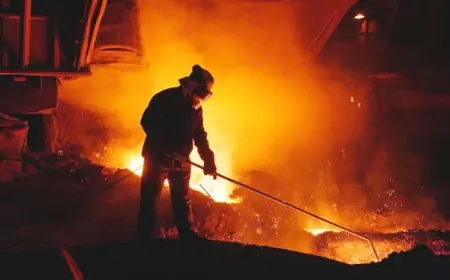
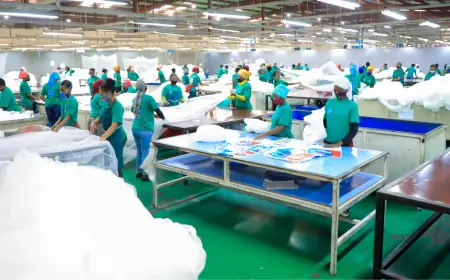
The reforms stimulated the development of local processing of mineral raw materials. Currently, there are eight gold processing plants in the country, including Mwanza Precious Metals Refinery Limited, Geita Gold Refinery Limited and Eyes of Africa Refinery.
The volume of processed minerals reached 5.8 trillion TSh, which created 273 new jobs. Major projects are under implementation: a copper refinery in Dodoma, a steel mill worth more than 600 billion shillings, as well as projects for processing rare earth metals and nickel.
However, the March 2026 report of the Comptroller General and Auditor (CAG) revealed inconsistencies between the stated localization policy and actual practice.
In particular, it is noted that although the employment of Tanzanians increased by 71% in 2020-2024, the employment of foreigners also increased by 63% over the same period, which indicates not the replacement of foreign specialists, but the expansion of the sector as a whole without a structural transformation of the workforce.
At the same time, foreign employees continue to occupy highly qualified and managerial positions, receiving significantly higher salaries than Tanzanians in similar positions.
The most controversial point is the audit data on purchases. In 2020-2024, only 33% of purchases were made from local suppliers, while 67% were made from foreign suppliers.
This contradicts the official statistics of the Mining Commission (88%), which indicates either different calculation methodologies or overstatement.
It was also found that the level of local processing remains low: 53.8% for metallic minerals and only 38.7% for precious stones.
A significant part of the mineral raw materials continues to be exported in unprocessed form.
In this regard, the Government of Tanzania intends to deepen the initiated reforms on localization of the mining industry.
The priorities for 2026/2027 are the expansion of exploration activities (10% of mining revenues have been allocated for these purposes), the creation of a special investment zone on the territory of the former Buzwagi mine for the development of related industries, improved access to financing for small miners through a memorandum with CRDB Bank, and the expansion of gemstone auctions.
In general, localization policy in the Tanzanian mining industry has been associated with increased tax revenues and a formal increase in the participation of local businesses and labor resources.

At the same time, a more detailed analysis indicates continuing structural constraints, including limited processing, the predominance of foreign specialists in highly qualified segments, and insufficient enforcement effectiveness.
What's Your Reaction?
 Like
0
Like
0
 Dislike
0
Dislike
0
 Love
0
Love
0
 Funny
0
Funny
0
 Angry
0
Angry
0
 Sad
0
Sad
0
 Wow
0
Wow
0