











































What proposed mega-refinery truly means for the East African Consumer
Establishing a localized, $17 billion, mega-refinery by Nigerian industrialist Aliko Dangote is the single most vital step toward securing regional economic sovereignty and insulating hundreds of millions of people from external financial shocks

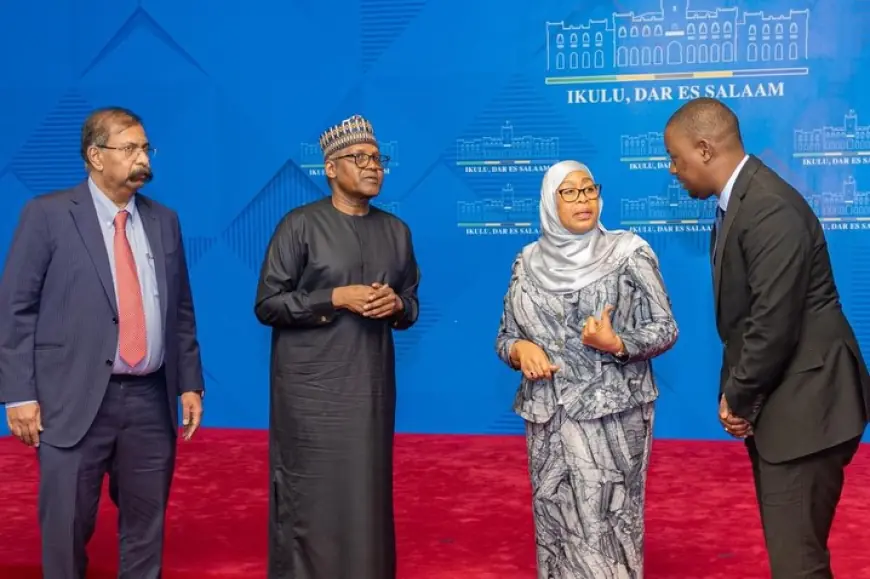
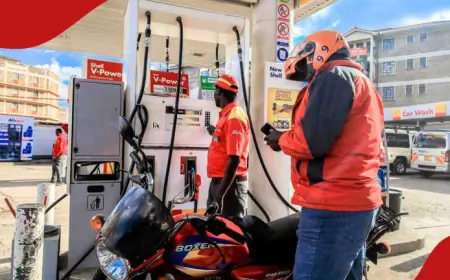
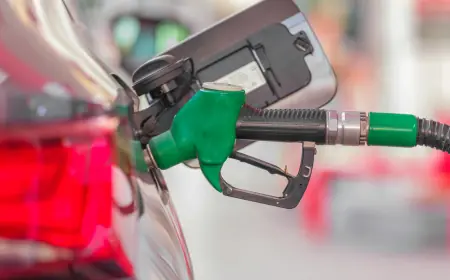
Dar es Salaam. For the average citizen across the East African Community (EAC), the fluctuating price of fuel is a direct determinant of the cost of living.
Whether commuting via minibus in Nairobi, transporting agricultural produce to markets in Kampala, or purchasing basic consumer goods in Dar es Salaam, retail prices are inextricably tethered to the volatile swings of the global oil market.
Establishing a localized, $17 billion, mega-refinery by Nigerian industrialist Aliko Dangote is the single most vital step toward securing regional economic sovereignty and insulating hundreds of millions of people from external financial shocks.
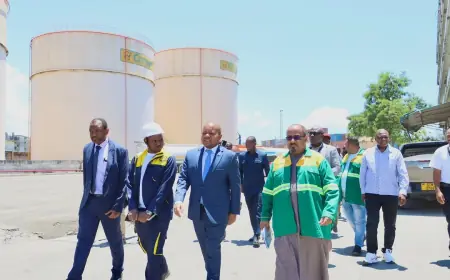
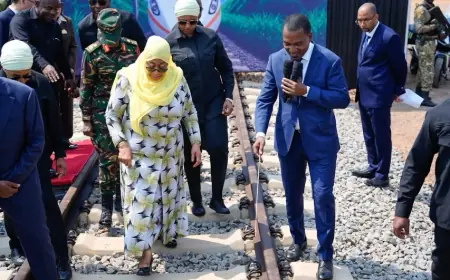
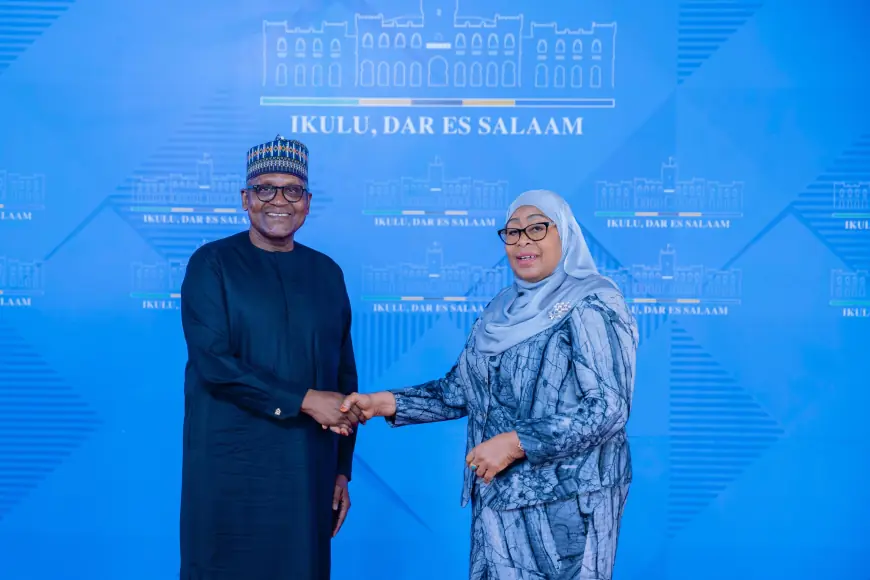
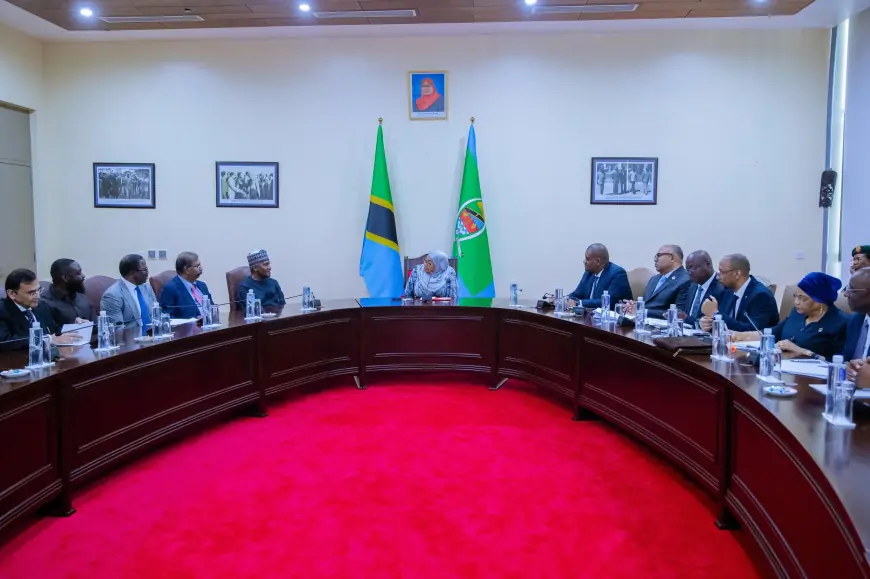
The strategic imperative of this multi-billion-dollar project took centre stage at the State House in Dar es Salaam on May 16, 2026.
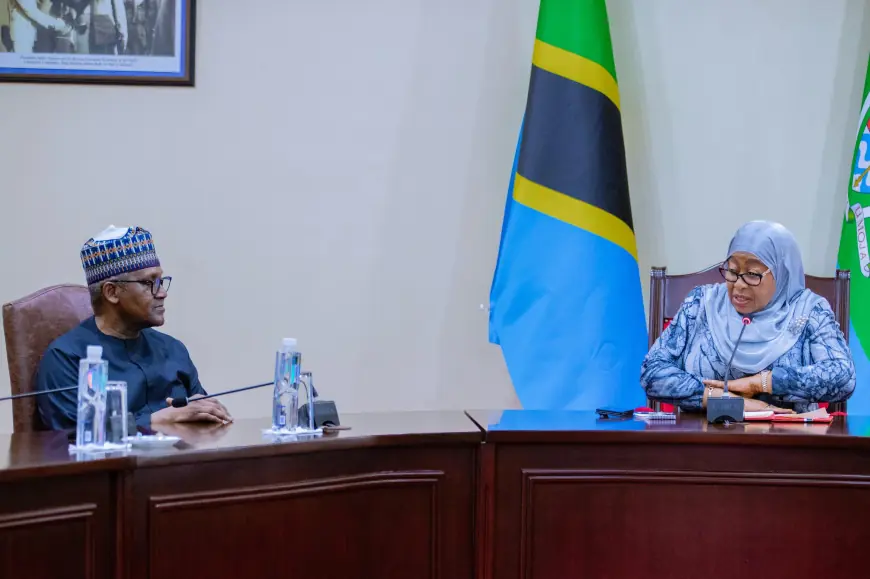
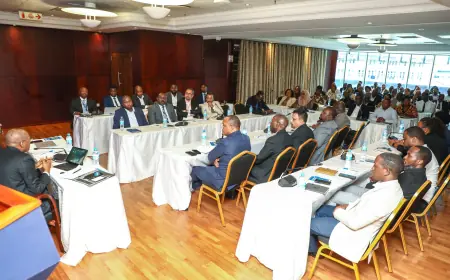
President Samia Suluhu Hassan hosted Mr Dangote alongside senior executives from the Dangote Conglomerate, Tanzanian Cabinet ministers, and top government officials.
The discussion focused on cross-sector industrial investments, including natural gas, ports, and fertilizer production, alongside the potential framework for a joint-venture crude oil refinery designed to transform the regional energy landscape.
This executive engagement followed a period of intense public debate triggered by an infrastructure summit in Nairobi, where Mr Dangote met with Kenyan President William Ruto and Ugandan President Yoweri Museveni.
While early regional discussions focused on the Tanzanian port city of Tanga, the termination point of the nearly completed East African Crude Oil Pipeline (EACOP), subsequent statements indicated a potential commercial shift toward Mombasa due to its established deep-water logistics infrastructure.
The resulting back-and-forth between East Africa’s primary coastal gateways underscores the immense economic value attached to the project, as both nations recognize that hosting the refinery will dictate the flow of industrial wealth across the subcontinent for the next half-century.
Dismantling the colonial trade paradox
To understand the profound impact a domestic refinery would have on East Africans, one must examine the structural inefficiencies that define the region's current energy architecture.
East Africa possesses significant upstream petroleum reserves, most notably in Uganda’s Hoima basin and Kenya’s Lokichar basin.
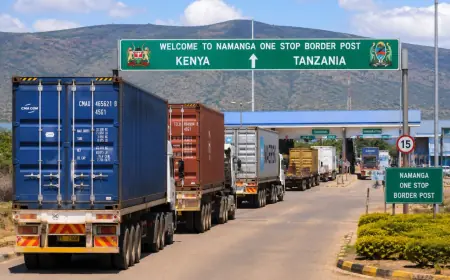
Yet, under the current economic framework, these resources are destined to be exported as raw, unrefined crude to overseas refineries in Europe and the Middle East, only for East African nations to import the finished petroleum products back at a premium.
This paradox leaves the region highly vulnerable to double-taxation, international shipping margins, insurance premiums, and the operational volatilities of foreign maritime trade routes.
According to data from the Africa Finance Corporation, sub-Saharan Africa imports over 70 per cent of its refined petroleum products, a reliance that drains billions of dollars in foreign exchange reserves annually.
When global crude prices spike due to geopolitical conflicts in western Asia or shipping disruptions along major global chokepoints, East African central banks are forced to deplete their hard currency reserves to subsidize or purchase fuel.
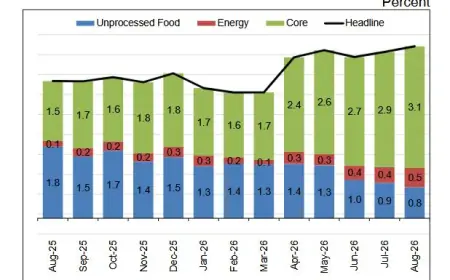
This triggers a cascading devaluation of local currencies, drives up domestic inflation, and increases the cost of everything from electricity to dietary staples.
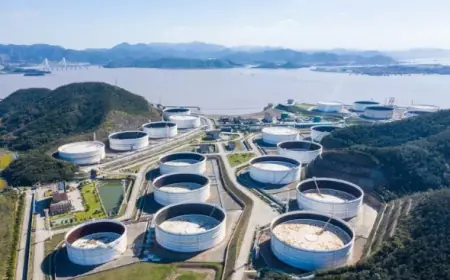
A localized Dangote refinery, boasting a projected capacity modeled after his 650,000-barrel-per-day complex in Lagos, would fundamentally dismantle this dependency.
By processing regional crude locally, the EAC can retain the entire downstream value chain within its borders. For the consumer, this translates directly into price stability.
A regional refinery establishes a predictable pricing mechanism decoupled from foreign refining margins and international freight costs, ensuring that landlocked hinterland nations like Rwanda, Burundi, Uganda, and the eastern Democratic Republic of Congo no longer pay inflated, land-freighted premiums for imported fuel.
Industrial multipliers
The benefits of a localized refinery extend far beyond the fuel pump, serving as a catalyst for sweeping industrialization across the entire hinterland.
Modern petroleum refining is a foundational industry that yields critical secondary by-products, including polypropylene, polyethylene, sulfur, and bitumen.
These raw materials are the essential inputs required to fuel local manufacturing sectors, enabling the domestic production of plastics, packaging, pharmaceuticals, textiles, and asphalt for regional road-building initiatives.
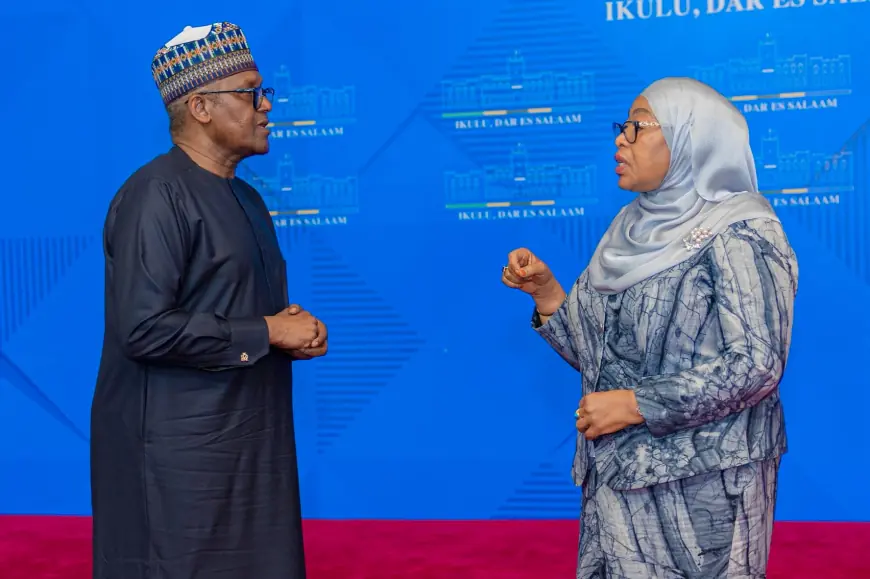
Furthermore, the integration of a mega-refinery with agricultural inputs was a central theme during the bilateral talks at the Dar es Salaam State House.
President Samia urged the Dangote Group to consider major investments in domestic fertilizer manufacturing, utilizing Tanzania's vast natural gas reserves in tandem with the refinery's chemical by-products.
For a region where agriculture employs more than 65 percent of the population, localized fertilizer production would dramatically lower farming input costs, increase crop yields, and guarantee food security for millions of families currently vulnerable to global supply chain disruptions.
The political determination shown during the Dar es Salaam summit demonstrates that navigating the competitive national interests of Kenya, Uganda, and Tanzania requires sophisticated statecraft rather than political friction.
While the choice between the logistical readiness of Mombasa and the strategic alignment of Tanga remains a point of commercial negotiation, the true victory lies in securing the investment within East Africa.
Mr Dangote’s praise for Tanzania’s improved regulatory climate, highlighted by the resolution of operational challenges at his Mtwara cement plant and the deployment of 400 compressed natural gas haulage trucks, signals that the region is successfully cultivating the stable, investor-friendly environment required to sustain such monumental infrastructure.
Ultimately, a domestic refinery will transform East Africa from a passive consumer of foreign oil into an self-reliant industrial hub, providing the structural foundation necessary to insulate its people and economies from the unpredictable shifts of global markets.
What's Your Reaction?
 Like
0
Like
0
 Dislike
0
Dislike
0
 Love
0
Love
0
 Funny
0
Funny
0
 Angry
0
Angry
0
 Sad
0
Sad
0
 Wow
0
Wow
0