













































From informal trade to global supply chains: Tanzania positions itself as Africa’s mining powerhouse

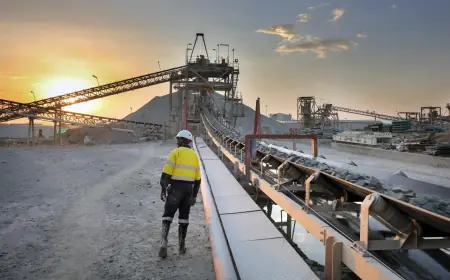
Dar es Salaam. Tanzania’s mining landscape has undergone a profound transformation over the past decade.
Sweeping reforms introduced around 2017 and reinforced in 2019 have reshaped one of the country’s most strategic sectors.
The results are now visible across regions rich in minerals, where new investments, advanced technologies and structured markets are redefining how resources are extracted, traded and processed.
The reforms were born out of long-standing concerns over revenue losses, smuggling and limited local benefits from mineral wealth.
Prior to the changes, much of the trade in gold and gemstones was informal.
Transactions frequently occurred outside regulated centres.
Pricing disputes were common. Fraudulent weighing systems and fake minerals undermined confidence among miners and traders.
That system began to change after amendments to the Mining Act and the introduction of structured mineral markets.
The first formal mineral market opened in Geita, followed by another in Chunya.
These developments marked the beginning of a new era in mineral governance.

Today, the country operates dozens of mineral markets and buying centres across mining regions.
The expansion has introduced transparency into transactions, strengthened government oversight and significantly increased revenue collection.
Official figures indicate that mineral sales recorded through these systems have grown sharply, reflecting improved compliance and confidence among miners.
The creation of these markets has also broadened participation in the sector.
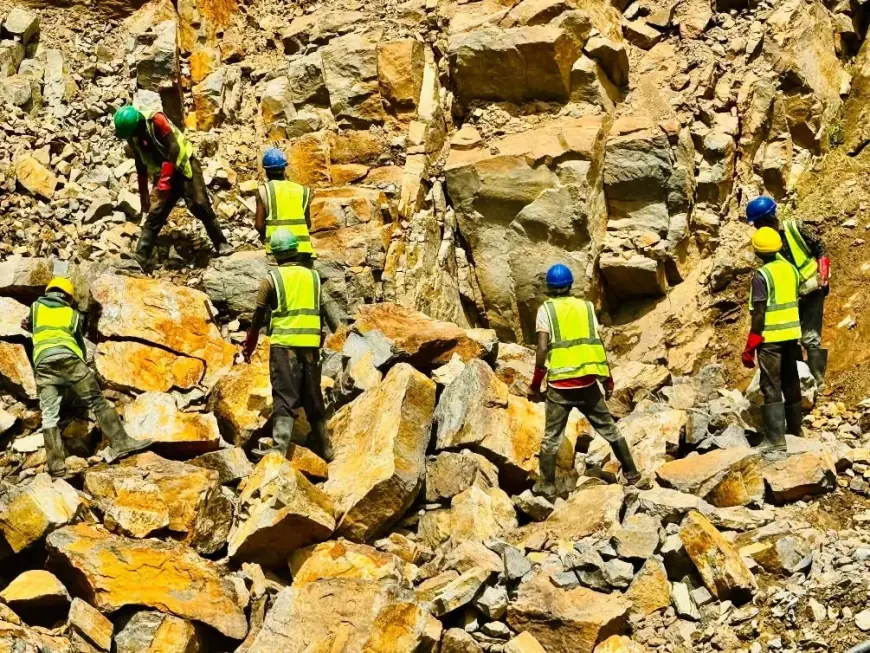
Thousands of small-scale miners now operate within a regulated framework.
For many, this shift has meant fair pricing, safer trading environments and improved access to financing.
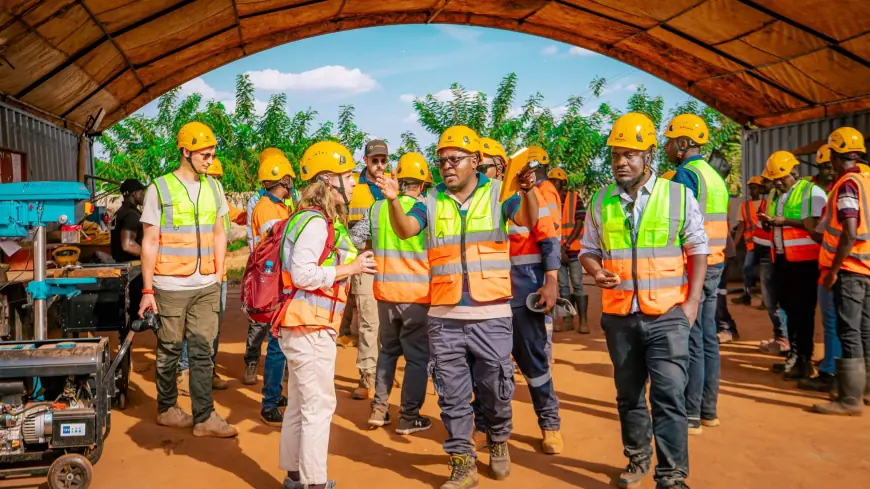
Investment Confidence on the Rise
The reforms did more than improve regulation. They signalled to international investors that Tanzania was committed to building a predictable and competitive mining environment.
Recent surveys of global mining companies show that Tanzania has climbed steadily among Africa’s most attractive destinations for mineral investment.
Analysts attribute this progress to a combination of geological potential, regulatory stability and improved infrastructure.
The country is endowed with a diverse range of minerals.
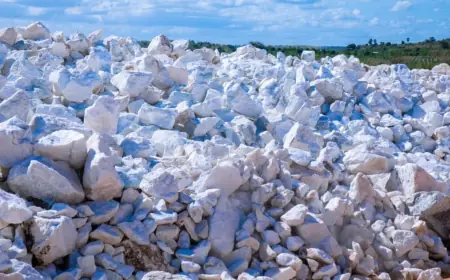
Gold remains the dominant export, but attention has increasingly shifted towards critical minerals such as graphite, nickel and niobium.
These resources are essential for modern technologies, renewable energy systems and advanced manufacturing.
The surge in investor interest is evident in the growing number of high-profile agreements signed between Tanzania and international partners.
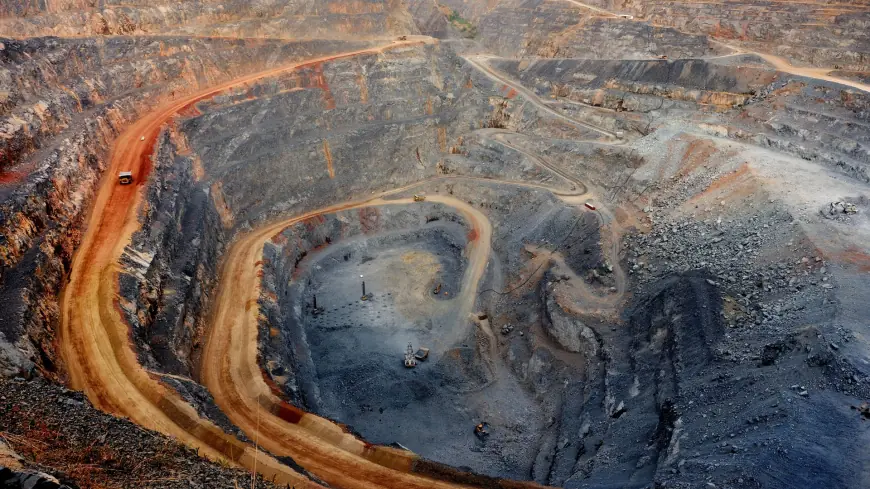
Expanding Strategic Partnerships
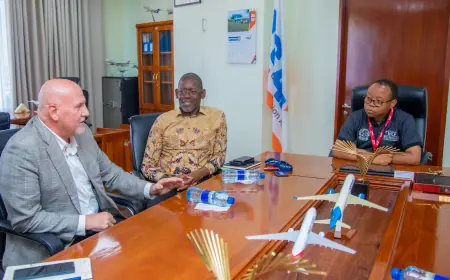
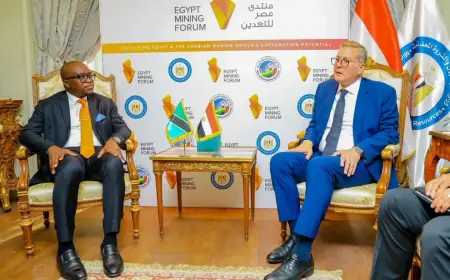
One recent development involved talks between Tanzanian authorities and investors from China’s Liaoning Fangda Group.
The discussions explored opportunities across the entire mineral value chain, including exploration, extraction and mineral processing.
Officials highlighted the importance of moving beyond raw mineral exports.
Emphasis was placed on beneficiation, a policy direction designed to ensure that more minerals are processed locally before reaching international markets.
Such processing creates employment, strengthens industrial capacity and increases export earnings.
The Chinese delegation expressed interest in establishing modern processing facilities and introducing advanced technologies.
These technologies are expected to improve efficiency and enhance Tanzania’s ability to compete globally.
China has long been among Tanzania’s key investment partners, particularly in sectors such as mining, manufacturing and infrastructure.
Continued engagement with such investors reflects the government’s broader strategy to position the country as a regional hub for mineral processing.
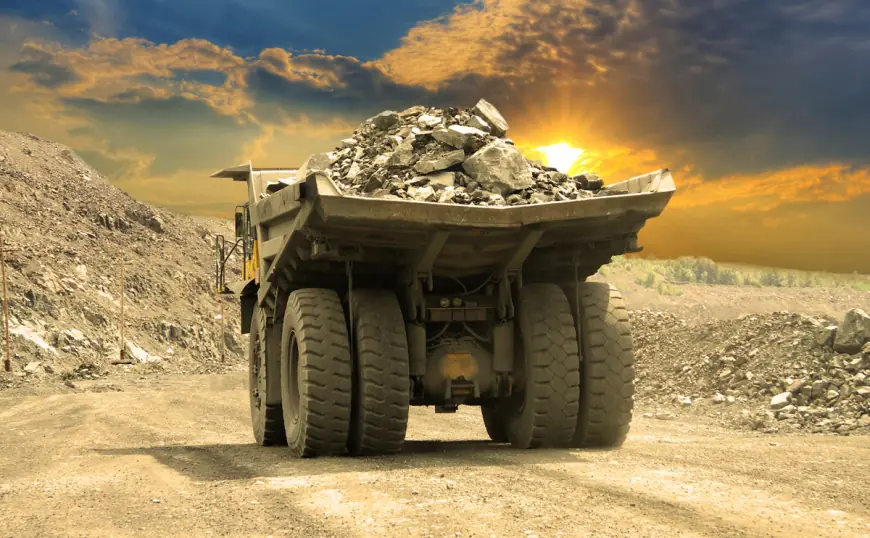
Strategic Minerals Take Centre Stage
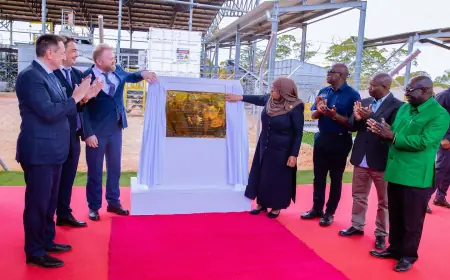
Among the most notable developments is the Panda Hill Niobium Project in Mbeya Region.
The initiative is expected to place Tanzania among the world’s leading producers of niobium, a rare mineral used to strengthen steel and manufacture high-performance alloys.
Niobium is a critical component in industries ranging from transport infrastructure to aircraft manufacturing.
Global supply is currently concentrated in a handful of countries.
Tanzania’s entry into this market signals a strategic shift towards minerals with high industrial value.
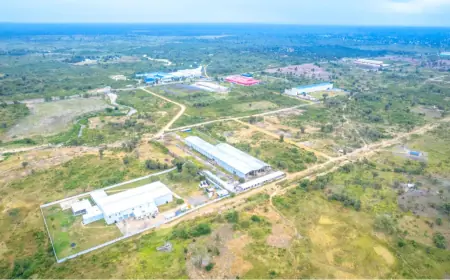
The project includes the construction of a processing plant and a ferroniobium facility, a complex installation rarely built worldwide.
The investment is projected to generate substantial government revenue through royalties, taxes and dividends.
It is also expected to create thousands of direct and indirect jobs.
Equally significant is the government’s decision to maintain an equity stake in the project.
This structure ensures that the nation shares directly in profits while retaining influence over long-term operations.
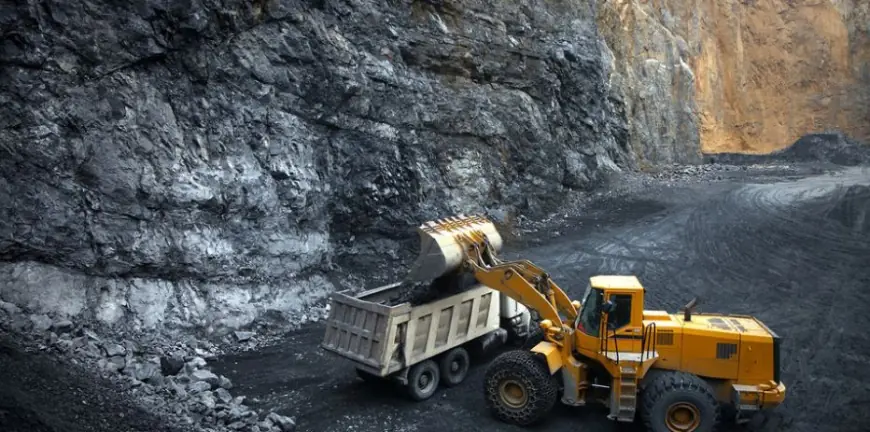
Graphite and the Electric Future
Graphite has emerged as another focal point in Tanzania’s mineral strategy.
A partnership between the State Mining Corporation and an international investor targets graphite development in the Mirerani area.
Graphite is classified as a strategic mineral due to its essential role in electric vehicle batteries.
As global demand for electric mobility rises, the mineral has become central to industrial planning worldwide.
Officials overseeing the project have emphasised the importance of local participation.
Employment opportunities are expected to prioritise nearby communities.
Procurement of goods and services from local suppliers is also encouraged to stimulate regional economies.
Such projects illustrate how mining investments are increasingly linked to broader development goals, including infrastructure expansion, healthcare improvements and education initiatives.
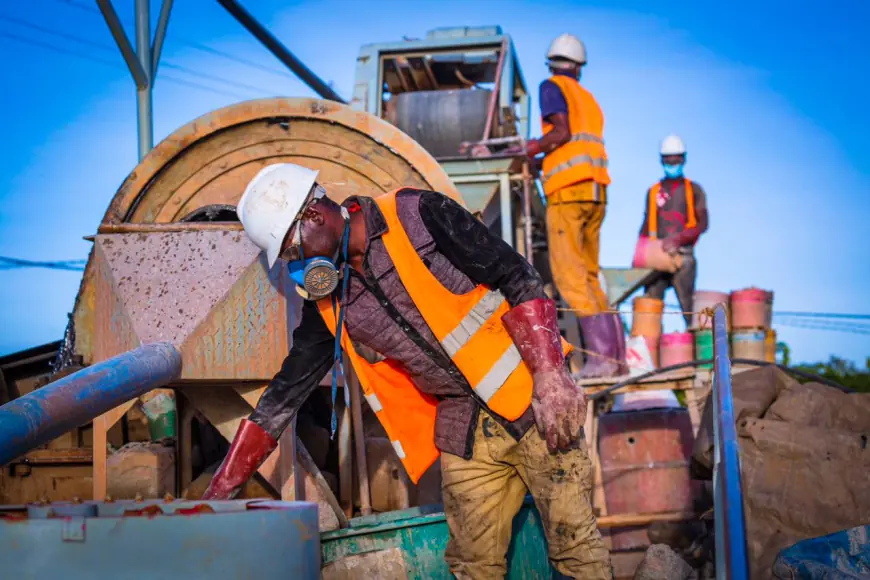
Nickel and Global Supply Chains
The Kabanga Nickel Project in Kagera Region stands among the most ambitious mining undertakings in Tanzania’s history.
Valued at billions of dollars, the project is expected to transform the country into a key supplier of nickel.
Nickel is vital in battery production and modern energy technologies.
Rising global demand has intensified competition among countries seeking to supply the mineral.
Feasibility studies indicate that Kabanga hosts one of the world’s largest high-grade nickel deposits.
The project incorporates advanced processing technologies designed to maximise value addition within the country.
Beyond export revenue, the project is expected to create employment, build local skills and stimulate industrial growth across related sectors.

Gold and Geological Expansion
Gold remains a cornerstone of Tanzania’s mining economy.
Strategic partnerships in gold exploration continue to expand operations in mineral-rich regions such as Geita.
Recent agreements between state-owned mining entities and private investors aim to strengthen geological research and extraction capacity.
These collaborations provide access to advanced exploration data and modern technologies.
Authorities view gold as both a legacy resource and a foundation for future expansion.
Continued exploration is expected to uncover new deposits, sustaining the country’s status among Africa’s leading gold producers.
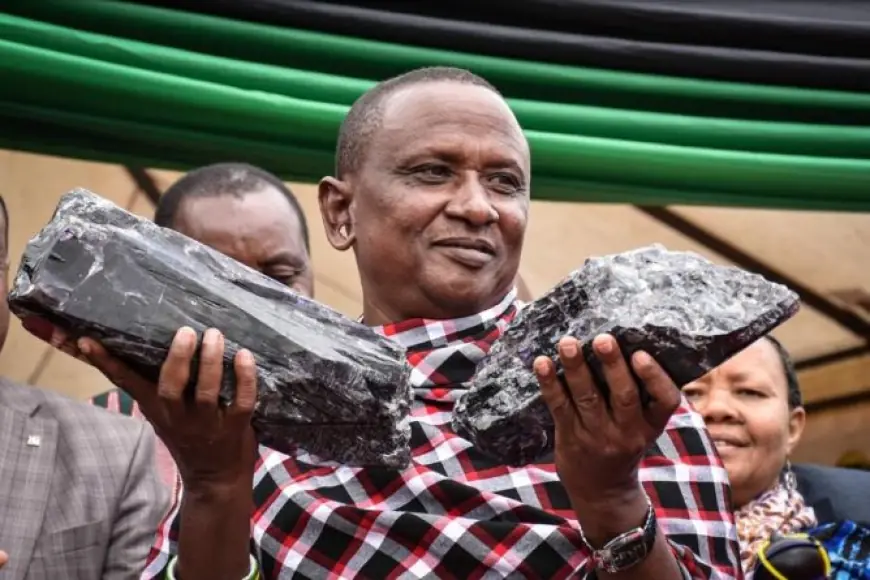
Gemstones and Global Branding
Beyond industrial minerals, Tanzania’s gemstone industry continues to gain prominence on international markets.
Tanzanite remains the country’s most recognised gemstone, valued for its rarity and unique origin.
Government-led initiatives now focus on strengthening branding and marketing in global markets.
Diplomatic missions and trade partnerships are being used to increase awareness of Tanzania’s gemstones among international buyers.
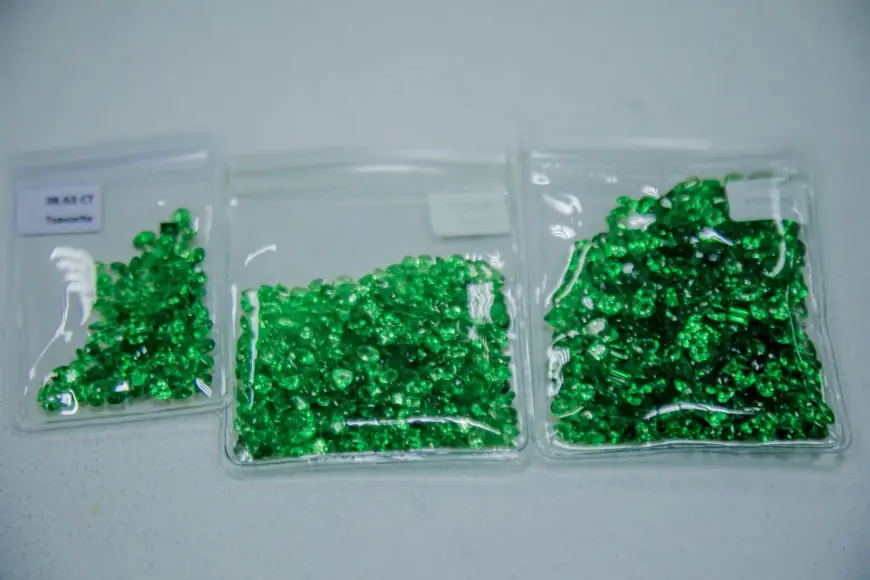
Another gemstone attracting attention is tsavorite, a vibrant green mineral found in northern regions.
Known for its clarity and durability, the gemstone has gained popularity among high-end collectors and jewellery manufacturers.
The promotion of gemstones extends beyond trade.
Officials see strong links between gemstone marketing and tourism development, particularly in regions where mining sites attract international visitors.
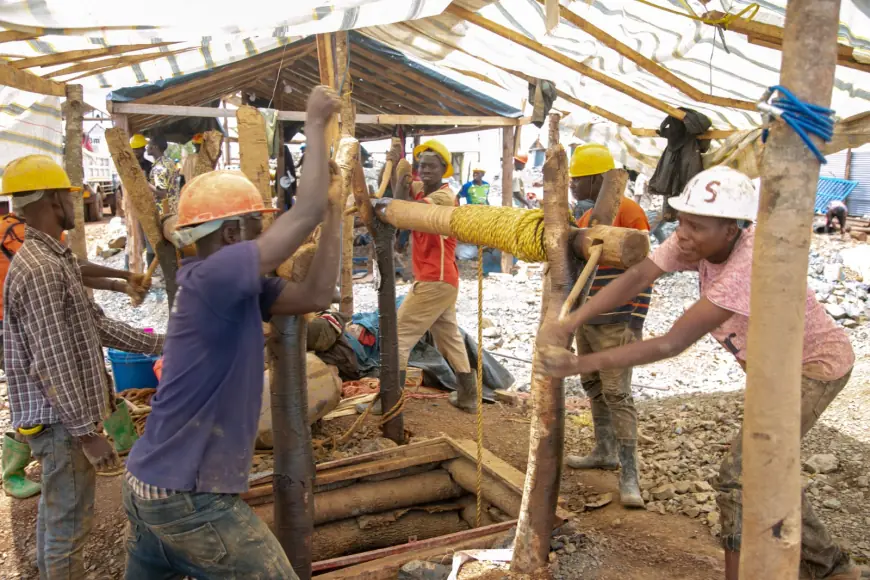
Local Participation at the Core
While international investment remains vital, Tanzania has placed strong emphasis on ensuring local communities benefit from mining growth.
Local content policies require investors to prioritise Tanzanian workers, suppliers and service providers.
Training programmes aim to develop technical skills among young professionals.
These measures are intended to build domestic expertise capable of supporting long-term industrial growth.
Financial inclusion initiatives also target artisanal miners.
New financing arrangements between financial institutions and regulatory bodies are expanding access to affordable credit.
With improved funding, small-scale miners can adopt safer technologies and increase productivity.
Such initiatives represent a deliberate effort to transform mining from an isolated industry into a catalyst for wider economic participation.
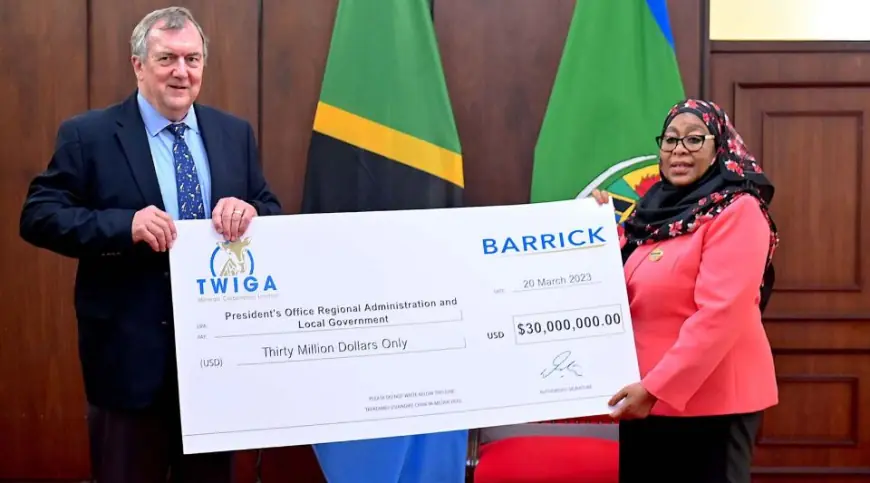
Revenue Growth and Fiscal Strength
The reforms introduced around 2019 have significantly improved government revenue from mining activities.
The introduction of structured markets and improved licensing systems has reduced smuggling and increased transparency.
Revenue growth has strengthened public finances, enabling increased investment in infrastructure, health services and education.
Officials note that mineral earnings are increasingly supporting long-term development goals.
The upward trajectory of state mining corporations also reflects the sector’s growth.
Financial records show strong increases in annual revenues, signalling improved efficiency and profitability within public institutions.
Towards Industrialisation
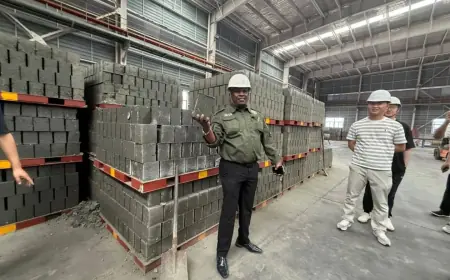
A defining feature of Tanzania’s mining reforms is the focus on value addition.
Authorities aim to ensure that minerals are processed domestically rather than exported in raw form.
Processing facilities generate employment opportunities and reduce reliance on external markets.
They also stimulate industrial development in sectors such as manufacturing, logistics and energy.
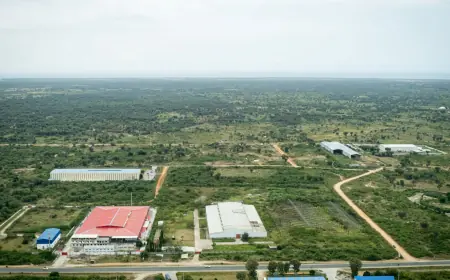
The construction of specialised processing plants, including facilities for ferroniobium and nickel refining, demonstrates the country’s ambition to integrate mining into broader industrial planning.
International Recognition and Future Outlook
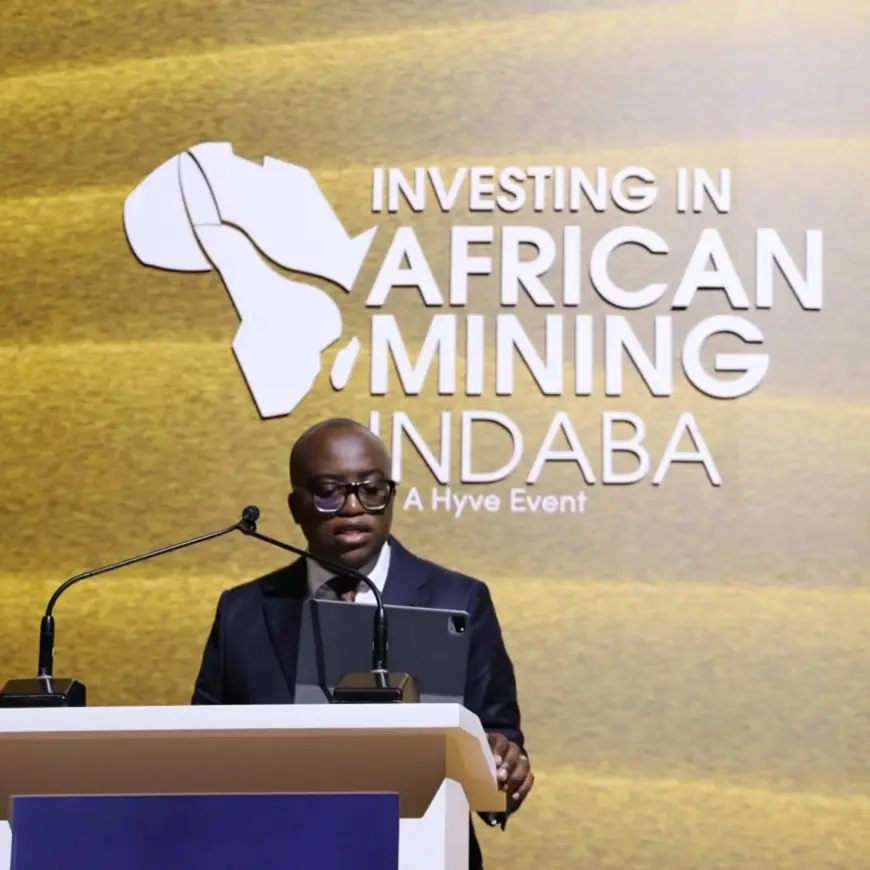
Tanzania’s steady improvement in global mining rankings underscores the progress achieved since the reforms.
Investors increasingly view the country as a stable and attractive destination for exploration capital.
Industry observers attribute this confidence to policy consistency, improved regulatory oversight and ongoing geological research.
Continued investment in infrastructure, particularly energy and transport networks, is expected to sustain growth in the sector.
As global demand for minerals intensifies, particularly those linked to renewable energy and technological innovation, Tanzania is positioning itself to play a significant role in global supply chains.
A Sector in Motion
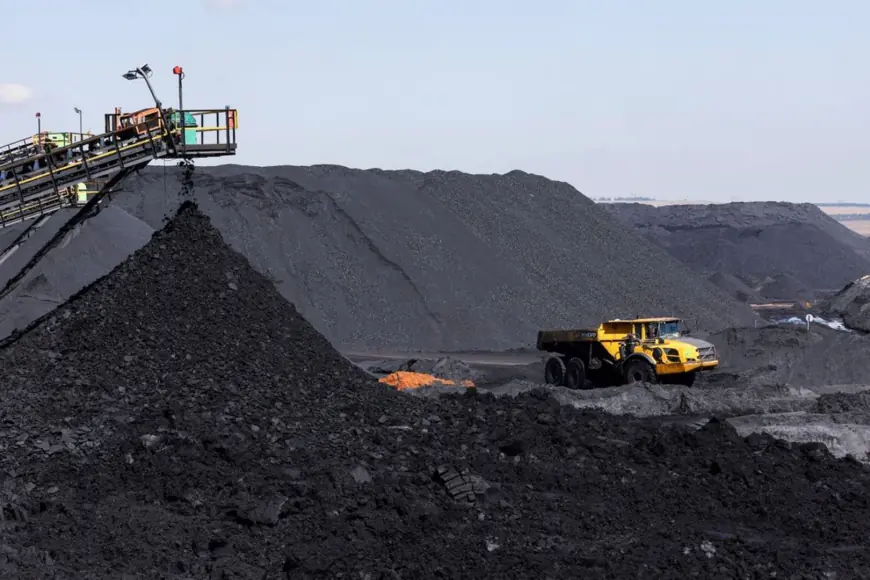
The mining sector now stands as one of Tanzania’s most dynamic economic pillars.
From formalised trading systems to large-scale international partnerships, the transformation is evident across the mineral value chain.
The reforms of the late 2010s laid the foundation.
The investments of the 2020s are delivering visible results.
And the emphasis on local participation ensures that the benefits extend beyond corporate balance sheets.
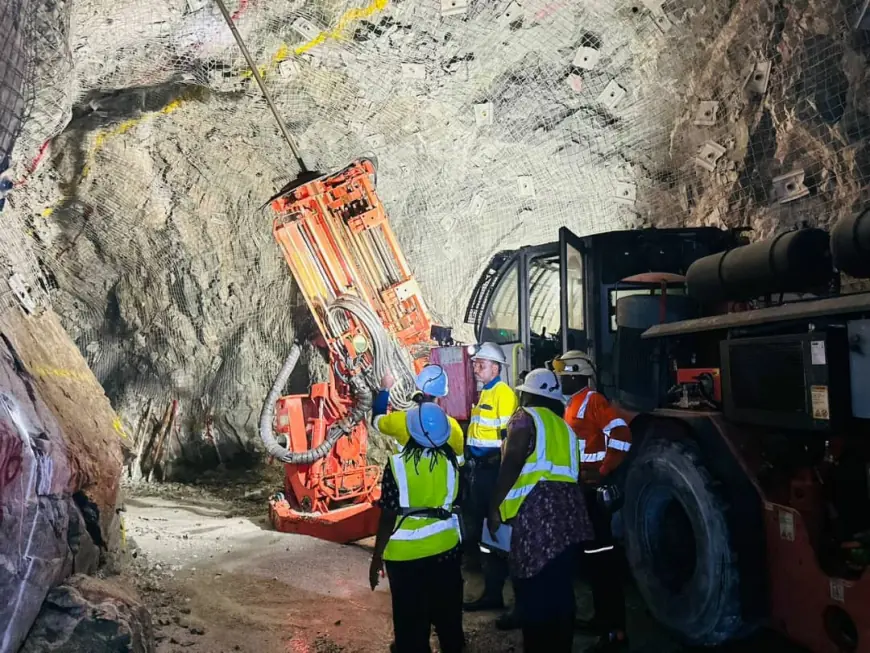
With vast geological resources, expanding infrastructure and sustained investor confidence, Tanzania’s mining industry appears set to continue its upward trajectory.
The sector’s evolution reflects a broader national ambition, to harness natural wealth in a manner that strengthens economic resilience and delivers lasting prosperity for future generations.
What's Your Reaction?
 Like
1
Like
1
 Dislike
0
Dislike
0
 Love
0
Love
0
 Funny
0
Funny
0
 Angry
0
Angry
0
 Sad
0
Sad
0
 Wow
2
Wow
2

Related Posts

-
 Jonathan KaruguruGreat work, keep it up!