




























































Tanzania secures enough fuel to last three months amid global energy crisis
The Permanent Secretary for Oil and Gas, Dr James Mataragio, noted that while the situation in the Middle East region is tense, the national stock is adequate

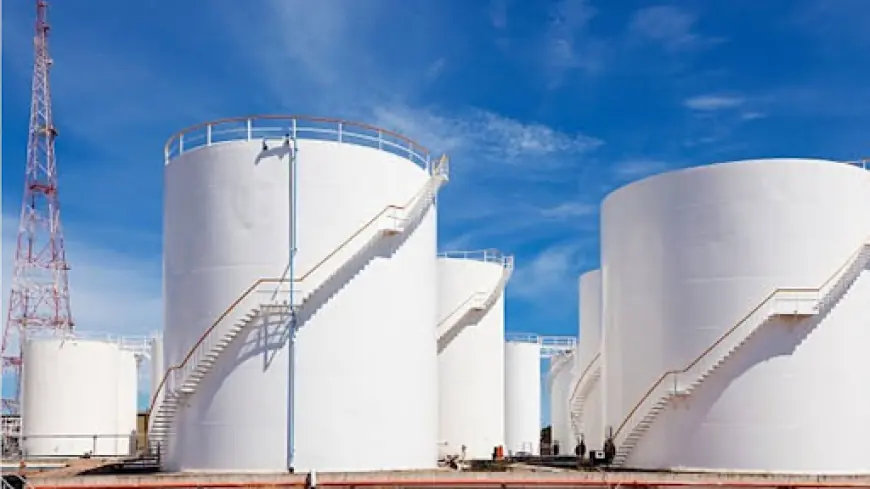
Dar es Salaam. Tanzania currently holds a total of 563,682,461 litres of petrol when combining physical stock, arriving shipments, and April contracts.
This substantial volume provides a guaranteed national supply for 91 days.
The ministry of Energy confirmed these figures as part of a strategic effort to maintain stability while the Iran crisis disrupts international markets.
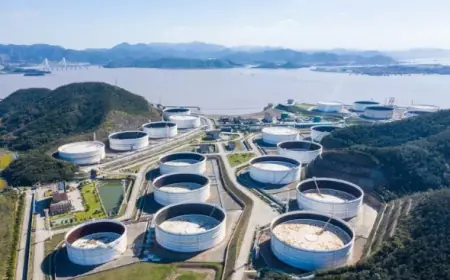
Specifically, 95,256,342 litres are presently held in storage tanks across the country.
A further 1,466,337 litres have recently reached the port to bolster these immediate reserves.
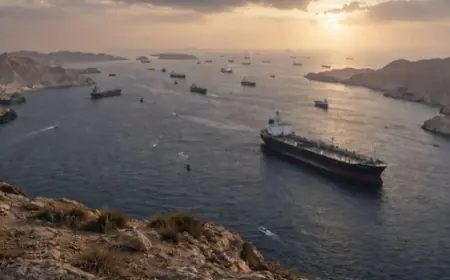
The government has also accounted for 138,737,332 litres currently in transit via maritime vessels navigating through volatile trade routes.
An additional 183,500,450 litres are secured under existing supply agreements scheduled for delivery.
These figures represent a critical buffer against the logistical delays seen in the Middle East.

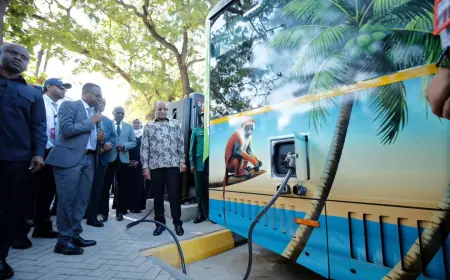
The Permanent Secretary for Oil and Gas, Dr James Mataragio, noted that while the situation in the Middle East region is tense, the national stock is adequate.
Diesel reserves are similarly fortified with a total of 530,621,505 litres available through current stocks and incoming shipments.
This volume is calculated to sustain the transport and industrial sectors for 64 days.
The inventory includes 55,744,397 litres in tanks and 122,893,285 litres that have arrived in the country.
Furthermore, 184,662,480 litres are on ships currently at sea, with 167,321,343 litres confirmed in pending contracts.
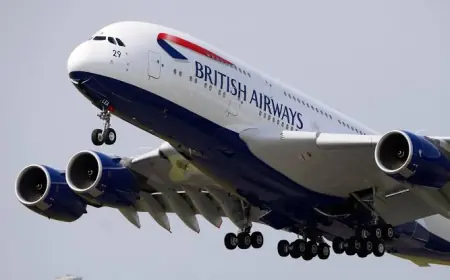
Aviation fuel stocks are the most resilient, with 59,020,753 litres ensuring 97 days of operation for the airline industry.
This total comprises 35,241,028 litres in storage and 23,779,725 litres under contract.
Despite the security of these volumes, the government warns that the Iran crisis will likely force domestic price increases.
Rising costs on the world market and increased shipping insurance are expected to impact the final price at the pump.
The crisis in Iran remains a primary driver of global energy uncertainty, particularly regarding the safety of tankers in the Strait of Hormuz.
Any escalation in the Middle East directly affects the cost of importing refined products to East African ports.

Tanzania is monitoring these developments closely to ensure that the 91-day petrol buffer remains intact.
The ministry of Energy continues to coordinate with suppliers to manage the transition into the next quarter.
What's Your Reaction?
 Like
0
Like
0
 Dislike
0
Dislike
0
 Love
0
Love
0
 Funny
0
Funny
0
 Angry
0
Angry
0
 Sad
0
Sad
0
 Wow
0
Wow
0