










































































Single Payment Window to Anchor Tanzania’s next wave of business reforms
The digital system is intended to replace the fragmented payment arrangements currently used by many institutions and will enable businesses to meet their obligations through a single interface

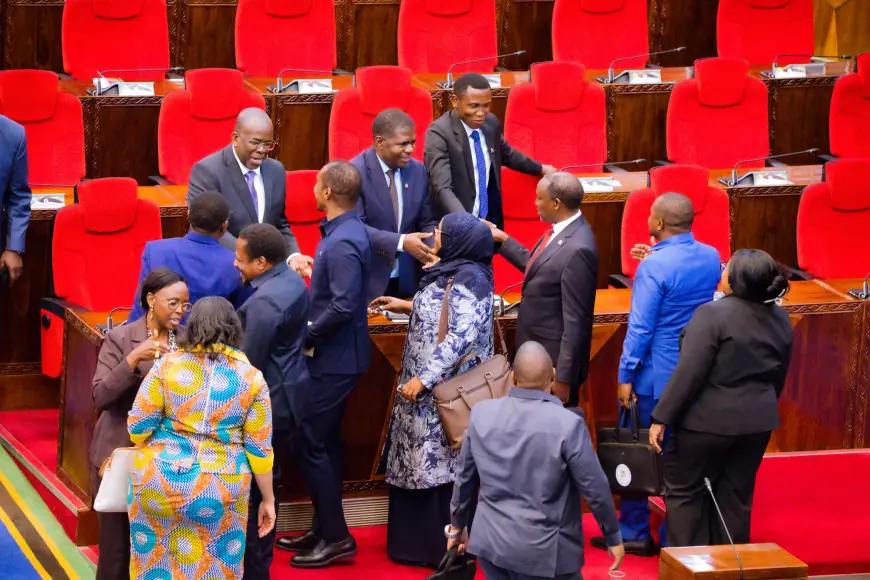
Dodoma. Tanzania has unveiled a fresh package of regulatory reforms aimed at lowering the cost of doing business, reducing bureaucratic hurdles and strengthening investor confidence, as the government prepares to roll out the Second Blueprint for Regulatory Reforms to Improve the Business Environment.
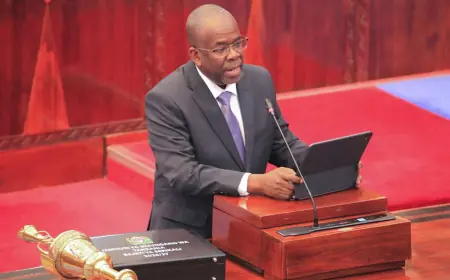
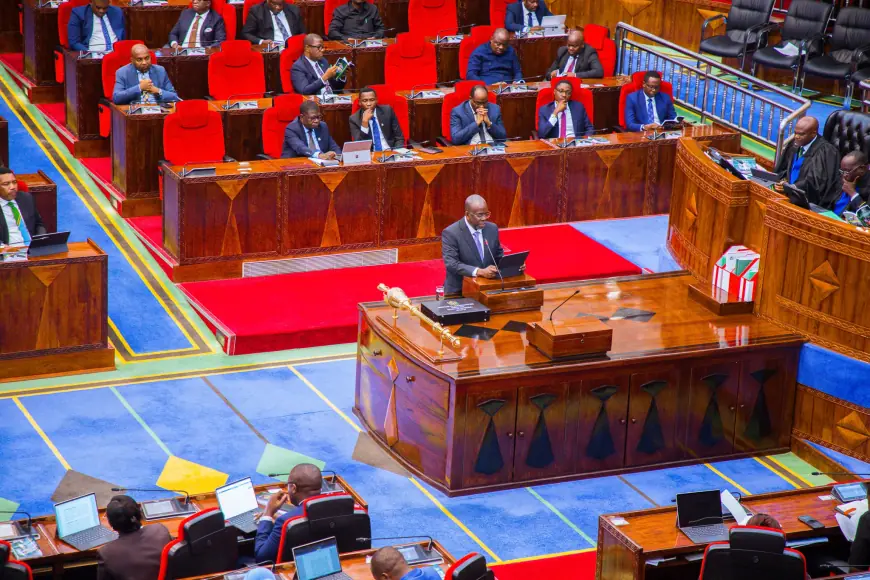
Presenting the Sh62.33 trillion national budget for the 2026/27 financial year in Parliament on Thursday, June 11, Finance Minister Ambassador Khamis Mussa Omar said the reforms would build on gains already achieved under the first phase of the government's business environment improvement programme.
The minister said the government had made significant progress in implementing the First Blueprint for Regulatory Reforms to Improve the Business Environment, a wide-ranging initiative that involved the review of 55 laws and regulations and led to the abolition or reduction of 374 fees, levies and charges that had long been cited by businesses as impediments to growth.
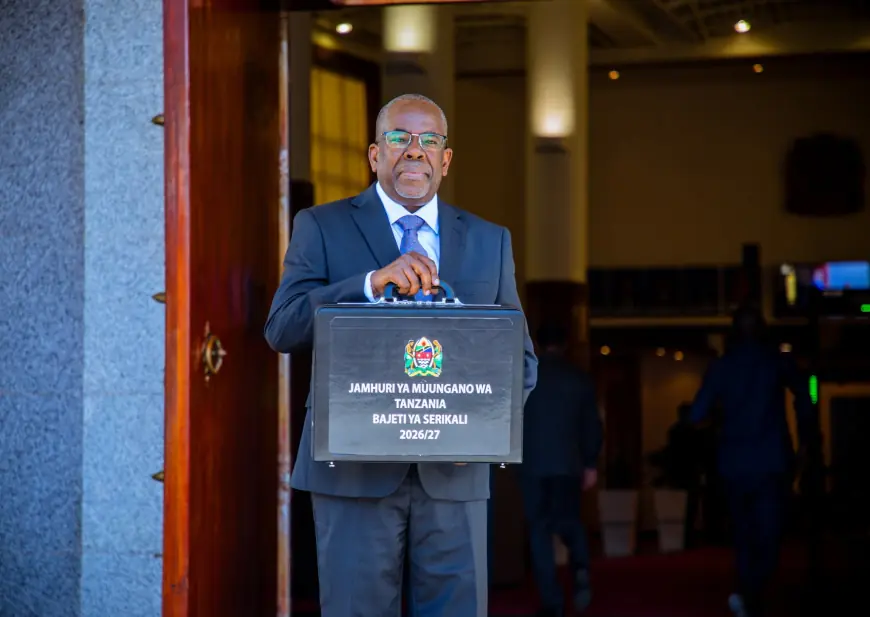
"The government has continued implementing the First Blueprint for Regulatory Reforms to Improve the Business Environment, including reviewing 55 laws and abolishing or reducing 374 fees and charges in order to improve the investment climate and lower the cost of doing business," Mr Omar told Parliament.
The reforms have been a cornerstone of Tanzania's efforts to create a more predictable and competitive investment environment after years of complaints from the private sector over multiple licences, overlapping mandates among regulators and high compliance costs.
The original blueprint, first introduced in 2018, identified regulatory duplication, cumbersome procedures and excessive fees as major obstacles to enterprise growth and investment.
According to the minister, the impact of the reforms is increasingly reflected in the country's investment performance. Foreign direct investment inflows reached approximately $21.7 billion in 2024, up from $14.1 billion in 2018, underscoring growing investor confidence in Tanzania's economic prospects.
With the first phase nearing completion, attention is now shifting to the Second Blueprint for Regulatory Reforms to Improve the Business Environment, which Mr Omar said is in its final stages of preparation.
"The government will continue with implementation of the Second Blueprint for Regulatory Reforms to Improve the Business Environment, which focuses on harmonising fees and charges imposed by various institutions and regulatory authorities," he said.
He explained that the forthcoming phase seeks to address one of the most persistent concerns raised by businesses: the proliferation of charges collected by multiple institutions operating within the same sectors.
The new blueprint is expected to deepen reforms introduced under the first phase by targeting remaining regulatory bottlenecks that continue to increase operating costs for businesses despite earlier progress.
For many enterprises, particularly manufacturers, transport operators and service providers, compliance obligations often involve dealing with numerous regulators, each imposing separate fees, inspections and reporting requirements.
Business groups have frequently argued that such duplication not only raises costs but also creates uncertainty and diverts management time away from productive activities.
Single window
Acknowledging these concerns, Mr Omar told Parliament that the government is introducing structural measures designed to modernise interactions between businesses and regulatory authorities.
"The government is establishing a Single Window Payment System that will consolidate payments for fees, charges and penalties imposed by regulatory authorities into one platform," he said.
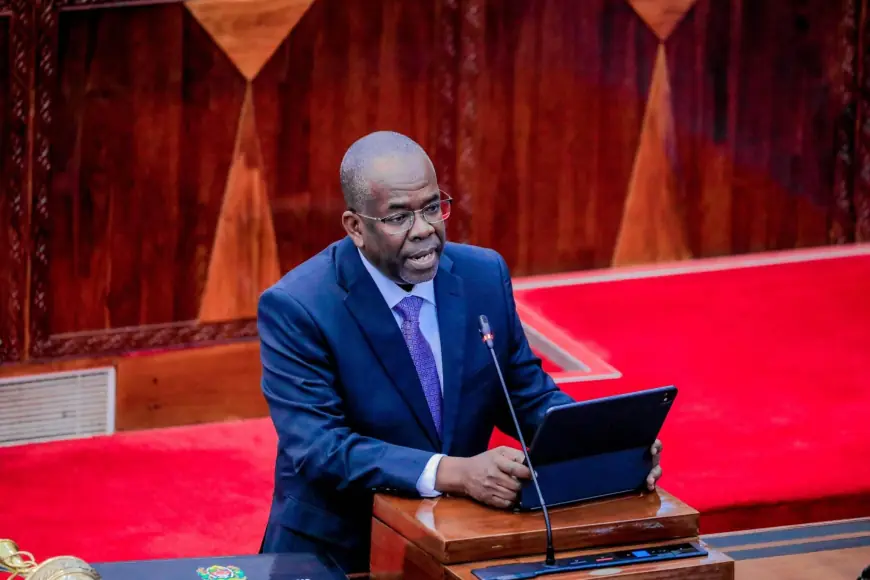
The digital system is intended to replace the fragmented payment arrangements currently used by many institutions and will enable businesses to meet their obligations through a single interface.
Officials believe the initiative will reduce administrative costs, improve transparency and make compliance more predictable for investors and entrepreneurs.
The minister further announced reforms to the way regulatory inspections are conducted, saying the government would introduce a coordinated inspection framework to minimise disruption to business operations.
"Regulatory authorities will be required to undertake inspections in a coordinated manner that avoids unnecessary inconvenience to businesses while maintaining effective oversight and enforcement of laws and regulations," he said.
The move seeks to address longstanding complaints from the private sector regarding multiple inspections by different agencies, often conducted independently and within short intervals, resulting in operational disruptions and additional costs.
The broader reform agenda forms part of the government's strategy to strengthen private sector-led growth, improve competitiveness and position Tanzania as a preferred investment destination in East Africa.
Recent assessments of the business reform programme have shown notable progress, including streamlined licensing procedures, expanded use of digital systems, establishment of one-stop service centres and greater coordination among regulators.
However, reports have also highlighted continuing challenges related to overlapping institutional mandates, inspection practices and fee structures, issues that the second blueprint is expected to address.
As Tanzania pursues its ambition of attracting larger volumes of domestic and foreign investment, the success of the next phase of reforms will likely be measured by how effectively it reduces regulatory complexity and translates policy commitments into tangible improvements for businesses operating across the country.
The latest measures unveiled in the 2026/27 budget signal the government's determination to continue dismantling bureaucratic obstacles and creating a more efficient regulatory framework capable of supporting sustained economic expansion, industrialisation and job creation.
What's Your Reaction?
 Like
0
Like
0
 Dislike
0
Dislike
0
 Love
0
Love
0
 Funny
0
Funny
0
 Angry
0
Angry
0
 Sad
0
Sad
0
 Wow
0
Wow
0