





















































Tanzania takes steps to discourage cash payments in the economy
The policy shift is supported by enhanced payment systems and greater readiness for digital transactions across sectors

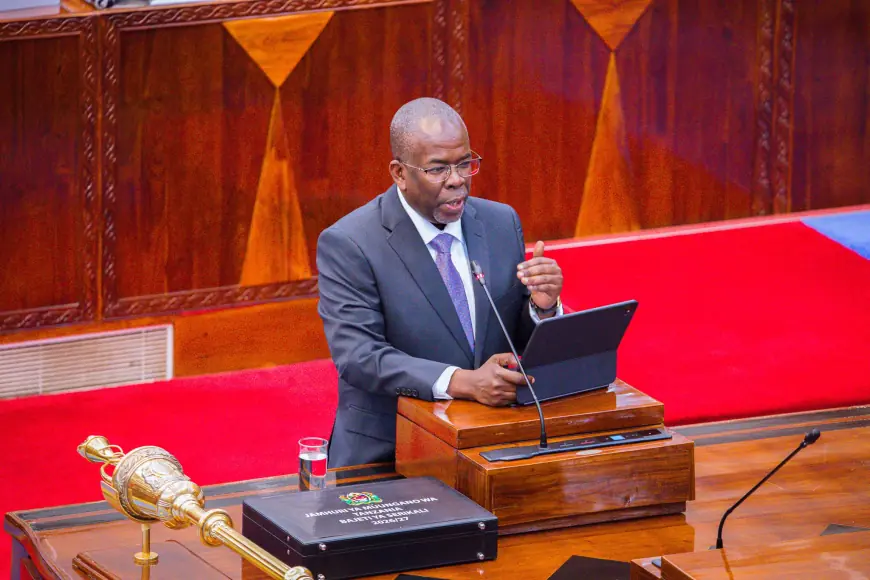
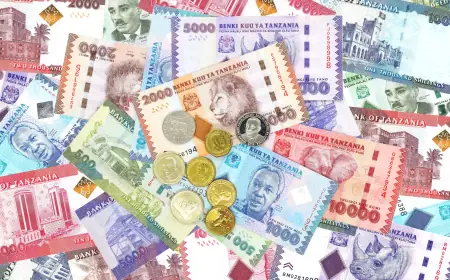
Dodoma. The government has unveiled an expanded drive to reduce cash-based transactions across key sectors of the economy, outlining sweeping measures intended to improve efficiency, strengthen revenue collection, and curb financial crimes, including money laundering and the high costs associated with cash handling.
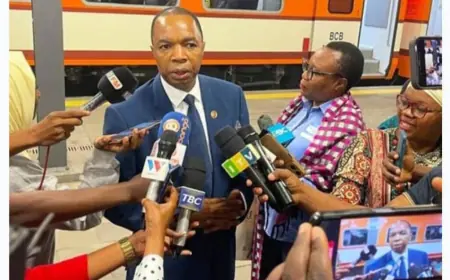
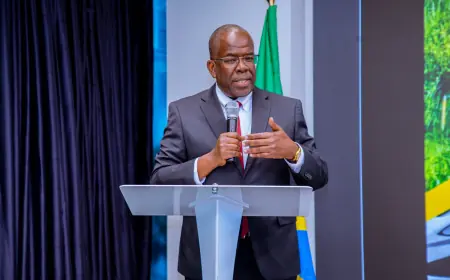
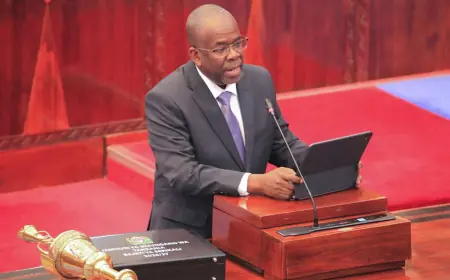
Presenting the Sh62.3 trillion national budget for the 2026/27 financial year in Parliament on June 11, 2026, the Minister for Finance, Amb Khamis Mussa Omar, said the reforms build on recent improvements in the country’s digital payment infrastructure and reflect growing public adoption of electronic financial services.
He said the policy shift is supported by enhanced payment systems and greater readiness for digital transactions across sectors.
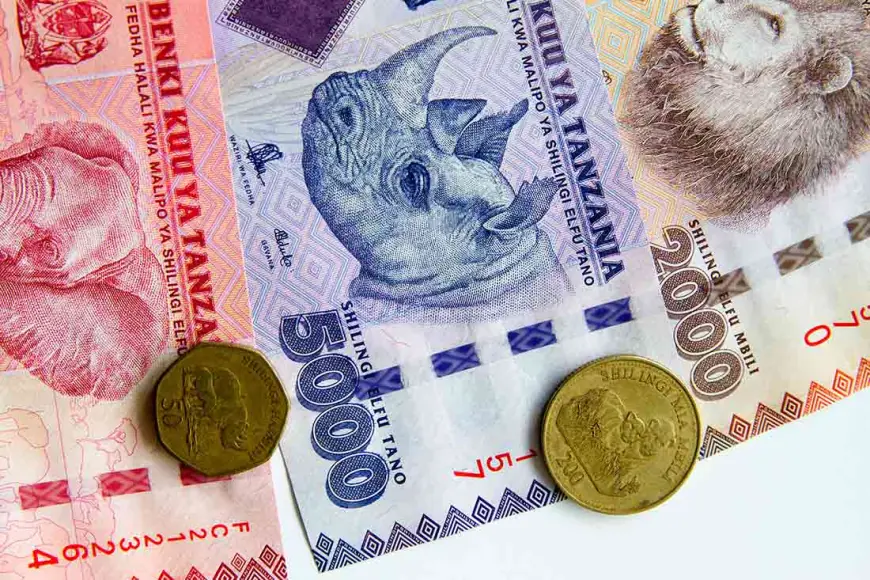
“Therefore, from 2026/27, I propose all payments in the following areas be made through digital means Fees, levies, and fares related to Bus Rapid Transit, ferries, bridges, long-distance bus services, online taxi services, parking facilities, air and railway transport, Transactions in shopping malls, Gymnasium,” he said.
Other payments where cash will not be accepted include cinema theatres, filling stations, motor vehicle sales and purchases, conference and event venues, sports arenas, as well as international trade exhibitions such as Sabasaba Trade Fair and Nanenane Agricultural Exhibition. The policy also covers all education-related payments, from pre-primary to university level.
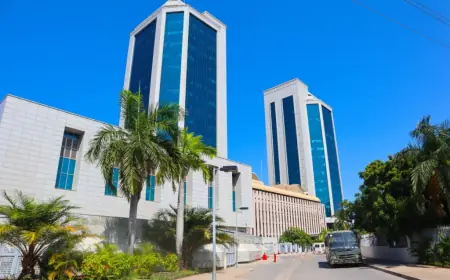
The Finance Minister said the measures are anchored in significant improvements to the national digital payments infrastructure implemented in the 2025/26 financial year.
He noted that the government, through the Bank of Tanzania, upgraded the Tanzania Instant Payment System (TIPS), expanding services to include Government payments through banks and mobile networks, as well as QR code-based merchant transactions. The system has also been enhanced to support international money transfers.
These improvements have contributed to increased use of digital financial services, with transactions processed through the system rising sharply. In 2025, the system recorded 651 million transactions valued at Sh54.95 trillion, compared to 453 million transactions worth Sh29.82 trillion in 2024.
In line with these interventions, the Government also intends to introduce the Patriotism Award through the Electronic Fiscal Device Management System (EFDMS), to be launched in July 2026. The initiative aims to encourage citizens to request and issue electronic fiscal receipts in all eligible transactions.
The award will operate through a lottery system in which participants stand a chance to win prizes based on issuance and demand of official receipts.
The government also reaffirmed the importance of the private sector in driving economic growth, job creation and development projects. Through the First Blueprint for Regulatory Reforms to Improve Business Environment, 55 laws have been reviewed, resulting in the reduction or abolition of 374 fees and levies.
According to the government, these reforms have reduced the cost of doing business, improved the investment climate, and increased business registration and investment activity nationwide.
What's Your Reaction?
 Like
0
Like
0
 Dislike
0
Dislike
0
 Love
0
Love
0
 Funny
0
Funny
0
 Angry
0
Angry
0
 Sad
0
Sad
0
 Wow
0
Wow
0