































Tanzania, Russia target doubled trade volumes by 2030
Both heads of state committed to institutional mechanisms designed to double this volume by 2030, leveraging state-backed initiatives to benefit private enterprise

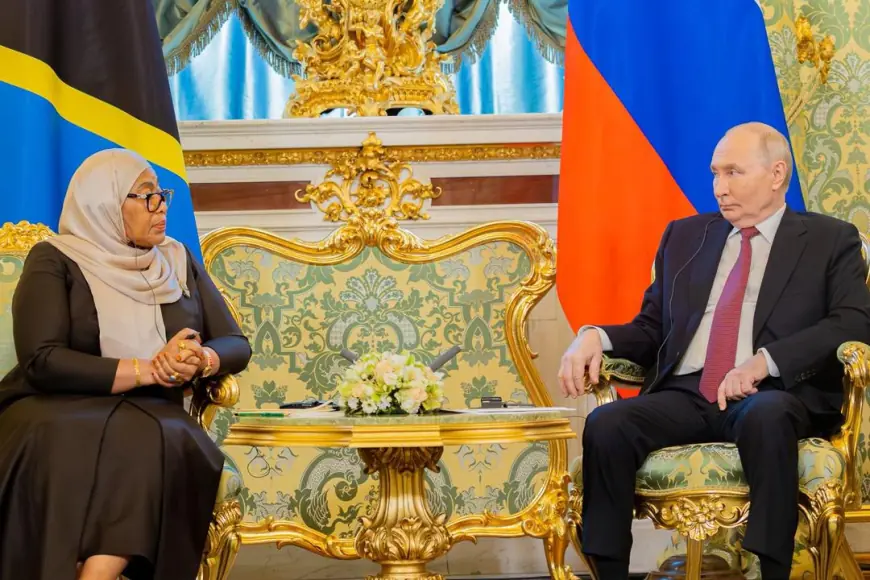
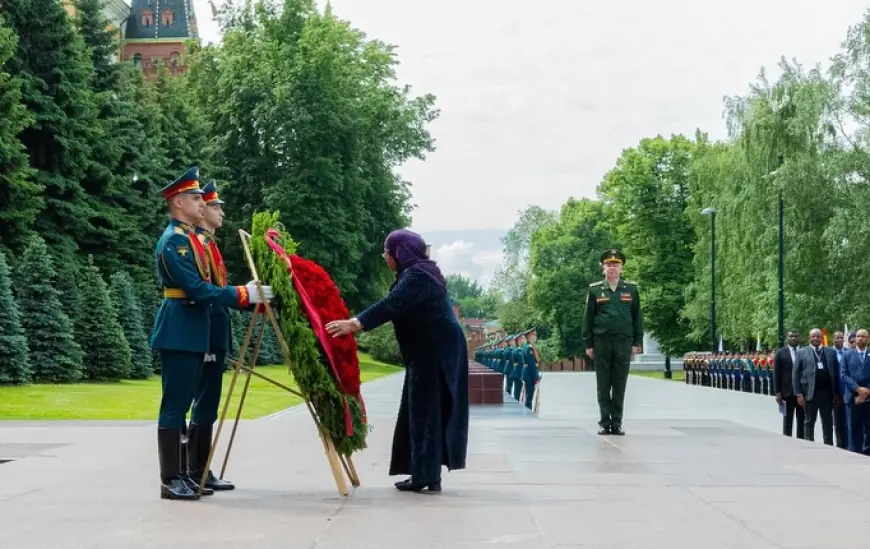
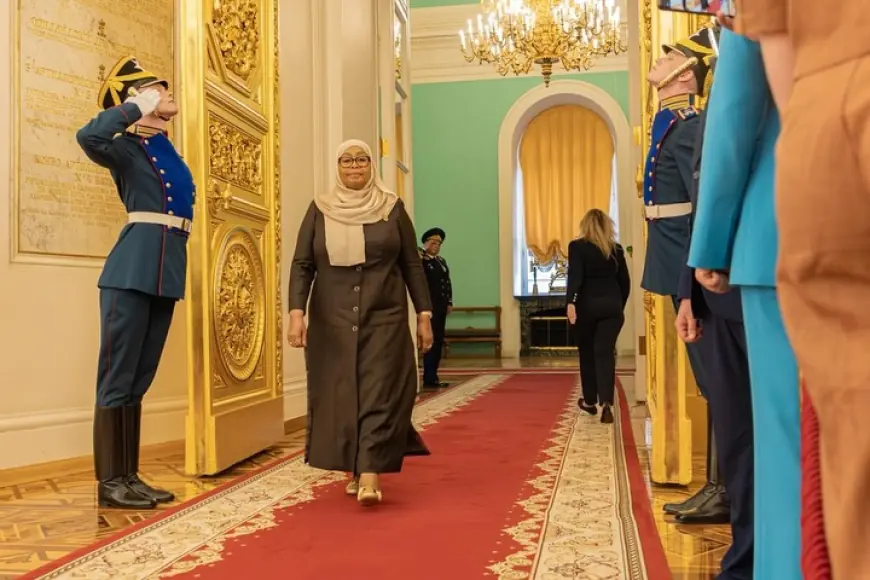
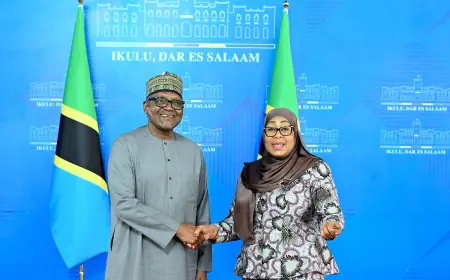
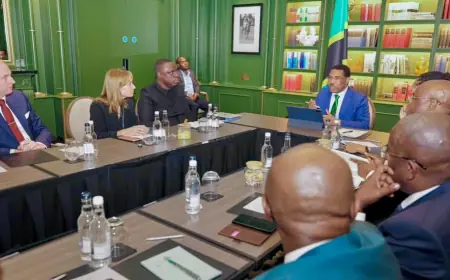
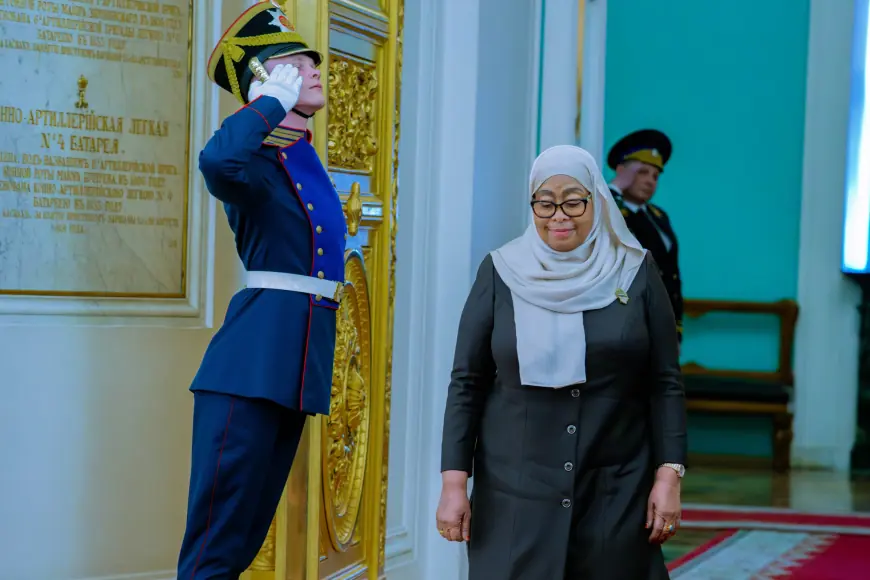
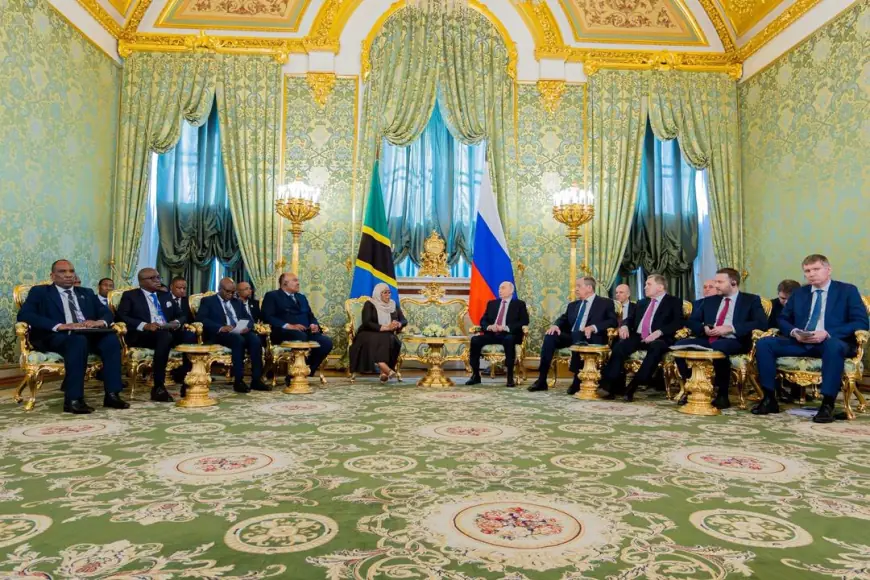
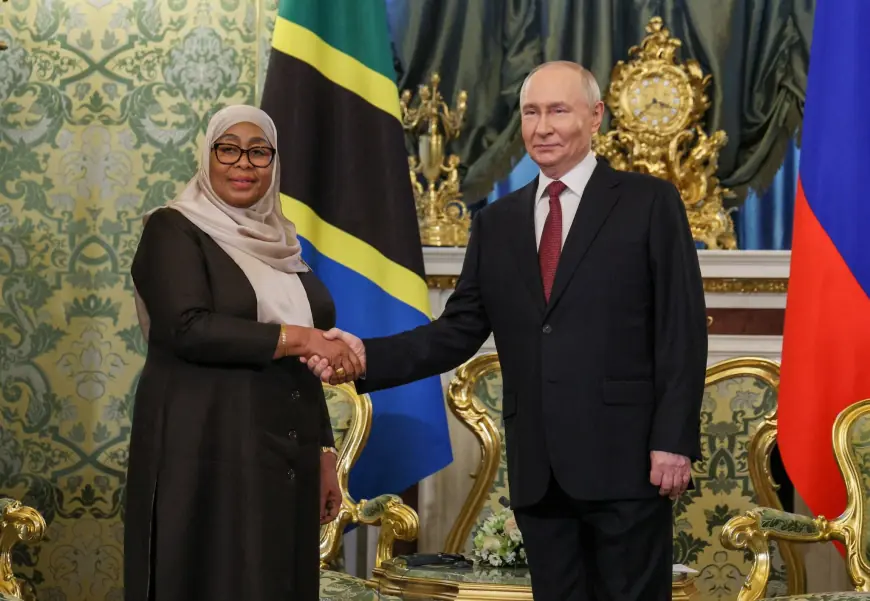
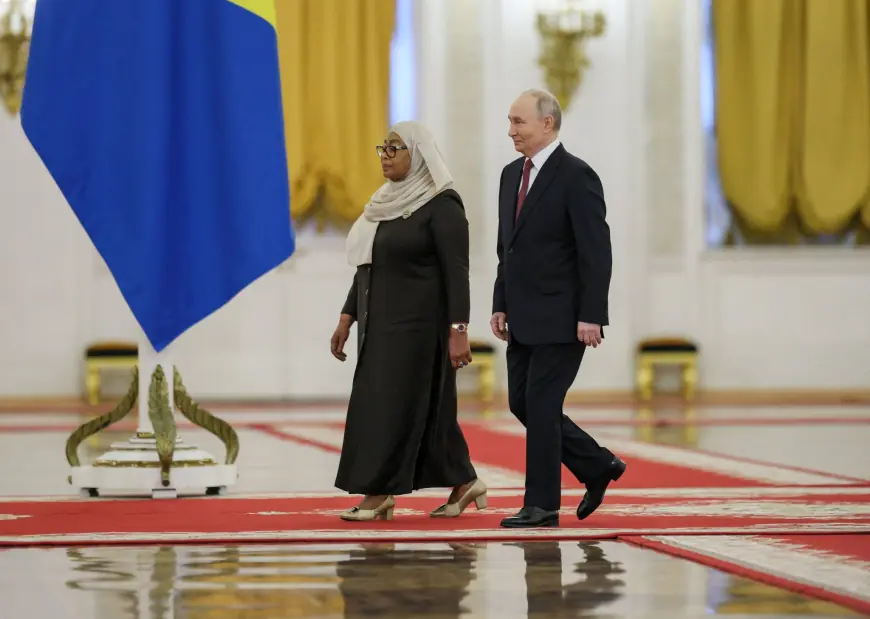
Moscow. President Samia Suluhu Hassan and her Russian counterpart Vladimir Putin convened in the Kremlin for high-level bilateral talks on Wednesday June 3, 2026 aimed at forging a deeper strategic and economic alliance between the two countries.
The bilateral talks serve as a significant diplomatic milestone, marking a modern re-alignment of East African foreign policy and a mutual desire to expand trade, industrial cooperation, and transport logistics amidst changing global dynamics.
Trade, tourism, and direct aviation links
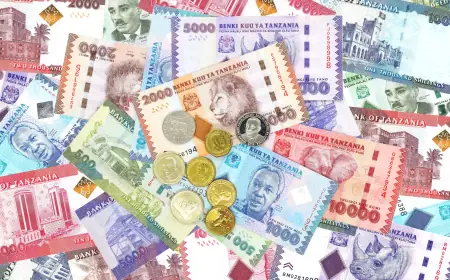
A central objective of the executive discussions was the elevation of bilateral trade, which currently hovers around $307.5 million annually.
Both heads of state committed to institutional mechanisms designed to double this volume by 2030, leveraging state-backed initiatives to benefit private enterprise.
For Tanzania, the engagement aligns with preparations for its National Development Vision 2050, a blueprint focusing on infrastructure modernisation and technological transfer.
President Samia highlighted the importance of securing stable market access for Tanzanian cash crops while attracting foreign direct investment into energy and transport.
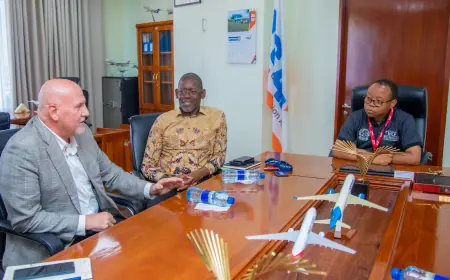
To resolve logistical bottlenecks, the leaders finalised arrangements for Air Tanzania to launch direct, non-stop flights connecting Dar es Salaam and Zanzibar with Moscow by the end of 2026.
This direct air corridor is expected to accelerate Russian tourist arrivals, providing a vital injection of foreign exchange into the hospitality sectors of both the mainland and the Zanzibar archipelago, where Russia remains a primary source market.
Industrial expansion and energy infrastructure
The bilateral framework extended into long-term structural cooperation regarding heavy industry and resource development.
The Kremlin talks advanced frameworks for Russian capital and technical expertise to be injected into Tanzanian port infrastructure, positioning the country as a primary maritime gateway for landlocked nations across Southern and East Africa.
Energy security featured prominently on the executive agenda.
Technical experts from both nations are finalising roadmaps for collaborative ventures in natural gas exploitation and civil nuclear energy technology.
These energy initiatives operate in tandem with expanded agricultural trade pacts, ensuring a steady flow of Tanzanian agricultural outputs to Russian markets in exchange for essential industrial inputs, most notably chemical fertilisers.
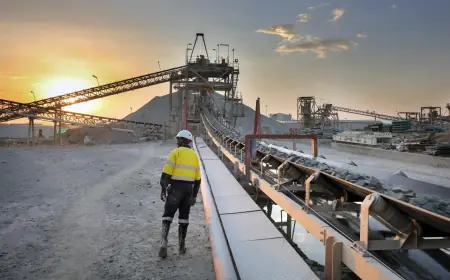
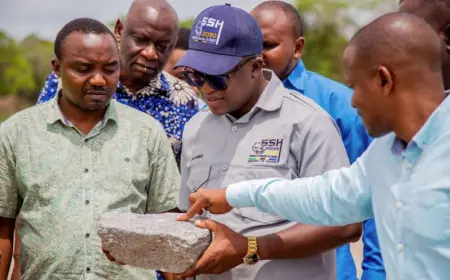
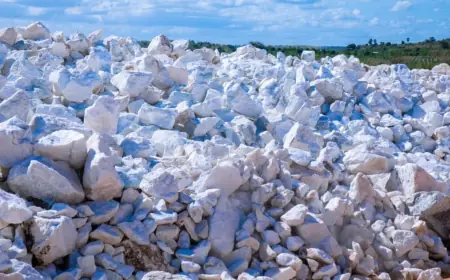
The two leaders also reviewed long-standing, dormant projects, including a planned uranium mining venture that has remained on the drawing board for over a decade.
Russian investment groups expressed renewed interest in accelerating the extraction timeline, leveraging Moscow’s engineering capacities to unlock Tanzania's mineral wealth.
Geopolitical strategy and policy of non-alignment
The timing of these bilateral talks has drawn close analysis from international observers, occurring during a period of acute strain between Dodoma and traditional Western partners.
Following domestic political friction, Western diplomats and international rights organisations have mounted severe criticism against the Tanzanian government, leading to financial counter-measures, including the freezing of 156 million euros in development funding by the European Union.
In contrast, Moscow was among the first to offer formal congratulations to President Samia following her recent electoral victory, with President Putin affirming support for her administration's socioeconomic course.
For the Tanzanian administration, Moscow offers an alternative source of investment and diplomatic engagement free from the governance conditionalities typically imposed by Western institutions.
Conversely, for a Russian administration seeking to expand its influence across the global south, cementing ties with a stable East African partner yields clear diplomatic dividends within multilateral forums such as the United Nations.
Tanzanian officials have framed the talks through the lens of economic pragmatism rather than ideological alignment.
Representatives from the Ministry of Foreign Affairs emphasised that Tanzania continues to adhere strictly to its traditional foreign policy of neutrality, seeking constructive economic partnerships globally while remaining insulated from contemporary geopolitical rivalries.
What's Your Reaction?
 Like
0
Like
0
 Dislike
0
Dislike
0
 Love
0
Love
0
 Funny
0
Funny
0
 Angry
0
Angry
0
 Sad
0
Sad
0
 Wow
0
Wow
0