





















































Market relief, oil plummets as Trump announces two-week Iran ceasefire
This move has ignited a relief rally across international bourses. Investors are hopeful that the agreement will lead to a resumption of energy flows through the Strait of Hormuz

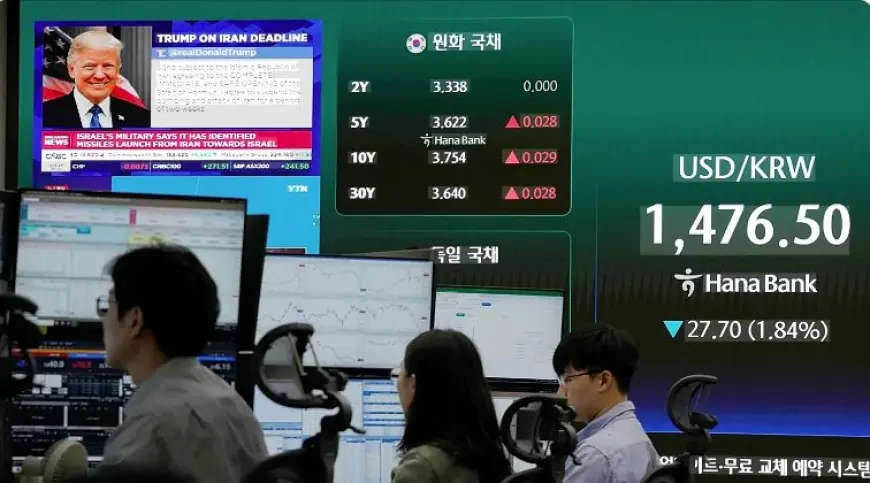
London. Global financial markets experienced a significant reprieve on Wednesday, April 8, 2026, as oil prices tumbled and equities soared following a breakthrough diplomatic development.
According to Reuters, US President Donald Trump announced a two-week ceasefire with Iran shortly before a critical deadline.
This move has ignited a relief rally across international bourses. Investors are hopeful that the agreement will lead to a resumption of energy flows through the Strait of Hormuz.
The announcement came less than two hours before a scheduled escalation.
The US had previously threatened strikes on Iranian infrastructure if the waterway remained closed.
Reuters reported that Iran agreed to cease counter-attacks and ensure safe passage for vessels provided that attacks against its territory stopped.
This de-escalation follows a month-long conflict that has severely disrupted global shipping and energy security.
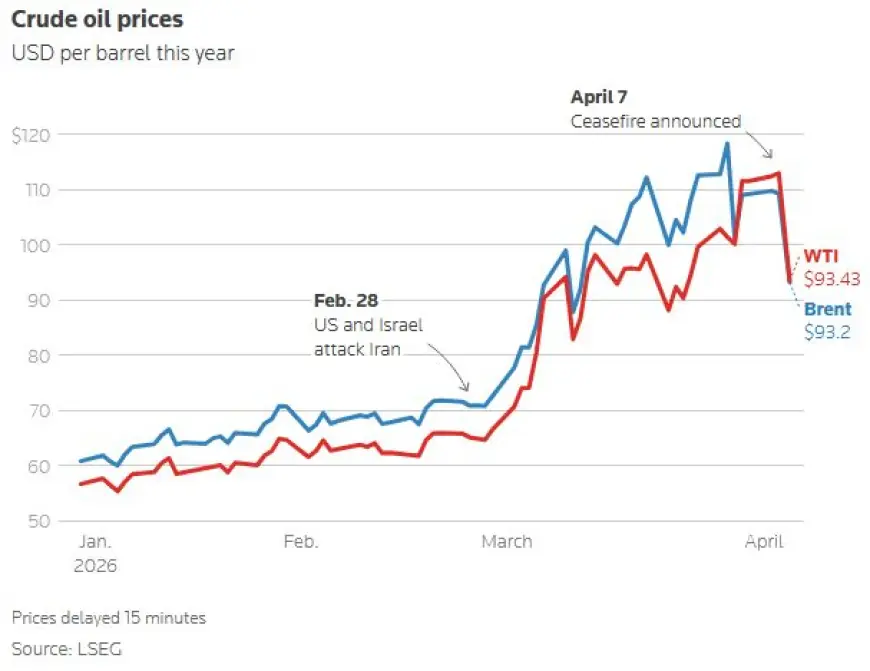
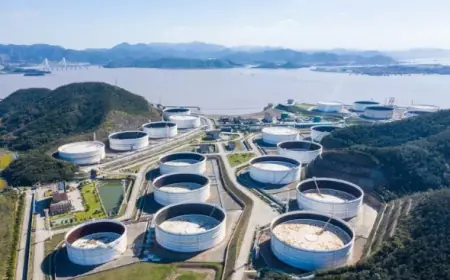
Brent oil futures plummeted by 13.7 percent to $94.29 per barrel. Simultaneously, US crude futures dropped 16 percent to settle at $94.93.
Despite this sharp decline, prices remain substantially higher than levels recorded before the outbreak of hostilities.
Analysts noted that the damage already inflicted on Middle Eastern energy infrastructure may keep prices structurally elevated for the foreseeable future.
Equity markets responded with immediate optimism. European stocks rose by 4% while Wall Street futures indicated gains between 2.7 percent and 3.5 percent.
This surge followed a strong performance across Asian markets earlier in the day.
The US dollar retreated from its recent highs as investors moved away from haven assets. The dollar index eased to 98.842 against a basket of major currencies.
Some market participants have characterised the move as the 'TACO trade', an acronym for 'Trump Always Chickens Out'.
This refers to the President's history of high-stakes brinkmanship followed by sudden policy reversals.
Nabil Milali, a portfolio manager at Edmond de Rothschild, told Reuters that the President likely calculated that further escalation would backfire.
He described the move as a unilateral decision driven by limited strategic options. Fixed-income markets saw a dramatic shift as bond yields fell.
The yield on the benchmark US 10-year Treasury note dropped to 4.2438 percent.
This represents its lowest level since mid-March. Traders are once again weighing the possibility of interest rate cuts from the Federal Reserve later this year.
In Europe, government bond yields also declined sharply. Market participants have scaled back bets on future rate hikes from the European Central Bank.
The sustainability of this rally remains a subject of intense debate. Rohan Khanna, head of euro rates strategy at Barclays, told Reuters that the evolution of oil would determine if this rally continues.
He noted that while the immediate pressure on the ECB to hike rates in April has diminished, the situation remains fluid.
Many investors are hesitant to place major long-term bets until a more permanent peace is established.
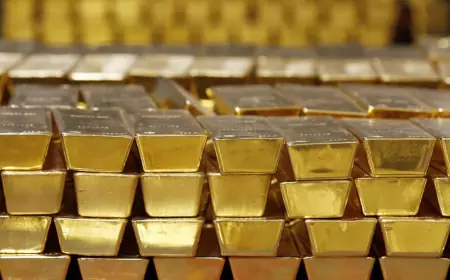
Gold prices continued to climb, rising 1.7 percent to $4,783 per ounce. This suggests that some caution still lingers despite the positive headlines.
Martin Whetton, head of financial markets strategy at Westpac, told Reuters that people are not yet ready to take significant new risks.
He emphasised that a lasting peace is required to fundamentally change market sentiment. For now, the two-week window provides a much-needed period of stability for the global economy.
[
What's Your Reaction?
 Like
0
Like
0
 Dislike
0
Dislike
0
 Love
0
Love
0
 Funny
0
Funny
0
 Angry
0
Angry
0
 Sad
0
Sad
0
 Wow
0
Wow
0