























































Njombe discovery strengthens Tanzania’s standing in global critical minerals race
The government says the discovery could transform Njombe into one of the country’s newest mining investment hubs as demand for critical minerals accelerates worldwide amid the transition towards green energy and advanced technologies

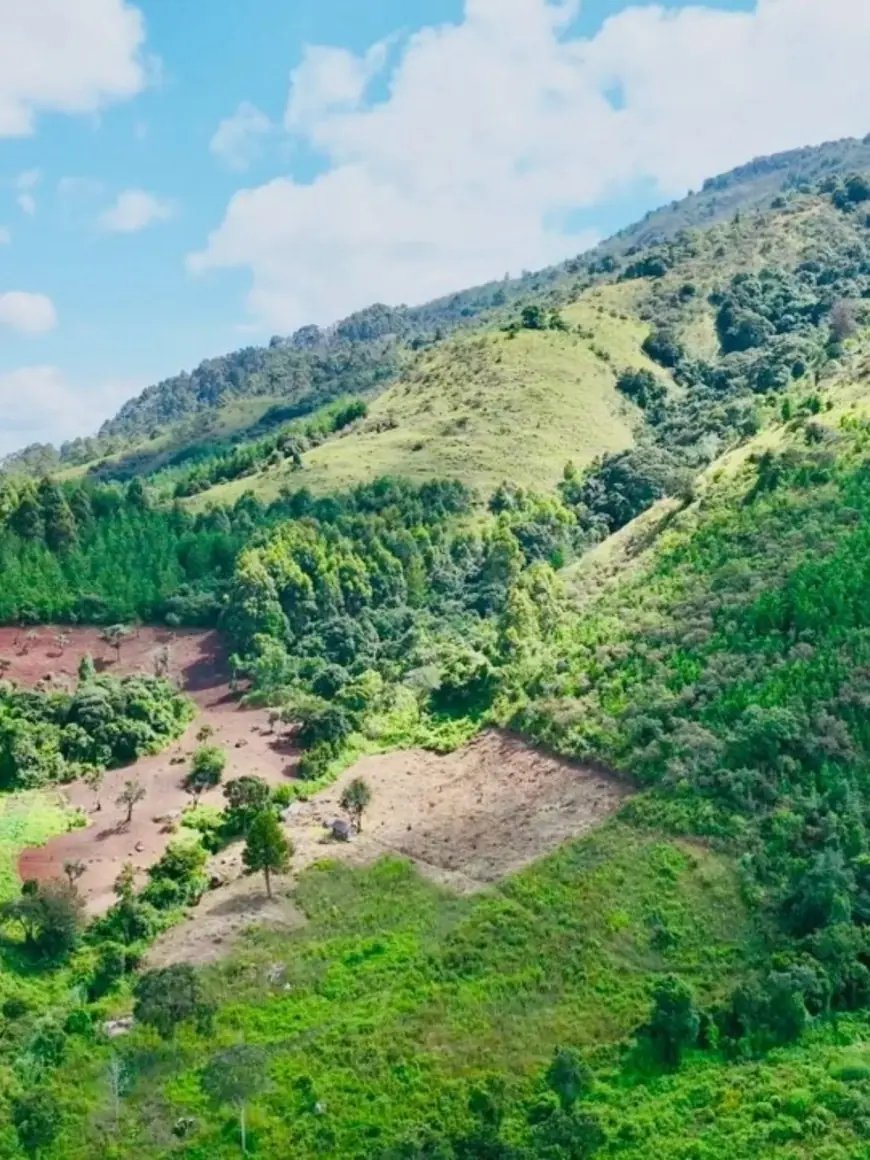
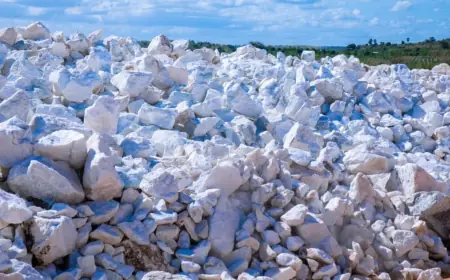
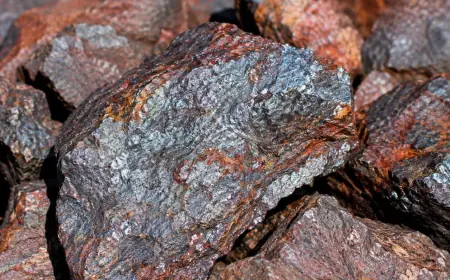
Njombe. Tanzania is positioning itself as an emerging player in the global rare earth minerals industry following the discovery of commercially significant deposits of Neodymium (Nd) and Praseodymium (Pr) in Njombe Region.
The government says the discovery could transform Njombe into one of the country’s newest mining investment hubs as demand for critical minerals accelerates worldwide amid the transition towards green energy and advanced technologies.
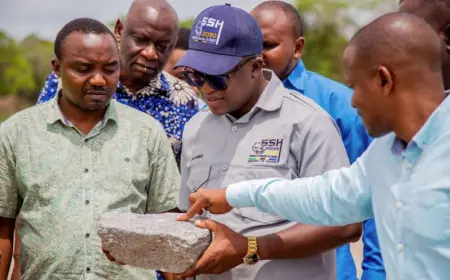
Speaking at Mkiu Village in Ludewa District on May 20, 2025 Njombe Resident Mining Officer Mr Lucas Mlekwa said exploration activities are being conducted by Hongji Mining Co. Ltd in partnership with local stakeholders.
He said China is expected to become the primary export market due to the rapid expansion of its industrial and technology sectors, which rely heavily on rare earth materials.
Mr Mlekwa said Neodymium and Praseodymium are among the most sought-after rare earth elements globally because of their role in manufacturing high-strength permanent magnets used in electric vehicles, wind turbines, defence systems and consumer electronics.
“These resources are opening a new chapter of economic development for Njombe and Tanzania as a whole through their contribution to the global green technology revolution,” he said.

The company has completed the first phase of exploration and is now undertaking detailed second-phase geological assessments before commercial production begins across a 280-square-kilometre concession area.
More than Sh1 billion has already been paid in compensation to residents relocated to pave the way for the project, while the Environmental Impact Assessment (EIA) is in its final stages ahead of mining operations.
The development places Tanzania more firmly within the global race for critical minerals, a sector increasingly viewed as strategically important by major economies seeking secure supply chains for clean energy technologies.
Rare earth elements comprise a group of 17 minerals valued for their magnetic, conductive and luminescent properties.
Among them, Neodymium and Praseodymium, collectively known in the industry as NdPr, are particularly critical because they are used in the production of powerful magnets required in electric vehicle drivetrains and renewable energy infrastructure.
Globally, China dominates the rare earth industry.
The country controls a large share of worldwide extraction capacity and the overwhelming majority of refining and processing operations.
Although several countries are seeking to diversify supply sources, China remains the leading destination for unprocessed rare earth concentrates due to its advanced industrial ecosystem.
Analysts say Tanzania’s growing rare earth sector could strengthen the country’s strategic importance within global clean-energy supply chains, particularly as demand for electric vehicles and renewable energy equipment continues to rise.
The Njombe discovery also adds to Tanzania’s expanding portfolio of critical minerals projects.
The country already hosts the internationally recognised Ngualla Rare Earth Project in Songwe Region, regarded as one of the world’s largest undeveloped Neodymium-Praseodymium deposits outside China.
Industry experts believe East Africa is increasingly attracting international attention as governments and mining companies search for alternative sources of rare earth minerals beyond traditional suppliers.
Speaking about the operational model for the Njombe project, Hongji Mining Co. Ltd Director Yahya Mohamed said the company plans to use In Situ Leaching (ISL) technology, a method considered less disruptive to the environment than conventional open-pit or underground mining.
The technology involves injecting a chemical solution into underground ore deposits to dissolve minerals, which are then pumped to the surface for processing.
Mr Mohamed said the approach reduces large-scale excavation, minimises landscape disturbance and supports environmentally sustainable extraction if properly managed.
“We want local communities to become part of the project’s success through employment opportunities, business participation and increased economic activity,” he said.
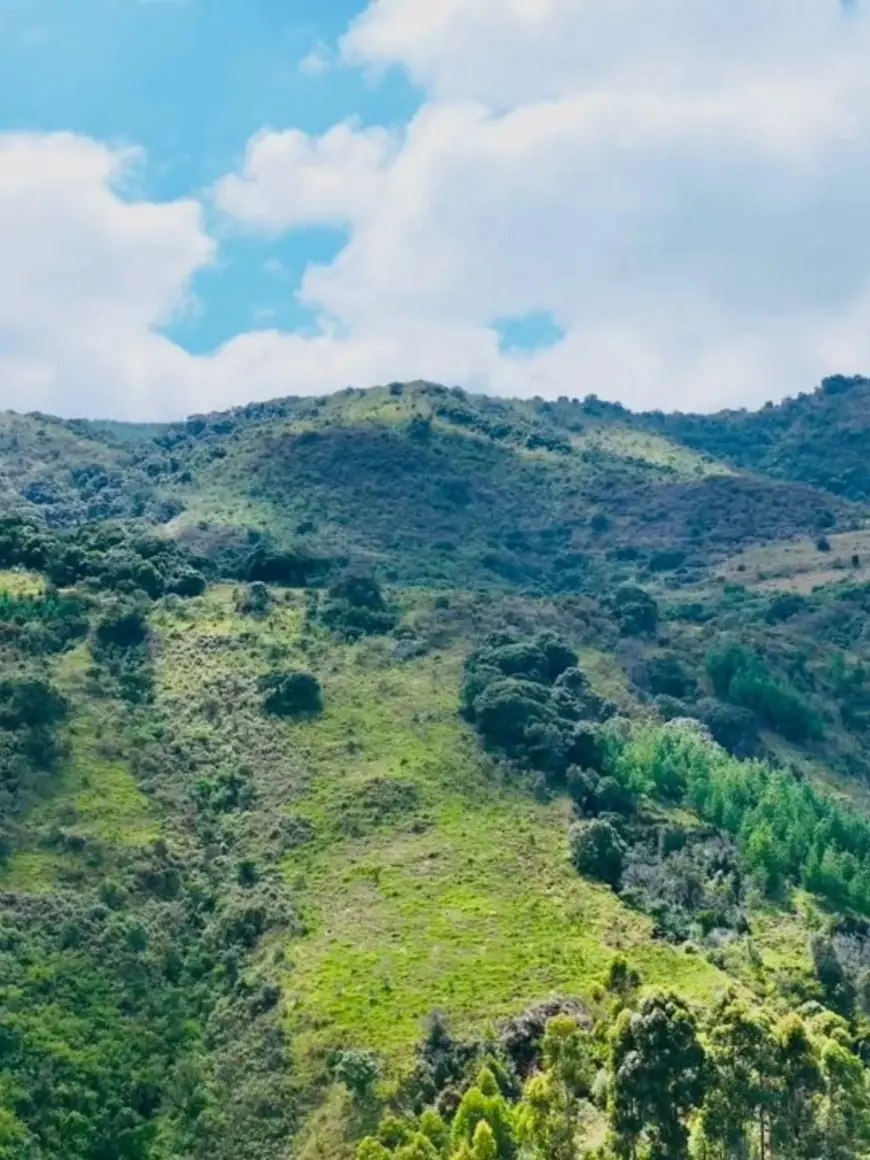
Mining remains one of Tanzania’s fastest-growing sectors, with the government continuing efforts to attract investment into strategic minerals considered essential for the future global economy.
What's Your Reaction?
 Like
0
Like
0
 Dislike
0
Dislike
0
 Love
0
Love
0
 Funny
0
Funny
0
 Angry
0
Angry
0
 Sad
0
Sad
0
 Wow
0
Wow
0