












































EAC trade grows as member states pledge to remove barriers at 25th MSMEs fair
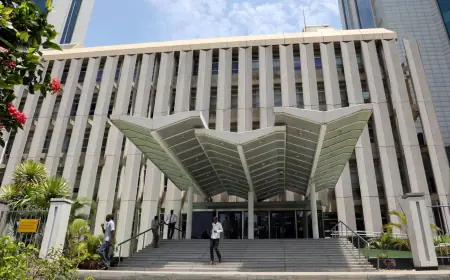
According to data shared during the opening of the 25th EAC Micro, Small and Medium Enterprises Trade Fair in Nairobi, intra-EAC trade rose from $14.2 billion in June 2024 to $18 billion by June 2025

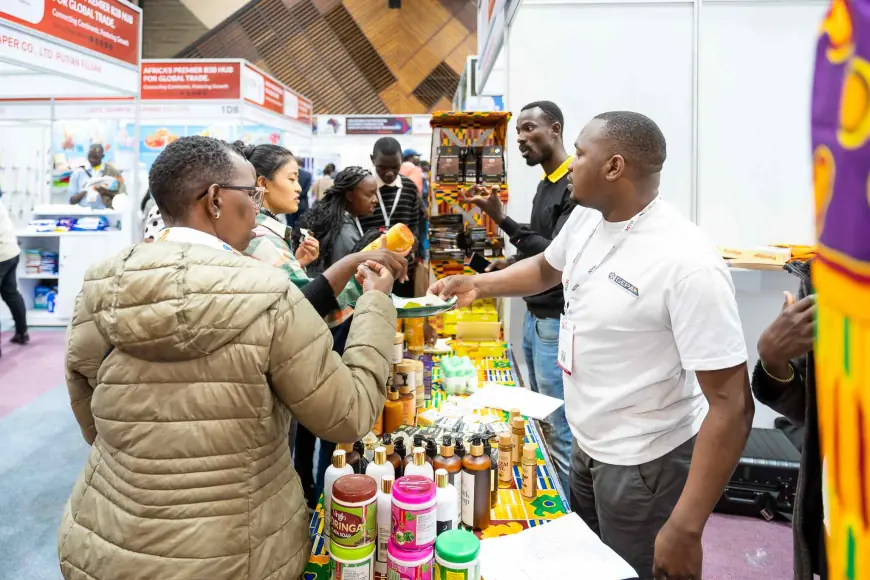
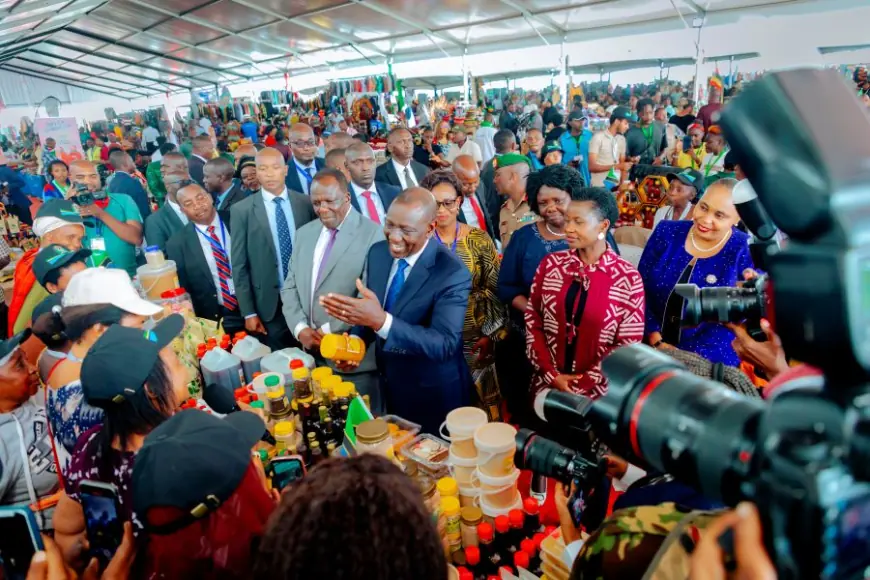
Arusha. East Africans are trading more with each other than ever before, with intra-regional trade surging by 27 percent over the past year, underscoring renewed momentum in regional integration and the East African Community’s (EAC) collective drive toward a single market.
According to data shared during the opening of the 25th EAC Micro, Small and Medium Enterprises (MSMEs) Trade Fair in Nairobi, intra-EAC trade rose from $14.2 billion in June 2024 to $18 billion by June 2025.
Meanwhile, the bloc’s total trade with the rest of the world also increased by 22 percent, from $115.4 billion to $140.8 billion, reflecting a more dynamic and outward-looking regional economy.
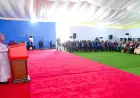
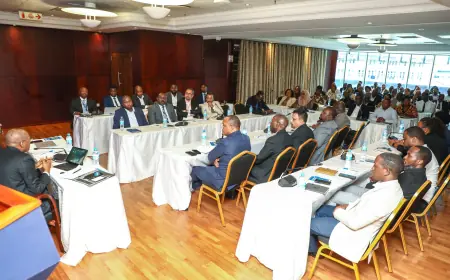
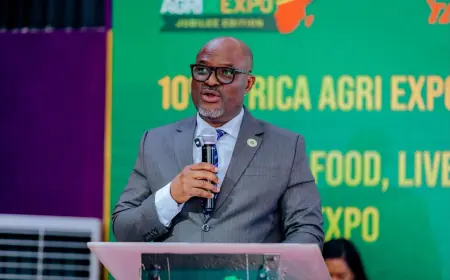
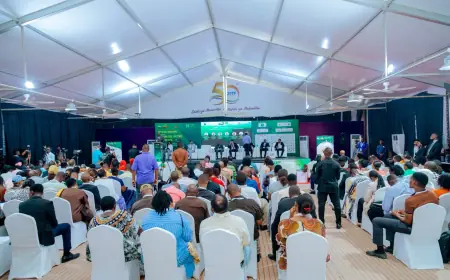
The fair, officially inaugurated by Kenya’s President and EAC Summit Chair, Dr William Ruto, at Uhuru Gardens, brought together entrepreneurs, innovators, and policymakers from across the region under the theme 25 Years of EAC Integration: Advancing Innovation and Regional Value Chains for Competitive MSMEs towards Sustainable Development.
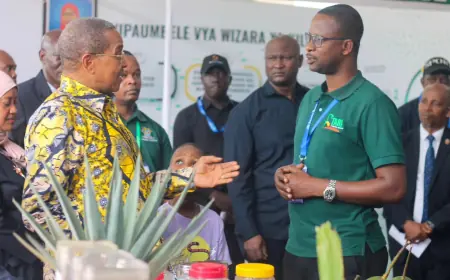
The 10-day event, which runs from November 7 to 16, 2025, has drawn over 3,000 exhibitors from all eight EAC partner states, Burundi, the Democratic Republic of Congo, Kenya, Rwanda, Somalia, South Sudan, Tanzania, and Uganda.
It is organised by the EAC Secretariat in collaboration with the Confederation of Micro and Small Enterprises Organisation–East Africa (CMSEO–EA) and partner states.
President Ruto noted that the remarkable growth in intra-regional trade demonstrates the resilience and maturity of the East African market, yet persistent non-tariff barriers (NTBs) continue to hinder its full potential.
He said the bloc’s heads of state were committed to resolving these bottlenecks ahead of the next EAC Summit, scheduled for early December 2025.
“The conversations shaping this year’s Trade Fair are action-oriented, focusing on digital transformation, affordable finance, expanded markets, and green enterprise,” he said.
“East Africans are demonstrating an unmatched spirit of innovation and enterprise that must now be supported by harmonised policies and efficient trade systems.”
Over the years, the EAC has made significant strides in trade facilitation through reforms aimed at easing the movement of goods and services across borders.
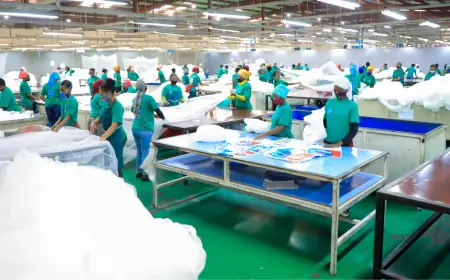
The implementation of the Single Customs Territory, the operationalisation of One Stop Border Posts (OSBPs), and the removal of several NTBs have contributed to reducing transport costs and delays.
However, challenges such as duplicative standards, border inefficiencies, and limited access to trade finance continue to constrain MSME competitiveness.
Kenya’s Cabinet Secretary for Cooperatives and MSMEs Development, Mr Wycliffe Oparanya, called for enhanced access to affordable financing mechanisms to empower small businesses to scale up production and participate in regional and continental value chains.
“MSMEs must be enabled to adopt technology, embrace e-commerce, and embed sustainability in their business models,” he said, noting that their growth is central to achieving the goals of the EAC Common Market and the African Continental Free Trade Area (AfCFTA).
EAC Deputy Secretary General for Customs, Trade and Monetary Affairs, Ms Annette Ssemuwemba Mutaawe, echoed this view, urging partner states to strengthen local production and deepen regional value chains.
She observed that the region still imports 64 percent of its manufactured goods, mainly from Asia, while manufactured exports account for less than 30 percent of total exports.
“By supporting MSMEs, we can transform our export base from raw commodities to high-value manufactured products, creating jobs and reducing the trade deficit,” she said.
The EAC Secretariat has rolled out several initiatives to support MSME development.
These include reviewing the EAC Rules of Origin to promote industrialisation, operationalising the EAC Payment and Settlement System to enable local currency transactions, and enhancing digital connectivity through interoperable trade systems. Capacity-building programmes targeting women and youth entrepreneurs are also being expanded to boost participation in cross-border trade.
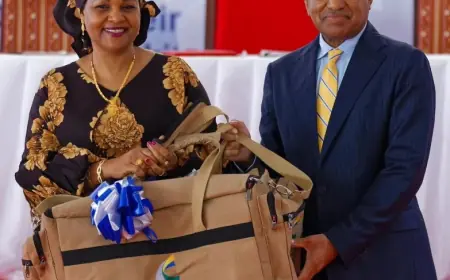
This year’s trade fair also celebrated the achievements of women entrepreneurs through the EAC Women in Trade Champions Initiative, which honoured 16 trailblazing women for their leadership in advancing intra-EAC trade.
Additionally, 18 enterprises were recognised through the Regional Quality Awards for their innovation and excellence in product development.
The Women in Trade Champions Initiative is a partnership between the EAC Secretariat, the East African Business Council (EABC), and the East African Women in Business Platform (EAWiBP), supported by GIZ–LIFTED, a programme co-financed by the European Union to promote women’s participation in regional economic integration.
The annual MSMEs Trade Fair, also known as Jua Kali Nguvu Kazi, has grown into one of the EAC’s flagship events, serving as a launchpad for regional innovators and small-scale producers.
Over its 25-year journey, it has evolved from a modest exhibition into a continental platform for advancing industrialisation, innovation, and inclusive growth across East Africa.
What's Your Reaction?
 Like
0
Like
0
 Dislike
0
Dislike
0
 Love
0
Love
0
 Funny
0
Funny
0
 Angry
0
Angry
0
 Sad
0
Sad
0
 Wow
0
Wow
0