





































































Global bond and currency markets rattled by Iran war shock
Investors and traders say the turbulence has spread across major asset classes. These include US Treasuries, currencies, gold and oil

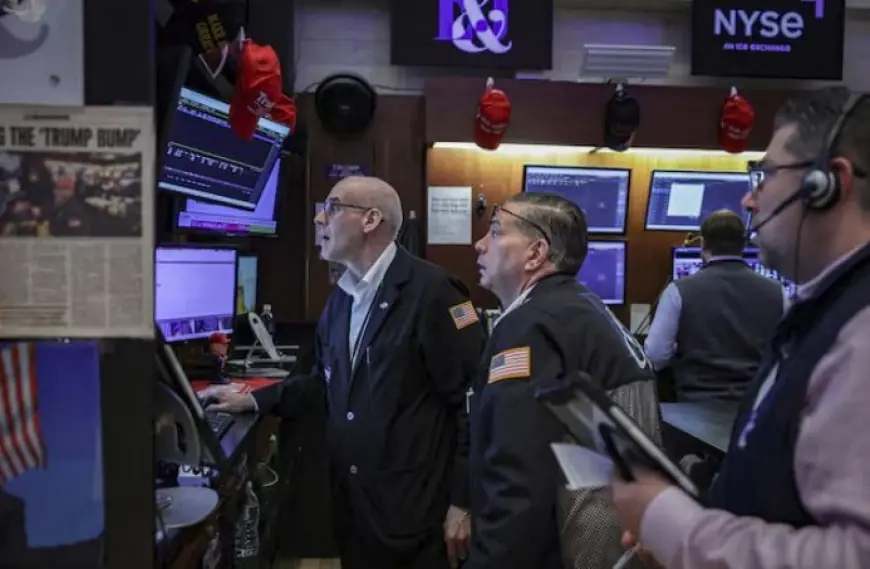
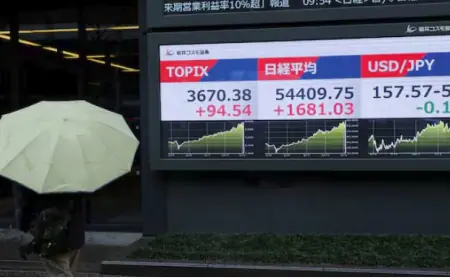
London/New York/Singapore. Global financial markets are facing mounting strain as the war in Iran fuels sharp volatility and disrupts trading conditions, according to a report by Reuters.
Investors and traders say the turbulence has spread across major asset classes. These include US Treasuries, currencies, gold and oil.
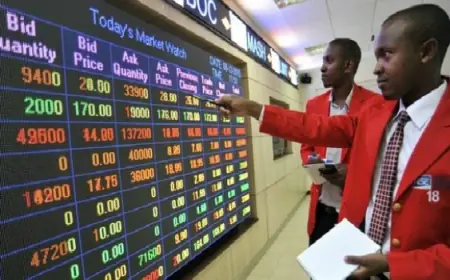
Market participants are becoming increasingly cautious. Many are unwilling to take on risk.
This shift has made trading slower and more expensive. Investors report difficulty in obtaining firm prices.
Executing large transactions has also become more challenging. Market makers are reducing exposure to avoid losses from rapid price swings.
Rajeev De Mello, chief investment officer at GAMA Asset Management, said transactions now take longer. He noted that trades are being split into smaller sizes.
This reflects widening gaps between buying and selling prices.
Volatility indicators have surged. Levels now resemble those seen during past crises, including the Covid-19 pandemic and tariff shocks under Donald Trump.
Analysts warn that the current episode may deepen if the conflict persists.
Signs of stress are visible even in government bond markets. These are typically among the most liquid in global finance.
Data from Morgan Stanley shows that bid-ask spreads on two-year US Treasuries widened sharply in March. This suggests dealers are demanding higher compensation for risk.
In Europe, disruptions have been particularly severe in short-term interest rate futures. Liquidity at one stage fell to a fraction of normal levels.
Traders rapidly adjusted expectations for central bank rate increases.
Regulators are also raising concerns. Authorities, including the Bank of England, warn that geopolitical tensions could drive higher energy prices.
This may fuel inflation and weaken economic growth.
Hedge funds have played a notable role in recent market moves. They now account for a significant share of bond trading in Britain and the euro zone.
During the recent turmoil, many funds unwound similar positions at the same time. This amplified price swings and reduced liquidity.
Losses were reported on bets related to interest rate cuts and bond yield spreads.
As positions were closed, dealers widened spreads further. This increased trading costs for investors.
Despite the disruption, overall trading volumes remain high.
Analysts suggest that many transactions are forced. These include unwinding positions or meeting margin calls rather than new investments.
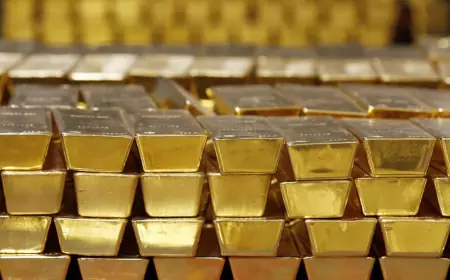
In some markets, activity has thinned considerably. In gold trading, market makers have at times withdrawn entirely.
This reflects a reluctance to take on risk amid unpredictable conditions.
Market participants say the priority has shifted from profit to preservation.
Dealers and investors alike are focusing on limiting losses. As a result, liquidity remains fragile.
According to Reuters, the outlook will depend heavily on the trajectory of the Iran conflict.
A prolonged war could deepen market stress and trigger a broader correction across global assets.
What's Your Reaction?
 Like
0
Like
0
 Dislike
0
Dislike
0
 Love
0
Love
0
 Funny
0
Funny
0
 Angry
0
Angry
0
 Sad
0
Sad
0
 Wow
0
Wow
0