




































































Dollar strengthens as Iran conflict uncertainty unsettles currencies and global markets
Among major currencies, sterling declined 0.51 percent to $1.3387 after gaining strongly in the previous session, while the euro slipped 0.27 percent to $1.1585, reversing earlier gains, according to Reuters

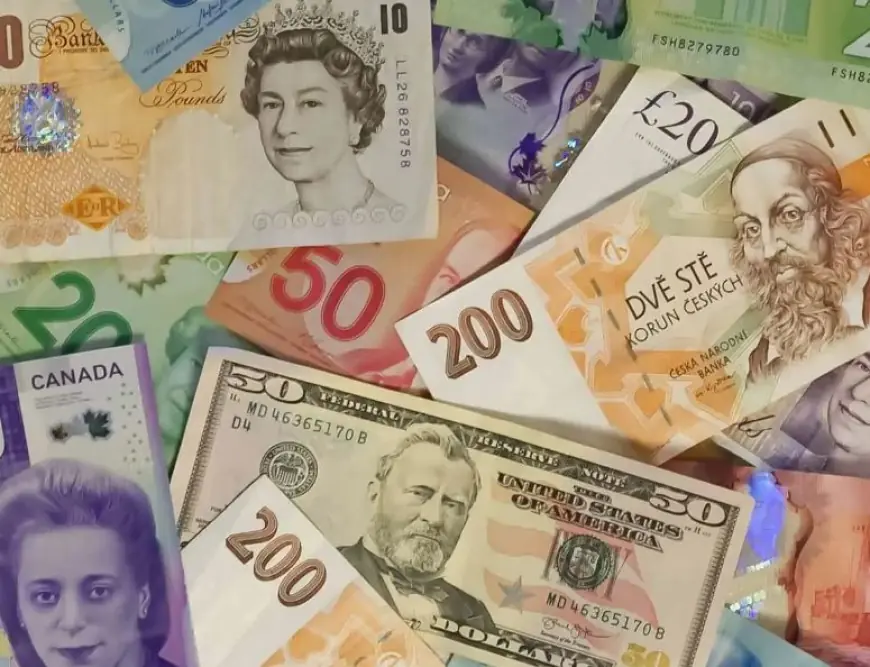
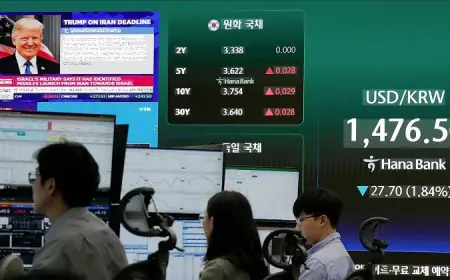
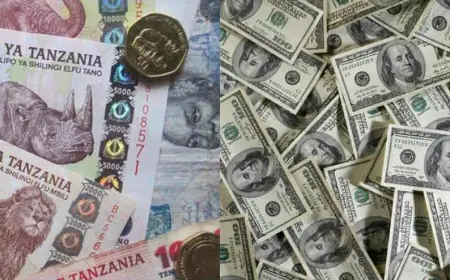
New York. The US dollar strengthened modestly on Tuesday, March 24, 2026 as uncertainty over prospects for a ceasefire in the Iran conflict weighed on investor sentiment and tempered earlier optimism seen at the start of the week, according to Reuters.
Market participants shifted towards defensive positions after conflicting signals from Washington and Tehran undermined hopes for rapid diplomatic progress.
Investors increasingly viewed the earlier surge in risk appetite as premature, leading to renewed demand for the dollar as a traditional safe-haven currency.
The greenback’s advance followed fresh economic data showing US business activity slowed to an 11-month low in March, reflecting rising energy and input costs linked to the conflict, according to Reuters.
“I think that many people recognised what the US and Iranian officials say is part of the psych operations related to war,” Marc Chandler, chief market strategist at Bannockburn Capital Markets in New York, told Reuters.
“The market is less optimistic than it was yesterday. Broadly we’re consolidated within yesterday’s ranges,” he added.
Major currencies weaken against firmer dollar
Among major currencies, sterling declined 0.51 percent to $1.3387 after gaining strongly in the previous session, while the euro slipped 0.27 percent to $1.1585, reversing earlier gains, according to Reuters.
The Japanese yen also weakened slightly, falling 0.2 percent to 158.75 per dollar, reflecting shifts in investor positioning and diverging monetary policy expectations.
The US dollar index, which measures the currency against a basket of major peers including the euro, yen and pound, rose 0.18 percent to 99.36.
The index is now heading for its strongest monthly gain since October, supported largely by safe-haven demand linked to geopolitical risk, according to Reuters.
Currency analysts noted that relative resilience in the US economy compared with Europe and Britain has further strengthened the dollar’s appeal.
Recent survey data showed business activity in the euro area and the United Kingdom falling to multi-month lows, suggesting that the economic effects of the conflict are spreading rapidly across advanced economies, according to Reuters.
Global stock markets move unevenly
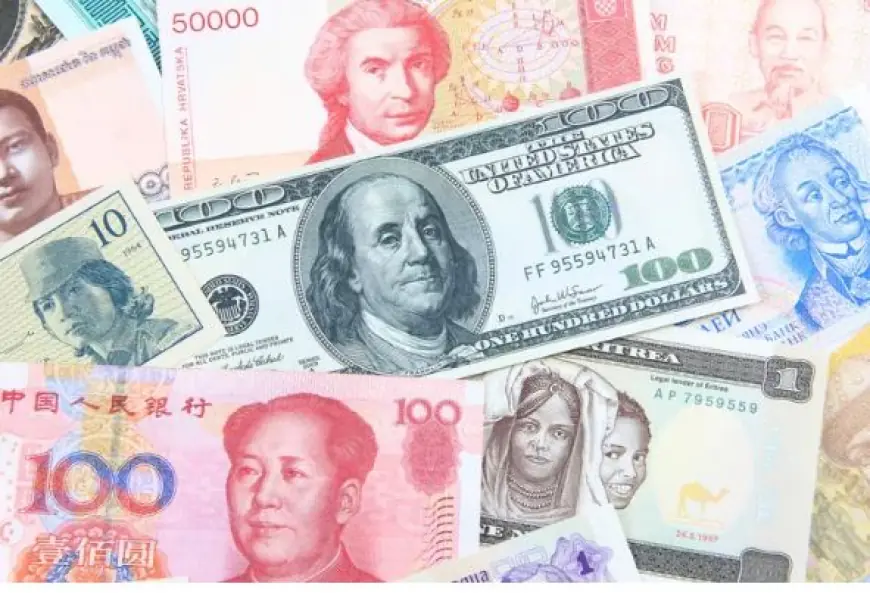
Global stock markets displayed mixed performance as investors balanced geopolitical risks with corporate earnings expectations.
On Wall Street, the Dow Jones Industrial Average rose 0.30 percent and the S&P 500 edged 0.09 percent higher, while the Nasdaq Composite slipped 0.32 percent, reflecting weakness in technology stocks, according to Reuters global markets updates.
In Europe, regional indices moved cautiously higher but remained volatile as traders assessed the economic impact of elevated energy costs.
Meanwhile, global equities remain under pressure from earlier declines.
The S&P 500 has fallen about 4 percent since the conflict intensified, compared with steeper declines of roughly 9 percent in Europe’s STOXX 600 and about 12 percent in Japan’s Nikkei index, according to Reuters market analysis.
Asian markets also showed mixed trading, with exporters facing headwinds from currency volatility, while energy companies benefited from rising oil prices.
Oil volatility continues to shape economic outlook
Energy markets remain central to financial market behaviour. Oil prices rebounded again on Tuesday following a sharp decline earlier in the week, as traders assessed supply risks after Iran denied holding direct talks with the United States.
Brent crude rose towards $100 per barrel, while US crude climbed above $91 per barrel amid concerns over disrupted shipments through the Strait of Hormuz, according to global market reports.
The Strait of Hormuz is among the world’s most critical energy chokepoints, handling roughly 20 percent of global oil shipments. Recent attacks and threats linked to the conflict have sharply reduced tanker traffic and disrupted supply flows, according to energy and shipping data.
Analysts have warned that sustained disruption to this route could represent the largest supply shock since the 1970s oil crisis.
Inflation fears reshape interest-rate outlook
Rising energy prices have increased expectations of persistent inflation, prompting markets to reassess central bank policy paths.
Investors have reduced expectations for aggressive rate cuts by the US Federal Reserve, with Treasury yields rising as traders positioned for tighter financial conditions.
The two-year US Treasury yield rose sharply on Tuesday, signalling that markets expect interest rates to remain elevated for longer, according to Reuters.
In Europe, markets have priced in at least two additional rate increases this year from both the European Central Bank and the Bank of England, reflecting sustained inflation risks across major economies.
Recent inflation data also showed US consumer prices rising 2.4 percent year-on-year in February, matching expectations but leaving policymakers cautious amid war-related price pressures, according to Reuter’s economic bulletins.
Iran conflict continues to dominate market sentiment
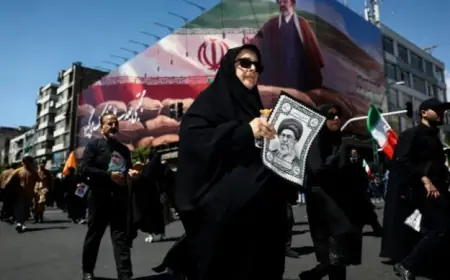
Financial markets remain highly sensitive to developments in the Iran conflict, which has intensified since late February and expanded across critical shipping routes and energy infrastructure.
The conflict has led to missile attacks and maritime disruptions, significantly affecting global energy and commodity supply chains, according to regional security and market reports.
Recent intelligence and shipping data indicate that tanker traffic through the Strait of Hormuz has fallen sharply, with many vessels rerouting or suspending operations due to security risks, according to maritime sources.
The disruption has also affected natural gas markets, particularly in Europe and Asia, where supply chains depend heavily on liquefied natural gas shipments passing through the strait.
Analysts warned that gas markets may take longer to recover than oil markets due to infrastructure limitations.
Economic institutions have warned that prolonged conflict could slow global growth and trigger broader inflationary pressures, particularly in food and fertiliser markets linked to energy costs and disrupted logistics.
Diplomatic uncertainty sustains market volatility
Markets briefly rallied earlier in the week after US President Donald Trump said Washington had held “very good and productive” discussions with Tehran and postponed planned military strikes against Iranian energy infrastructure, according to Reuters.
However, Iranian officials denied engaging in direct negotiations, quickly reversing market optimism and renewing fears of prolonged conflict.
Oil prices fell sharply by more than 13 percent following the postponement announcement before rebounding as uncertainty persisted, according to Reuters global market updates.
Outlook remains fragile
Economists warn that the global economic outlook remains fragile as financial markets continue to respond to geopolitical developments.
Central banks, investors and policymakers are expected to closely monitor inflation trends, energy markets and diplomatic progress in the coming weeks.
For now, the strengthening dollar reflects heightened caution among investors navigating a volatile environment marked by geopolitical tension, uncertain diplomacy and rising inflation risks, according to Reuters.
What's Your Reaction?
 Like
0
Like
0
 Dislike
0
Dislike
0
 Love
0
Love
0
 Funny
0
Funny
0
 Angry
0
Angry
0
 Sad
0
Sad
0
 Wow
0
Wow
0