




































President Ruto issues historic call for unity in Tanzanian Parliament
Addressing a packed House in Dodoma the Kenyan leader delivered a speech that was as much a manifesto for economic integration as it was a diplomatic gesture

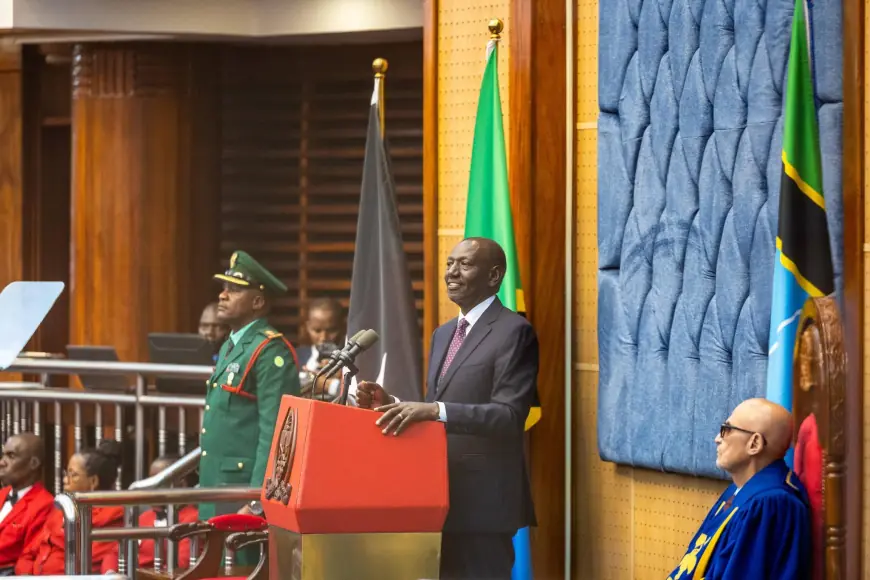
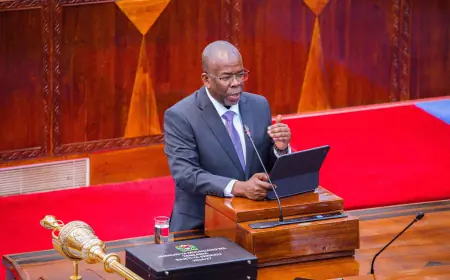
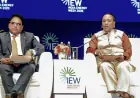
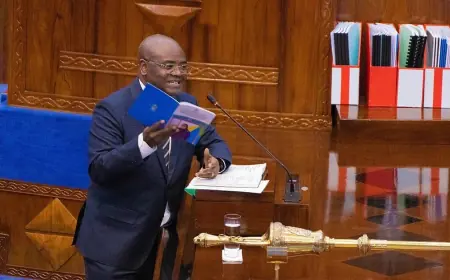
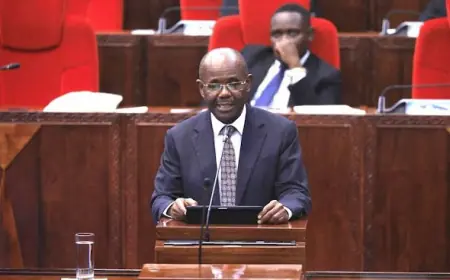
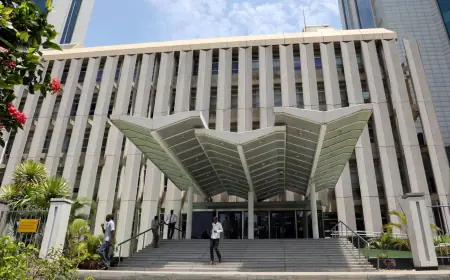
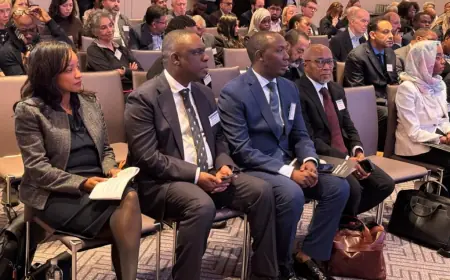
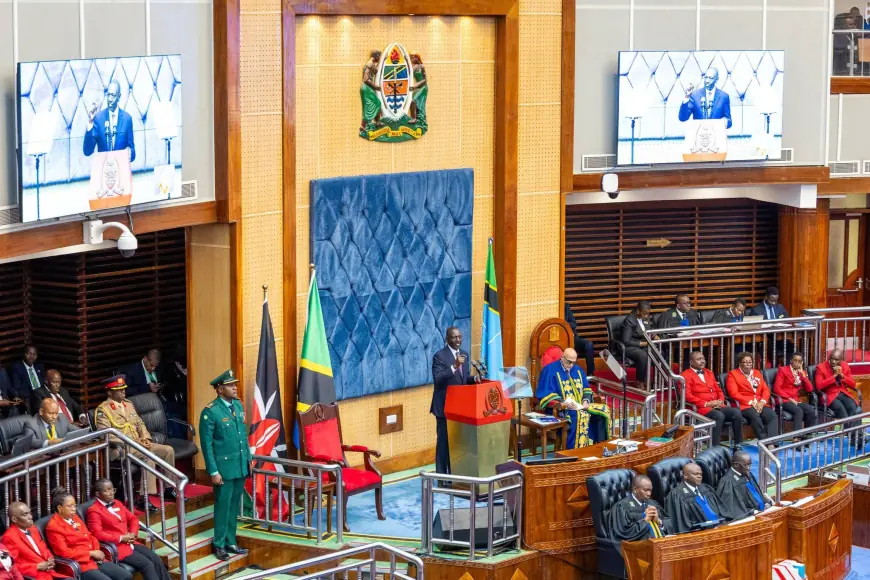
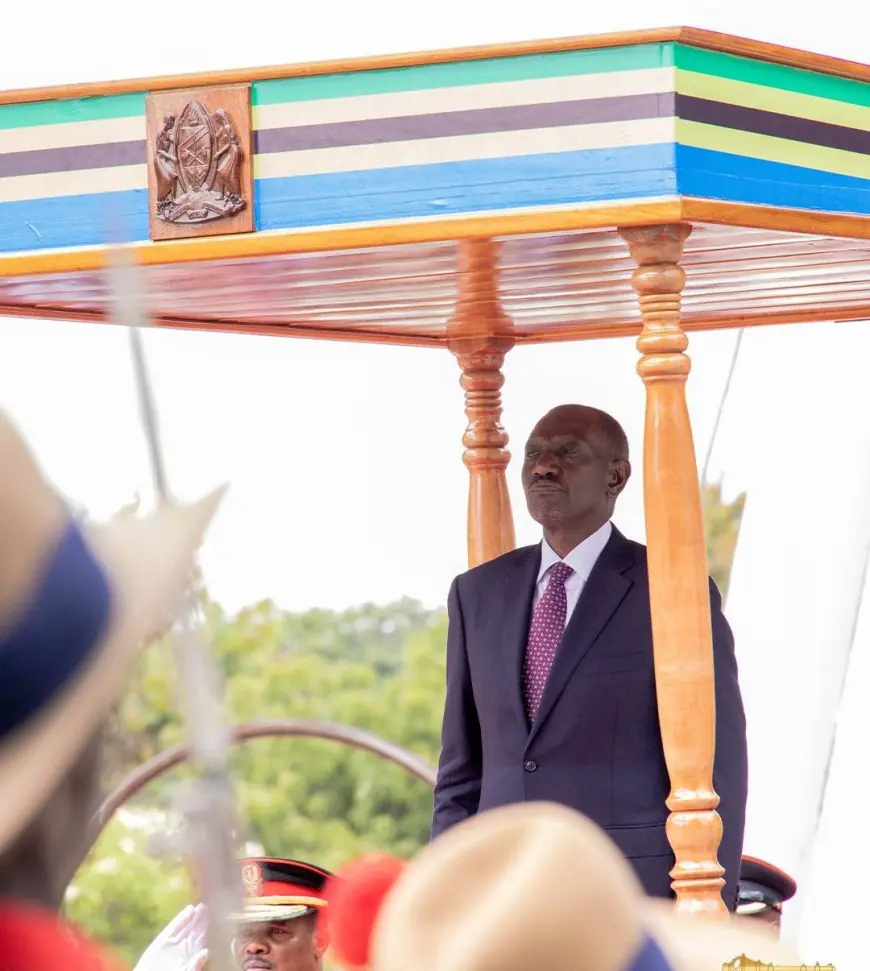
Dodoma. The floor of the Tanzanian Parliament became the stage for a defining moment in East African diplomacy on May 5, 2025 as President William Ruto declared that the "quiet mistrust" long hindering the region must finally give way to radical cooperation.
Addressing a packed House in Dodoma the Kenyan leader delivered a speech that was as much a manifesto for economic integration as it was a diplomatic gesture.
The speech carried immense historical weight, marking only the second time a Kenyan Head of State has addressed the Tanzanian Parliament, following President Daniel Arap Moi’s address in November 2002.
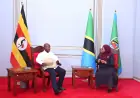
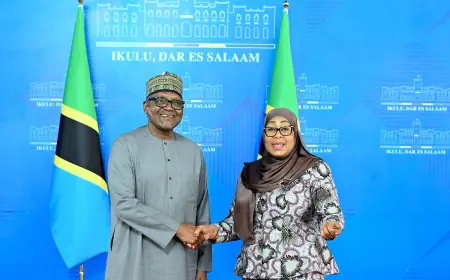
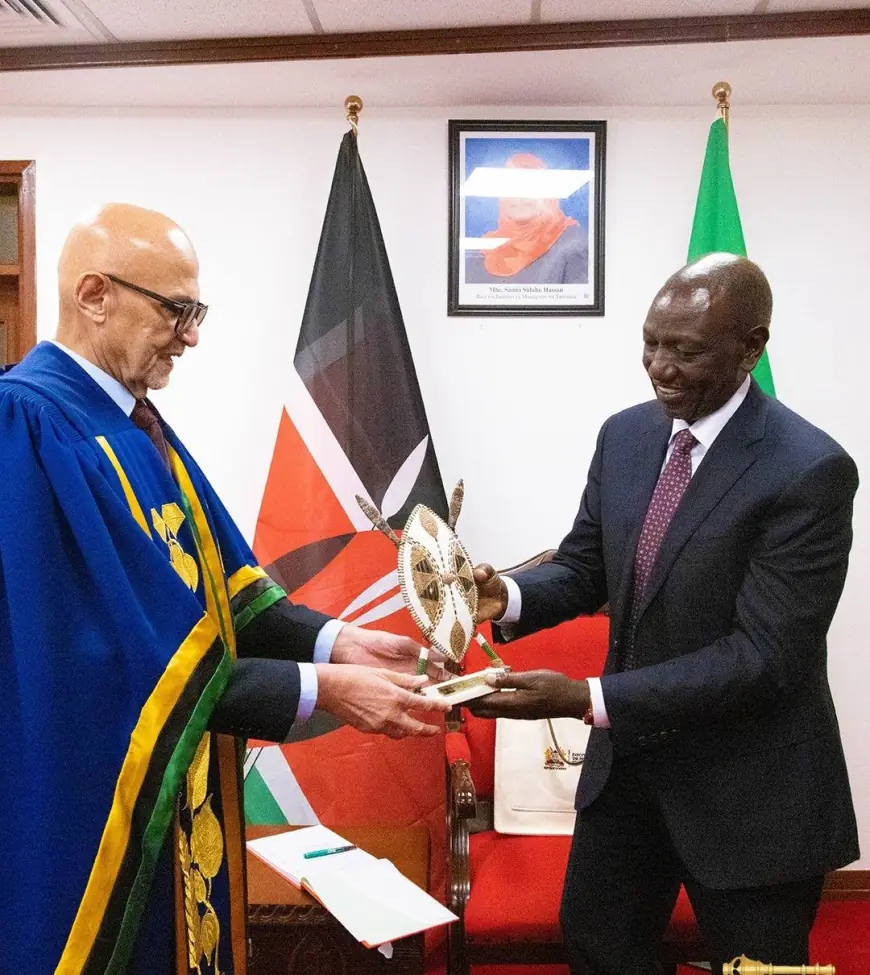
The speech came on the second tier of President Ruto’s high-stakes two-day State Visit at the invitation of President Samia Suluhu Hassan.
The visit, which spanned from May 3-5, 2026, began with intense diplomatic activity in Dar es Salaam.
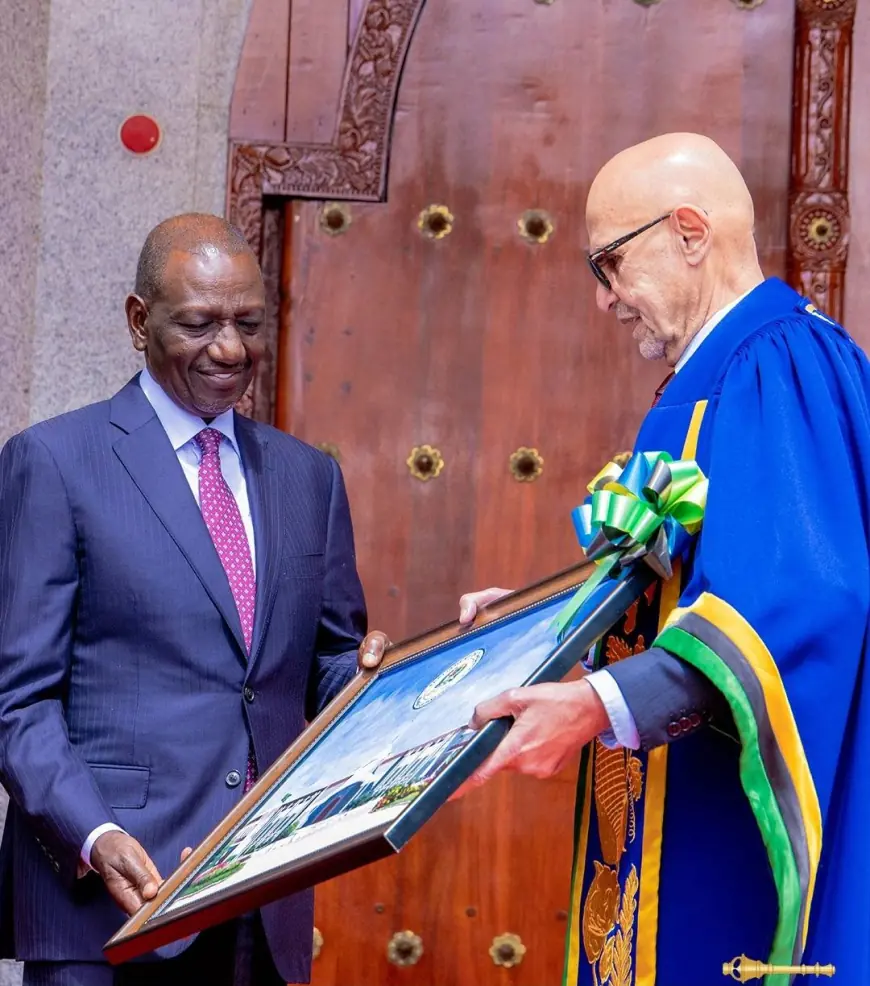
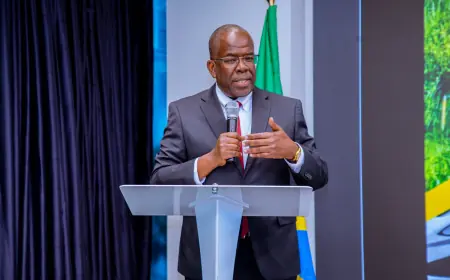
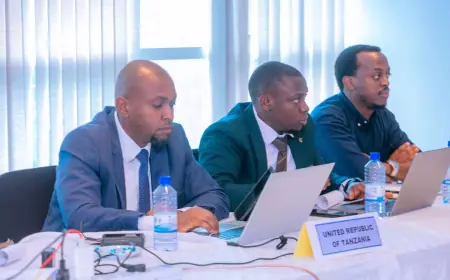
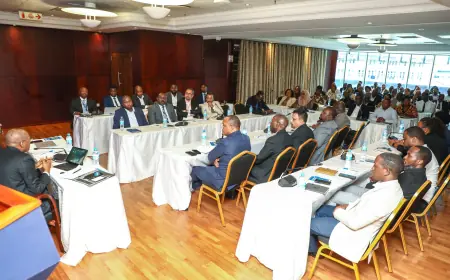
Following a private tete-a-tete between the two Presidents to align their national agendas, they jointly presided over the Tanzania-Kenya Business Forum, a move clearly intended to signal to the markets that the two largest economies in East Africa are no longer interested in petty rivalries.
Standing before the Members of Parliament, Dr Ruto invoked the spirits of Julius Nyerere and Jomo Kenyatta to argue that the destiny of the two nations is physically and culturally inseparable.
“For far too long, relations among neighbouring countries have been shaped by competition, suspicion, and rivalry, forces that have fragmented our markets, weakened our voice, and constrained our collective progress,” President Ruto told Tanzanian lawmakers.
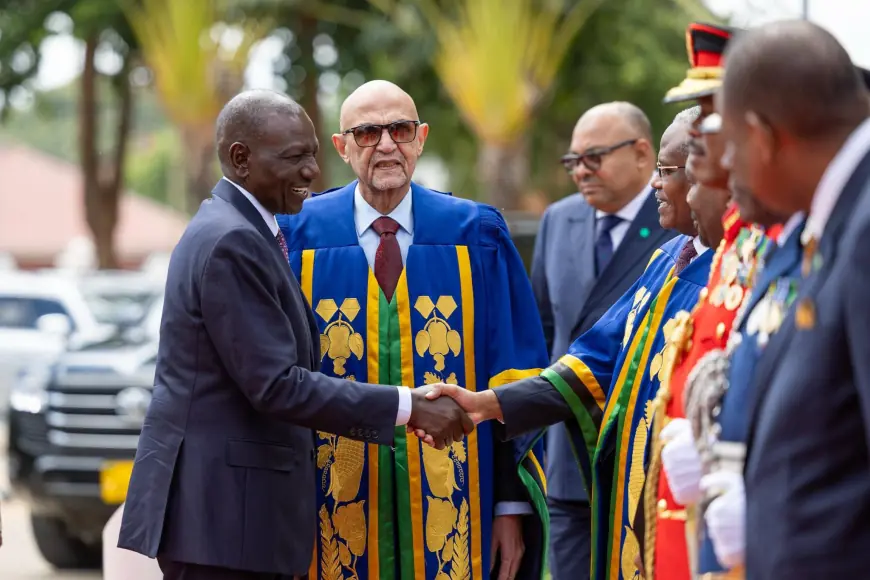
He noted that the 800-kilometre border is not a barrier but a "vibrant corridor" of trade, and famously pointed to the Great Migration of the wildebeest between the Serengeti and the Maasai Mara as nature’s own lesson in seamless movement.
His message was blunt: what nature has made effortless, government policy must not make difficult.
“With the right policy support, this momentum can significantly expand bilateral trade beyond current levels and position our two economies to capture a larger share of opportunities within the East African Community and the African Continental Free Trade Area,” President Ruto noted.
The economic data provided a firm backbone to his rhetoric.
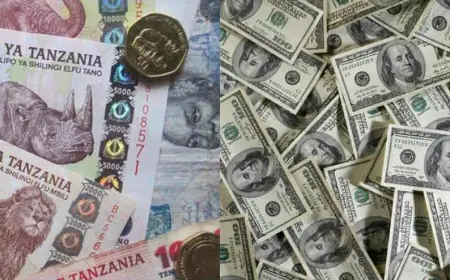
Bilateral trade hit $860 million in 2025 and is on a clear trajectory to surpass the $1 billion dollar mark this year.
Kenyan investment in Tanzania has soared to $1.7 billion, while Tanzanian investments in Kenya are expected to double by the end of 2026.
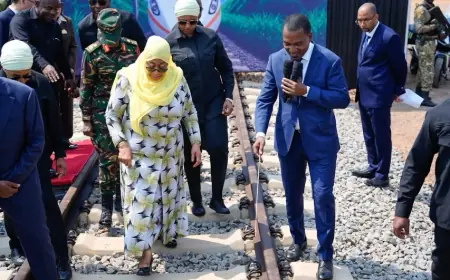
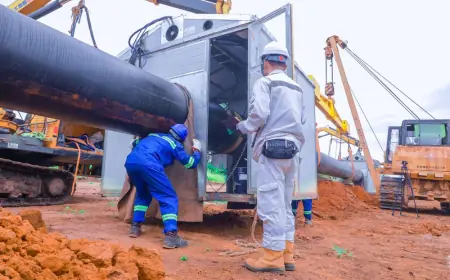
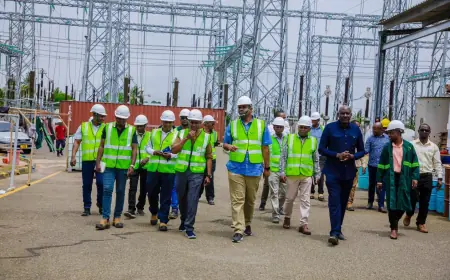
To fuel this momentum, Dr Ruto championed massive joint infrastructure projects, including the Malindi–Dar es Salaam road corridor and the 400kV power interconnector that has already synchronised the electrical grids of both nations.
In perhaps the most significant policy overture of the day, Ruto offered a hand of partnership in the proposed oil refinery in Tanga.
While he admitted his natural preference for a facility in Mombasa, he argued that a win for Tanga is a win for the entire economic space.
This "shared ownership" model is designed to mirror Uganda’s recent acquisition of a stake in the Kenya Pipeline Company, turning traditional national assets into regional strategic pillars.
The President did not limit his vision to East Africa, using the Dodoma podium to challenge the "global contradiction" of Africa's exclusion from international power structures.
He called for a leaner, results-driven African Union and demanded an end to a global financial system that imposes punitive costs of capital on the continent.
For Ruto, a UN Security Council without African representation is a system without legitimacy.
“A Council that excludes Africa cannot effectively secure Africa- and without Africa, there can be no global security. Representation, therefore, is not symbolic; it is essential to building a stable and credible international system,” Dr Ruto noted.
He concluded with a direct challenge to the leadership in the room and the private sector watching across the border.
Leadership, he asserted, is not about the offices held but the outcomes delivered for the people.
As he departed the chamber, the message was unmistakable: the time for incremental progress has passed, and the era of decisive, joint action has begun.
“Leadership is, above all, a privilege that comes with responsibility. It demands that we honour our word, fulfil our promises, and deliver on the trust that our people have placed in us,” noted.
What's Your Reaction?
 Like
0
Like
0
 Dislike
0
Dislike
0
 Love
0
Love
0
 Funny
0
Funny
0
 Angry
0
Angry
0
 Sad
0
Sad
0
 Wow
0
Wow
0